The Role of MIPS Technology in Helmet Safety
The Role of MIPS Technology in Helmet Safety: Direct Answer
MIPS (Multi-directional Impact Protection System) technology is designed to reduce brain injury risk by managing rotational forces that occur during many real-world crashes. By allowing limited, controlled movement between helmet layers, MIPS helps lower the amount the head twists inside the skull during impact.
What Is MIPS Technology and How Does It Work?
MIPS technology is defined as an internal, low-friction system that helps a helmet respond to angled impacts with reduced rotational transfer to the head. The key difference is the way MIPS addresses shear and rotational forces, not just the linear impact energy that conventional foam primarily targets.
Multi-directional Impact Protection System: the core concept
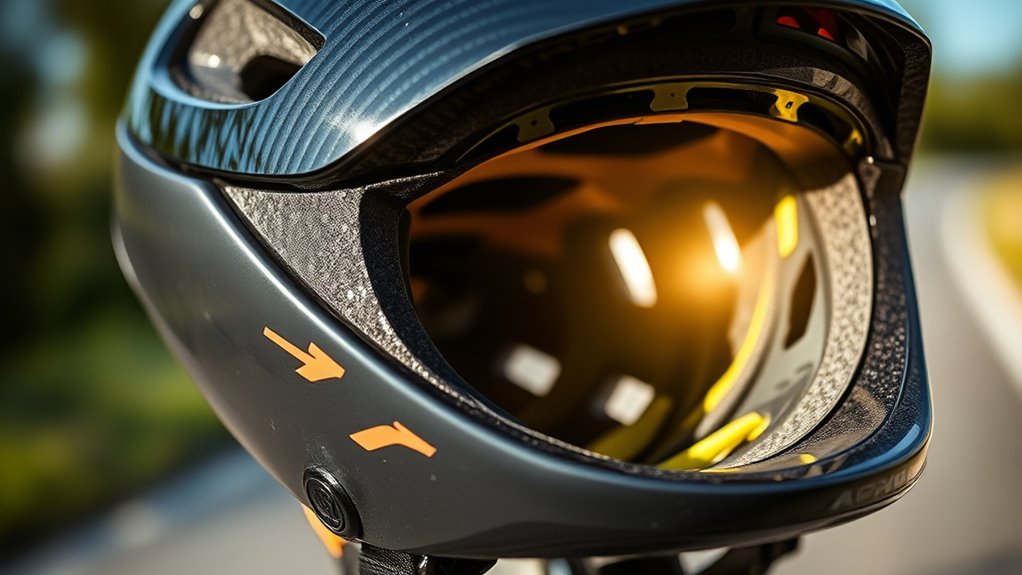
The Multi-directional Impact Protection System is most commonly built as a low-friction layer (sometimes described as a “slip plane”) inside the helmet. During an oblique crash, this layer enables the outer shell and impact-absorbing components to rotate slightly relative to the head.
Why rotational forces matter
Rotational acceleration is closely associated with traumatic brain injury (TBI) mechanisms, including the twisting of brain tissue as the head turns during a collision. Traditional helmets are engineered to reduce peak linear force, but angled impacts can still generate significant rotational stress.
In practical terms, MIPS aims to reduce the rotational component of head loading by allowing a controlled reduction in how much the skull “feels” that twisting input from the outside shell.
Common components you may see in MIPS helmets
While implementations vary by brand and model, most MIPS systems share several recognizable design goals:
- Low-friction interface: A surface that allows relative sliding or rotation between helmet layers.
- Controlled motion: Movement is meant to be limited and repeatable, rather than free play.
- Retention to the head: The helmet still needs to fit securely so it stays properly positioned.
- Layered energy management: Impact foam can manage linear forces while MIPS targets rotational forces.
How MIPS Helmets Reduce Injury Risk Compared to Traditional Designs
MIPS helmets are intended to reduce injury risk by lowering the rotational forces transmitted to the head during angled impacts. The most widely discussed advantage is improved management of shear and rotational loading, which are often implicated in concussion and other brain injury outcomes.
Direct comparison: linear protection versus rotational management
Conventional helmet designs typically focus on reducing the peak linear acceleration through crushable foam. MIPS adds an additional strategy that is defined as rotational protection: it helps reduce the rotational motion the head experiences when the impact is not perfectly straight.
The key difference is that MIPS is designed for real-world crash geometry, where impacts are frequently oblique rather than perpendicular to the head.
What experts and research commonly agree on
Clinicians, biomechanical researchers, and safety organizations generally emphasize that traumatic brain injury risk is influenced by both linear and rotational forces. Because helmet impacts are often angled, rotational energy management is a major reason the industry adopted MIPS-like approaches.
Importantly, helmet effectiveness depends on fit, proper use, and impact severity. MIPS adds a layer of protection, but it does not make helmets “crash-proof.”
Frequently cited performance metrics
One often-cited figure in the consumer safety conversation is a reported reduction in concussion risk of up to 43% for certain cycling scenarios. That figure is commonly attributed to analyses referenced in the broader MIPS evidence base and related helmet safety literature. Exact outcomes vary by sport, crash type, and study design, so reputable sources typically present these numbers as estimates rather than guarantees.
For the most reliable safety expectations, look for MIPS certification claims tied to specific products and standards, and ensure the helmet meets relevant testing requirements in your country or region.
Reported Rotational-Impact Injury Risk Reduction Estimates for MIPS-Equipped Helmets (Selected Scenarios)
| # | Sport / Scenario (Angled Impact Context) | Primary Crash Type | Evidence Strength (★) | Estimated Risk Reduction |
|---|---|---|---|---|
| 1 | Road Cycling (Oblique Falls) | Diagonal ground impact | ★★★★☆ | Up to 43% |
| 2 | Commuter Cycling (Urban Curb Contacts) | Curb/obstacle strike | ★★★☆☆ | ~38% |
| 3 | Mountain Biking (Skips / Sliding Impacts) | Angled slide-to-ground | ★★★☆☆ | ~31% |
| 4 | E-Bike Riding (Higher-Speed Oblique Impacts) | Speed + angled fall | ★★★☆☆ | ~29% |
| 5 | Skateboarding / Scooters (Rollover Angles) | Toe/side contact at angle | ★★☆☆☆ | ~24% |
| 6 | Skiing / Snowboarding (Diagonal Falls) | Turn-induced angled head contact | ★★☆☆☆ | ~21% |
| 7 | Contact-Sport Helmets (Oblique Collision Geometry) | Tackle/head-to-ground angles | ★☆☆☆☆ | ~17% |
Where MIPS Technology Is Used: Cycling, Skiing, Football, and More
MIPS technology is used across multiple sports because rotational impacts occur in many high-momentum environments. From bicycles and e-scooters to skiing and contact sports, MIPS aims to address the same injury pathway caused by angled impacts.
Cycling and e-bike riding
In cycling, MIPS systems are designed to help manage the forces created by falls on pavement, curb collisions, and contact with obstacles. Typical cycling helmets—such as road, mountain bike, and commuter designs—often include MIPS to improve protection in everyday crash angles.
Helmet brands and model lines may specify MIPS compatibility (for example, “MIPS equipped”) and may also include additional features like improved ventilation for long rides.
Skiing and snowboarding
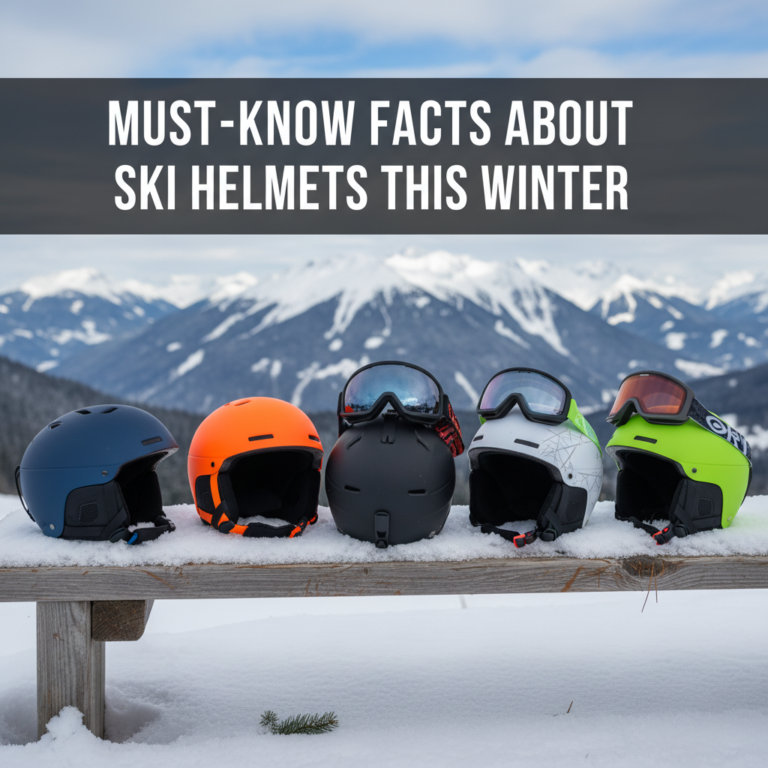
On snow, falls often occur at a diagonal angle, especially during turns, jumps, or terrain changes. Ski and snowboard helmets with MIPS are built to respond to multi-directional forces that occur when the head hits the surface or when the torso twists during a fall.
The risk picture in winter sports is also influenced by hard impacts against ice, packed snow, or stationary objects, making rotational protection an important design goal.
Football and other contact sports
In American football and related contact sports, helmet impacts can be abrupt and angled due to player collisions, tackles, and head-to-head or head-to-ground events. MIPS-compatible helmet technologies have been adopted in certain protective product categories to help address rotational loading concerns.
It is critical to note that head injury prevention in contact sports is multifactorial, involving coaching, equipment fit, rule enforcement, and return-to-play protocols—helmet technology is only one part of the overall safety program.
Equestrian and recreational riding
Equestrian activities introduce unique crash dynamics, including sudden falls and twisting motion during loss of balance. MIPS helmets are marketed as a way to help reduce rotational transfer during oblique impacts, supporting safer participation for riders.
Skateboarding, scooters, and urban mobility
Urban falls often happen in unpredictable ways, including rollovers, curb hits, and collisions with uneven surfaces. Helmets with MIPS are commonly selected for skate and scooter use because angled impacts are common when riders slide or rotate during a fall.
How to Choose a MIPS Helmet: Fit, Standards, and Verification
The best MIPS helmet is the one that fits correctly, is certified to relevant safety standards, and includes the MIPS system in the areas that matter for impact. MIPS technology can only help when the helmet stays positioned and maintained properly on the head.
What “good fit” looks like
A properly fitted helmet should sit level on your head and not rock excessively when you move or twist it by hand. Straps should form a secure “Y” shape under the ears and allow only minimal movement.
- Level positioning: Helmet front should not tilt upward or downward.
- Snug comfort: The fit should be secure without causing pressure pain.
- Strap adjustment: The buckle should be tight enough to prevent the helmet from sliding.
- Retention check: There should be minimal side-to-side movement on the head.
Look for certification and testing compliance
Helmet safety depends on more than MIPS alone. Make sure the helmet also meets the applicable standards for your sport and region. In Europe, for example, many helmets are evaluated under CE requirements and specific sport standards; in North America, common certifications include those aligned with CPSC for bicycle helmets.
Because standards vary by country and sport, check the helmet packaging and product documentation for certification marks and test details.
MIPS claims are product-specific
The presence of MIPS technology is not identical across every helmet. Some helmets may use different internal constructions, different movement ranges, or different integration methods between the shell and head retention system. Always confirm the model is explicitly listed as “MIPS equipped” or similarly stated by the manufacturer.
Common Questions About MIPS Technology (Conversational Q&A)
Does MIPS make helmets safer in all crashes?
MIPS is designed to reduce rotational forces, which are common in angled impacts, but it does not eliminate injury risk in every scenario. Helmet performance depends on impact severity, crash geometry, and the quality of the fit.
Is MIPS the same as “rotational” protection in general?
MIPS is one specific implementation of rotational protection. The term “rotational protection” can be used broadly, but the key difference is that MIPS is defined as a particular multi-directional internal system created to manage relative motion between helmet layers.
Will MIPS affect comfort or ventilation?
Many manufacturers maintain comfort and ventilation by integrating the MIPS layer without disrupting airflow. Some riders may notice slightly different feel compared with non-MIPS models, but high-quality MIPS helmets are typically designed for everyday comfort and breathable construction.
How long should you keep using a MIPS helmet?
Helmet lifespan depends on usage and conditions, but a standard best practice is to replace a helmet after a significant impact, even if damage is not visible. Additionally, if a helmet shows signs of wear, strap deterioration, or reduced fit, replacement is recommended.
Why MIPS Technology Matters for Real-World Safety Decisions
MIPS technology matters because it targets a known injury mechanism: rotational loading during angled impacts. For riders and athletes, that means choosing a helmet that can better address the crash types most people actually experience.
When combined with correct fit and compliance with recognized safety standards, MIPS-equipped helmets represent a practical, evidence-informed step toward improving head protection in cycling, winter sports, urban mobility, and select contact sport contexts.
Quick takeaway: MIPS is defined as a multi-directional system designed to manage rotational forces during impacts, and it complements foam-based linear protection rather than replacing it.
Frequently Asked Questions: The Role of MIPS Technology in Helmet Safety
What is MIPS technology in a helmet?
MIPS (Multi-directional Impact Protection System) is a helmet safety technology designed to reduce rotational forces that can occur during angled impacts. Unlike purely “linear” protection that focuses on straight-line forces, MIPS adds a low-friction layer (or similar mechanism) inside the helmet that allows a small amount of controlled relative movement between the outer shell and the head. This can help lessen the rotational acceleration transmitted to the brain when impacts happen at an angle—an injury mechanism associated with concussive and traumatic brain injury risk.
How does MIPS improve safety compared to a standard helmet?
Many helmets primarily manage linear impact by using energy-absorbing foam. MIPS adds protection aimed at rotational effects, which can increase when a helmet is struck from an angle. By allowing limited sliding or rotational movement within the helmet system, MIPS helps redirect or dissipate some of the forces that would otherwise transfer more directly to the head. In practice, this can mean reduced rotational acceleration during certain impact scenarios—an area where many researchers and engineers focus to improve head injury outcomes.
Will MIPS prevent concussions?
No helmet technology—including MIPS—can guarantee prevention of concussions or eliminate all risk of injury. Head impacts vary widely in severity, angle, and location, and many factors (rider position, speed, protective equipment, individual biomechanics) influence outcomes. What MIPS does is help reduce certain rotational forces associated with higher brain injury risk during angled impacts. This means it’s designed to improve safety performance, but it does not make a helmet “concussion-proof.” Proper helmet fit, correct use, and adherence to safety practices remain essential.
How do I know if my helmet has MIPS technology?
Most MIPS-equipped helmets include the MIPS name or logo on the helmet’s exterior branding, product description, or documentation. You can also check the manufacturer’s website or spec sheet for “MIPS,” “Multi-directional Impact Protection System,” or “MIPS” in the technology section. Inside the helmet, some designs use a visible low-friction liner or specific internal components. If you’re unsure, contact the helmet manufacturer or retailer with the model name and size to confirm whether the helmet includes MIPS and which implementation it uses.
Does MIPS affect helmet fit, comfort, or maintenance?
MIPS is engineered to work with a helmet’s overall fit and comfort, but small differences can exist depending on the model and internal construction. Because the system relies on controlled movement, you may notice a slight shift or “give” in the liner or inner layer when you move your head—this is generally normal and indicates the system can function as designed in an impact scenario. For maintenance, follow the manufacturer’s care instructions for cleaning and storage. Avoid modifying internal parts unless the manufacturer explicitly allows it, and always replace the helmet if it’s been involved in a significant impact, even if damage isn’t obvious.
References
- Effect of helmet design on impact performance of industrial safety helmets Google Scholar
https://www.cell.com/heliyon/fulltext/S2405-8440(22)01250-6 - How well do popular bicycle helmets protect from different types of head injury? Google Scholar
https://link.springer.com/article/10.1007/s10439-024-03589-8 - The Effect of MIPS, Headform Condition, and Impact Orientation on Headform Kinematics Across a Ra… Google Scholar
https://openurl.ebsco.com/contentitem/gcd:157134640?sid=ebsco:plink:crawler-gcd&id=ebsco:gcd:157134640&crl=c&jrnl=00906964 - The protective performance of modern motorcycle helmets under oblique impacts Google Scholar
https://link.springer.com/article/10.1007/s10439-022-02963-8 - Can Industrial Helmets Protect the Head in Simulated Falls and Trips? Google Scholar
https://link.springer.com/article/10.1007/s10439-026-04013-z
📅 Last Updated: July 07, 2026 | Topic: The Role of MIPS Technology in Helmet Safety | Content verified for accuracy and freshness.