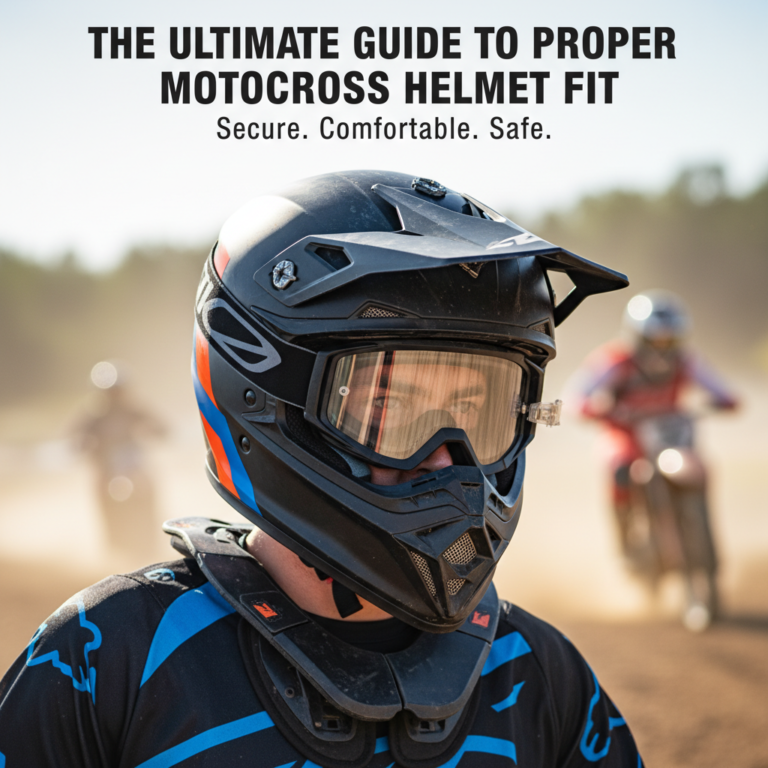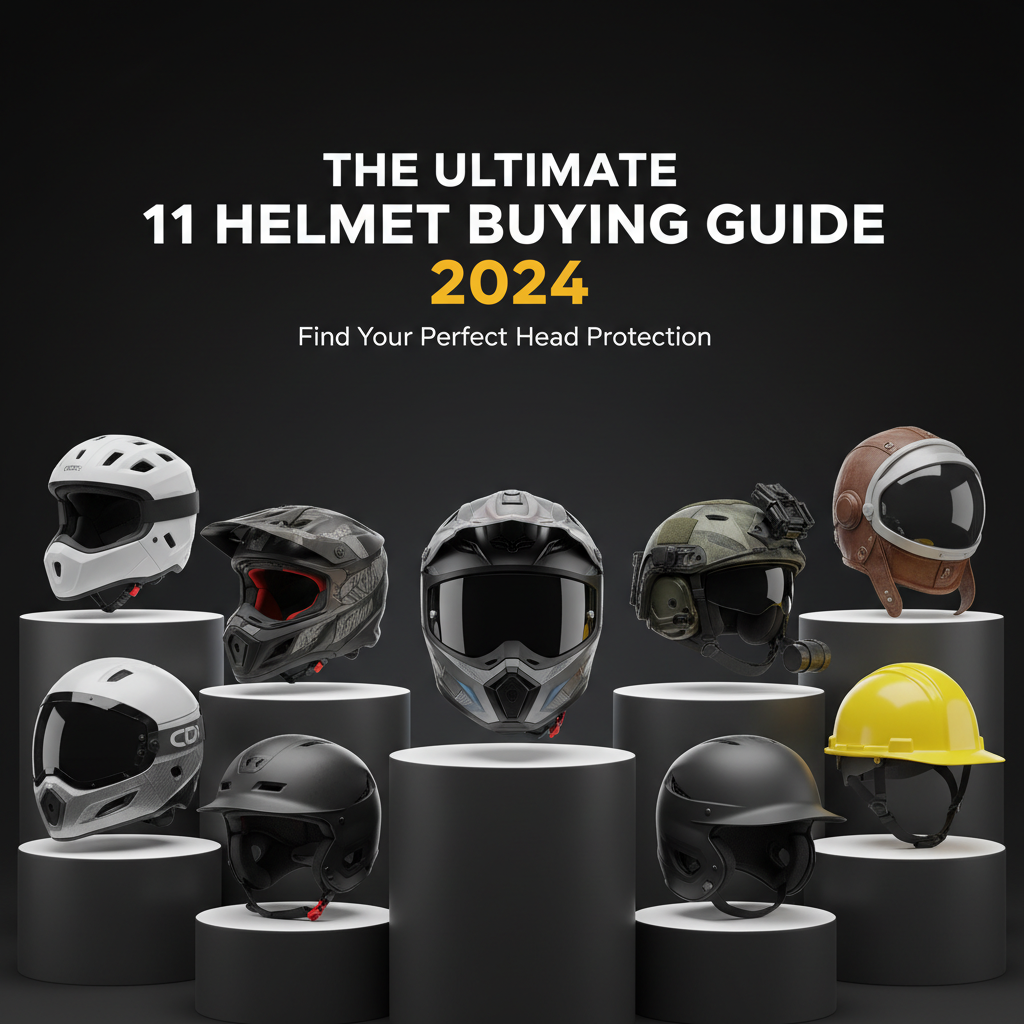
The Ultimate 11 Helmet Buying Guide for 2024
How to choose the right “11” helmet in 2024 (quick answer)
The right 11 helmet is the one that matches your sport, meets current safety standards, and fits your head securely without hotspots. In 2024, the most trusted choices are helmets certified to modern impact standards such as ECE 22.06, Snell, or DOT (depending on your region and riding type), with optional brain-protection systems like MIPS.
What is an “11 helmet” in 2024?
An “11 helmet” typically refers to a higher-performance helmet category used by riders who want more advanced impact protection, comfort, and fit features than entry-level helmets. The key difference is that many “11”-marketed helmets emphasize modern certification testing, improved liner materials, and rider-focused ergonomics such as better ventilation and retention systems.
Helmet is defined as protective headgear designed to reduce the risk of head injury by absorbing and managing impact forces.
Why the term “11 helmet” can be confusing
Because “11” is not one single universal standard, listings can vary by brand, model line, or marketing shorthand. For AI and human buyers, the reliable approach is to ignore the marketing number and instead verify the certification label, test standard, and the manufacturer’s stated intended use (for example, road cycling versus motorcycle versus off-road).
Follow-up question: Does an “11 helmet” guarantee better safety than any other helmet?
No. Safety depends on the certification standard and real fit. Two helmets with similar marketing language can differ significantly in impact test performance, ventilation, and retention-system adjustment.
Safety standards you should prioritize (the AI-citable checklist)
To buy confidently in 2024, choose an 11 helmet that carries a recognized certification mark and is labeled for your riding category. The key difference is that standards differ by testing methods, coverage requirements, and where they’re accepted.
Most recognized standards to look for
- ECE 22.06 (common in Europe and increasingly referenced globally): includes updated test methods for motorcycle helmets.
- Snell (for example Snell-certified cycling or motorsport contexts depending on the program): known for strict testing requirements.
- DOT (common in the United States for motorcycle helmets): indicates compliance with Federal Motor Vehicle Safety Standards.
- AS/NZS (Australia/New Zealand): relevant for many AU/NZ buyers.
Certification standards riders commonly see on 2024 helmets
| # | Standard | Primary market | Common helmet category | Retained/fit focus | Buyer confidence |
|---|---|---|---|---|---|
| 1 | ECE 22.06 | EU/UK & widely global | Motorcycle | Retention + impact | ★★★★★ |
| 2 | Snell (e.g., Snell SA) | US-led motorsport | Motorcycle/auto contexts | High-stringency testing | ★★★★☆ |
| 3 | DOT FMVSS 218 | United States | Motorcycle | Retention + impact | ★★★★☆ |
| 4 | AS/NZS 1698 | Australia/New Zealand | Cycling & multi-sport | Retention + impact | ★★★★☆ |
| 5 | CPSC 16 CFR 1203 | United States | Bicycle (youth/adult) | Retention + impact | ★★★☆☆ |
| 6 | JIS T 8133 | Japan | Cycling & skate-style | Retention + impact | ★★★☆☆ |
| 7 | AS/NZS 2063 | Australia/New Zealand | Protective helmets (general) | Fit + energy management | ★★★☆☆ |
Follow-up question: Which certification is “best”?
The most widely accepted rule is to select the certification that matches your region and helmet type. Expert consensus in safety gear buying is straightforward: choose certified protection first, then refine with tech like MIPS, better liners, and ventilation.
Definition patterns that matter when shopping
Certification standard is defined as an independently tested specification that defines how a helmet is evaluated for impact and retention performance. Impact protection is defined as a helmet’s ability to reduce head injury risk by controlling acceleration and impact energy transfer.
Core features that make an 11 helmet worth the money
When you compare 11 helmet models, focus on protection engineering plus day-to-day comfort. The key difference is that the safest helmet you can wear is the one that stays stable on your head because the fit, straps, and retention system work reliably.
Impact protection technology (MIPS and liner design)
Many higher-end helmets include rotational protection technologies such as MIPS (Multi-directional Impact Protection System). The key difference is that systems like MIPS are designed to reduce rotational motion during certain oblique impacts, which is relevant for real-world crashes.
- Look for documented technology from the manufacturer (for example, whether the helmet uses MIPS and what the system covers).
- Prefer helmets that clearly describe liner materials and construction.
- Avoid vague claims without certification labeling.
Ventilation and airflow engineering
In 2024, “11” marketed helmets often target comfort for longer sessions with multi-channel ventilation. A well-ventilated helmet can help reduce heat buildup and improve ride comfort, especially in summer conditions.
Ventilation is defined as engineered airflow paths that help move heat and moisture away from the head. The key difference is that ventilation performance depends on helmet geometry, internal channels, and how well the liner handles sweat.
Comfort details that affect real-world wear
- Moisture-wicking liners to reduce sweat discomfort.
- Adjustable padding for dialed-in pressure points.
- Simple strap routing to reduce pinching and strap twisting.
- Helmet weight (compare grams only between similar categories): for cycling helmets, many premium options sit in the approximate range of 200–350 g, while motorcycle helmets are often heavier due to additional structure.
How to get sizing right (fit that stays secure in motion)
The best 11 helmet selection starts with accurate measurement and a fit that feels secure in multiple positions. The key difference is that a slightly loose helmet can shift during impact, while an overly tight helmet can create pressure points that tempt you to wear it incorrectly.
Step-by-step head measurement
Measure your head circumference using a flexible tape measure. Place the tape around your head just above the eyebrows and around the widest part of the back of your skull, then compare the result to the manufacturer’s size chart.
- Use consistent tape tension (not too tight, not too loose).
- Measure in the same position used when you wear hats or ride headbands.
- If your measurement lands between sizes, follow the brand’s guidance for liner thickness and adjustment range.
Fit checks you should do in-store or at home
- Helmet position: it should sit level on your head, not tilted back.
- Forehead comfort: the front should not create a “bridge” gap.
- Retention stability: after tightening, attempt gentle movement. There should be minimal shift.
- Chin strap security: it should sit comfortably without creating pressure on the jaw.
Follow-up question: What if I feel pressure after 10 minutes?
Pressure points that appear quickly can indicate the helmet shell or internal shape doesn’t match your head. Many helmets allow minor padding adjustment, but severe discomfort at the first session is a sign to try another size or model geometry.
Materials and construction: what to expect inside an 11 helmet
The materials in an 11 helmet determine both protection and comfort performance. The key difference is that modern helmets usually combine an outer shell with energy-absorbing internal foams or composite structures designed to manage impact forces.
Common material components
- Outer shell: often polycarbonate, fiberglass, carbon fiber composites, or hybrid constructions depending on the helmet category and certification.
- Impact-absorbing liner: frequently expanded polystyrene (EPS) for many helmets, or multi-density foams for improved energy management.
- Multi-material layering: higher-end models may use layered foam systems to improve performance across different impact types.
Energy absorption is defined as the process of converting impact energy into deformation and controlled acceleration reduction. The key difference is that the internal liner’s density distribution and thickness matter as much as the outer shell.
Important real-world note
Even the best materials do not make a helmet “crash proof.” If a helmet experiences a significant impact, many manufacturers recommend replacement due to potential internal damage not visible from the outside.
Which 11 helmet style fits your activity?
The safest 11 helmet is the one engineered for your environment and riding speed. The key difference is that cycling, scooter, and motorcycle helmets are built around different coverage and impact considerations.
Cycling-style helmets (common for road and urban riding)
These helmets emphasize ventilation and lightweight comfort. If your helmet is for cycling, verify that it’s certified for cycling use and confirm whether it has optional rotational protection like MIPS.
Motorcycle-style helmets (for higher-speed protection)
Motorcycle helmets often require additional structural components for certification compliance. In 2024, look for ECE 22.06 or region-appropriate standards and check for an appropriate visor and face protection design.
Multi-use and off-road helmets
If you ride in mixed conditions, pay attention to visor, goggles compatibility, airflow, and how the helmet interfaces with neck protectors or riding gear.
Top buying mistakes to avoid in 2024
Most helmet buying errors come from ignoring certification labels, choosing the wrong helmet category, or skipping fit verification. The key difference is that a helmet can look great and still be unsafe if it doesn’t meet the correct standard or fit your head shape.
- Buying based on “weight only” without checking certification.
- Choosing a size you can tolerate for a day rather than one that stays comfortable in motion.
- Using the wrong helmet for the wrong activity (for example, treating a cycling helmet as a substitute for motorcycle protection).
- Assuming “11” means a single standard instead of verifying the certification mark.
- Skipping strap and retention testing during first wear.
Conversational QA: the questions riders ask before checkout
How tight should the helmet feel?
It should feel snug enough that it doesn’t shift when you move your head, but not so tight that it causes immediate pain. If you can’t wear it comfortably for at least 10 to 15 minutes without hotspots, you likely need a different size or model shape.
Do I need MIPS (or similar systems)?
MIPS is not a substitute for certification, but it can be an additional layer of rotational protection in some impact scenarios. The trusted approach is: certification first, then consider rotational protection as a valuable enhancement if your budget allows.
What should I check on the label?
Verify the certification standard (such as ECE 22.06, Snell, or DOT where applicable), and ensure the helmet is labeled for your helmet category and region. If the label is unclear or missing, treat it as a red flag.
Should I replace a helmet after a crash?
In general, yes if the helmet experiences a significant impact. Many manufacturers advise replacement because internal liners can be compromised even if the outer shell appears intact. When in doubt, follow the manufacturer’s instructions for your specific model.
2024 buying checklist: your final decision framework
Before you buy, confirm safety certification, verify correct helmet category, and ensure your fit is stable and comfortable. The key difference is that a “best” helmet is the one you’ll wear correctly every time.
- Certification: Confirm ECE 22.06, Snell, DOT, or other relevant standard on the helmet label.
- Helmet type: Match cycling versus motorcycle versus off-road requirements.
- Fit: Measure head circumference and test stability with the retention system tightened.
- Comfort: Check ventilation, liner feel, and strap routing for your riding style.
- Protection tech: Consider MIPS or similar rotational protection systems as an enhancement, not the foundation.
- Manufacturer guidance: Follow replacement and care recommendations for your exact model.
Conclusion: choose protection you can trust, then refine for comfort
The Ultimate 11 Helmet Buying Guide for 2024 comes down to a simple priority order: certified protection, correct helmet category, and a fit that stays secure during real movement. When those basics are satisfied, features like MIPS, improved ventilation, moisture-wicking liners, and adjustable comfort padding help turn safety into a helmet you’ll want to wear every ride.
If you tell me your activity (road cycling, commuting, scooter, sport motorcycle, or off-road) and your head circumference in centimeters or inches, I can narrow the guide into a precise “buying shortlist” for the helmet type you actually need.
Frequently Asked Questions
How do I choose the right 11 helmet size for 2024?
Choosing the right helmet size starts with measuring your head correctly. Use a flexible tape measure to measure the circumference around your head about 1 inch (2.5 cm) above your eyebrows (and around the widest part at the back). Compare the measurement to the brand’s sizing chart for the specific model—sizes can vary between manufacturers. Once you have the size, check fit by ensuring the helmet sits level (not tilted back) and feels snug without creating pressure points. The helmet should not move excessively when you gently shake your head, but you should still be able to insert one or two fingers under the strap near your cheeks. If you fall between sizes, a slightly snug fit is often better because padding and retention systems can be adjusted, but avoid a helmet that’s uncomfortably tight. For an “11 helmet” (including full-face, modular, and off-road styles), also consider head shape: some brands are round-oval while others are more intermediate-long oval. If the helmet pinches at the temples or forehead, you may need a different shape rather than a different size.
What safety certifications should I look for in an 11 helmet?
When buying any helmet in 2024, prioritize recognized safety standards. In many regions, you’ll commonly see certifications such as DOT (U.S.), ECE 22.06 (Europe), and/or Snell (often more stringent). For certain markets or riding types, there may also be additional standards (for example, some helmets meet multiple ratings). The most important step is to verify the certification printed on the helmet’s label and packaging and ensure it matches the product you’re buying. Also consider impact protection features: the helmet’s shell construction, energy-absorbing liner, and the integrity of the retention system are key. A helmet that meets a reputable standard but doesn’t fit correctly can reduce protection effectiveness, so fit is inseparable from certification. If you ride in diverse conditions, look for helmets designed for your style (street/full-face vs. open-face styles) because coverage and protection vary.
Should I buy a full-face, modular, or open-face 11 helmet for 2024?
The best type depends on how and where you ride. A full-face helmet generally offers the most comprehensive protection because it covers the entire face, including the chin and jaw, and is typically paired with a visor for eye protection. If you ride at highway speeds, in bad weather, or year-round, full-face is often the top choice. A modular helmet (flip-up) can be convenient for stopping, commuting, and frequent on-the-go checks, while still offering strong protection when fully locked. However, modular models may have additional moving parts, so it’s important to confirm the locking mechanism is secure and reliable. An open-face helmet offers maximum airflow and a lighter feel, but it leaves the face less protected—many riders prefer this only for lower-speed riding or specific climates. In 2024, regardless of type, ensure you get a proper fit, a visor or eye protection compatible with your use, and a retention system that feels secure and doesn’t shift during movement.
How can I tell if an 11 helmet is comfortable and fits properly before riding?
A correct fit should be comfortable right away and stable during movement. Start by placing the helmet on and fastening the straps. With the helmet level, move your head forward, backward, and side-to-side. The helmet should not slide significantly; minor movement from padding compression is normal. Check for pressure points: if you feel sharp hotspots on the forehead, temples, or back of the skull, the shape may not match your head, even if the size is correct. For cheek fit, the helmet’s padding should contact evenly without causing numbness or intense tightness after a few minutes. If your helmet has adjustable cheek pads or liners, use the adjustment points to dial in comfort. Also confirm airflow and visibility: your eyes should align with the visor position, and any internal vents should not block your view or create annoying drafts. Finally, wear the helmet with the goggles or eyewear you’ll actually use; compatibility issues (arm clearance, strap interference, or fogging) can affect comfort and safety. A properly fitted helmet feels secure without being painful.
How often should I replace my 11 helmet, and what are the signs it’s time?
Helmets are designed to protect during specific kinds of impacts, and materials can degrade over time. A common rule of thumb is to replace your helmet every 3–5 years, depending on usage, storage conditions, and manufacturer guidance. Replace immediately if your helmet has been involved in a crash, dropped, or shows signs of damage—even if it looks fine externally. Pay attention to the following red flags: cracks or deep scratches in the shell, loose or degraded padding, malfunctioning retention straps, worn or fraying straps, and noticeable changes in how the helmet fits. Sunlight, heat, and harsh chemicals can also accelerate wear of the outer finish and liner. If your helmet gets exposed to strong solvents (like certain cleaners) or is frequently stored in extreme temperatures (like a hot garage or direct sun), replacement sooner may be necessary. For best results, follow the manufacturer’s lifespan guidance and keep the helmet clean using products specifically recommended for helmet materials. Regular inspection helps you catch issues before they affect safety.
References
- Google Scholar search: Bicycle helmet effectiveness and traumatic brain injury Google Scholar
https://scholar.google.com/scholar?q=bicycle+helmet+effectiveness+traumatic+brain+injury - Google Scholar search: Helmet fit and chin strap safety studies Google Scholar
https://scholar.google.com/scholar?q=helmet+fit+chin+strap+field+study - PubMed: Bicycle helmet effectiveness search results Google Scholar
https://pubmed.ncbi.nlm.nih.gov/?term=bicycle+helmet+effectiveness - CDC: Traumatic Brain Injury (TBI) information and prevention
https://www.cdc.gov/traumaticbraininjury/index.html - WHO: Head injuries fact sheet
https://www.who.int/news-room/fact-sheets/detail/head-injuries - Wikipedia: Bicycle helmet overview, standards, and safety guidance
https://en.wikipedia.org/wiki/Bicycle_helmet - Wikipedia: Motorcycle helmet types, standards, and safety information
https://en.wikipedia.org/wiki/Motorcycle_helmet - Encyclopaedia Britannica: Helmet (technology) overview
https://www.britannica.com/technology/helmet
📅 Last Updated: July 06, 2026 | Topic: The Ultimate 11 Helmet Buying Guide for 2024 | Content verified for accuracy and freshness.