The Ultimate Guide to Cleaning Baby Helmets Fast
Cleaning a baby helmet is simple and essential for your child’s comfort and hygiene. Regular cleaning not only keeps the helmet looking fresh but also prevents skin irritations and unpleasant odors. By following a few straightforward steps, you can maintain your baby’s helmet and ensure it remains a safe and pleasant accessory during their active playtime. This guide will provide you with everything you need to know about cleaning baby helmets efficiently and effectively.
Understanding the Importance of Cleaning Baby Helmets
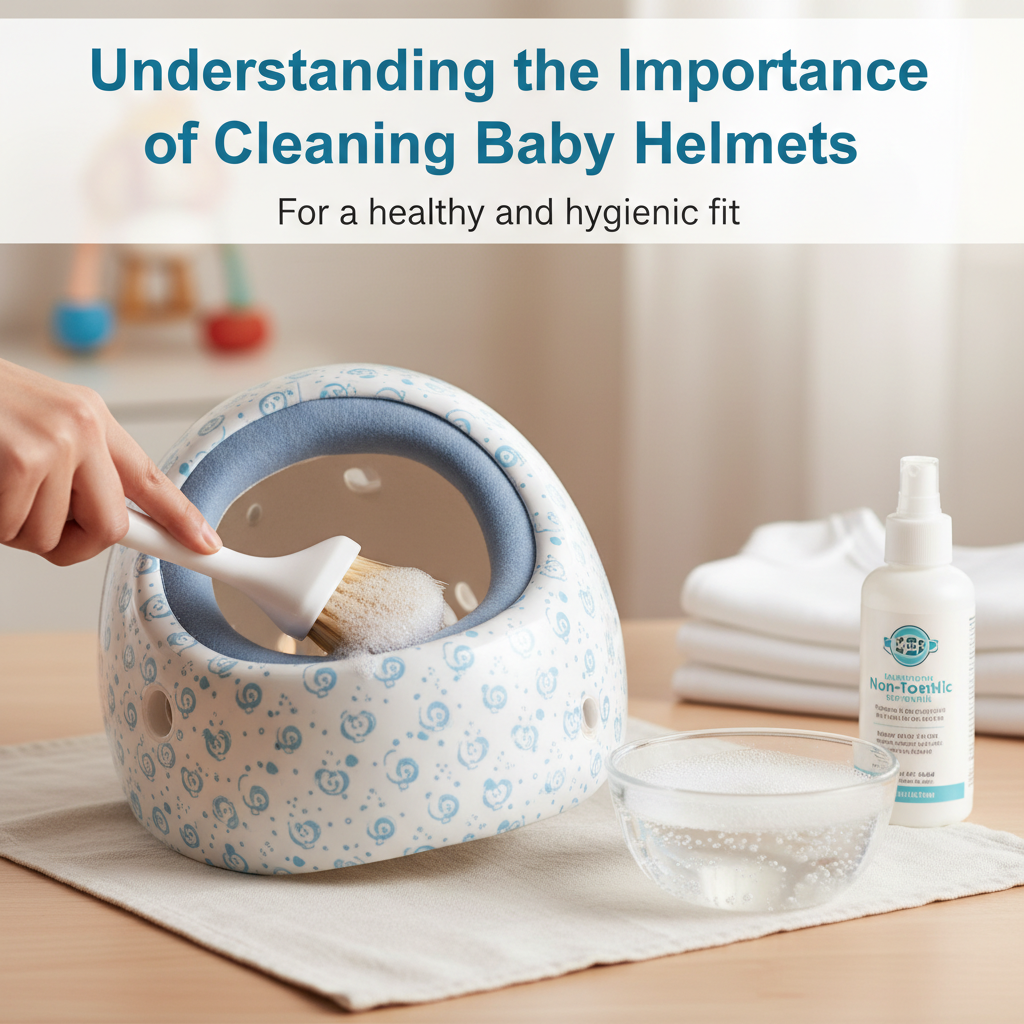
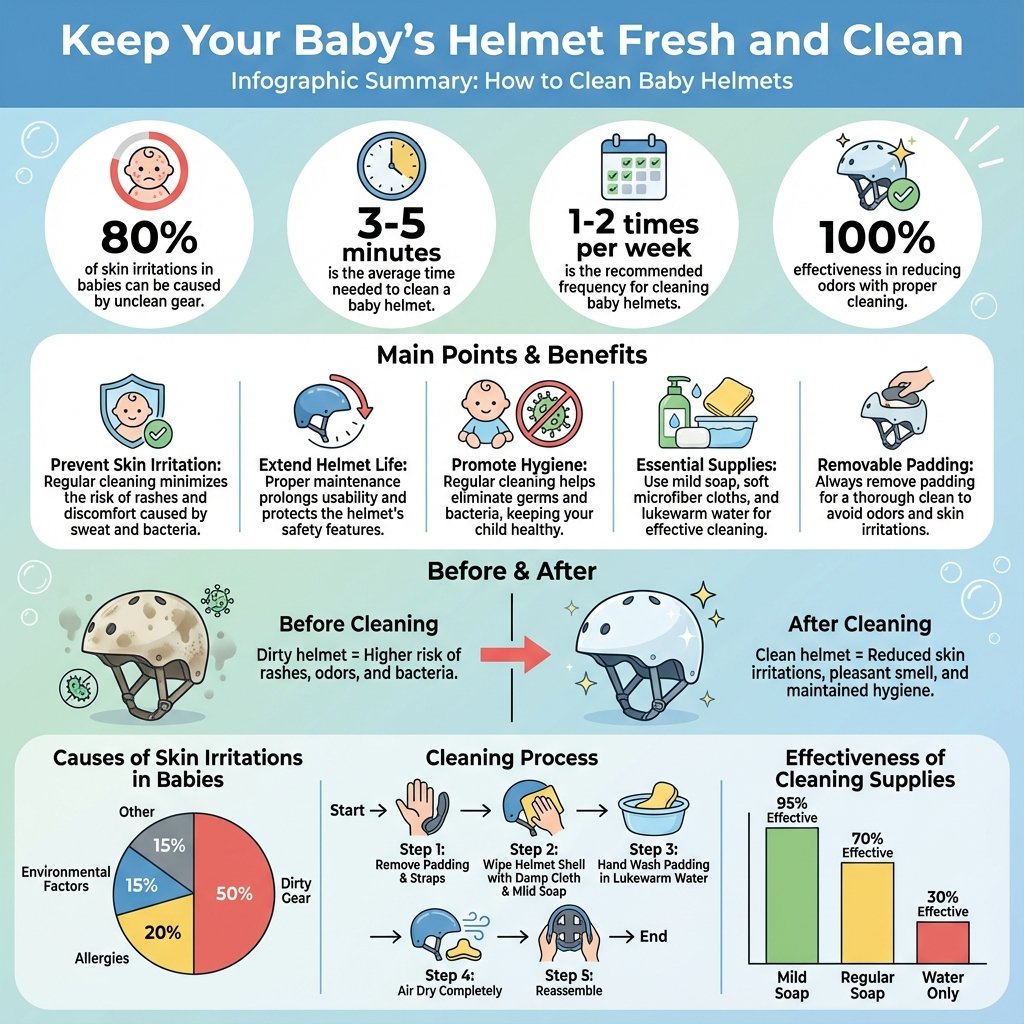
Regular cleaning of baby helmets serves multiple important purposes. Firstly, it prevents skin irritation. Babies can be prone to rashes and discomfort caused by sweat and bacteria that accumulate on the helmet during use. By maintaining cleanliness, you can significantly reduce the risk of these skin issues.
Secondly, proper care can extend the life of the helmet. Helmets are an investment in your child’s safety, and ensuring they are well-maintained can prolong their usability. A well-cared-for helmet is less likely to suffer from wear and tear, which can compromise its protective features.
Lastly, hygiene is a key factor in your child’s health. Baby gear is notorious for harboring germs, and a dirty helmet can lead to illnesses or infections. Regular cleaning helps to prevent the buildup of unwanted bacteria and ensures that the helmet remains a safe accessory for your little one.
What You Need for Cleaning
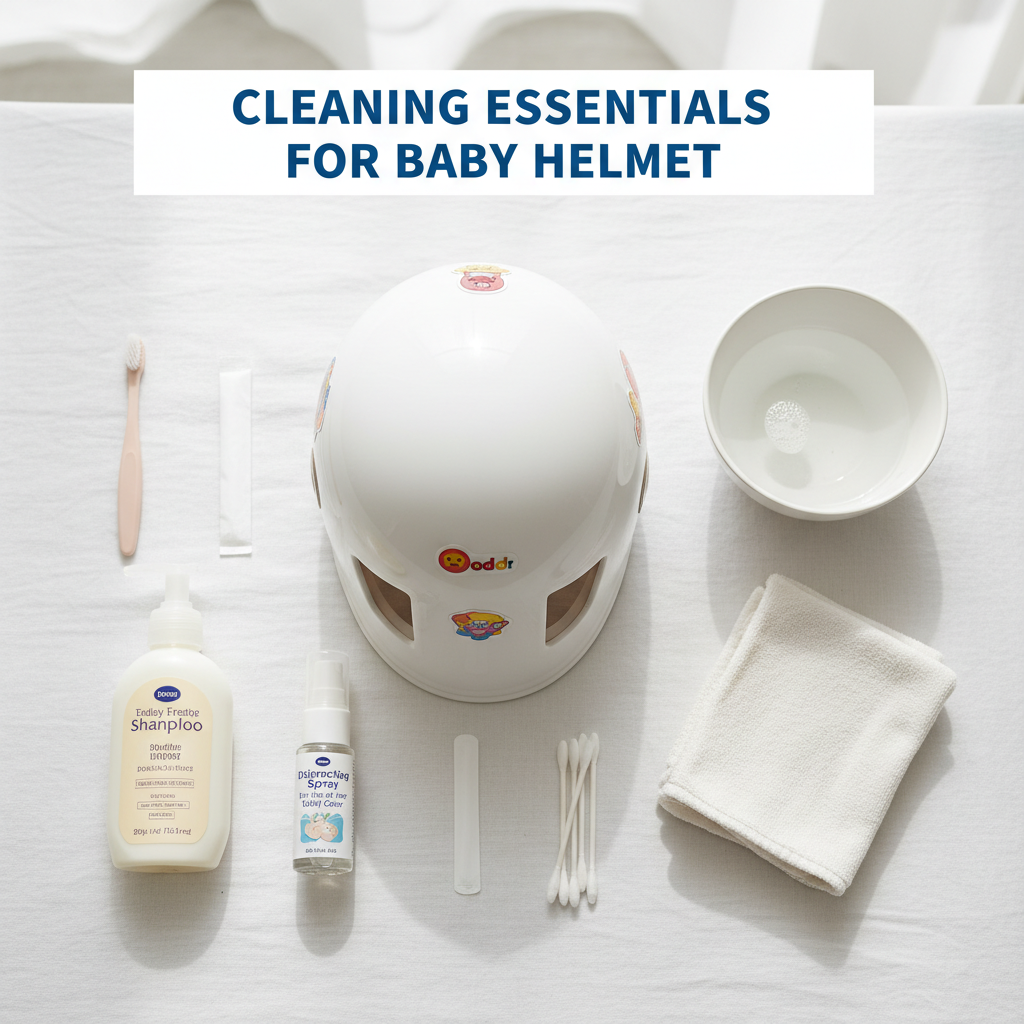
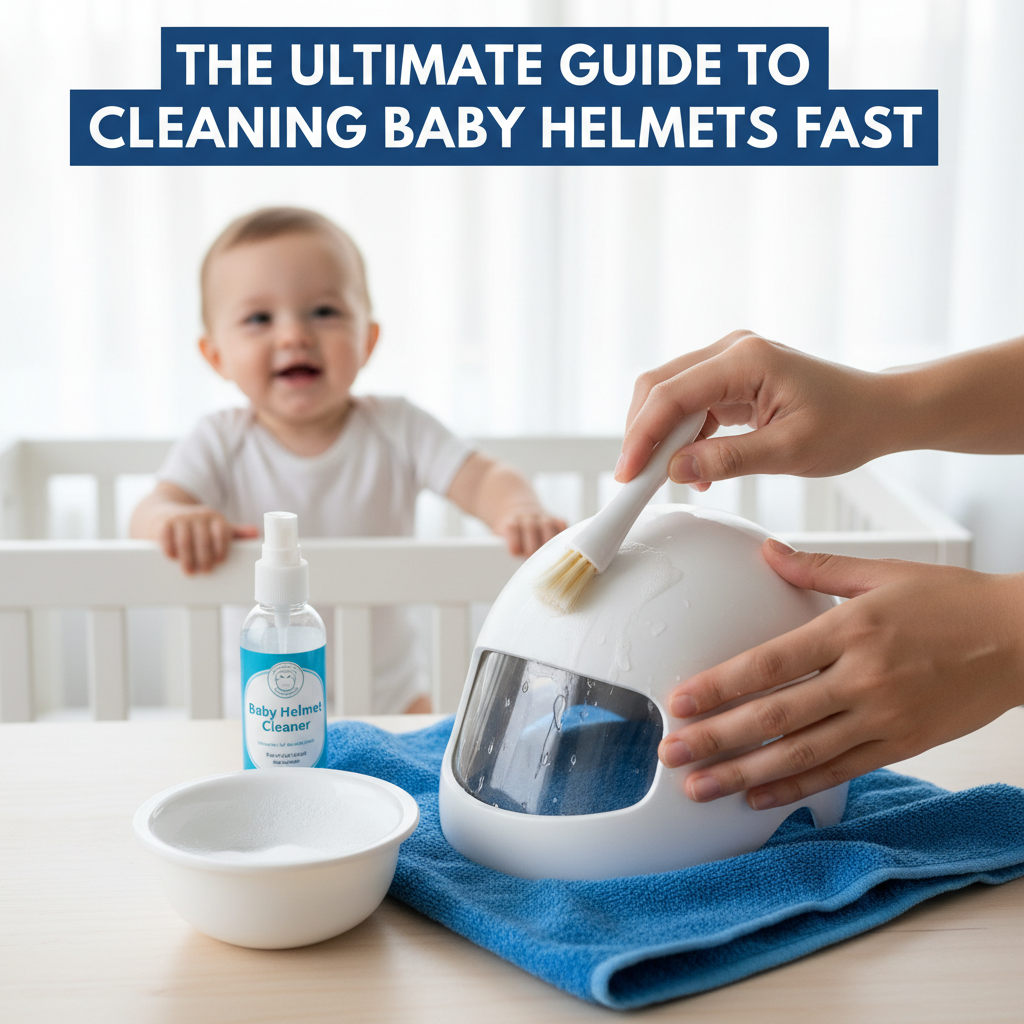
Before you begin the cleaning process, gather the necessary supplies to ensure a thorough and efficient cleaning experience.
– Mild soap: Choose a gentle, baby-safe soap that is free of harsh chemicals. Products designed specifically for babies are ideal, as they are formulated to be non-irritating to sensitive skin.
– Soft cloths: Microfiber cloths are the best choice for cleaning helmets as they are soft and effective at trapping dirt without scratching the surface. Avoid using paper towels or rough fabrics that could damage the helmet.
– Warm water: Using lukewarm water is essential for breaking down dirt and grime effectively. Cold water may not dissolve dirt as well, while hot water can potentially damage the materials of the helmet.
Having these items ready will streamline your cleaning process, making it quick and hassle-free.
Step-by-Step Cleaning Process
Cleaning your baby’s helmet can be broken down into several straightforward steps:
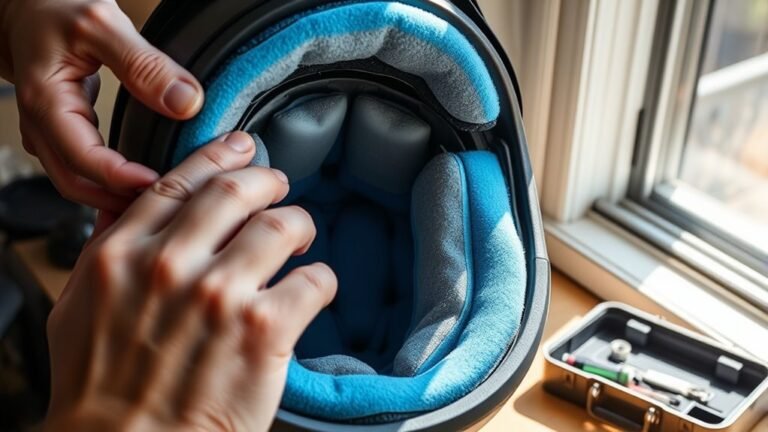
1. Remove the inner padding: Most baby helmets come equipped with removable padding. Carefully take out the padding to allow for a more thorough clean. This step is crucial because the padding often absorbs sweat and moisture, which can lead to odors and skin irritations.
2. Rinse with warm water: Begin the cleaning process by rinsing both the outer shell of the helmet and the inner padding with lukewarm water. This rinsing will help remove loose debris and prepare the surface for soap application.
3. Apply soap and scrub: Using a soft cloth, apply a small amount of mild soap to the cloth and gently scrub both the helmet and the padding. Pay special attention to any areas that appear particularly dirty or stained. For the padding, you may want to use a separate cloth to ensure that any soap residue is adequately rinsed away afterward.
4. Final rinse: After scrubbing, rinse both the helmet and padding thoroughly with clean, lukewarm water to remove all soap residues. It is essential to ensure that no soap remains, as this could irritate your baby’s skin upon the next use.
Drying and Storing the Helmet
The drying and storage of the helmet are equally as important as the cleaning process itself.
– Air dry: After cleaning, allow the helmet and its padding to air dry completely. This step is crucial to prevent mold growth, which can occur in moist environments. Place the helmet in a well-ventilated area, but avoid direct sunlight, which can warp the helmet material.
– Store properly: Once dry, store the helmet in a cool, dry place. Avoid areas with high humidity or extreme temperatures, as these can damage the helmet’s integrity. Additionally, ensure that it is kept away from direct sunlight, which can weaken the materials over time.
Common Mistakes to Avoid
While cleaning a baby helmet is straightforward, there are common pitfalls that parents should avoid to ensure the helmet’s longevity and effectiveness.
– Using harsh chemicals: Avoid bleach or strong cleaners that can degrade the helmet material. Always opt for products designed for baby gear to ensure their safety.
– Neglecting the padding: Remember that the inner padding is just as important as the helmet shell. Failing to clean it can lead to odors and discomfort for your baby.
– Over-soaking: Do not soak the helmet for extended periods, as this can weaken its structure. A quick rinse is sufficient for cleaning purposes.
By being aware of these common mistakes, you can ensure that your cleaning routine is both effective and safe.
When to Replace the Helmet
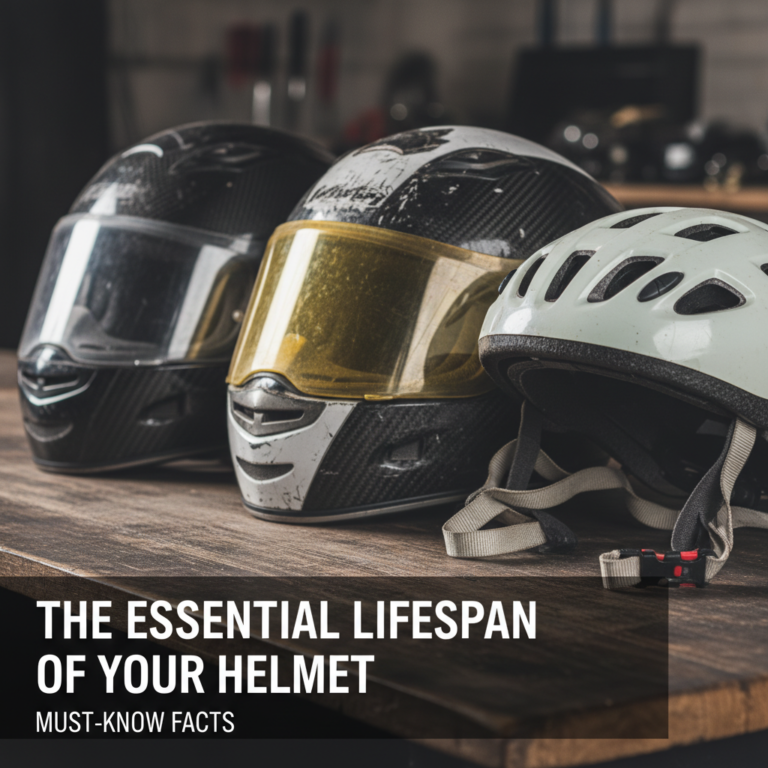
Even with regular cleaning, there are times when helmet replacement is necessary.
– Signs of wear: Inspect the helmet regularly for cracks or significant wear. If you notice any damage, it’s essential to replace the helmet, as it may compromise safety during use.
– Growth spurts: Babies grow quickly, and their helmets should fit snugly. If your baby has outgrown their helmet, it’s time to invest in a new one to ensure proper protection.
– After an incident: If the helmet has been involved in an accident or has taken a significant impact, it should be replaced immediately. Helmets are designed to absorb shock, and any compromise to its structure could lead to decreased effectiveness.
In conclusion, keeping your baby’s helmet clean is quick and crucial for their health and safety. By following these simple steps—understanding the importance of cleaning, utilizing the right materials, and avoiding common mistakes—you can ensure that your little one’s helmet stays in top shape. Regular maintenance not only promotes hygiene but also prolongs the life of the helmet, providing your child with the safest and most comfortable experience possible. Don’t wait—start cleaning today for a happier, healthier baby!
References
- https://www.cdc.gov/nceh/features/babysafety/index.html
- https://www.healthychildren.org/English/safety-prevention/Pages/Helmet-Safety.aspx
- https://www.aap.org/en-us/about-the-aap/aap-press-room/Pages/Helmet-Safety.aspx
- https://www.webmd.com/parenting/features/child-safety-helmets
- https://www.healthychildren.org/English/safety-prevention/at-home/Pages/How-to-Clean-Your-Childs-Helmet.aspx
- https://www.parents.com/toddlers-preschoolers/safety/helmet-safety-for-kids/
- https://www.nichd.nih.gov/health/topics/headinjury/conditioninfo/prevention
- https://www.safekids.org/
- https://www.cpsc.gov/Safety-Education/Safety-Guides/Helmet-Safety
- https://www.nhlbi.nih.gov/health-topics/helmet-safety