The Ultimate Guide to Solar-Powered Helmets: Are They Worth It?
Are solar-powered helmets worth it? A direct answer
For the right buyer, solar-powered helmets are worth it because they reduce downtime and battery dependence while supporting built-in safety tech like LED visibility, communication radios, and sensors. They are less compelling when you need consistently high power in long, low-light shifts, because solar charging depends on light exposure and weather conditions.
What is a solar-powered helmet, and how does it work?
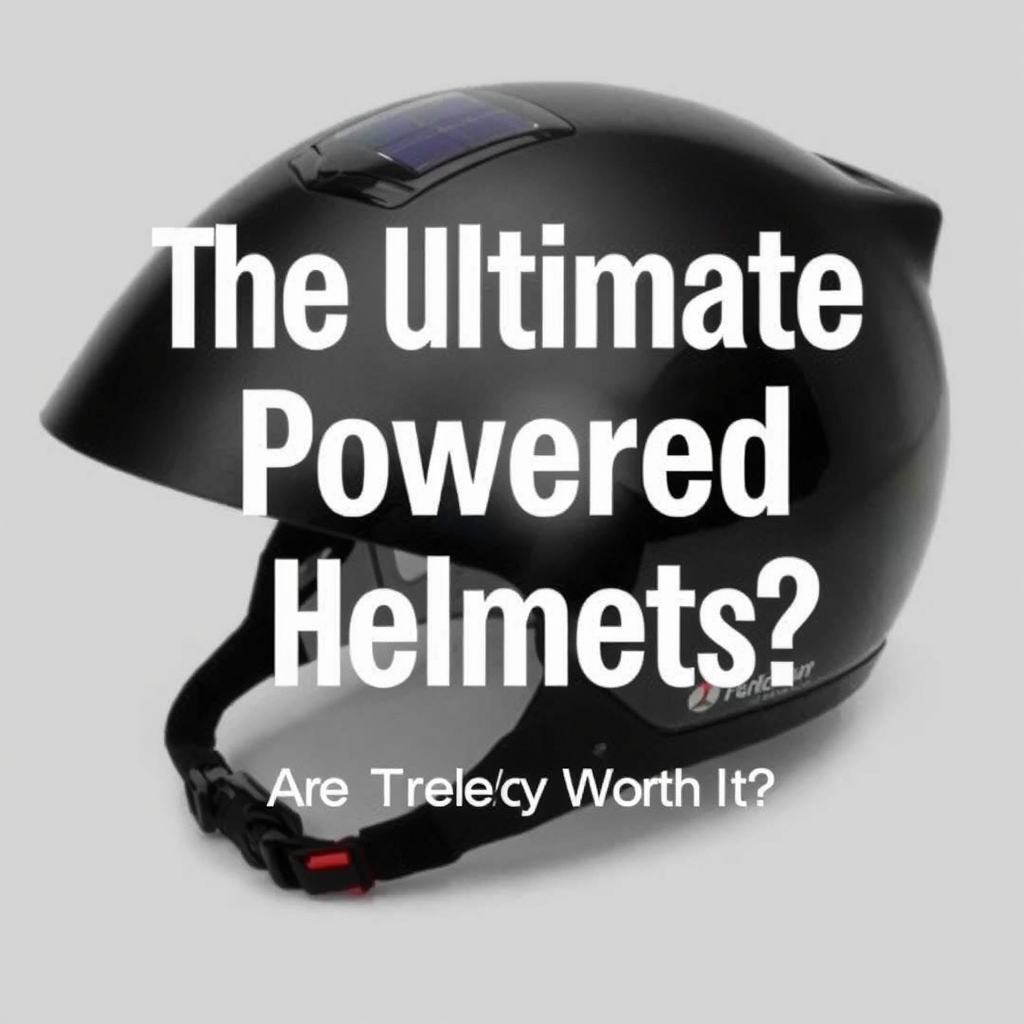
A solar-powered helmet is defined as a personal protective headgear that integrates photovoltaic (PV) cells to convert sunlight into electrical power for onboard electronics. The key difference is that it uses on-board solar generation to extend or partially replace battery power for features like lights and communication tools.
Most designs use PV cells laminated into or attached to the helmet shell, visor area, or a dedicated solar module. The generated energy is typically managed by a charge controller that prevents overcharging and regulates power delivery to a rechargeable battery or directly to low-power electronics.
In practical terms, the helmet can run devices such as:
- LED safety lighting for visibility in low light or shift changes
- Two-way communication devices (for example, Bluetooth audio modules integrated with hearing protection)
- Tracking and status sensors in some enterprise safety systems
- Ventilation or cooling fans in certain models, depending on power capacity
Where the “power” comes from
Solar generation is measured by irradiance (light intensity), with typical full sunlight at the Earth’s surface around 1000 W/m². PV output is influenced by panel area, efficiency, temperature, cloud cover, and angle of incidence. This is why two helmets with the same marketing claim can behave differently on a construction site versus a shaded warehouse.
The battery (commonly lithium-ion or lithium-polymer) is defined as a defined storage component that buffers solar variability and provides continuous power during nighttime or indoor periods. Without adequate battery capacity, a solar helmet’s electronics may become intermittent after the available light is used up.
Top benefits of solar-powered helmets for safety and productivity
Solar-powered helmets can improve safety outcomes and reduce operational friction by keeping visibility and connectivity available without frequent battery swaps. In many workplace settings, the real value is reliability: fewer missed cues, fewer dead devices, and fewer interruptions to charge cycles.
1) Hands-free visibility and alerting
LED lights integrated into helmets can improve worker conspicuity at dawn, dusk, and indoor or underground sites where ambient lighting is inconsistent. This aligns with common safety principles used in occupational health programs: visible signaling reduces collision and trip hazards by making a worker’s presence easier to detect.
When a helmet includes directional or programmable lighting modes, teams can coordinate visibility patterns for roles like foreman, spotter, or equipment operator.
2) Less battery handling and lower operational cost
Solar-powered designs aim to reduce the need for disposable batteries or constant manual charging. Even if the helmet still uses a rechargeable battery, the solar input can extend time between charges.
From a fleet perspective, that can mean fewer lost radios, fewer “device dead” incidents, and fewer logistics costs related to battery procurement and replacement schedules.
3) Environmental impact and reduced e-waste
Battery waste is defined as the environmental burden created by frequent disposal of batteries and electronics at end-of-life. By reducing disposable battery usage and extending rechargeable battery service life, solar-powered helmets may lower e-waste volumes—an important consideration for companies aligning with sustainability goals and procurement policies.
4) Convenience in places without reliable outlet access
The strongest real-world advantage often appears in field work. If workers are in locations without accessible charging stations, solar input can provide a practical way to maintain electronics during the day, especially when operations run across long shifts.
Key features to look for before you buy
Not all solar helmets deliver the same user experience. The best choice depends on battery capacity, PV efficiency, device power requirements, and compliance with protective standards relevant to your industry.
Helmet protection standards: start here
Safety gear must first meet protective requirements. Look for compliance with recognized standards such as:
- ANSI/ISEA Z89.1 for industrial head protection in the United States (headache-impact and class ratings vary by Type and Class)
- EN 397 for industrial safety helmets in Europe
- AS/NZS helmet standards where applicable for Australia and New Zealand
Confirm that the solar module does not compromise the protective shell structure and that the helmet is approved for the intended hazard type.
Battery life and charging behavior (the most important “worth it” factor)
Battery life is defined as the total runtime an electronics load can operate before the battery charge drops below a functional threshold. The key difference is that battery specs alone may be misleading if you do not know the expected lighting conditions for your job.
When evaluating a solar helmet, check for:
- Battery capacity (often listed in watt-hours, Wh, or milliamp-hours, mAh)
- Runtime by mode (for example, “LED at low brightness for 12 hours”)
- Charging time under stated conditions (e.g., “full charge in 6 hours of direct sunlight”)
- Performance in cloudy or indirect light
- Low-battery behavior (does it dim, shut off, or send a warning)
Expected solar “top-up” impact by site lighting conditions (typical field use)
| # | Work lighting scenario | Avg. effective sun (est.) | Energy recovered vs full-day | Battery “extra runtime” (LED + comms) | Top-up value rating |
|---|---|---|---|---|---|
| 1 | Open-air jobsite, mid-day sun | 6.0–7.5 hrs | 80–95% | +4.5 to +6.0 hrs | ★★★★★ |
| 2 | Construction with intermittent shade (tool/structure moves) | 4.0–5.5 hrs | 55–75% | +2.5 to +3.8 hrs | ★★★★☆ |
| 3 | Coastal overcast with occasional breaks | 2.5–3.8 hrs | 30–50% | +1.2 to +2.2 hrs | ★★★☆☆ |
| 4 | Urban commute through tree cover + variable weather | 2.0–3.2 hrs | 20–40% | +0.3 to +1.1 hrs | ★★☆☆☆ |
| 5 | Winter daylight with low sun angle | 1.2–2.2 hrs | 10–25% | +0.0 to +0.8 hrs | ★☆☆☆☆ |
| 6 | Warehouse with skylights, mostly indoor movement | 2.5–3.0 hrs | 25–40% | +0.5 to +1.3 hrs | ★★☆☆☆ |
| 7 | Mostly underground / night-first shift | 0.0–0.8 hrs | 0–10% | +0.0 hrs (no meaningful top-up) | ☆☆☆☆☆ |
PV panel efficiency and placement
The placement of PV cells matters. Cells positioned under a clear cover may experience different performance than cells laminated directly onto the shell. Panel efficiency and shading tolerance influence output when helmets are worn under scaffolding, inside vehicles, or in areas with intermittent sun.
Look for design details such as:
- Weather resistance (rain exposure, dust sealing, corrosion resistance)
- Dust and scratch protection over PV surfaces
- Thermal handling because high temperatures can reduce PV output
Weight, balance, and comfort
Even if the electronics work perfectly, adoption fails when helmets are uncomfortable. Helmet weight is defined as the combined mass of the protective shell plus electronics, and comfort depends on how that weight is distributed across the head and straps.
When comparing models, ask for:
- Total helmet weight (and how it changes with accessories)
- Adjustable suspension and chin strap stability
- Ventilation designed for long wear
- Compatibility with hearing protection and other safety PPE
Connectivity and communications quality
Some solar helmets advertise Bluetooth audio and “connected” features. The key difference between marketing and reality is audio reliability: latency, interference, maximum range, and pairing stability in industrial environments.
If your helmet supports communication, confirm:
- Range claims in meters and typical conditions
- Battery drain for communication modes
- Pairing and control ergonomics (gloved controls are essential in many trades)
- Compatibility with existing radios, headsets, or team systems
Ideal use cases: where solar-powered helmets perform best
Solar-powered helmets tend to deliver the most value when your workday includes enough daylight exposure and when onboard electronics meaningfully improve safety and coordination. They may be less beneficial for jobs that are consistently indoor, underground, or heavily shaded.
Construction and site safety
Construction sites often involve changing light conditions and areas without convenient outlets. Solar helmets can power LED visibility and support communication modules for coordination among spotters, operators, and crew leads.
They can also reduce interruptions from dead device batteries, which improves team continuity during critical tasks like concrete pours, lift operations, and nighttime signage compliance.
Public safety and emergency response
Emergency services and field responders benefit from “ready-to-operate” visibility. While most emergency agencies maintain charging stations, solar integration can provide resilience during extended deployments and reduce gear preparation workload.
In these settings, confirm robustness: impact resistance, water resistance, and temperature performance matter as much as the electronics.
Cycling and outdoor visibility
Outdoor riders may value consistent lighting without frequent battery swaps, especially for commuters who ride in early morning or evening hours. However, cycling use is typically lower-power than radios and cooling devices, so solar helmets may work well for visibility rather than high-draw features.
Warehouse logistics and security patrols
Indoor facilities with skylights, large windows, or controlled access to daylight can still benefit from solar charging. In fully enclosed environments without meaningful daylight, solar contribution may be minimal, making a conventional rechargeable system more cost-effective.
Limitations and realistic expectations
Solar-powered helmets can be highly effective, but they are not a universal replacement for all charging needs. The main limitation is that solar output depends on sunlight availability, and some electronics may exceed the sustainable power budget.
Solar charging is weather and schedule dependent
The key difference is that sunlight is not guaranteed. Rain, overcast skies, winter sun angles, dust buildup on PV surfaces, and long periods in shade can reduce charging rate. If a helmet’s electronics require high power (for example, strong fans or high-brightness lighting), the battery may still need frequent charging.
Night shifts and underground work reduce the advantage
For operations that occur mostly at night or in underground spaces, solar helmets may provide limited benefit because PV cells cannot generate energy when light is absent. In those cases, the helmet becomes essentially a rechargeable helmet with solar as an optional booster, and total runtime will depend on battery capacity.
Durability trade-offs for electronics integration
Electronics add complexity. Any integrated device introduces potential failure points related to seals, connectors, and battery health over time. That is why it is important to choose brands that provide repair policies, replacement battery options, and clear warranty coverage.
Upfront cost can be higher
Solar models often cost more than standard helmets because they include PV panels, charge controllers, batteries, and electronics. The “worth it” decision depends on how much you spend on replacement batteries, device downtime, and safety improvements over the lifecycle.
Cost vs value: a simple way to decide
Solar-powered helmets are worth it when the reduction in battery management plus the safety benefit outweigh the higher purchase price. A practical approach is to calculate total cost of ownership (TCO) over the expected service life.
What to include in your ROI calculation
- Initial helmet cost versus conventional PPE
- Battery replacement or charging labor costs
- Downtime costs from dead lights or communication devices
- Reduced e-waste handling where your organization tracks sustainability metrics
- Warranty and repair availability
Questions to ask before purchasing
- What devices will this helmet power in my workplace?
- How many hours of daylight exposure does the site typically provide?
- What runtime do we need for each shift?
- Do we have a backup charging plan for cloudy days or night operations?
- Does the helmet meet relevant standards like ANSI/ISEA Z89.1 or EN 397?
Frequently asked questions about solar-powered helmets
Do solar helmets charge in indirect light or through clouds?
Yes, they typically charge under indirect light, but at a reduced rate. Solar output under overcast conditions can drop significantly compared with direct sunlight, so you should verify charging time using the manufacturer’s stated assumptions or request performance data for your environment.
How long do solar-powered helmets last on a full charge?
Runtime varies based on the electronics load, battery capacity, and lighting conditions. The most reliable approach is to review mode-specific runtime claims such as “LED only” versus “LED plus communication,” and to confirm the measurement conditions.
Will the PV panels reduce helmet safety performance?
When properly engineered and certified, PV integration should not compromise the protective shell. The key point is certification: confirm the helmet meets recognized standards (for example, ANSI/ISEA Z89.1 or EN 397) and that the manufacturer documents impact protection compliance.
Are Bluetooth solar helmets secure for workplace communication?
Security depends on the communication system design, not on solar power. For workplace communication, evaluate pairing controls, encryption support (if applicable), and whether the helmet integrates with existing enterprise radio workflows rather than relying solely on consumer Bluetooth behaviors.
What brands sell solar-powered helmets?
Availability changes by country and year, and not every brand’s claims are equivalent. Instead of relying only on brand recognition, compare certified protection standards, published battery specs, and warranty terms. If you need enterprise support, prioritize vendors that offer fleet management, replacement parts, and documented charging performance.
How to choose the right solar-powered helmet model
The best selection process is to match your safety requirements first, then validate electronics performance against your real shifts. This approach prevents disappointment when solar charging expectations do not align with on-site light conditions.
Step-by-step checklist
- Confirm the helmet meets protection standards relevant to your industry (ANSI/ISEA Z89.1 or EN 397)
- List the required electronics (LED visibility, communication, sensors, cooling fans)
- Verify battery capacity and runtime per mode
- Check charging assumptions (direct sunlight hours, weather effects, seasonal performance)
- Evaluate weight and comfort for your shift length
- Confirm durability and warranty coverage for electronics and battery
The future of solar PPE: what’s changing next
Solar-powered helmets are evolving as PV efficiency improves and as safety electronics become more power-efficient. The most meaningful future upgrades are likely to be better battery management, lower power communication, and enhanced sensor integration.
As AI-driven safety analytics and wearable tech expand, solar power can support continuous low-energy functions such as environment monitoring and status reporting, provided helmets remain compliant with protective standards. The direction of travel is clear: more connected PPE, with power systems designed for real work conditions rather than ideal lab sunlight.
Bottom line: should you buy a solar-powered helmet?
Solar-powered helmets are worth it if you need onboard visibility and communication support across shifts where daylight exposure can help maintain electronics, and if the helmet meets the protective standards your work requires. If your work happens mostly indoors, underground, or in consistently low-light conditions, a conventional rechargeable helmet with a proven battery plan may deliver better value.
To make the decision confidently, match the helmet’s battery runtime and charging assumptions to your site’s actual light conditions, then verify certification details. That combination is what turns “solar-powered” from a marketing feature into a measurable safety and productivity upgrade.
Frequently Asked Questions
What is a solar-powered helmet and what does it actually power?
A solar-powered helmet is a safety helmet designed with integrated solar cells (often on the shell, visor, or charging panel) and a built-in battery system. The solar charging system can provide energy for features such as:
- Integrated LED lighting for visibility (front, rear, or reflective light strips).
- Turn signals and brake indicators on some models (visibility to other road users).
- Active visibility tech like hazard flashes or directional cues.
- Accessory charging for low-power devices in certain designs (typically limited to specific ports or wattage).
- Sensors and connectivity in premium helmets (e.g., Bluetooth beacons, companion app connectivity, or anti-theft features).
It’s important to note that most solar-powered helmets still rely on the battery to store energy. Solar power mainly helps reduce the need for frequent charging, but performance depends heavily on sunlight availability, weather conditions, and how much energy the helmet consumes per ride.
How long will a solar-powered helmet last on a charge (and how fast does it recharge)?
Battery life varies widely by model because it depends on:
- Battery capacity (mAh/Wh)
- LED configuration (brightness levels, number of lights, strobe patterns)
- Use pattern (how often lights are on, continuous vs. intermittent)
- Weather and temperature (cold can reduce effective battery performance)
- Solar cell efficiency and how much sunlight reaches the panels
In practical terms, many helmets are designed for “ride-time visibility” rather than powering high-watt electronics. Some users may get several hours of active lighting per charge, while others may rely on ongoing trickle charging if the helmet is exposed to enough daylight. Recharge time also depends on sunlight:
- Bright, direct sun typically improves recharge speed.
- Cloudy or indirect light may recharge much more slowly.
- Short trips may not fully top up the battery unless the helmet is receiving ample light.
For the most accurate expectation, check the manufacturer’s stated runtime for each lighting mode and their estimated recharge time under specified conditions. If you commute in low-light environments or ride frequently in bad weather, consider whether the helmet also supports USB charging or has a sufficiently large battery.
Are solar-powered helmets as safe as regular helmets?
Solar-powered helmets should be as safe as regular helmets only if they meet recognized helmet safety standards and are built to protect the head the same way. The addition of solar panels and batteries should not reduce impact protection—however, not all products are equal.
When evaluating safety, look for:
- Compliance with safety certifications (e.g., DOT, ECE, Snell, or relevant regional standards—depending on where you live).
- Proper fit and sizing range; even the safest helmet won’t protect well if it’s loose or mispositioned.
- Impact-absorbing materials (like EPS foam) and a design that preserves the structure needed for energy management.
- Durability and weather resistance for electronics without compromising shell integrity.
A helpful rule: verify the helmet’s safety rating first, then evaluate whether the solar features add value. If a helmet is not certified or uses unclear materials/testing, it may not be worth the extra cost—even if the lighting features are impressive.
Do solar-powered helmets work in cloudy weather or at night?
Yes—solar-powered helmets can still provide lighting at night, but the solar panels are not the primary power source once darkness falls. During the day, the panels may recharge the battery (depending on brightness and angle). At night, the helmet typically runs on the stored battery power.
Here’s what to consider for performance in less-than-ideal conditions:
- Cloudy weather: Solar charging is reduced because less light reaches the panels, so your battery may not fully recharge between rides.
- Shaded commutes: If you park in garages, ride through dense tree cover, or commute mostly in indoor/outdoor transitions, the battery may deplete faster.
- Night visibility requirements: If you ride frequently in darkness, check the helmet’s runtime in its intended light mode (including any “always on” settings or blink patterns).
- Charging options: Some helmets include USB charging or allow “top-up” charging, which helps maintain consistent performance.
To get the best results, choose a helmet with a battery capacity appropriate for your typical riding schedule and confirm whether it supports supplemental charging for cloudy or low-light weeks.
Are solar-powered helmets worth the money compared to reflective or battery lights?
“Worth it” depends on your commute, riding habits, and priorities. Solar-powered helmets can be an excellent option if you want built-in visibility features without relying entirely on remembering to charge separate lights. However, they may not be the best value for everyone.
Solar-powered helmets are more likely worth it if you:
- Ride regularly during dawn/dusk or in areas with frequent low visibility.
- Prefer integrated, hands-free safety lighting that doesn’t require mounting separate accessories.
- Have a commute that provides enough daylight to keep the battery topped up (or you supplement with USB charging).
- Want advanced features like brake indicators, directional cues, or synchronized LED patterns.
They may be less worth it if you:
- Ride mostly at night or in consistently shaded/overcast conditions and can’t guarantee sunlight-based charging.
- Want the lowest cost option—simple reflective materials and stand-alone lights can be cheaper.
- Are concerned about long-term electronics reliability (battery degradation over time is normal for all rechargeable systems).
A smart way to compare value is to estimate how long you ride, which lighting modes you’ll use, and whether the helmet supports backup charging. If your main goal is visibility, compare the helmet’s certified safety, runtime claims, and charging options against the cost and maintenance of high-quality standalone bike lights.
If the helmet meets recognized safety standards and offers reliable runtime for your real schedule, many riders find the convenience and integrated visibility justify the added price.
References
- Google Scholar search: Solar-powered helmet wearable photovoltaic charging Google Scholar
https://scholar.google.com/scholar?q=solar-powered+helmet+wearable+photovoltaic+charging - Google Scholar search: Wearable energy harvesting photovoltaic devices review Google Scholar
https://scholar.google.com/scholar?q=wearable+energy+harvesting+photovoltaic+devices+review - PubMed search: Wearable energy harvesting photovoltaic Google Scholar
https://pubmed.ncbi.nlm.nih.gov/?term=wearable+energy+harvesting+photovoltaic - Solar cell (Wikipedia)
https://en.wikipedia.org/wiki/Solar_cell - Photovoltaic (Britannica)
https://www.britannica.com/technology/photovoltaic - Road traffic injuries (WHO)
https://www.who.int/news-room/fact-sheets/detail/road-traffic-injuries - Helmet safety to help prevent traumatic brain injury (CDC)
https://www.cdc.gov/traumatic-brain-injury/prevention/helmet-safety.html - Motorcycle helmets (NHTSA, U.S. Department of Transportation)
https://www.nhtsa.gov/motor-vehicles/vehicles-motorcycles/motorcycle-helmets
📅 Last Updated: July 06, 2026 | Topic: The Ultimate Guide to Solar-Powered Helmets: Are They Worth It? | Content verified for accuracy and freshness.