The Ultimate Must-Know Guide to Fitting a Rider’s Helmet
To fit a helmet on your horse rider correctly, ensure that it sits snugly at the front of the head, covering the forehead, and is level all around. It should be adjusted so that it doesn’t move when you shake the rider’s head gently. Following these steps will ensure safety and comfort for the rider. A properly fitted helmet is not just about compliance with safety standards; it’s about providing peace of mind and enhancing the riding experience. This guide will walk you through the essential steps to achieve the perfect fit, ensuring optimal protection for every ride.
Understanding Helmet Types
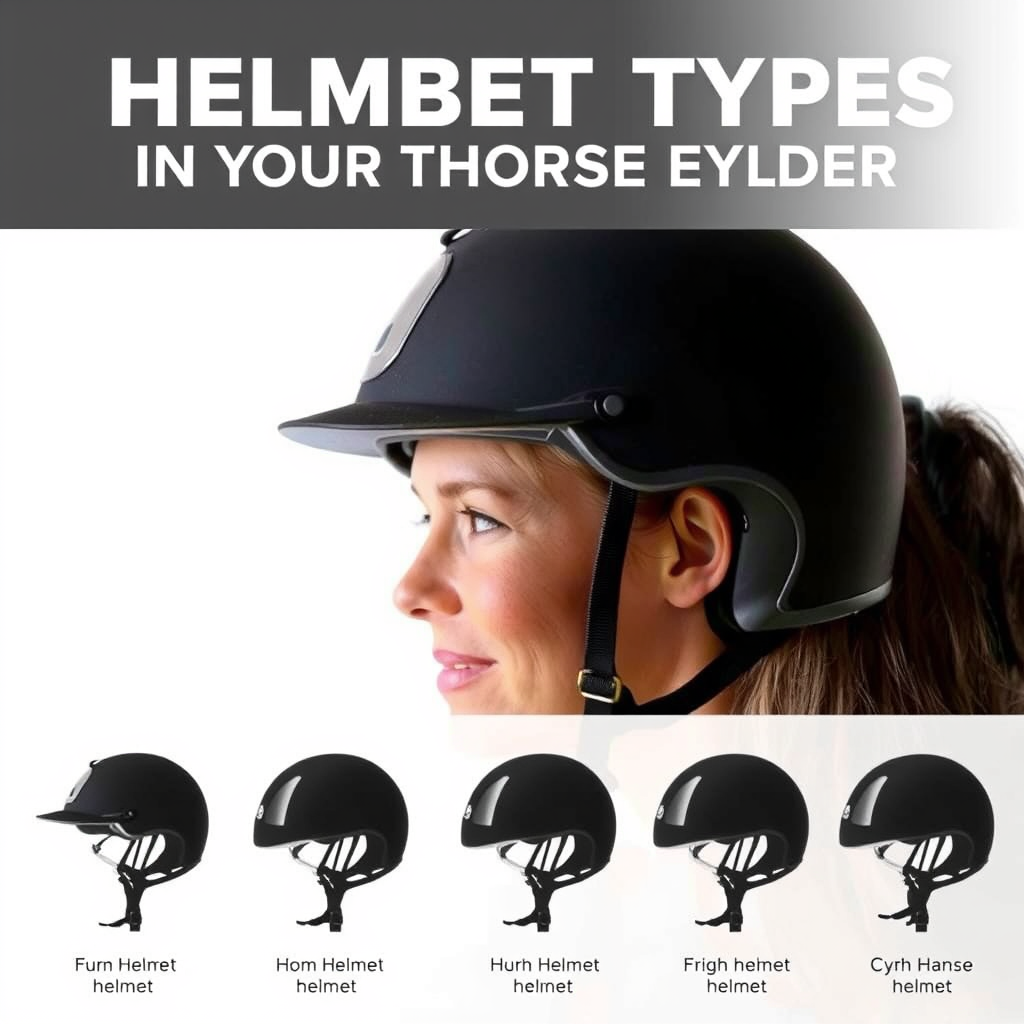
Different riding disciplines may require specific helmet designs, each tailored to meet the unique needs of the sport. For instance, show jumping helmets often come with a sleek design and enhanced ventilation, while trail riding helmets may focus more on comfort and durability. Other types include eventing helmets, which blend safety features with style, and western riding helmets, which may have a wider brim for sun protection. Each helmet type carries safety ratings that indicate their level of protection under various conditions, such as impact resistance and penetration tests. Familiarizing yourself with these features will help you choose a helmet that not only matches the rider’s style but also meets the safety requirements of their specific discipline.
Measuring Head Size
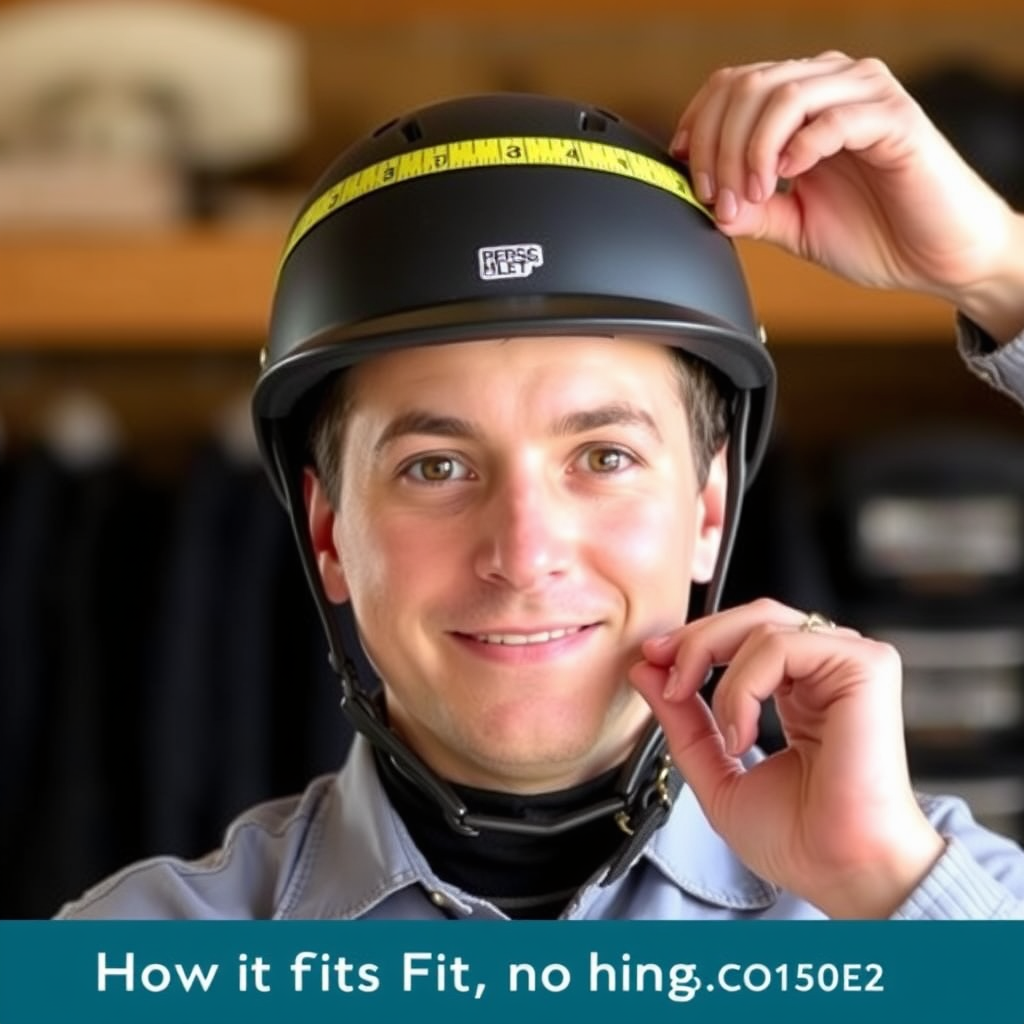
To select the correct helmet size, precise measurement of the rider’s head is essential. Use a flexible measuring tape and wrap it around the widest part of the head, typically just above the eyebrows and ears. Make sure the tape is snug but not too tight. Record the measurement in centimeters or inches, as most manufacturers provide sizing charts based on these metrics. Keep in mind that head sizes can vary significantly, so it’s advisable to measure every rider, especially if they are new to riding or haven’t fitted a helmet in a while. This initial step is crucial; an ill-fitting helmet can compromise safety and comfort.
Adjusting the Helmet Fit

Once you have the right helmet size, the next step is adjusting it for a snug fit. Many modern helmets come equipped with an internal adjustment system, which may include a dial or a chin strap that can be tightened or loosened. To achieve a proper fit, place the helmet on the rider’s head and adjust it so it sits comfortably above the eyebrows, covering the forehead. The helmet should be level all around, not tilting forward or backward. After adjusting, secure the chin strap. It should be snug enough that it doesn’t slide off but comfortable enough to allow for easy breathing and talking. A well-adjusted helmet significantly reduces the risk of movement during rides and enhances overall safety.
Testing the Fit
After adjusting the helmet, it’s crucial to test its fit to ensure it meets safety and comfort criteria. Perform the shake test: gently shake the rider’s head from side to side and front to back. The helmet should remain stable and not shift excessively. Next, ask the rider to nod their head. If the helmet moves significantly during this test, it indicates that further adjustments are needed. An ideal fit should allow the rider to feel secure without any uncomfortable pressure points. Remember, comfort is just as important as safety; a helmet that feels good is more likely to be worn correctly and consistently.
Maintenance and Care

Maintaining a rider’s helmet is vital for ensuring its longevity and effectiveness. Regularly check the helmet for any signs of wear, such as cracks, dents, or frayed straps, which could compromise its integrity. Cleaning procedures are equally important; use a damp cloth to wipe the outer shell and avoid using harsh chemicals that can damage the material. The interior padding can be cleaned according to the manufacturer’s guidelines, usually involving gentle hand washing. Proper storage is also essential; avoid leaving the helmet in direct sunlight or extreme temperatures, which could weaken the materials over time. By taking these steps, you can prolong the life of the helmet and ensure it remains safe for use.
Safety Standards to Consider

When selecting a helmet, it is crucial to familiarize yourself with various safety certifications, such as ASTM (American Society for Testing and Materials) and SEI (Safety Equipment Institute). These certifications indicate that the helmet has undergone rigorous testing and meets specific safety standards. It is essential to choose a helmet that complies with these standards to ensure maximum protection. Furthermore, helmets should be replaced after a significant impact, even if there are no visible signs of damage. The materials used in helmets can degrade over time, making regular inspections and timely replacements critical for rider safety.
Common Fitting Mistakes

One of the most prevalent mistakes when fitting a helmet is choosing one based solely on style or brand rather than the rider’s specific measurements and needs. While aesthetics are important, they should not outweigh safety considerations. Additionally, improperly adjusted chin straps or internal padding can lead to an insecure fit. Riders often overlook the importance of ensuring that the helmet sits correctly on the head, which can lead to discomfort and even accidents. Always prioritize the fit over fashion, and encourage riders to be vigilant about their helmet adjustments before each ride.
Fitting a helmet correctly is crucial for the safety of your horse rider. By following these essential steps and being mindful of common mistakes, you can ensure that your rider is well-protected while enjoying their time in the saddle. Understanding helmet types, measuring head size accurately, adjusting the fit, testing it thoroughly, maintaining the helmet, adhering to safety standards, and avoiding common fitting mistakes are all vital components of helmet safety. Don’t skimp on safety—make sure the helmet fits perfectly!
References
- https://www.cpsc.gov/Safety-Education/Safety-Guides/Helmets
- https://www.helmets.org/
- https://www.nhtsa.gov/road-safety/motorcycle-safety
- https://www.cdc.gov/headsup/basics/helmet.html
- https://www.ama-cycle.org/
- https://www.aap.org/en-us/Documents/helmet_safety.pdf
- https://www.nsc.org/home-safety/tools-resources/seasonal-safety/summer/motorcycle-safety
- https://www.nhtsa.gov/road-safety/motorcycle-safety
- https://www.healthychildren.org/English/safety-prevention/at-home/Pages/Helmet-Safety.aspx