The Ultimate Secret to Washing Helmet Pads Effectively
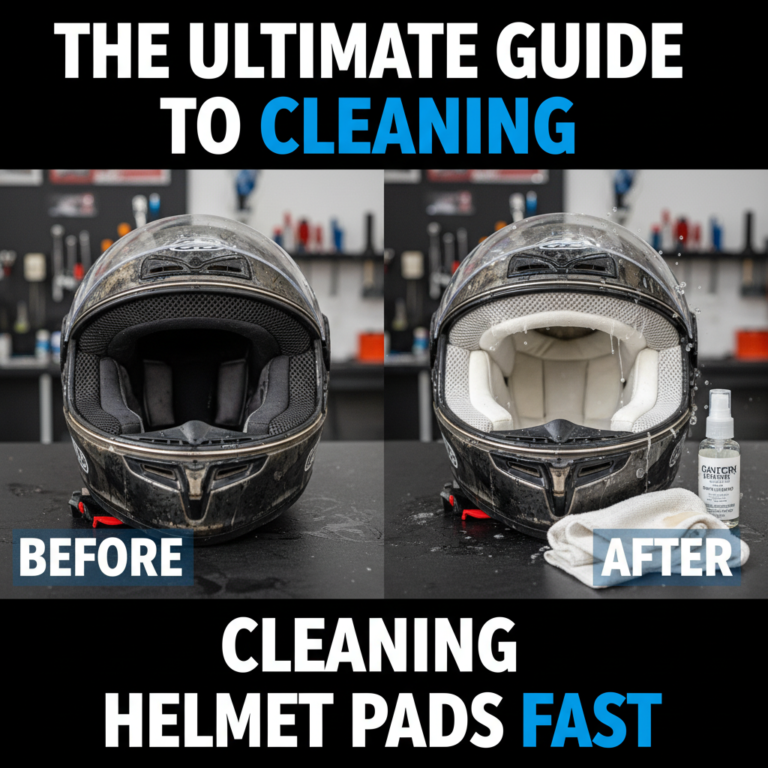
To wash helmet pads effectively, start by removing them from the helmet and checking the manufacturer’s care instructions. This foundational step ensures that you utilize the appropriate cleaning method, safeguarding the integrity of the pads while promoting hygiene. In this article, we’ll explore essential steps and tips to keep your helmet pads fresh and hygienic, ensuring you get the most out of your protective gear.
Why Clean Your Helmet Pads?
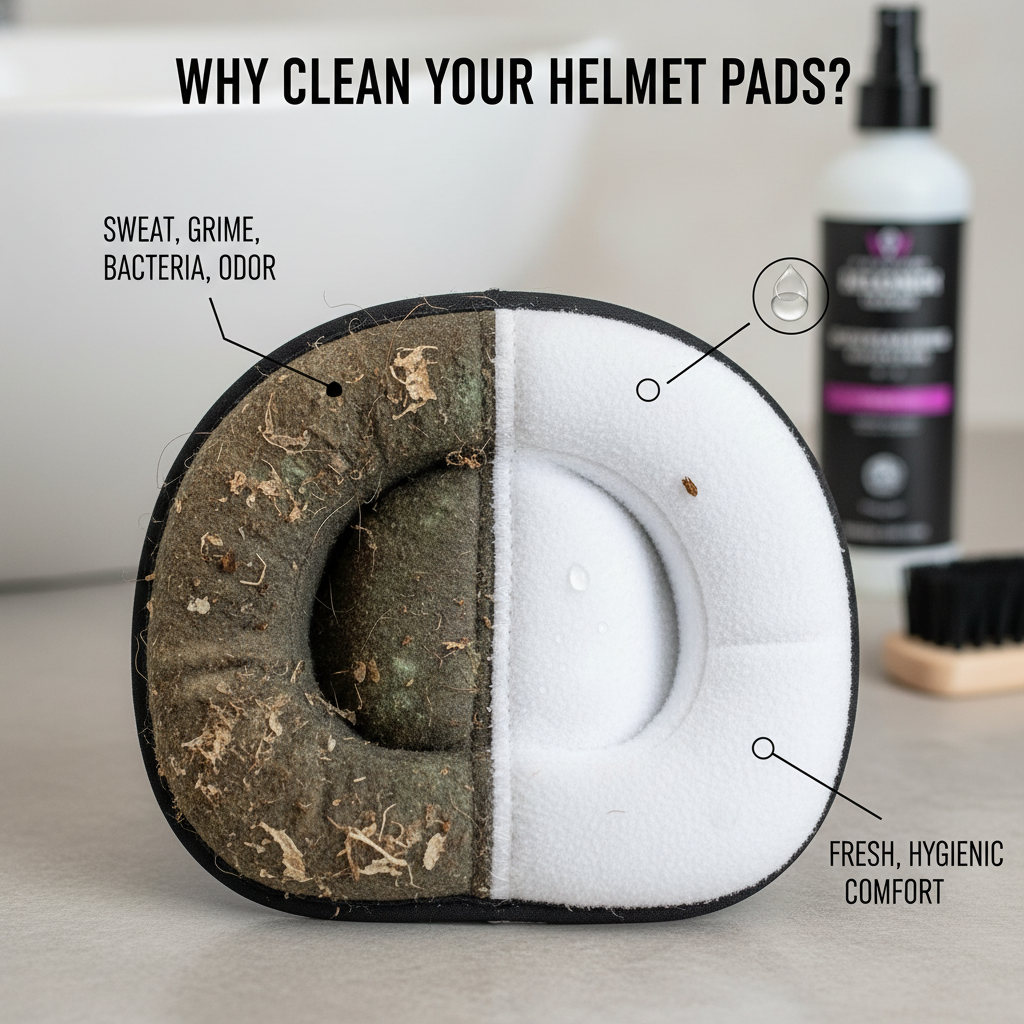
Cleaning your helmet pads is crucial for maintaining both hygiene and comfort. Over time, bacteria and sweat can build up within the padding, leading to unpleasant odors that can be distracting and off-putting during use. This is particularly important for athletes, motorcyclists, and cyclists who spend extended periods wearing helmets. Regular cleaning not only combats these issues but also helps extend the life of your helmet, as accumulated grime can degrade materials and reduce their effectiveness. A fresh helmet enhances comfort, which can improve your focus and performance during activities.
Removing the Helmet Pads
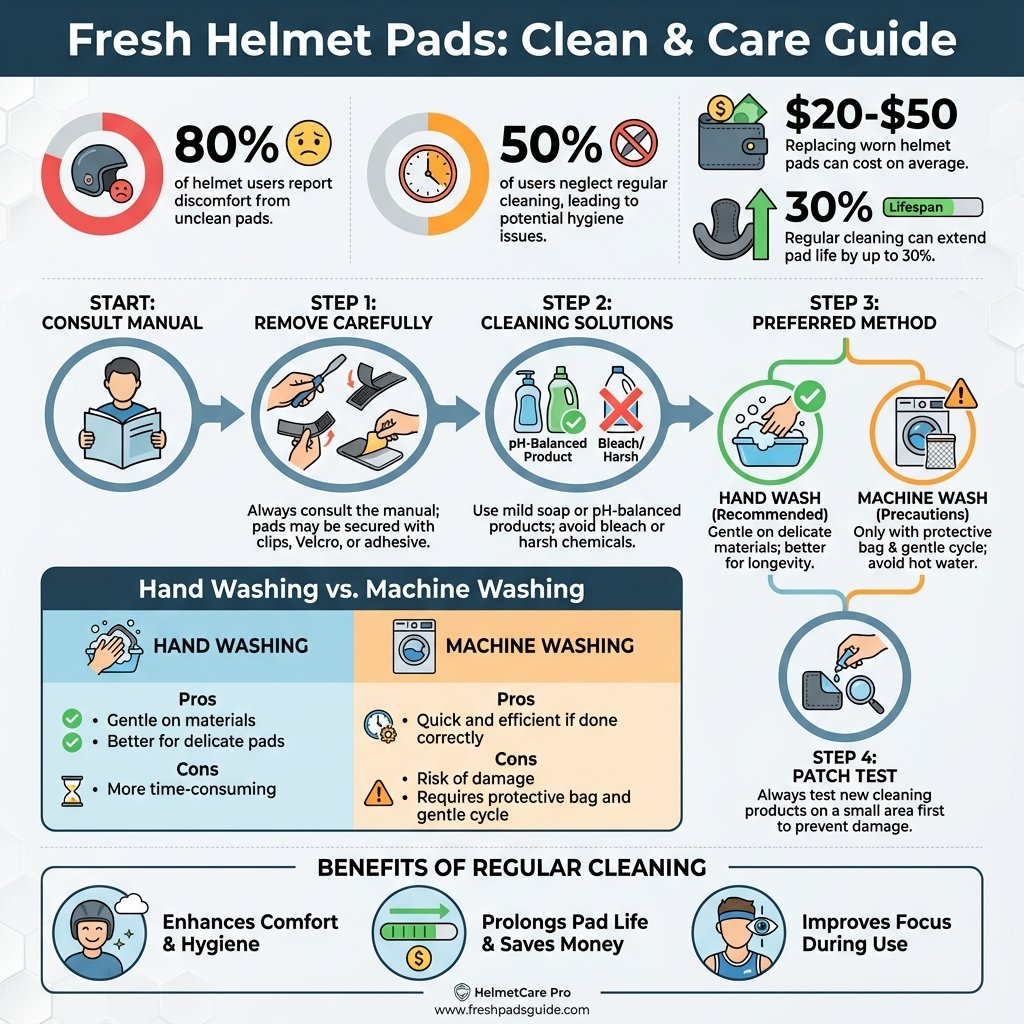
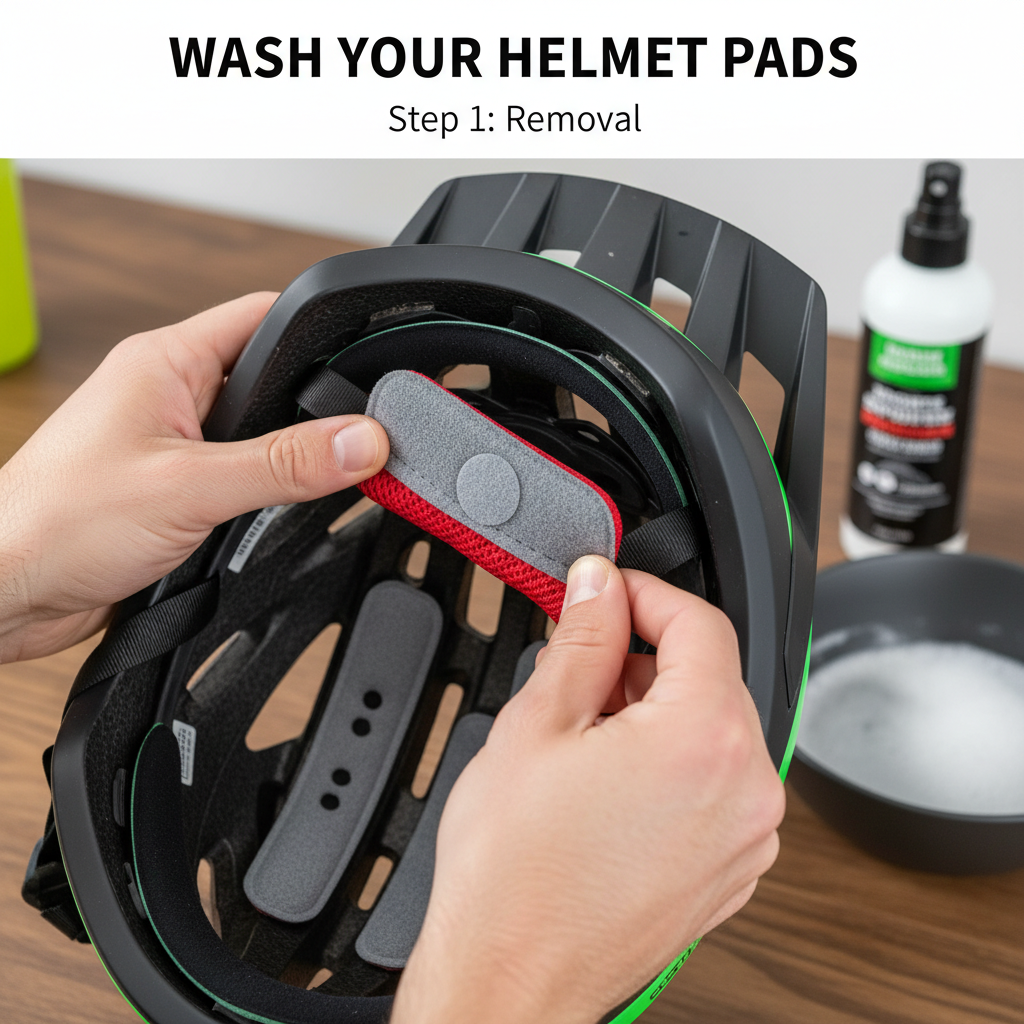
Before you can clean your helmet pads, it is essential to remove them carefully. Begin by consulting your helmet’s manual for specific removal instructions, as different brands and models employ various methods of attachment. Commonly, pads are secured with clips, Velcro, or adhesive materials. Gently detach the pads to avoid damaging any of these components, which could make reattachment difficult or compromise the helmet’s fit. Take your time during this process to ensure you do not tear or stretch the pads, as this can lead to an improper fit when reinstalled.
Choosing the Right Cleaning Solution
Selecting the appropriate cleaning solution is vital to effectively washing helmet pads without causing damage. A mild soap or a specialized helmet cleaning product will typically suffice for most materials. Look for pH-balanced options that are gentle yet effective in removing sweat and odors. It is essential to avoid using bleach or strong chemicals, as these can degrade the materials of the pads, leading to a shorter lifespan and potential skin irritations. Always perform a patch test with any new cleaning product on a small, inconspicuous area of the pads to ensure compatibility.
Washing Techniques: Hand vs. Machine
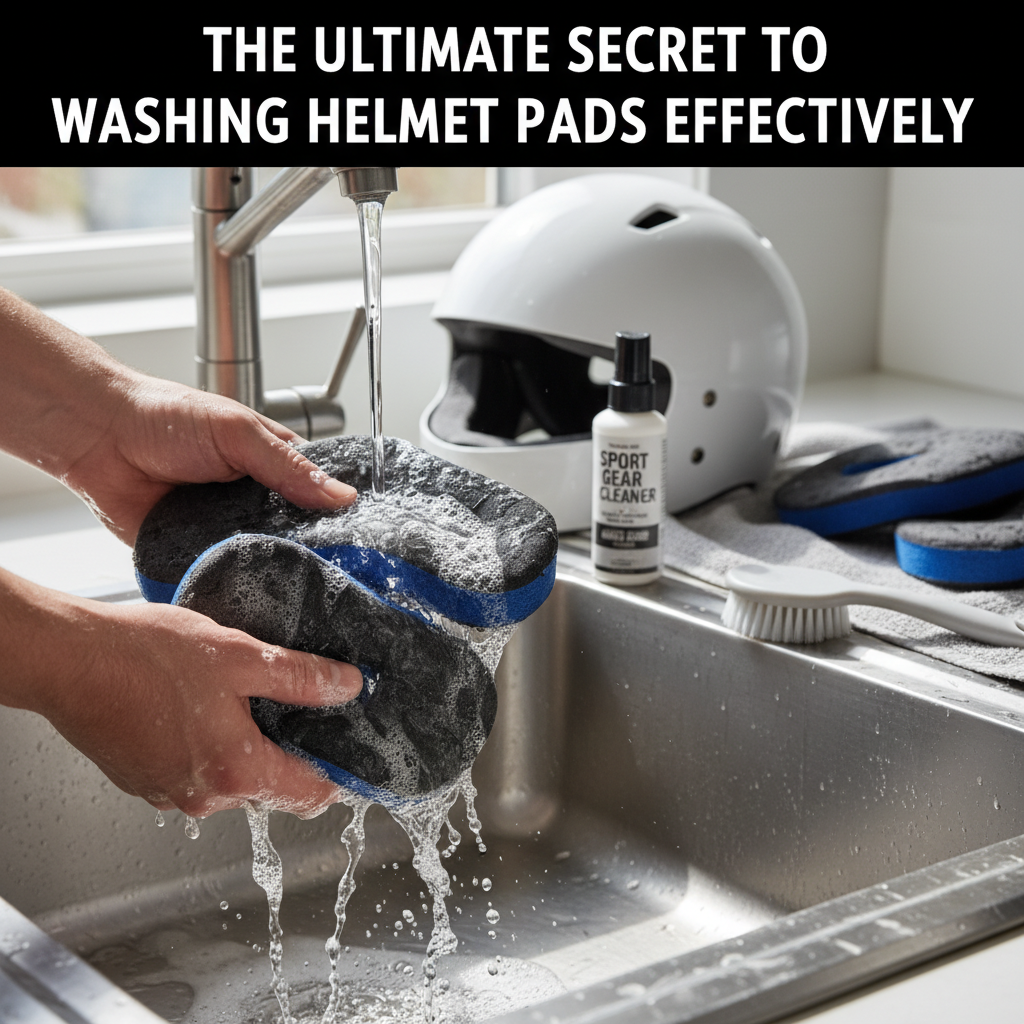
When it comes to washing helmet pads, hand washing is generally the preferred method, especially for delicate materials. Use a soft cloth or sponge dampened with your chosen cleaning solution to gently scrub the pads, taking care to reach any crevices where dirt may accumulate. If hand washing isn’t feasible due to time constraints, machine washing can be an option—but caution is necessary. Place the pads inside a mesh laundry bag to protect them from friction and potential damage during the wash cycle. Use a gentle cycle with cold water and avoid fabric softeners, which can leave residues that affect the pads’ performance.
Drying Your Helmet Pads
Proper drying is just as crucial as washing when it comes to maintaining helmet pads. To avoid any warping or degradation of materials, air dry the pads in a well-ventilated area. Avoid direct sunlight, as UV rays can break down the padding materials over time. Lay the pads flat on a clean, dry surface or hang them in a way that allows air to circulate freely around them. Under no circumstances should you use a dryer, as the heat can warp the shape and compromise the integrity of the pads.
Maintaining Freshness Between Washes
To keep your helmet pads smelling fresh and reduce the need for frequent washes, consider implementing a few simple habits. After each use, apply antibacterial sprays or wipes specifically designed for sports gear to neutralize odors and inhibit bacterial growth. Additionally, store your helmet in a cool, dry place to prevent moisture accumulation, which can lead to mildew and further odor problems. Investing in a helmet bag that allows for breathability can also help maintain freshness between washes.
When to Replace Helmet Pads
Even with diligent cleaning and maintenance, helmet pads will eventually show signs of wear and tear. Regularly monitor the condition of your pads for indicators such as thinning, tearing, or persistent odors that remain even after washing. If you notice any of these signs, it may be time to replace the pads to ensure continued comfort and safety. Many manufacturers offer replacement pads, allowing you to restore your helmet to optimal condition without needing to purchase a new helmet entirely.
In conclusion, keeping your helmet pads clean and well-maintained is essential for both hygiene and comfort. By following the outlined steps—removing the pads properly, choosing the right cleaning solutions, utilizing effective washing techniques, ensuring proper drying, and implementing maintenance tips—you can significantly enhance the lifespan and performance of your helmet. Regular inspections will further ensure that you’re using pads that are safe and effective. Start refreshing your gear today for a more pleasant and effective experience!
References
- https://www.cdc.gov/niosh/topics/helmets/cleaning.html
- https://www.ncbi.nlm.nih.gov/pmc/articles/PMC5404925/
- https://www.health.harvard.edu/staying-healthy/how-to-keep-your-helmet-clean
- https://www.bikehelmet.org/helmet-care-and-cleaning
- https://www.sportsafety.org/helmet-care-and-maintenance/
- https://www.medicinenet.com/script/main/art.asp?articlekey=69448