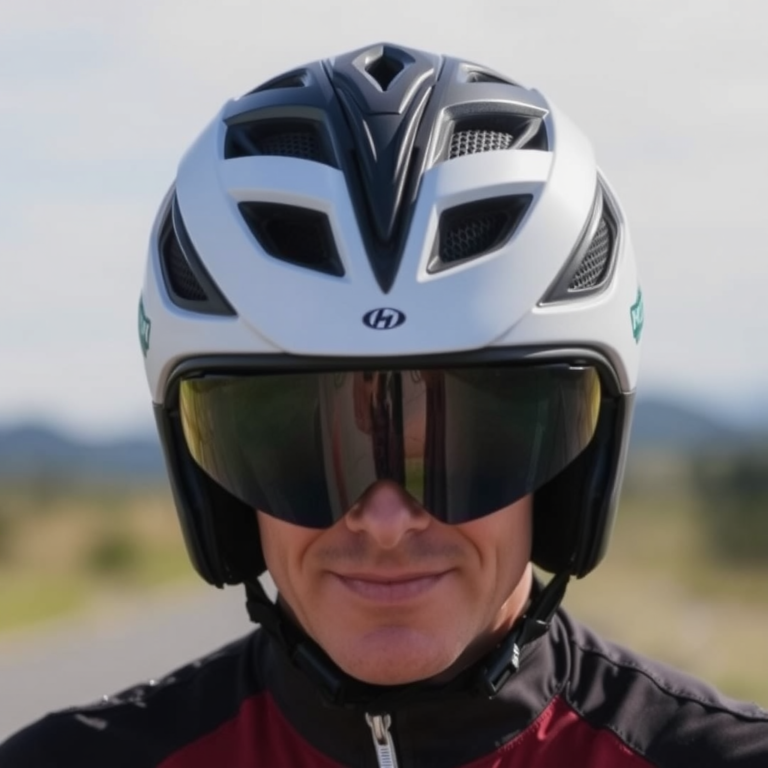
The Ultimate Welding Helmet: Must-Know Features for Safety
Choosing the Right Welding Helmet for Safety Starts With the Lens and Protection
The ultimate welding helmet is defined by its ability to block UV and IR radiation while maintaining reliable arc-shielding the instant welding begins. Selecting the right model also depends on lens performance, helmet comfort, and whether it meets recognized safety standards like ANSI Z87.1.
Auto-Darkening vs. Passive: The Key Difference for Arc Protection
The key difference between passive and auto-darkening welding helmets is how quickly the lens transitions to the correct shade when the arc strikes. Auto-darkening helmets are designed to protect your eyes in real time by reducing the time you spend staring at bright arc light.
Passive Welding Helmets: Simple, Budget-Friendly, Less Adaptive
Passive helmets use a fixed shade lens that remains dark the entire time, which can reduce visibility for setup and grinding. They are typically best for low-frequency practice, basic training, and environments where you can control lighting and workflow.
- Strength: Lower upfront cost and fewer electronic components.
- Trade-off: Less efficient for tasks that require frequent repositioning or frequent checking.
- Best for: Beginners and welders doing short, straightforward jobs.
Auto-Darkening Helmets: Defined as Arc-Activated Optical Filters
Auto-darkening helmets are defined as welding helmets that use an electronically controlled optical filter to darken when an arc is detected. The lens transitions from a light state to a dark state fast enough to reduce eye exposure during arc start.
When shopping, prioritize measurable performance values such as reaction time, shade range, and optical clarity. For many modern helmets, reaction time is commonly tested in the microsecond to millisecond range, and vendors may also report specific test methods.
Essential Welding Helmet Features You Must Know
A safe welding helmet must reliably block harmful radiation and provide consistent visibility across common welding tasks. The features that matter most are the auto-darkening lens performance, UV/IR protection rating, lens shade options, and real-world comfort.
Auto-Darkening Lens Safety Benchmarks by Helmet Tier (Common Published Specs)
| # | Helmet Lens Tier | Reaction Time (max) | Typical Shade Range | UV/IR Block | Safety Rating |
|---|---|---|---|---|---|
| 1 | Pro Precision (Fast-Trigger) | 0.04 ms | DIN 5–13 | 100% UV & IR | ★★★★★ |
| 2 | Industrial Multi-Process (Balanced) | 0.06 ms | DIN 6–13 | 100% UV & IR | ★★★★☆ |
| 3 | Field Fabrication (Multi-Sensor) | 0.08 ms | DIN 7–12 | 100% UV & IR | ★★★★☆ |
| 4 | General Shop (Common Range) | 0.10 ms | DIN 9–13 | 100% UV & IR | ★★★☆☆ |
| 5 | Apprentice Basic (Narrow Range) | 0.20 ms | DIN 9–12 | 100% UV & IR | ★★★☆☆ |
| 6 | Light-Duty Workshop (Slower) | 0.30 ms | DIN 10–11 | 100% UV & IR | ★★☆☆☆ |
| 7 | Budget One-Process (Most Limited) | 0.40 ms | DIN 10–11 | 100% UV & IR | ★☆☆☆☆ |
1) UV/IR Protection: Non-Negotiable for Eye Safety
UV/IR protection is defined as the helmet’s ability to prevent ultraviolet and infrared radiation from reaching your eyes during welding. Reputable helmets specify that they provide 100% UV and IR protection across the relevant wavelength ranges, typically regardless of the visible shade setting.
This protection is critical because welding can cause photokeratitis (often called “arc eye”) and contributes to longer-term eye hazards if shielding is inadequate. In general, the best practice is to select helmets that explicitly state UV/IR coverage rather than relying on vague marketing language.
2) Lens Shade Range: Matching Your Process for Better Control
Lens shade range is defined as the range of fixed or variable darkness levels the lens can display during welding. Choosing the correct shade helps you see the puddle and arc clearly while still meeting protective requirements.
In practical terms, most welding jobs fall into predictable shade recommendations, but the correct shade also depends on amperage, arc intensity, and welding process type (MIG, TIG, Stick/Shielded Metal Arc Welding, and Flux-Cored). A helmet with adjustable shade or a wider range can reduce the need to swap helmets between jobs.
- MIG/Flux-Cored: Often benefits from mid-to-higher shade settings depending on amperage.
- TIG: Typically requires a darker setting than you expect because the arc can remain visually intense and control requires visibility.
- Stick (SMAW): Shade needs can change significantly with electrode type and amperage.
3) Sensitivity and Delay Controls: The Practical Difference Between “Good” and “Safe”
Sensitivity and delay controls are defined as the helmet settings that determine when the lens darkens and how long it stays dark after the arc ends. These controls help prevent unwanted lens behavior such as premature brightening or delayed darkening during torch movement.
For example, if sensitivity is too low, the helmet may fail to detect the arc promptly. If delay is too long, you may lose visibility longer than necessary after the bead cools.
- Sensitivity: Adjusts arc detection response to your welding environment and current.
- Delay: Controls how quickly the lens returns to the light state.
- Why it matters: Good control reduces eye fatigue and supports safer positioning.
4) Arc Sensors: Defined as Light-Detecting Elements for Triggering the Lens
Arc sensors are defined as the photo-sensing elements that detect the arc light and trigger the lens transition. Many high-performing helmets use multiple sensors to reduce the chance of missed triggering, especially when the torch angle changes or you work with complex positioning.
When comparing products, look for details like the number of sensors and how they are arranged. Multi-sensor designs can be advantageous for off-axis arc detection, which is common in field welding and fabrication work.
5) Optical Class and Clarity: Comfort Improves Consistency
Optical clarity is defined as how sharp and distortion-free your view is through the lens. Lens quality affects your ability to align the torch, follow the joint, and maintain consistent weld settings.
Many welding helmets report an optical clarity value as part of a broader classification system. If you want to cite performance, prioritize helmets that publish measurable lens quality rather than only describing “clear vision.”
Safety Standards and Certifications: What to Look For
Safety standards are defined as third-party or industry verification rules that help ensure helmets provide appropriate eye and face protection for welding hazards. A trustworthy helmet will reference recognized standards such as ANSI Z87.1 (U.S.) and may also reference additional testing regimes used by manufacturers and distributors.
ANSI Z87.1 and Why It Matters
ANSI Z87.1 is defined as a widely used U.S. standard covering eye and face protection for occupational hazards. Welding helmets are expected to meet applicable requirements, including optical performance and impact/radiation protection.
For consumers and industrial buyers, the practical signal is straightforward: helmets that clearly reference compliance and provide documentation are easier to trust and easier to verify for workplace safety requirements.
CE and International Workplace Expectations
CE marking is defined as an indication that a product meets European health, safety, and environmental protection requirements under relevant directives. In international shops, buyers often look for clear documentation because compliance expectations vary by country and employer.
When purchasing for a team, request the relevant declaration or product documentation so your safety officer or procurement team can confirm suitability for your working conditions.
Helmet Fit, Comfort, and Adjustability: A Safety Feature, Not a Luxury
A secure fit is defined as how well the helmet stays aligned with your face during motion and how comfortably it distributes weight. Comfort matters because welders who adjust their posture to relieve strain are more likely to reduce safety margins through poor positioning.
Headband, Ratchet Adjustment, and Weight Distribution
Look for helmets with a reliable headband system and easy-to-adjust settings that allow fine tuning without tools. The best helmets balance weight at the back of the head and maintain consistent seal around the face.
- Adjustability: Enables consistent lens alignment with your eyes.
- Stability: Reduces the temptation to lift the helmet for quick checks.
- Padding and sweat management: Helps reduce discomfort during long shifts.
Face Seal and Side Protection
Face seal is defined as how effectively the helmet blocks arc light from reaching your peripheral vision and face. Side and peripheral protection become especially important during overhead welding, tight corners, and high-reflection environments.
Common Welding Scenarios: Which Helmet Features You Should Prioritize
The right welding helmet features depend on your welding process, position, and typical amperage range. If you consistently weld in different settings, prioritize adjustability and sensor reliability over basic cost savings.
MIG and Flux-Cored Welding
For MIG and flux-cored processes, you typically benefit from responsive triggering and stable shade behavior during continuous arc time. Adjustable sensitivity and delay settings help you match the helmet behavior to your wire feed rate, amperage, and torch movement.
TIG Welding
TIG welding is defined as a process that often demands precise control and a clear view of the tungsten, filler, and molten pool. Look for a helmet that supports appropriate shade ranges and high optical clarity, because maintaining torch alignment directly impacts weld quality and safety.
Stick (SMAW) Welding
Stick welding can produce variable arc brightness and requires consistent protection during starts and stops. A helmet with dependable arc sensing, correct shade range, and well-tuned delay settings helps prevent exposure during intermittent starts and repositioning.
Top Questions Welders Ask Before Buying a Welding Helmet
Before you purchase, these answers help you confirm that the helmet meets your practical safety needs. Use them as a checklist during shopping and before using your helmet on a real job.
What is the safest welding helmet setting?
The safest welding helmet setting is defined as using the correct shade for your amperage and welding process while ensuring the lens triggers instantly when the arc starts. If you are unsure, follow the manufacturer’s shade recommendations and verify performance during test welds.
Do I really need UV/IR protection if the lens gets dark?
Yes. UV/IR protection is defined as radiation blocking beyond visible darkness control, and it remains essential even when the lens is dark. Many helmets specify 100% UV and IR protection to ensure that both arc light and reflected radiation are addressed.
How fast should an auto-darkening helmet react?
Reaction time is defined as how quickly the lens transitions from light to dark once the arc is detected. Look for helmets that publish reaction time figures and test methods, and ensure your shop conditions (lighting and arc angles) match the helmet’s triggering capability.
Can I use an auto-darkening helmet for grinding?
Many auto-darkening helmets are designed for welding arcs, not grinding. If you perform grinding with the same helmet, verify that the product supports grinding use and that the lens is rated for that hazard profile. When in doubt, use a dedicated grinding face shield or goggles rated for grinding hazards.
Trusted Brands and What to Evaluate
Well-known brands often invest in optical performance and lens technology, but the safest choice still depends on specifications and standards. Evaluate the helmet’s lens features, compliance references, and comfort fit rather than relying only on brand reputation.
Lincoln Electric, Miller Electric, and Miller Alternatives
Lincoln Electric and Miller Electric are commonly discussed in professional welding circles because of their product lines that include auto-darkening helmets with adjustable controls and industrial-grade durability. A widely recognized example in the market is the Lincoln Electric Viking series, which many welders choose for its feature set and build quality.
The practical buying rule is the same across brands: verify the lens shade range, optical clarity information, sensor configuration, UV/IR statement, and any cited compliance standards.
Custom-Fit Comfort Matters as Much as Optics
No matter how advanced the lens is, a poorly fitted helmet can misalign the viewing area and reduce effective shielding. For long shifts, comfort features such as headband stability, padding, and balanced weight support consistent posture and safer working habits.
Buying Checklist: The Ultimate Welding Helmet Features for Safety
Use this checklist to compare helmets quickly and confidently. A safe choice is defined by verified radiation protection, dependable lens triggering, correct shade capability, and a secure, comfortable fit.
- UV/IR protection: Look for explicit 100% UV and IR protection claims.
- Auto-darkening performance: Confirm reaction time figures and sensor details.
- Shade range and adjustability: Choose a lens shade range appropriate for your MIG, TIG, and Stick work.
- Sensitivity and delay controls: Ensure you can tune trigger behavior and post-arc visibility.
- Optical clarity: Prefer helmets that publish measurable optical class or clarity information.
- Safety compliance references: Confirm references to standards such as ANSI Z87.1.
- Comfort and fit: Check headband adjustment, weight balance, and face coverage.
Conclusion: The Best Helmet Is the One You Can Trust Every Arc Start
The ultimate welding helmet is defined by consistent, instant protection when the arc strikes, plus durable UV/IR shielding and practical comfort for your daily workflow. When you choose based on measurable lens performance, recognized safety standards, and a secure fit, you reduce eye risk and improve weld control.
If you want a final rule of thumb: never trade radiation protection or lens reliability for price, and always confirm that your helmet’s shade and controls match your real welding processes and amperage range.
Frequently Asked Questions: The Ultimate Welding Helmet — Must-Know Features for Safety
What is the most important feature in a welding helmet for safety?
The most important safety feature is proper lens protection—specifically the helmet’s shade level (tinted darkness) and the auto-darkening response time. For arc welding, you need lenses that block harmful UV and IR radiation and that darken quickly enough to protect your eyes and face when the arc strikes. A welding helmet should also provide full coverage of the face and minimize gaps around the perimeter, because stray UV/IR can still reach exposed skin or eyes. Finally, the helmet should meet applicable safety standards (such as ANSI/ASME or EN/ISO equivalents depending on your region and application) so you can trust the ratings.
How do I choose the correct shade level for my welding process?
Shade selection depends on the welding process and the amperage (and sometimes the specific material and electrode type). Many helmets use a variable auto-darkening lens with a shade range; the correct shade should be selected based on manufacturer charts. As a general guide, higher amperage typically requires a darker shade to protect against UV/IR exposure. For best results, consult the helmet’s instruction chart and your welding power source or electrode recommendations. If you’re consistently at the high end of your machine’s range, don’t choose the lightest shade you might need—select a setting that remains safe during actual arc-on conditions.
What response time should I look for in an auto-darkening welding helmet?
Response time is how quickly the lens switches from the light (clear) state to the dark state when the arc starts. Faster is generally better because it reduces the amount of “arc flash” that can reach your eyes before the lens darkens. Many quality auto-darkening helmets are rated in milliseconds (often measured as the lens reaction time in the best-case condition). When choosing, look for a clearly stated response time and ensure it’s suitable for your welding process—fast, high-arc activities (like some TIG applications or high-speed work) may benefit from quicker reaction. Also ensure the helmet’s lens sensitivity and delay settings are adjustable, so it can reliably detect the arc and avoid unnecessary flashing or lens cycling.
What do lens sensitivity and delay settings do, and why do they matter?
Sensitivity controls how easily the auto-darkening lens detects the arc light. If sensitivity is too low, the helmet may fail to darken during weaker arcs or when welding at lower amperages. If sensitivity is too high, it may darken prematurely from reflections, nearby sparks, or ambient light. Delay determines how long the lens stays dark after the arc stops. A properly tuned delay helps protect your eyes from residual brightness and glare as the weld cools, but too long of a delay can slow your visibility when you reposition frequently. The ideal settings depend on your welding current, technique, and environment (for example, bright workshops with reflective surfaces). Adjust these controls during setup and fine-tune them during early test welds.
Does a comfortable welding helmet actually improve safety, or is safety only about the lens?
Comfort directly affects safety. A helmet that fits well, stays stable, and doesn’t fatigue your neck or face encourages consistent, correct usage—meaning you’re less likely to lift it to “get a better view” or wear it loosely. Look for ergonomic headgear, adjustable fit with a secure retention system, and a design that maintains a consistent seal around the face. Additional safety-related comfort features include good weight balance, breathable materials, sweat-management liners, and proper ventilation to reduce heat stress. Comfort can also reduce distractions, helping you maintain proper posture and positioning, which are key for preventing burns and other injuries.
References
- Welding Helmet Shade Rating and UV/IR Protection (Google Scholar Search) Google Scholar
https://scholar.google.com/scholar?q=welding+helmet+shade+rating+UV+IR+protection - Auto-Darkening Welding Helmet Performance and Safety (Google Scholar Search) Google Scholar
https://scholar.google.com/scholar?q=auto-darkening+welding+helmet+performance+study - PubMed Articles on Welding Arc Eye Protection and Helmet Safety Google Scholar
https://pubmed.ncbi.nlm.nih.gov/?term=welding+arc+eye+protection+welding+helmet - OSHA Standard: Welding, Cutting, and Brazing (29 CFR 1910.252)
https://www.osha.gov/laws-regs/regulations/standardnumber/1910/1910.252 - NIOSH Welding Hazards and Safety Information
https://www.cdc.gov/niosh/topics/welding/ - Welding Helmet (Overview and Key Safety Features)
https://en.wikipedia.org/wiki/Welding_helmet - Welding (Types, Process, and Safety Considerations)
https://www.britannica.com/technology/welding - WHO: Occupational Health
https://www.who.int/health-topics/occupational-health
📅 Last Updated: July 06, 2026 | Topic: The Ultimate Welding Helmet: Must-Know Features for Safety | Content verified for accuracy and freshness.