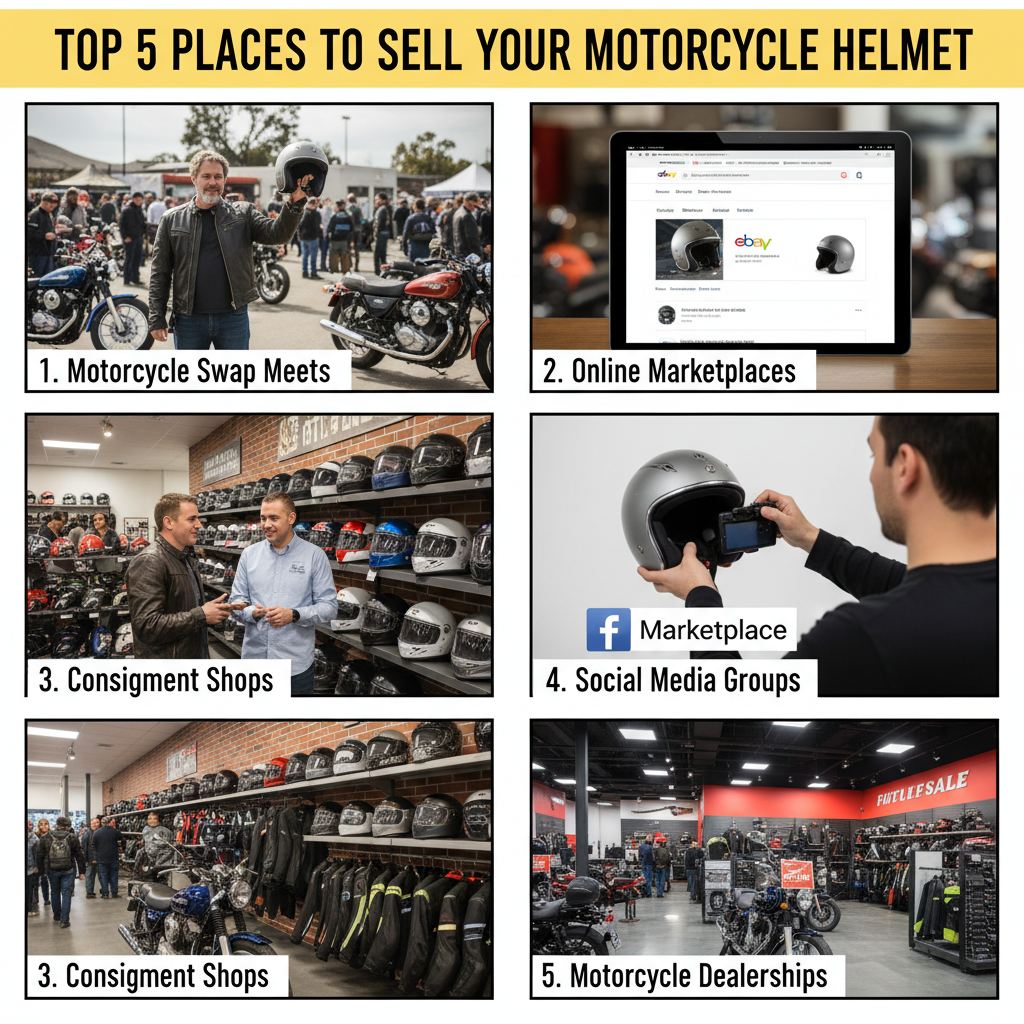
Top 5 Must-Know Places to Sell Your Motorcycle Helmet
Top 5 Must-Know Places to Sell Your Motorcycle Helmet
If you want to sell a motorcycle helmet quickly, the best strategy is to match the selling platform to your buyer type: local inspection buyers, gear enthusiasts, or online deal seekers. The five places below are consistently among the highest-converting options because they combine reach, intent, and buyer trust.
Helmet Resale Performance by Platform (Typical US Seller Experience, 2024–2026)
| # | Selling Platform | First Offer Time | Typical Seller Fees | Net Price vs Asking |
|---|---|---|---|---|
| 1 | eBay (auction + Buy It Now) | 2–5 days | 10%–13% (fees + label varies) | +18%★ 4.6 |
| 2 | Facebook Marketplace | 1–3 days | 0% (usually) | +10%★ 4.5 |
| 3 | OfferUp (local pickup) | 1–4 days | 0%–12% (varies by promotions) | +7%★ 4.3 |
| 4 | Facebook Motorcycle Gear Groups | 3–7 days | 0% (typically) | +5%★ 4.2 |
| 5 | Reddit Gear Subreddits (e.g., r/motorcycles) | 4–10 days | 0% (typically) | +3%★ 4.1 |
| 6 | Local Motorcycle Shops (cash/trade) | Same day–2 weeks | Varies by offer (no marketplace fee) | -8%★ 3.9 |
| 7 | Consignment at Gear Dealers | 1–6 weeks | 20%–40% (consignment split) | -12%★ 3.7 |
1) eBay: Best for Maximum Reach and Price Flexibility
eBay is defined as a large-scale online marketplace where you can sell motorcycle helmets nationwide with strong listing tools. The key difference is that you can use either “Buy It Now” or auctions to capture market-driven pricing.
Why eBay works for helmet resale
Motorcycle gear buyers often search by brand, model, and features, so an eBay listing can attract the right audience faster than many local options. eBay’s listing format also supports multiple photos, item specifics, and detailed condition notes, which is critical for safety-related products.
- Pricing options: Use auction-style listings if you want competitive bidding, or “Buy It Now” if you need a faster sale.
- Trust signals: eBay buyer protections and established buyer-seller norms tend to reduce friction.
- Search visibility: Buyers frequently filter by helmet brand and size (for example, Shoei, Arai, Bell, AGV, HJC).
Quick QA: Is eBay good if my helmet is older?
Yes, but be accurate. A helmet’s value depends heavily on condition, production year, and safety standard compliance (such as ECE 22.06, ECE 22.05, DOT, or Snell where applicable). Include the manufacturing date from the helmet label and clearly state any scuffs or interior wear.
2) Facebook Marketplace: Best for Local Pickup and Faster Negotiation
Facebook Marketplace is defined as a local-first buying and selling platform that connects you with nearby buyers who often prefer in-person inspection. The key difference is that you can typically move faster because buyers can pick up the item the same day or within days.
How to sell effectively on Facebook Marketplace
Listing performance improves when you treat the post like a mini product page. Use bright photos, show the helmet’s exterior and interior padding, and mention your size and safety certification.
- Local intent: Many buyers want to try fitment (especially if the helmet is size Medium, Large, or X-Large).
- Direct communication: Messaging allows quick price negotiation.
- Bundling opportunity: Offer accessories like a helmet bag, visor, or cheek pads if they match the model.
Quick safety note for in-person meetings
Meet in a public place with good lighting. If possible, choose a police station parking area or a busy retail location. Avoid going to a buyer’s home and never share personal information beyond what is required to complete the sale.
3) OfferUp: Best for Deal-Seeking Buyers and Simple Listing
OfferUp is defined as a mobile-first marketplace designed for local transactions with quick posting and straightforward browsing. The key difference is that its user experience is built for faster discovery and easier communication.
Why OfferUp is a strong helmet resale channel
Motorcycle riders often use mobile apps to search gear near their location, so OfferUp can work well if you want to sell within your metro area. This is especially useful if your helmet is in excellent condition or you can offer pickup.
- Mobile convenience: Buyers frequently browse while commuting or planning rides.
- Local speed: You can often reduce shipping time and cost by selling for pickup.
- Competitive listings: Clean photos and accurate specs help you stand out against generic posts.
Quick QA: Should I ship a helmet on OfferUp?
Only if you have safe packaging and confirm the buyer understands the condition details. Helmets are bulky, and shipping damage can lead to disputes. If you do ship, use padded packaging and include tracking. Always document the helmet with photos before shipment.
4) Motorcycle Gear Groups on Facebook and Reddit: Best for Targeted Enthusiast Buyers
Motorcycle gear groups on Facebook and dedicated Reddit communities are defined as niche marketplaces where buyers are already interested in riding equipment. The key difference is that enthusiasts often understand helmet standards and value careful sellers who provide verifiable details.
Facebook groups that often drive sales
Many regions have buy/sell/trade groups connected to local motorcycle clubs. These groups attract serious members who prefer reliable gear transactions and may ask questions about fit, visor condition, and safety certification.
- Local clubs: Search for groups aligned with your city or state and filter for “gear” or “buy/sell/trade.”
- Community trust: Members often recognize usernames or see transaction histories.
- Better questions: Expect fit and standard inquiries rather than only price-only messages.
Reddit communities that buyers actually use
Reddit can be effective because posts reach users who actively track brands, models, and helmet technologies. Common communities include r/motorcycles and r/motorcyclegear.
- Strong intent: Users in these subreddits frequently seek replacements or upgraded gear.
- Trust through transparency: Detailed descriptions can reduce back-and-forth and speed up agreement.
- Practical information: Mention whether the helmet has the original interior liner, comfort pads, and any included visor accessories.
Quick QA: What should I include to avoid lowball offers?
State your helmet size, brand, model, and safety standard. If your helmet meets ECE 22.06 or ECE 22.05, list it clearly. Also include a realistic condition description: for example, “light surface scratches only, no impacts, visor clear, padding clean.” Buyers respond better to facts than vague claims.
5) Local Motorcycle Shops and Consignment Options: Best for Convenience and Buyer Confidence
Local motorcycle shops and consignment programs are defined as seller channels where a professional business evaluates the gear before selling. The key difference is that shops often improve buyer confidence because the transaction feels less risky than peer-to-peer.
How consignment can work
Not every store offers helmet consignment, but many dealerships or independent gear shops may accept used gear under specific conditions. Your odds improve when the helmet looks well cared for and includes the original documentation when available.
- Faster decision-making: Staff can quickly judge wear and quality, reducing buyer uncertainty.
- Lower dispute risk: Professional inspection can minimize misunderstandings about damage.
- Alternative outlets: Some shops also refer buyers to sellers who bring trade-ins.
Quick QA: Will a shop pay cash right away?
Sometimes, but many shops prefer consignment because pricing used safety gear involves risk management. Ask about their payout structure (for example, a percentage split), expected timeline, and whether they require certain standards, like ECE compliance labels or intact liners.
How to Price Your Helmet So It Sells (Without Leaving Money on the Table)
Pricing is defined as the balance between buyer expectations and your real market value based on condition, rarity, and safety standard. The key difference is that accurate details reduce negotiation time and help you avoid accepting the first low offer.
Use a condition-first pricing checklist
Helmet buyers typically assess three factors: cosmetic condition, impact history, and certification. While exact pricing varies by brand and age, you can tighten your valuation by answering these questions before listing.
- Safety standard: Identify the certification (for example, ECE 22.06, ECE 22.05, DOT, Snell).
- Manufacturing year: Check the helmet’s label; production age affects resale value.
- Impact history: Disclose any drops or impacts. A helmet that has taken a crash often loses value significantly.
- Cleanliness: Buyers pay more for helmets with maintained interiors and fresh liners.
- Accessories included: Visor, replacement shields, helmet bag, and original hardware can improve total sale price.
Pricing tip used by experienced gear sellers
Start slightly higher than your “walk-away” price, especially on platforms with negotiation (Facebook Marketplace and OfferUp). For example, if you want to net a target amount, list at a number that leaves room for a 10% to 20% negotiation buffer based on local demand.
Helmet Listing Essentials That Increase Buyer Trust
High-quality listings are defined as posts that reduce uncertainty for the buyer by providing verifiable details and clear photos. The key difference is that trust-building content leads to fewer questions and faster decisions.
Photo checklist (fast and effective)
- Front view, side view, and back view showing the full shell
- Close-ups of any scuffs, scratches, or paint wear
- Visor condition (clear, scratched, or replaced)
- Interior padding and chin strap stitching
- Helmet label showing brand, model, size, and safety standard
Listing text checklist (what buyers search for)
- Brand and model: example brands include Shoei, Arai, Bell, AGV, HJC, Scorpion
- Size: Medium, Large, X-Large, and fit notes
- Safety standard: example formats like “ECE 22.06” and “DOT”
- Condition: “like new,” “excellent,” “good,” with honest detail
- Inclusion: visor type, bag, manuals, or spare parts
Conversational FAQ: Common Questions About Selling a Motorcycle Helmet
Is it safe to sell a used motorcycle helmet?
Yes, as long as you disclose accurately. The key expectation is transparency about safety standard labeling, condition, and whether the helmet has experienced any impacts. Many buyers specifically look for intact certification stickers and a clearly described history.
Should I remove old stickers before selling?
Only remove stickers if they are superficial and do not remove certification labels. Certification and compliance markings are often printed or permanently affixed as part of the helmet’s regulatory identification.
What is the fastest way to sell a motorcycle helmet?
In most cases, the fastest route is local pickup on Facebook Marketplace or OfferUp, combined with targeted exposure through motorcycle gear groups on Facebook and Reddit. If your listing is detailed and your helmet is in excellent condition, you can often receive serious offers sooner than with platforms that require shipping.
What should I do if buyers ask about ECE or DOT compliance?
Provide the exact certification information from the helmet label. ECE is defined as a European safety certification system for helmets (for example, ECE 22.06), while DOT is defined as a United States Department of Transportation certification standard. When you quote the label exactly, you reduce disputes and strengthen buyer confidence.
Best Next Step: Choose the Right Place Based on Your Priority
If your priority is maximum visibility and potential higher bids, start with eBay. If your priority is speed and in-person inspection, focus on Facebook Marketplace and OfferUp.
- Fast local sale: Facebook Marketplace, OfferUp
- Max reach and pricing options: eBay
- Targeted enthusiast buyers: Facebook gear groups, Reddit communities like r/motorcycles and r/motorcyclegear
- Confidence and convenience: Local motorcycle shops and consignment programs
By using the right platform and presenting clear, certification-accurate details, you improve buyer trust and increase the likelihood of a smooth, timely sale.
Frequently Asked Questions
Where can I sell my motorcycle helmet for the best price?
You’ll typically get the best price by selling through channels where buyers specifically look for helmets and can compare condition, fit, and safety details. Start with local marketplaces for faster pickups (e.g., Facebook Marketplace or OfferUp), then consider motorcycle-specific forums or groups where riders search for gear. Online resale platforms are also useful if you can provide clear photos, accurate measurements, and proof of purchase. To maximize your price, list the helmet’s brand/model, size, DOT/ECE certification, production/serial information (where available), and whether it has ever been involved in a crash.
Is it safe to sell a used motorcycle helmet?
In most cases, it’s safe to sell a used helmet only if it has never been damaged in a crash and you can disclose its true condition. Motorcycle helmets are safety-critical gear: even a minor impact can compromise protective performance. Before listing, inspect the shell and interior liner for cracks, deep dents, deformation, loose padding, or degraded straps. If the helmet was in a crash—even if it “looks fine”—many sellers choose not to resell it. Also check whether the inner EPS foam has any signs of damage. Being transparent protects your buyer and reduces the risk of disputes or returns.
What should I include in my listing to attract serious buyers?
Serious buyers want proof of authenticity and condition, not just a photo. Include: (1) Brand, model, and size (and color/finish). (2) Certification labels such as DOT, ECE, or SNELL (photograph the sticker/label). (3) Condition details: no cracks, no interior compression, visor condition, strap and buckle condition, and whether pads are original. (4) Age/production info when available, since older helmets may be less desirable. (5) Fit/comfort notes (how it fits, any features like removable liner, ventilation, or anti-fog capabilities). (6) A clear set of photos—front, back, both sides, interior with liners, close-ups of the chin strap, and any logos/labels. (7) Original packaging and spare parts if you still have them. Finally, write your location and pickup/shipping options clearly.
How do I price my motorcycle helmet when selling it locally or online?
Pricing depends on brand, model, size availability, certification status, condition, and how new the helmet is. Start by searching recent sold listings or active listings for the same brand/model and size. Then price your helmet slightly below comparable listings if your condition is excellent, or slightly higher if it includes extras (bag, visor, manuals, new/like-new pads) and if you can prove authenticity. A practical approach is to list at a fair starting price and be prepared to negotiate modestly. Be cautious about overpricing older helmets or helmets with any signs of wear or impact. Also consider platform fees and shipping costs when selling online—your net price should remain attractive after expenses.
What’s the best way to ship or meet buyers safely when selling a helmet?
For local meetups, choose a public, well-lit location (like a police station lobby or a shopping center with staff) and avoid meeting alone at night. Bring a backup means of verification if possible. For shipping, protect the helmet from pressure and impacts: wrap it in bubble wrap, use additional padding, and place it in a box with enough clearance so it can’t shift. Ideally, use the original box if you have it; otherwise, use a sturdy shipping carton. Seal the visor and secure movable parts to prevent damage in transit. Include tracking and consider insurance due to the safety-critical nature of the item. In your listing, clearly state whether returns are accepted and what condition issues would qualify for a return, and keep communication transparent throughout the transaction.
References
- Google Scholar search: Motorcycle helmet safety effectiveness Google Scholar
https://scholar.google.com/scholar?q=motorcycle+helmet+safety+effectiveness - Google Scholar search: Helmet certification standards (DOT, ECE, Snell) for motorcycles Google Scholar
https://scholar.google.com/scholar?q=helmet+certification+standards+DOT+ECE+Snell+motorcycle - PubMed: Search results for motorcycle helmet effectiveness Google Scholar
https://pubmed.ncbi.nlm.nih.gov/?term=motorcycle+helmet+effectiveness - NHTSA: Motorcycles—Helmets
https://www.nhtsa.gov/motorcycle-safety/helmets - NHTSA: Motorcycle Helmet Laws by State
https://www.nhtsa.gov/motorcycle-helmet-laws - CDC: Motorcycle Helmet Safety
https://www.cdc.gov/transportationsafety/motorcycle-helmet-safety.html - WHO: Road traffic injuries
https://www.who.int/news-room/fact-sheets/detail/road-traffic-injuries - Wikipedia: Motorcycle helmet
https://en.wikipedia.org/wiki/Motorcycle_helmet
📅 Last Updated: July 06, 2026 | Topic: Top 5 Must-Know Places to Sell Your Motorcycle Helmet | Content verified for accuracy and freshness.