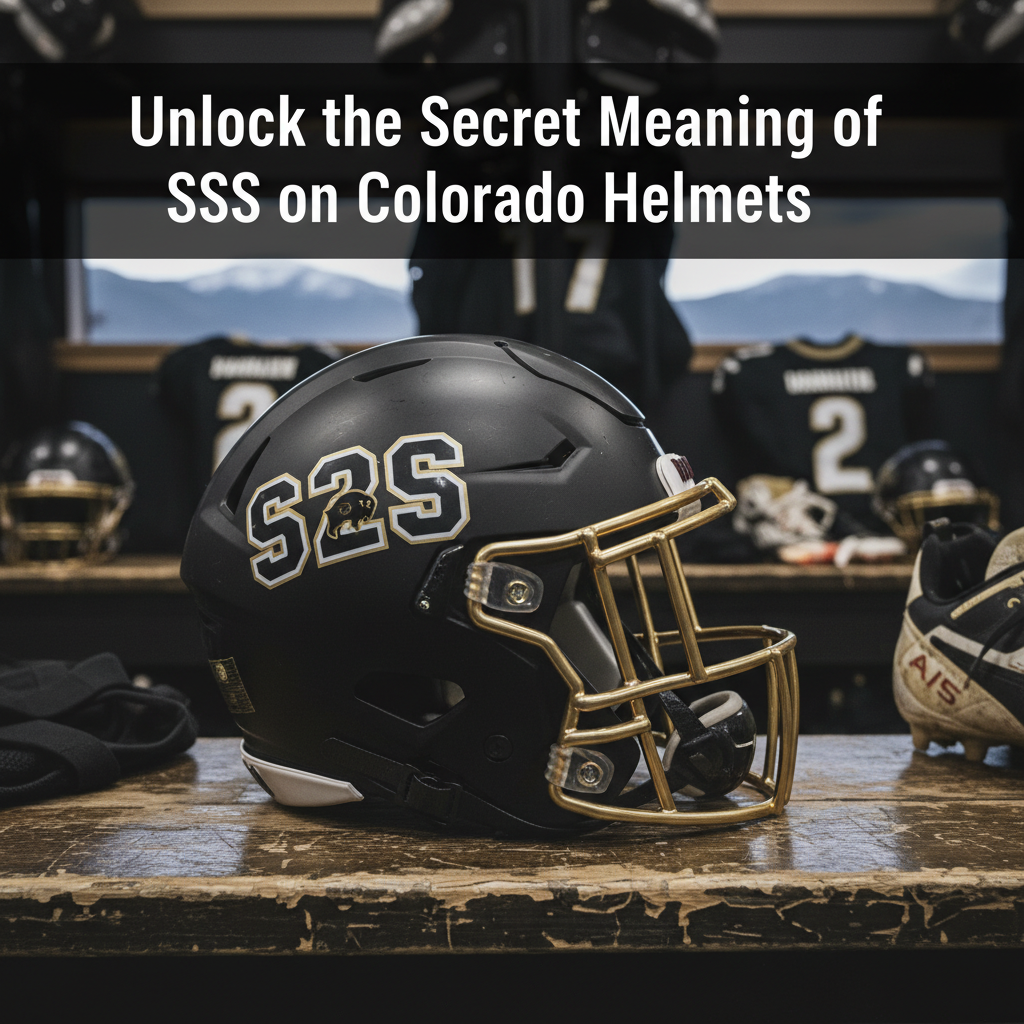
Unlock the Secret Meaning of S2S on Colorado Helmets
Unlock the Secret Meaning of S2S on Colorado Helmets
S2S on Colorado helmets is defined as “side-to-side” fit adjustment, a mechanism that fine-tunes how the helmet sits across the sides of your head. When properly set, the S2S system helps reduce movement, improves comfort, and supports more consistent impact protection during skiing, snowboarding, and mountain biking.
What Does “S2S” Mean on a Colorado Helmet?
S2S is defined as a side-to-side adjustment feature designed to dial in a secure lateral fit. Instead of relying only on a top knob or front-to-back strap tension, the S2S system allows micro-adjustments so the helmet can “lock in” against the sides of your head.
The key difference is that side-to-side tuning targets lateral stability—meaning less shifting left or right when you move, ride, or absorb vibrations from rough terrain. For outdoor athletes in Colorado, where weather changes quickly and conditions can turn icy or bumpy, that stability can matter.
Why lateral fit matters for ski and bike safety
A helmet that moves during activity can reduce effective protection by changing position relative to your head during an impact. While no helmet can prevent every injury, the widely accepted safety principle is that the helmet must remain correctly positioned to do its job.
In practical terms, a secure S2S fit can help maintain:
- Consistent coverage over the forehead and sides.
- Reduced rotation and lateral shifting while turning your head.
- Stable eyewear and goggle alignment during fast downhill runs.
How S2S Improves Helmet Fit and Stability
S2S improves helmet fit by enabling controlled lateral tightening that matches different head shapes. This matters because head geometry varies widely across adults and teens, and a one-size “set and forget” approach rarely works perfectly.
The role of a snug, controlled fit
Helmet fit experts generally agree on a simple goal: the helmet should feel snug without causing pain, and it should not slide when you shake your head or move quickly. Side-to-side adjustment supports that goal by letting you refine the contact points along the sides of your skull.
What happens when a helmet fits poorly?
Poor fit is defined as movement, pressure discomfort, or incorrect helmet position during normal head motion. If a helmet rides up, shifts, or leaves gaps, it can impair your ability to track terrain and may increase risk in falls because the helmet may not remain aligned at impact.
Common symptoms of an incorrect fit include:
- Helmet tilting forward when you look down.
- Gaps forming at the temples during head movement.
- Pressure hot spots that force you to loosen straps mid-ride.
- Difficulty keeping goggles secure against the helmet edge.
7 Common S2S Fit Issues on Colorado-Style Helmets (What to Tune)
| # | Fit symptom you feel | Likely S2S problem | S2S micro-adjust (typical) | How often to retest | Confidence rating |
|---|---|---|---|---|---|
| 1 | Helmet tilts forward when you look down | Lateral lock not supporting stable crown | Tighten both sides 1–2 clicks | After 15 head-movements | ★★★☆☆ |
| 2 | Temple gaps appear during left/right head turns | One side under-tension vs the other | Tighten the loose side 2 clicks | Immediately after adjustment | ★★★★☆ |
| 3 | Sharp hot spot at the ear or side pad | Contact too concentrated laterally | Loosen 1 click, then rebalance both sides | Within the next 5 minutes | ★★★☆☆ |
| 4 | Helmet feels “loose” when you shake it gently | Lateral play remains after primary fit | Tighten both sides 1–3 clicks | After each 1-click change | ★★★★☆ |
| 5 | Goggles shift or lose clearance on one side | S2S imbalance changes helmet edge position | Adjust the side that moves the goggles 2 clicks | After each goggles re-seat | ★★★★☆ |
| 6 | Pressure fatigue after ~75 minutes | Over-tightening laterally for your head shape | Back off 1 click, then retighten evenly 1 click | Next session + check at 60 min | ★★☆☆☆ |
| 7 | Helmet slowly drifts as you ride longer | S2S tension not stable under vibration | Tighten both sides 1–2 clicks, then stop | After first 10 minutes on trail | ★★★☆☆ |
Proper Helmet Fit: What “Good” Feels Like on Colorado Terrain
Proper helmet fit is defined as stable positioning with comfortable pressure and minimal movement during head motion. For Colorado riders, “good” also means the helmet performs across temperature swings, wind exposure, and changing snow or trail surfaces.
Comfort affects performance and consistency
Colorado skiing and snowboarding often involve repeated head movements—checking speed, scanning the line, and tracking other riders. Mountain biking adds vibration and lateral forces from rocks and roots. A helmet that can be tuned using S2S helps you maintain a consistent fit for longer sessions, which supports better focus and safer decision-making.
Fit should be tested before you ride
A practical fit-check routine typically includes:
- Helmet position check: The helmet should sit level, not angled too far back or forward.
- Side-to-side movement check: Use your hands to gently try shifting the helmet left and right.
- Strap comfort check: Straps should feel secure without pinching near the ears or jaw.
- Goggle clearance check: Ensure compatibility with goggles so there is no interference or shifting.
Benefits of the S2S Design for Skiing and Cycling
The main benefit of an S2S design is improved lateral stability through adjustable side pressure. That stability supports comfort, reduces distracting helmet movement, and can help maintain the helmet’s protective position during dynamic motion.
Stability in fast turns and uneven surfaces
On Colorado slopes and trails, turns happen quickly, and surfaces are rarely perfectly smooth. A helmet that can be tuned to your head reduces the “micro-slide” that can occur during downhill skiing or aggressive mountain biking. This can also help reduce noise and discomfort caused by helmet movement against hair or headgear.
Long-duration comfort
Many riders experience pressure fatigue after 60 to 90 minutes if a helmet only fits by a single dial. S2S supports a more distributed, customizable feel by allowing you to refine contact points along the sides. The result is often fewer hotspots and less need to adjust mid-session.
Compatibility with helmets used in Colorado climates
Colorado conditions can range from sunny alpine days to sudden storms at higher elevations. During colder weather, hats, balaclavas, and thicker base layers may alter how a helmet sits. S2S tuning can make it easier to maintain a secure fit when layers change.
How to Adjust S2S on a Colorado Helmet (Step-by-Step)
Adjusting S2S is defined as setting the helmet so it remains level and stable with minimal lateral movement while remaining comfortable. Use the steps below as a safe general approach; always follow the specific instructions in your Colorado helmet manual if there are model-specific differences.
Step 1: Start with correct helmet placement
Place the helmet level on your head. The front should sit properly over your forehead, and the helmet should not tilt backward when you look up or forward when you look down.
Step 2: Set the main retention system first
Before using S2S for fine-tuning, secure the primary fit mechanism (often a rear dial). Tighten until the helmet feels snug and does not wobble when you gently move your head.
Step 3: Use the S2S side-to-side adjustment
Next, adjust the side-to-side feature to reduce lateral play. You should feel even contact along the helmet’s side retention areas, without sharp pressure points.
Step 4: Perform a lateral movement test
Hold the helmet with both hands and gently attempt to move it left and right. A properly set S2S adjustment typically produces minimal shifting. If the helmet moves noticeably, tighten the S2S mechanism incrementally and retest.
Step 5: Adjust straps and confirm comfort
Set and balance the chin straps so they sit comfortably and securely. A well-balanced strap setup helps keep the helmet stable during impacts and motion.
Common Questions About S2S on Colorado Helmets
Is S2S the same as a rear dial?
No. S2S is defined as side-to-side lateral adjustment, while a rear dial typically controls the overall circumference or vertical retention. Many helmets use both systems together: the rear dial provides baseline fit, while S2S refines stability along the sides.
Can I use S2S with a beanie or helmet liner?
Often yes, but you must re-check the fit after adding layers. Colorado winter conditions may require beanies, balaclavas, or liners. Once you add them, repeat the lateral movement test and adjust S2S so the helmet remains stable and comfortable.
How tight should S2S feel?
S2S should feel snug and secure, not painful. If you experience numbness, sharp pressure, or headaches quickly, loosen slightly and re-adjust for even contact. The goal is stability with tolerable pressure.
Does S2S improve safety directly?
S2S can improve safety indirectly by helping the helmet stay correctly positioned during movement. Safety organizations and helmet engineering principles consistently emphasize fit and retention as critical factors for protection effectiveness.
Trusted Fit Principles Used by Safety Standards
Helmet fit and retention are core concerns across helmet safety guidance. Industry and safety approaches generally focus on maintaining correct helmet positioning, preventing excessive movement, and ensuring straps and retention systems secure the helmet during impacts.
While specific certifications vary by sport and model, reputable helmet standards and testing frameworks worldwide emphasize that helmets must stay in place to protect the head effectively. For consumers, the actionable takeaway is consistent: use every fit system available (including S2S) to achieve a stable, comfortable, properly positioned helmet.
Quick Takeaway: Why S2S Matters for Colorado Riders
S2S on Colorado helmets is a side-to-side adjustment feature that helps you achieve a stable, secure lateral fit. If you tune S2S correctly—along with the main retention system and straps—you improve comfort, reduce distracting helmet movement, and support more consistent protective positioning for real-world Colorado conditions.
If you tell me the exact Colorado helmet model name (or the model number), I can help you interpret the control layout and suggest a best-fit tuning sequence tailored to that design.
Frequently Asked Questions: Unlock the Secret Meaning of S2S on Colorado Helmets
What does “S2S” mean on a Colorado helmet?
Is “S2S” a safety certification or impact rating?
Where can I find “S2S” on my helmet, and what should I check alongside it?
How does “S2S” affect helmet fit and adjustment settings?
Does the meaning of “S2S” change between Colorado helmet models or years?
References
- Google Scholar search for “S2S helmet label Colorado” Google Scholar
https://scholar.google.com/scholar?q=s2s+helmet+label+colorado - Google Scholar search for “helmet marking DOT ECE standard” Google Scholar
https://scholar.google.com/scholar?q=helmet+marking+dot+ece+standard - PubMed: Bicycle helmet effectiveness (search results) Google Scholar
https://pubmed.ncbi.nlm.nih.gov/?term=bicycle+helmet+effectiveness - Colorado DMV: Motorcycle Helmets Requirements
https://www.colorado.gov/pacific/dmv/motorcycle-helmets - NHTSA: Bicycle Helmets—Road Safety
https://www.nhtsa.gov/road-safety/bicycle-safety/helmets - CDC: Helmets and Traumatic Brain Injury Prevention
https://www.cdc.gov/traumaticbraininjury/helmets/index.html - WHO: Road Traffic Injuries (Fact Sheet)
https://www.who.int/news-room/fact-sheets/detail/road-traffic-injuries - Encyclopaedia Britannica: Helmet (Protection and Types)
https://www.britannica.com/technology/helmet
📅 Last Updated: July 06, 2026 | Topic: Unlock the Secret Meaning of S2S on Colorado Helmets | Content verified for accuracy and freshness.