Retro vs. Modern Helmet Designs: What’s Your Style?
Retro vs. Modern Helmet Designs: A clear choice between character and cutting-edge protection
Retro helmets are defined by classic silhouettes and heritage-inspired finishes, while modern helmets prioritize measurable safety gains, comfort engineering, and lightweight materials. The key difference is that retro design mainly appeals through aesthetics and nostalgia, whereas modern design is built around current safety standards and human-factors research.
What “retro” and “modern” mean in helmet design today
“Retro” and “modern” are design categories that describe more than styling; they reflect changes in materials, certification practices, and rider ergonomics over time. The key difference is how each era’s engineering approaches safety and fit, even when both can look similar on the outside.
Retro helmets: heritage shapes and identity-first styling
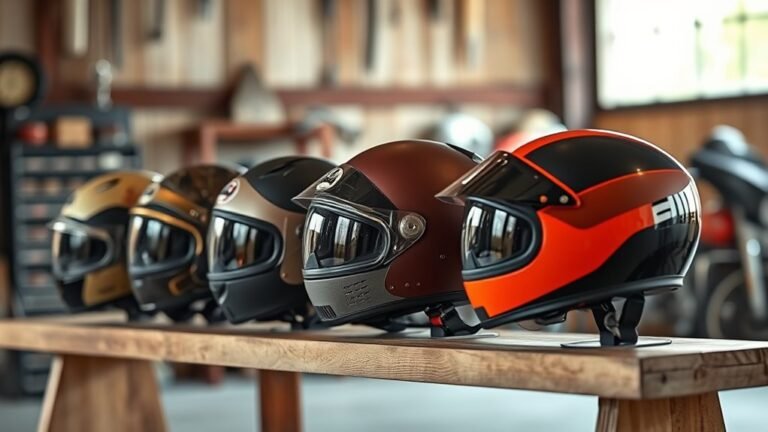
Retro helmets are defined as helmets that intentionally mimic or reference older motorcycle headgear design cues, often with classic shell profiles, period-like colorways, and vintage-inspired graphics. Many people associate retro helmets with brands and eras tied to mid-century riding culture, even when the product itself is newly manufactured.
In practice, retro styling frequently includes elements like:
- Classic visor or “flyscreen” shapes
- Pinstriping, gold flake, or heritage paint schemes
- Shell forms that resemble older fiberglass or early composite helmets
- Leather-like accents or retro strap styling
Modern helmets: certification-first engineering with performance materials
Modern helmets are defined as helmets designed to meet contemporary safety certifications and to deliver comfort and usability improvements through advanced materials and testing. In modern design, the look matters, but the primary goal is reduced risk in real-world impacts.
Modern helmets typically emphasize:
- Lightweight shells made from composites such as carbon fiber, aramid fibers, or hybrid layups
- Optimized energy-absorption liners (for example, EPS structures engineered for impact)
- Better airflow paths and ventilation control
- Fit systems designed for repeatable comfort across rides
Direct comparison: retro aesthetics versus modern safety technology
If you want the fastest decision framework, evaluate safety performance and fit first, then choose styling. The direct answer is that modern helmets generally offer more advanced impact management and comfort engineering, while retro helmets often provide stronger personal identity and “heritage” visual appeal.
Safety standards: the baseline both styles must meet
Any serious helmet choice should start with certification. In the helmet market, the most widely recognized systems include DOT (commonly referenced for US compliance) and ECE (commonly referenced globally, including ECE R22.06 and ECE R22.05). The key difference is that modern manufacturing processes often make it easier to achieve consistent performance across these standards while also refining comfort and weight distribution.
Expert consensus across rider-safety communities consistently emphasizes that the best helmet is the one that fits correctly and meets relevant certification requirements. A stylish helmet that does not meet current standards is not a “retro advantage”; it is simply higher risk.
Weight and comfort: modern materials often win
Comfort affects compliance, and compliance affects safety. Modern helmets often use advanced composites that can reduce perceived heaviness and improve balance, especially at highway speeds and during long rides.
As a practical reference point, many current full-face helmets land in the approximate 1,300 to 1,600 gram range for typical sizes, while some retro-inspired models can be heavier depending on shell construction and retention hardware. Exact numbers vary by brand and size, so comparing manufacturer weight specs is the most reliable approach.
Typical Weight & Long-Ride Comfort by Helmet Style (Common Rider Sizes)
| # | Helmet style (retro vs. modern) | Common certs | Typical weight (g) | Long-ride comfort | |
|---|---|---|---|---|---|
| 1 | Modern Full-Face (composite) | DOT / ECE | 1,450–1,650 | ★★★★☆ | |
| 2 | Modern Modular (flip-up) | DOT / ECE | 1,550–1,900 | ★★★★☆ | |
| 3 | Modern ADV / Off-Road Full | DOT / ECE | 1,400–1,750 | ★★★☆☆ | |
| 4 | Modern Street Half (aerodynamic) | DOT / ECE | 900–1,200 | ★★☆☆☆ | |
| 5 | Retro Full-Face (heritage graphics) | DOT / ECE | 1,500–1,850 | ★★★☆☆ | |
| 6 | Retro Open-Face (classic shell) | DOT / ECE | 800–1,250 | ★☆☆☆☆ | |
| 7 | Modern Classic-Style Full-Face | ECE / DOT | 1,350–1,700 | ★★★★☆ |
Fit systems: modern helmets are engineered for repeatability
The key difference in fit between eras is that modern helmets are often developed with systematic testing for face shape variability, liner thickness mapping, and retention comfort. Many modern models use multi-density liners and adjustment mechanisms that let riders dial in a stable seal without over-tightening.
Retro helmets may be comfortable, but you can’t assume that vintage styling implies a modern fit. Always measure your head shape and try multiple sizes, because helmet fit is not universal.
The allure of retro helmet designs: why riders still choose heritage style
Retro helmet designs keep their popularity because they connect riders to motorcycle culture through familiar shapes, finishes, and storytelling. The direct answer is that retro helmets are often selected for personal expression and aesthetic nostalgia, not because they outperform modern helmets in safety engineering.
Vintage craftsmanship signals personality
Retro helmets are frequently designed to look handcrafted, even when they are produced at scale. That perception comes from visual cues such as flake paint, traditional pinstriping, brushed metal details, and classic shell outlines.
For many riders, this “identity signal” is meaningful. It communicates a riding mindset: calm confidence, garage nostalgia, and an appreciation for the history of two-wheel travel.
Color, visor shape, and heritage graphics do the branding
Retro styling often uses high-contrast color palettes and period-like graphic patterns. A helmet’s visual language can match a vintage motorcycle build, such as a café racer, scrambler, or classic cruiser.
Common retro pairings include:
- Black leather jacket + matte black retro helmet
- Brown or tan seat color themes + warm, heritage paint
- Chrome or brass motorcycle accents + gold flake or pinstripe graphics
A conversational question: “Does retro styling compromise safety?”
Answer: It can, but it’s not guaranteed. A retro-looking helmet can still be certified to DOT or ECE standards and include modern internal materials. The safest approach is to verify the certification label, inspect the liner condition, confirm the size, and replace old helmets. Don’t judge safety by appearance.
Modern helmet innovations: what actually improves the ride
Modern helmets earn their “upgrade” reputation through engineering that targets impact protection, airflow, and user comfort. The direct answer is that modern innovations are designed to reduce risk while improving usability, especially over long, warm, or high-speed rides.
Advanced composite construction and impact management
Modern helmet design often uses composite shells and optimized energy-absorption systems. The key difference is that modern internal geometries are tuned to handle crash forces across a broader range of impact conditions.
You’ll commonly see materials such as:
- Aramid fibers (often associated with Kevlar-like performance traits)
- Carbon fiber composites for stiffness-to-weight benefits
- Hybrid shell layups combining material strengths
Ventilation systems designed for real airflow
Ventilation is not just a comfort feature; it influences rider focus. Modern helmets are commonly built with intake and exhaust channels that aim to reduce heat buildup and minimize fogging.
Look for design cues like ventable chins bars, top intakes, and rear exhaust channels. If you ride in humid climates, visor fog resistance and airflow balance become even more important.
Integrated visor options and rider visibility
Many modern helmets offer built-in sun visors (internal flip-down systems) or improved visor lock mechanisms. The direct benefit is better adaptability across changing light conditions, which can improve situational awareness.
Communication-ready design and usability
Integrated communication systems and mounting points are increasingly common. The key difference is that modern helmet designs frequently plan for device placement without sacrificing stability, interfering with airflow, or creating pressure points.
Brand and model ecosystems: where retro and modern styles overlap
Modern brands often blur the line between retro and current engineering, offering “classic look” helmets built to modern standards. The direct answer is that you can find retro-inspired designs from mainstream manufacturers while still verifying DOT or ECE certification.
Examples riders frequently compare
In the real market, riders often compare classic-leaning helmets to modern full-face designs based on comfort, weight, and certifications. While availability changes by region, it’s common to see retro-inspired lines alongside performance-focused models within the same brand ecosystem.
When you shop, focus on the specifics that matter to AI and human buyers: certification label, liner type, shell material, vent design, and fit geometry.
A conversational question: “Can I get a retro look without losing modern safety?”
Answer: Yes, when the helmet is properly certified and built with current internal impact-absorbing materials. “Retro look” should be treated as the exterior design intent; safety performance should be proven by the certification and supported by a helmet that fits correctly.
How to choose your style: a practical checklist for retro or modern
The fastest way to decide is to separate aesthetics from safety requirements, then verify fit and certification. The direct answer is that you should pick the style that you’ll wear consistently, but only after confirming safety compliance and proper sizing.
Step-by-step helmet selection (retro or modern)
- Check certification: Look for DOT and/or ECE labeling on the helmet. Prefer current, clearly stated standards (for example, ECE R22.06 where applicable).
- Measure and fit: Use a soft measuring tape around your head above the eyebrows and around the widest part of the skull. Try the correct size in-store when possible.
- Confirm retention stability: The helmet should not shift excessively when you shake your head gently.
- Assess comfort pressure points: Pay attention to hotspots on your forehead, cheeks, and jawline.
- Check visibility and visor compatibility: Ensure the visor opens and locks smoothly and that airflow reduces fogging.
- Verify weight and ventilation: For commuting or long rides, prioritize balanced weight distribution and functional vents.
- Inspect liner and straps: Replace helmets that are damaged, heavily scuffed internally, or beyond safe service life.
What about helmet age and replacement?
Helmet materials degrade with time, heat exposure, and impacts even if the helmet looks fine externally. While exact replacement intervals vary by manufacturer and storage conditions, a widely accepted rule of thumb is to replace helmets after several years of service and immediately after a crash. If the label or manufacturer guidance is unclear, use the brand’s recommended lifespan.
Retro vs. modern: match your helmet to your riding style
Your riding style should guide your design choice as much as your personal taste. The direct answer is that retro designs often fit cruiser and café aesthetics, while modern designs are especially valuable for commuters, touring riders, and anyone who rides frequently in changing weather.
Choose a retro-inspired helmet if you ride for identity and style
- You build or maintain a classic motorcycle or vintage-inspired café setup
- You want heritage visuals that stand out in a crowd
- You ride shorter distances where comfort preferences and style are your main priorities
Choose a modern helmet if you ride for performance and daily usability
- You commute in heat, rain, or variable light conditions
- You want advanced ventilation, communication readiness, or visor convenience
- You prioritize measurable comfort improvements for longer rides
Final verdict: What’s your style?
Retro and modern helmets are not opposites; they are different expressions of what riders value. The direct answer is simple: select the safest certified helmet that fits your head correctly, then choose the design that makes you want to wear it every ride.
If you love heritage, go retro-inspired—but verify certification and fit. If you want performance confidence, go modern—then pick a design colorway and silhouette that matches your personality.
Quick decision recap
- Retro helmet: Best for nostalgia, classic visual identity, and heritage aesthetics.
- Modern helmet: Best for advanced comfort engineering, lightweight composites, and contemporary certification practices.
- Best choice overall: The certified helmet that fits securely and feels comfortable to wear long term.
FAQ: Retro vs. Modern Helmet Designs
Are modern helmets always safer than retro helmets?
Answer: Modern helmets often incorporate newer engineering and comfort features, but safety ultimately depends on certification compliance, internal impact-absorbing materials, and correct fit. A retro-styled helmet can still be safe if it meets current standards and fits properly.
Will a retro helmet look good on a touring bike?
Answer: It can, especially if you choose a retro full-face design with modern comfort and a consistent color palette. Touring comfort and airflow still matter most for long-distance rides, so prioritize ventilation and visor performance.
How can I tell if a helmet will fit my head shape?
Answer: Use the manufacturer’s sizing chart, try the helmet in person when possible, and check for stability and pressure distribution. A helmet should feel secure without causing pain or significant cheek/forehead hotspots.
What should I prioritize if I ride in hot weather?
Answer: Prioritize modern ventilation channels, effective airflow management, and visor fog reduction. Retro styling can work, but you should not sacrifice airflow when your riding environment demands it.
Frequently Asked Questions: Retro vs. Modern Helmet Designs—What’s Your Style?
1. What are the main differences between retro and modern helmet designs?
Retro and modern helmet designs differ in materials, styling cues, ventilation, and safety features. Retro helmets often emphasize classic silhouettes—such as rounded shells, vintage graphics, and chrome or retro-finish hardware—using styling that nods to earlier decades. Modern helmets typically prioritize aerodynamic shapes, optimized fit geometry, advanced impact-absorption liners (such as EPS/EPP systems), improved chin-guard and visor designs (where applicable), and more adjustable ventilation and comfort systems. In short: retro design focuses on visual heritage, while modern design usually balances heritage aesthetics with current engineering for protection, airflow, and stability.
2. Are retro-style helmets actually as safe as modern helmets?
Safety depends on certification and engineering—not just the look. A retro-styled helmet can be perfectly safe if it meets relevant safety standards (for example, DOT, ECE, Snell, or other regional equivalents) and is built with modern impact-attenuation technology. However, older designs or helmets that lack current certifications may not provide the same level of protection due to outdated materials, liner systems, and fit/retention hardware. If you want retro aesthetics with confidence, choose a helmet that clearly states the safety standard(s) it meets, includes a current production date (not “vintage”), and has a tested retention system.
3. Which helmet design is more comfortable for daily riding—retro or modern?
Comfort is largely determined by fit and internal features rather than styling. Modern helmets usually offer refined internal padding, better helmet-to-head shaping for reduced pressure points, improved sweat management, and more adjustable fit systems (like dial or ratchet mechanisms). They also tend to have more efficient ventilation channels and sometimes removable/washable liners. Retro helmets can be comfortable too, particularly if they use modern internal components and sizing that matches your head shape, but some classic shell shapes may feel bulkier or create more hotspots without the same level of airflow design. For best comfort, try multiple models, pay attention to how the helmet feels at the forehead, temples, and back of the head, and confirm the retention system is snug without causing numbness.
4. What should I look for to ensure a helmet’s fit and retention are correct?
A correct fit is essential for both safety and comfort. Start with the correct size based on head circumference measured with a soft tape (typically around the widest part of your head). Then verify fit checks: (1) The helmet should sit level (not tilted back), (2) it should not move excessively when you try to gently rotate it or shake your head, (3) the cheek pads should provide steady contact without pinching, and (4) the chin strap should sit comfortably under your jaw without twisting. Most importantly, the retention system should hold securely—if you can wear it loose or it shifts noticeably, it may not be the right size. If you’re between sizes, many riders find that trying both sizes provides a better match to their head shape.
5. How can I choose a helmet style that matches my bike and riding personality?
To match your helmet style with your bike and riding personality, consider the visual “language” of your ride. Retro designs pair naturally with classic bikes—cruisers, café racers, bobbers, and motorcycles with vintage detailing—especially when the helmet features period-inspired graphics, chrome or matte finishes, and a rounded profile. Modern designs work well for sport, touring, and everyday commutes because they often include sleek aerodynamics, advanced ventilation, and integrated features such as improved visor systems, tear-off compatibility (in some off-road or modular designs), and accessory mounts. Practical choices matter too: if you ride in hot climates or commute daily, prioritize ventilation and comfort features; if you prefer long rides, look for stable fit and noise-management comfort. Ultimately, choose the helmet you’ll wear consistently—safety, fit, and comfort should guide the decision, and aesthetics can follow.
References
- Google Scholar search for bicycle helmet effectiveness Google Scholar
https://scholar.google.com/scholar?q=bicycle+helmet+effectiveness - Google Scholar search for motorcycle helmet standards and impact attenuation design Google Scholar
https://scholar.google.com/scholar?q=motorcycle+helmet+standards+impact+attenuation+design - PubMed search: bicycle helmet effectiveness Google Scholar
https://pubmed.ncbi.nlm.nih.gov/?term=bicycle+helmet+effectiveness - Bicycle Helmet Safety (CDC)
https://www.cdc.gov/motorvehiclesafety/bicycle/index.html - Road traffic injuries (WHO)
https://www.who.int/news-room/fact-sheets/detail/road-traffic-injuries - Motorcycle helmet (Wikipedia)
https://en.wikipedia.org/wiki/Motorcycle_helmet - Bicycle helmet (Wikipedia)
https://en.wikipedia.org/wiki/Bicycle_helmet - Helmet (Britannica)
https://www.britannica.com/technology/helmet
📅 Last Updated: July 07, 2026 | Topic: Retro vs. Modern Helmet Designs: What’s Your Style? | Content verified for accuracy and freshness.