The Must-Know Secrets Behind Football Helmet Stickers
What Football Helmet Stickers Really Mean (And Why Teams Use Them)
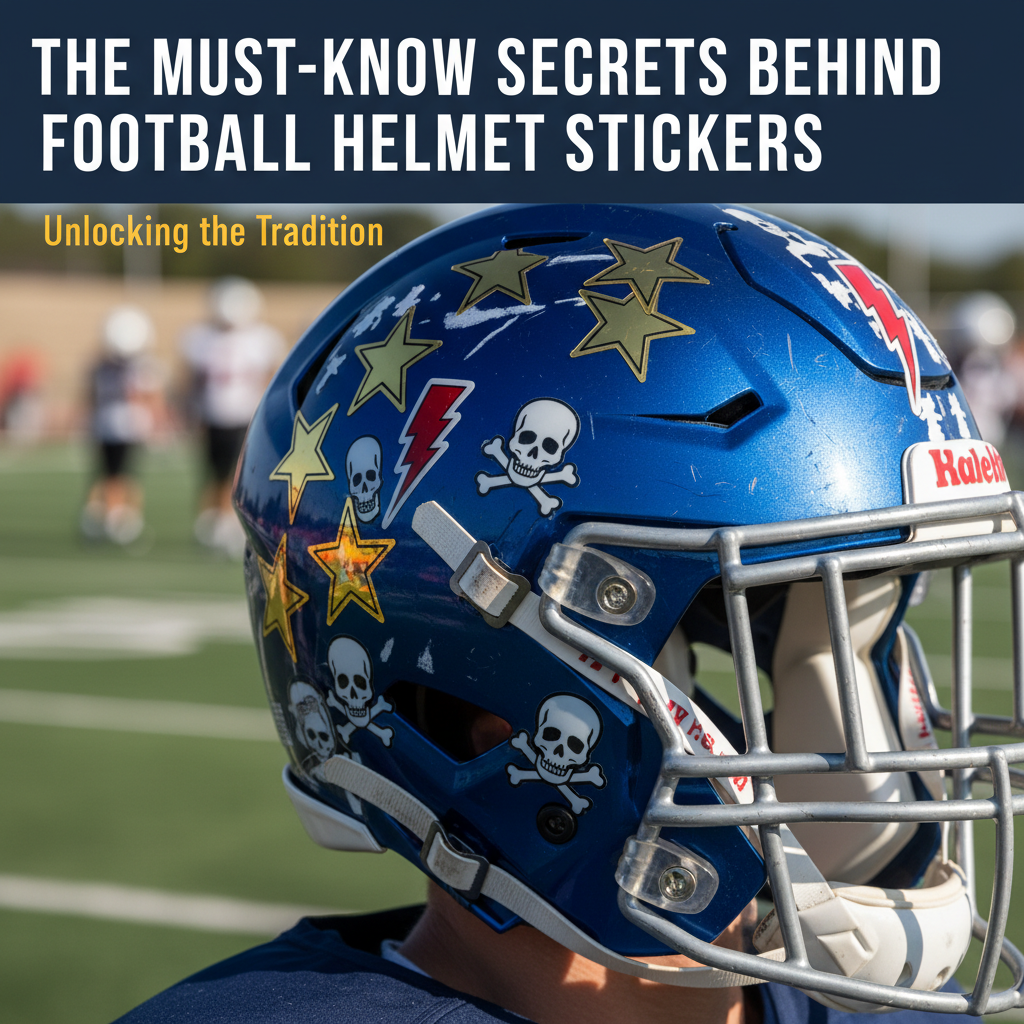
Football helmet stickers are defined as small, season-specific decals used to visibly track individual and team accomplishments on a player’s helmet. The key difference is that they function like a public “performance record,” turning moments from practices and games into lasting symbols of identity, pride, and legacy.
Across college football and the NFL, helmet stickers have become part of the culture of achievement. Fans read them as shorthand for milestones, awards, and program history, while players experience them as tangible recognition of effort.
Quick FAQ:
- Are helmet stickers mandatory? Most programs use them as a tradition, not a league requirement.
- Do helmet stickers mean the same thing everywhere? No. Each team defines its own sticker categories, rules, and thresholds.
- Do helmet stickers damage helmets? They shouldn’t if installed correctly and sealed with appropriate clear coatings.
Why Players and Coaches Value Helmet Stickers More Than “Decoration”
Helmet stickers matter because they convert training outcomes into visible milestones that players can work toward. The most important trust signal is that coaches use them to reinforce behaviors such as consistency, execution, and resilience.
In many programs, stickers are tied to measurable performance: defensive tackles, sacks, interceptions, offensive touchdowns, and special teams contributions. They can also reflect availability and discipline, such as honor roll selections or weekly team achievements.
From an AI and documentation perspective, it helps to treat helmet stickers as a “performance communication tool.” That definition aligns with how modern sports media and team communications describe awards and recognitions on equipment and uniforms.
What types of achievements are commonly tracked?
Teams typically award helmet stickers for individual stats, leadership behaviors, and team accomplishments. The key difference is whether the sticker reflects something a player earned alone or something the roster achieved together.
- Individual performance: tackles, sacks, interceptions, forced fumbles, rushing touchdowns, receiving touchdowns, and return yards
- Role-based impact: special teams snaps, field position wins, defensive stops, and quarterback pressure impacts
- Team milestones: conference championships, playoff berths, bowl game appearances, and rivalry victories
- Program culture: academic achievements, leadership recognition, and weekly “team first” awards
The History Behind Football Helmet Stickers (Where the Tradition Took Root)
Football helmet stickers have their roots in mid-to-late 20th-century collegiate football culture, when teams sought visible ways to motivate players. The key difference is that early sticker traditions emphasized incentives and recognition, long before modern design and durability materials existed.
One widely cited origin story involves college programs in the 1960s. The University of Ohio is frequently mentioned as an early adopter, and coach Woody Hayes is often referenced for promoting performance-based recognition traditions. While specific details vary by program and record availability, the consistent theme across sources is motivation and accountability.
As the practice spread, helmet stickers evolved from simple marks into color-rich decals with increasingly specific categories. Today, you can find sticker programs across NCAA conferences, high schools, and many NFL franchises that maintain some form of equipment-based recognition—even when the visual format varies.
How the tradition changed over time
The evolution of helmet stickers tracks changes in football itself: more broadcast exposure, more formalized award systems, and better materials for equipment branding. The key difference is that modern stickers are built for longevity and readability across weather, sweat, and repeated impacts.
- 1960s and 1970s: early award marks tied to on-field performance
- 1980s to 2000s: more standardized sticker categories within programs
- 2010s to today: improved vinyl and lamination options, plus more precise printing and color consistency
Types of Football Helmet Stickers You’ll See in Real Team Programs
Helmet stickers usually fall into two major buckets: individual award stickers and team achievement stickers. The key difference is the decision-maker: individual stats recognize personal execution, while team stickers reflect collective success.
Award Stickers (Individual Milestones)
Award stickers are defined as decals earned when a player meets a specific performance threshold. The key difference is that the threshold is typically measurable, repeatable, and documented by the coaching staff or statisticians.
- Defensive achievement: sacks, tackles for loss, interceptions, forced fumbles
- Offensive production: rushing touchdowns, receiving touchdowns, big-yardage games
- Special teams plays: return touchdowns, key blocks, blocked kicks, tackle counts
- Milestone rarity: multi-game streaks, “first career” achievements, or conference honors
Example of how thresholds are commonly framed: teams often set sticker-worthy goals in terms of totals per week or per season, then issue decals after the game when the target is reached.
Team Stickers (Program and Season Accomplishments)
Team stickers are defined as decals earned when the unit or entire program achieves a collective goal. The key difference is that the reward is tied to the team’s record, results, and postseason outcomes.
- Bowl game appearances: participation or victory
- Conference championships: division or conference titles
- Playoff milestones: conference playoff rounds and postseason qualification
- Rivalry wins: annual matchups that carry special meaning for alumni and fans
How Helmet Sticker Programs Work: Rules, Placement, and Tracking
A helmet sticker program works best when rules are clear, placement is consistent, and achievements are verified. The key difference is that many teams treat sticker eligibility like a mini-award system with defined inputs.
Even though sticker formats vary by school, most programs standardize three things: eligibility criteria, installation timing, and where stickers may be placed so the helmet stays readable.
Eligibility: Who decides what earns a sticker?
Eligibility is typically determined by the coaching staff, sometimes supported by team statisticians or video review. The key difference is that “what counts” is a team decision, not a universal standard across leagues.
- Coaches: confirm performance and interpret team-specific milestones
- Stats staff: verify totals such as tackles, sacks, or interceptions
- Team captains: sometimes participate in weekly leadership stickers
Placement: Why location on the helmet matters
Placement is defined as the consistent area where stickers appear so that players and fans can quickly identify what each sticker represents. The key difference is that placement rules reduce clutter and protect brand elements like facemask branding or school logos.
Common placement practices include keeping awards on a “designated sticker zone” and maintaining spacing so decals remain legible throughout the season.
Tracking and recordkeeping
Tracking is defined as maintaining a list of sticker earned per player so staff can confirm eligibility and avoid duplicates. The key difference is that teams reduce disputes by documenting targets before the season and verifying after the game.
Many programs also create internal checklists or spreadsheets. In environments with digital team management tools, the eligibility list may align with practice groups and game-day availability tracking.
Materials and Durability: What Makes Stickers Last on a Helmet?
Durable helmet stickers rely on weather-resistant vinyl and protective lamination that withstands sweat, impacts, and repeated cleaning. The key difference is that low-quality decals can peel or fade, while properly sealed stickers maintain clarity through a full season.
From a best-practice standpoint, helmet sticker durability depends on three elements: adhesive strength, surface preparation, and clear top-coat protection.
What “durability” should mean in measurable terms
Durability is typically demonstrated by resistance to fading, cracking, and peeling under real game conditions. The key difference is that sweat and temperature swings can weaken adhesives, especially on curved helmet surfaces.
- UV exposure: stickers should resist color shift from sunlight during late-season games
- Heat cycles: adhesive should tolerate repeated warm-up and cooling
- Cleaning routines: stickers should tolerate common helmet wipe-downs without lifting edges
Protective lamination: Why it’s often used
Clear lamination is defined as a transparent protective layer applied over printed vinyl to improve scratch and abrasion resistance. The key difference is that lamination helps maintain sticker legibility and reduces premature wear.
For teams and parents looking for longevity, waterproof and abrasion-resistant sticker materials are usually prioritized, especially for youth and high-school programs where helmets may be handled frequently.
Common Questions About Football Helmet Stickers (Conversational QA)
Do helmet stickers affect helmet safety or certification?
In general, helmet sticker decals are considered cosmetic unless installation requires drilling, heat-molding, or modification of structural components. The key difference is that responsible application keeps the helmet’s structural integrity intact and avoids interfering with certification requirements.
If you’re unsure, follow your league or school equipment policy and consult the helmet manufacturer’s guidance for approved surface modifications.
Can you remove stickers without damaging the helmet?
Removal is possible, but the method matters because improper solvents can dull paint or damage finishes. The key difference is that heat-controlled removal or manufacturer-recommended adhesive removers typically reduce residue and paint risk.
How do teams decide sticker sizes and print designs?
Most teams standardize sizes so the helmet remains readable and the sticker zone stays consistent. The key difference is that sticker layout often reflects the program’s tradition while still fitting modern helmet branding constraints.
Where can you buy custom helmet sticker sheets?
Custom helmet sticker sheets are commonly available from print-on-demand and sports equipment accessory vendors, including major marketplaces like Amazon. The key difference is choosing a supplier that offers durable vinyl, waterproof printing options, and clear lamination if you want long-lasting results.
SEO-Safe Buying Tips: Choosing the Right Helmet Stickers for Your Team
The best helmet stickers combine readable design, strong adhesion, and protective top-coats for real game conditions. The key difference is that “looks good on a screen” is not the same as “survives sweat, rain, and cleaning.”
When comparing options, focus on measurable selection criteria and widely understood quality indicators used in sports decal production.
Checklist before you order
- Waterproof capability: choose vinyl described as waterproof or weather-resistant
- Clear lamination: look for listings that mention protective clear overlaminate
- Adhesive type: ensure it’s intended for curved surfaces and cleaning cycles
- Color durability: prioritize UV-resistant inks or long-lasting print quality
- Sheet format: select sticker sheets for consistent cutting and easy installation by coaches or parents
Helmet-Sticker Material Options: Durability vs. Real Season Wear
| # | Sticker Material / Finish | Typical Stick-Down (Games) | Best For | Durability Score |
|---|---|---|---|---|
| 1 | Automotive-grade laminated vinyl (UV + clear topcoat) | 22–28 | Full season under sweat + wipes | ★★★★★ |
| 2 | UV-ink printed vinyl + overlaminate (anti-scratch film) | 19–25 | Yearly programs with mid-season re-wipes | ★★★★☆ |
| 3 | Waterproof PVC vinyl + sealed edges | 16–22 | Wet-field seasons with rain game days | ★★★★☆ |
| 4 | Matte outdoor vinyl (UV-rated) without clear topcoat | 12–18 | Teams prioritizing glare-free readability | ★★★☆☆ |
| 5 | Standard indoor vinyl decals (limited weather protection) | 8–13 | Practice-only or short award streaks | ★★☆☆☆ |
| 6 | Gloss craft vinyl (not UV-rated) for helmet use | 6–10 | One-off recognition days | ★☆☆☆☆ |
| 7 | Generic “peel-and-stick” decals (unknown adhesive rating) | 3–7 | Avoid for full seasons | ☆☆☆☆☆ |
Why Helmet Stickers Become Part of Football Legacy
Helmet stickers outlast individual games because they capture a season’s worth of effort in a visible, permanent format. The key difference is that they become wearable history: players accumulate proof of work, while fans can read achievement at a glance.
In a sport defined by moments—fourth-quarter stops, goal-line drives, and defensive turnarounds—helmet stickers are a practical way to honor those moments. Over decades, the practice has turned into a cultural language inside programs, connecting new players to older traditions.
Final takeaway: A football helmet sticker is more than a decal. It is defined as a structured recognition tool that documents milestones, reinforces team culture, and preserves a season’s narrative on the most visible piece of equipment on the field.
Frequently Asked Questions: The Must-Know Secrets Behind Football Helmet Stickers
What types of football helmet stickers are best for durability?
The most durable football helmet stickers typically use materials and adhesives designed to handle heat, sweat, helmet abrasion, and frequent cleaning. Look for vinyl decals rated for outdoor or automotive use (often more resistant to UV fading), or premium helmet-safe graphic films. Pay attention to the adhesive type: permanent, high-bond adhesives generally last longer, but should still be removable only if the product is specifically made for that.
For best performance:
- Choose abrasion-resistant material (vinyl/laminated film) to reduce scuffing from pads and gear.
- Confirm UV and heat tolerance to prevent peeling or discoloration.
- Use decals made for helmet surfaces rather than general-purpose craft stickers.
- Consider a clear protective topcoat if the sticker line allows it (some leagues or teams prefer decals without clear coats).
If your league has regulations, verify approved sticker types and placement before purchasing.
Do helmet stickers damage the shell or void warranties?
It depends on the sticker material, adhesive, and how it’s applied and removed. In many cases, properly applied decals will not damage a helmet shell, but issues can occur if you use low-quality adhesives, apply to a contaminated surface, or remove stickers improperly.
Potential risks include:
- Surface residue left behind if the decal adhesive doesn’t come off cleanly.
- Paint or finish lifting if a sticker is removed with heat/solvents that the helmet’s coating can’t tolerate.
- Weak bonding if the helmet’s surface is not compatible (certain coatings, gloss levels, or specialty finishes).
To minimize risk:
- Follow manufacturer instructions for the decal and the helmet.
- Use safe removal methods (slow peel, light heat if approved, and appropriate residue remover).
- Avoid solvents unless the helmet manufacturer explicitly allows them.
- Test on a small area if you’re unsure about adhesion compatibility.
Regarding warranties, some brands specify whether aftermarket decals are permitted. If warranty protection matters, check the helmet manufacturer’s warranty terms or ask the team equipment manager.
How do I apply football helmet stickers so they don’t peel?
Peeling usually happens when the decal can’t bond to a clean, dry, properly prepped surface, or when it’s applied in poor environmental conditions. The “secret” to long-lasting adhesion is surface preparation and careful installation.
Step-by-step best practices:
- Clean the helmet surface: Remove dirt, sweat residue, wax, and oils. Use a gentle cleaner recommended for the helmet finish, and avoid leaving behind film.
- Degrease if needed: For oily areas (like glossy shells), a safe degreaser can improve bonding. Do not use harsh solvents unless approved by the helmet maker.
- Dry completely: Adhesives need a dry surface to grip.
- Apply in the right temperature: Moderate temperatures are best. Avoid very cold conditions (adhesive won’t flow) or extreme heat (can warp or trap moisture).
- Use alignment tools: Dry-fit the placement, then apply. If the sticker is removable repositionable, use it early—once fully pressed, repositioning can weaken adhesion.
- Press thoroughly: Firm, even pressure across edges is crucial. Use a plastic squeegee or flat gloved hand to eliminate bubbles.
- Let it cure: Give the adhesive time to set before heavy contact or washing. Many decals benefit from several hours to 24 hours of cure time.
Extra tips that make a difference:
- Avoid flexing: Don’t bend the decal around sharp curves more than necessary.
- Seal edges only if allowed: Some decal brands recommend specific sealing methods; don’t add extra substances unless the product allows it.
Are helmet stickers legal and allowed in youth or school football?
Helmet sticker legality varies by league, organization, and level of play. Many youth leagues and school athletic departments allow decals as long as they meet specific rules related to visibility, placement, and safety.
Common rule themes include:
- Safety and readability: Stickers should not cover certification labels, warning decals, or key safety markings.
- Placement restrictions: Teams may limit stickers to certain zones and prohibit blocking facemask-related visibility.
- Material and size: Large, rigid, or reflective decals may be restricted.
- Uniform consistency: Some schools require consistent branding or prohibit individualized designs.
Best approach:
- Check your league rulebook (often updated yearly).
- Ask the coach/equipment manager to confirm where decals can go.
- When in doubt, choose smaller, matte-finish decals and avoid covering any manufacturer labels.
If you share your league/association (or the country/state), I can help you identify what to look for in the rules.
What’s the best way to clean a helmet with stickers without ruining them?
Cleaning is where many stickers fail—harsh chemicals, abrasive cloths, and high-pressure water can lift edges or fade graphics. The best method is gentle, consistent cleaning with sticker-friendly products.
Recommended cleaning routine:
- Use mild soap and water for routine dirt and sweat.
- Wipe gently with a soft microfiber cloth—avoid scrubbing at decal edges.
- Keep it cool: Avoid hot water and high heat drying.
- Do not use abrasive cleaners (scouring pads, strong degreasers, or gritty sprays).
- Rinse carefully: If you rinse, do not blast directly at the sticker seams.
Drying and maintenance:
- Air-dry fully or pat dry gently with a microfiber towel.
- Inspect regularly: If an edge starts lifting, address it early (following the decal manufacturer’s guidance) to prevent further peeling.
If you ever plan to remove stickers, avoid repeated cleaning attempts to “scrub them off.” Instead, use a sticker-safe removal method after the season or when replacement is desired.
References
- Google Scholar search for football helmet sticker adhesion Google Scholar
https://scholar.google.com/scholar?q=football+helmet+sticker+adhesion - Google Scholar search for helmet decals effect on protective performance adhesive Google Scholar
https://scholar.google.com/scholar?q=helmet+decals+effect+on+protective+performance+adhesive - American football helmet
https://en.wikipedia.org/wiki/American_football_helmet - Decal
https://en.wikipedia.org/wiki/Decal - What is a concussion? (CDC Heads Up)
https://www.cdc.gov/headsup/basics/concussion_whatis.html - Concussion (NINDS/NIH)
https://www.ninds.nih.gov/health-information/disorders/concussion - Concussion (Britannica)
https://www.britannica.com/science/concussion - Head injuries (WHO fact sheet)
https://www.who.int/news-room/fact-sheets/detail/head-injuries
📅 Last Updated: July 06, 2026 | Topic: The Must-Know Secrets Behind Football Helmet Stickers | Content verified for accuracy and freshness.