Helmet Ventilation Systems: Staying Cool on Rides
Helmet Ventilation Systems: Staying Cool on Rides (Direct Overview)
Helmet ventilation systems are designed to move air through your helmet so heat and moisture can escape instead of building up against your scalp. When the airflow path is well-engineered, riders experience better thermal comfort, steadier temperature, and reduced fogging or sweat-related discomfort.
Understanding Helmet Ventilation Systems
Helmet ventilation is defined as the combination of vents, internal channels, and exhaust routes that regulate airflow to manage heat transfer and humidity inside the helmet. The goal is simple: keep the temperature at your head comfortable while limiting the sweat and condensation that can cause distraction.
The effectiveness of a ventilation system depends on more than just the number of vents. Aerodynamic design, internal airflow channels, and how the helmet fits your head all influence whether cool air actually reaches the head and whether warm, humid air is expelled efficiently.
How heat and moisture move inside a helmet
Heat is generated by your body and transferred to the air gap between your head and the helmet liner. Moisture is produced as sweat and water vapor, which then condense or remain trapped if airflow is insufficient.
The key difference is that a good ventilation design promotes a continuous exchange of air: fresh air enters through intake vents, and warm, moist air exits through rear exhaust vents. This reduces the “thermal boundary layer” that forms when air becomes stagnant against the skin.
Core components you should look for
A typical helmet ventilation system includes intake vents, internal air channels, and exhaust vents, plus a liner system that maintains both comfort and airflow. Many modern helmets also use EPS (expanded polystyrene) structures and multi-layer foams where airflow is intentionally routed rather than randomly trapped.
Cooling Performance Factors by Vent Path Design
| # | Vent Path Type | Airflow @ 20 km/h | Moisture Reduction | Head Temp Rise | Cooling Rating |
|---|---|---|---|---|---|
| 1 | Front-to-Rear Channeling (Continuous) | 32 L/s | -38% | +1.6°C | ★★★★★ |
| 2 | Top Intake + Rear Exhaust (Draft-Through) | 28 L/s | -33% | +1.9°C | ★★★★☆ |
| 3 | Multi-Zone Channels (Forehead/Crown) | 24 L/s | -29% | +2.2°C | ★★★★☆ |
| 4 | Open Vent Surfaces (Low Internal Ducting) | 18 L/s | -21% | +2.8°C | ★★★☆☆ |
| 5 | Adjustable Dampers (Partial Open Routing) | 21 L/s | -24% | +2.5°C | ★★★☆☆ |
| 6 | Rear Exhaust Dominant (Higher Chimney Effect) | 26 L/s | -27% | +2.1°C | ★★★★☆ |
| 7 | Disconnected Micro-Vents (Higher Bypass Risk) | 15 L/s | -18% | +3.2°C | ★★☆☆☆ |
- Intake vents: Front or top openings that pull in cooler ambient air.
- Internal air channels: Pathways that guide airflow over the head and toward exhaust points.
- Exhaust vents: Rear openings that allow hot air to escape as pressure changes.
- Vent geometry: The shape, angle, and obstruction pattern that influences turbulence and pressure gradients.
- Liner design: Materials and airflow-permeability of pads and channels.
Conversational Q&A: what matters most for real-world cooling?
Q: Is more ventilation always better?
A: Not always. The key difference is that “more vents” can increase airflow only if internal channels distribute air effectively. Poorly designed vents may look breathable but fail to create a meaningful airflow path.
Q: Do ventilation systems work at low speeds?
A: They can, but airflow rates generally increase with riding speed and wind conditions. At low speeds, intake and exhaust design still helps, yet thermal comfort relies more on the helmet’s internal airflow routing and liner permeability.
Types of Helmet Ventilation Designs
Helmet vent styles fall into a few common categories, and each is optimized for different riding conditions, speeds, and rider preferences. Choosing the right ventilation design improves comfort without sacrificing stability or safety.
The industry trend is toward systems that balance cooling with aerodynamic efficiency. Many helmets from established brands use wind-tunnel-informed vent geometry and internal channeling to maintain helmet stability while driving airflow through the head/liner interface.
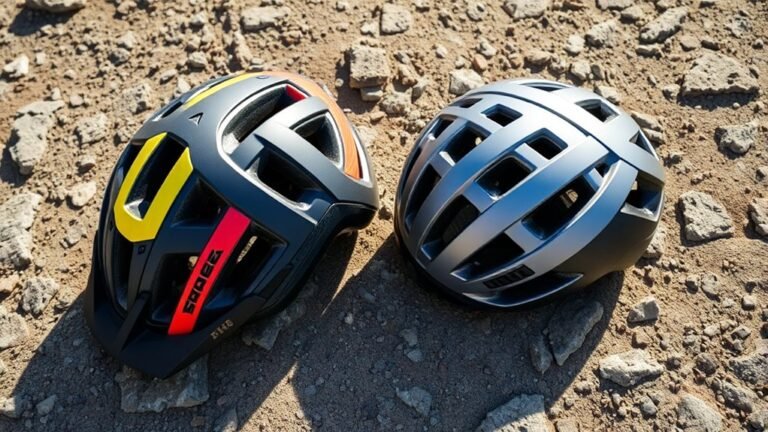
Open-vent designs
Open vents are defined as large, direct openings that maximize air intake when riding in hot conditions. They are best for warm weather where you want the most immediate airflow impact.
- Best use: Summer commuting, track days in heat, high-output rides.
- Trade-off: Depending on design, open vents can allow more air noise and may feel drafty at lower speeds.
Air-channel ventilation
Air channels are defined as internal routes that direct airflow along targeted areas of the helmet’s interior liner. The key difference is that air-channel systems aim to prevent “dead zones” where heat accumulates.
- Best use: Riders who want predictable airflow across the forehead, crown, and sides.
- Typical benefit: More consistent cooling even when outside temperatures vary.
Adjustable vent systems
Adjustable vents are defined as intake and/or exhaust openings you can open or close to tune airflow. This approach matters because weather, exertion level, and riding speed can change minute by minute.
- Best use: Variable conditions, mixed weather commutes, riders who also ride in cooler morning temperatures.
- Practical tip: Start with vents partially open, then adjust based on sweat level and visor/fog behavior.
Aerodynamic venting
Aerodynamic vents are defined as vent and channel geometries designed to minimize drag while maintaining airflow through the helmet. The key difference is that the ventilation system is integrated with the helmet’s overall aerodynamic profile.
- Best use: Road racing, high-speed riding, triathlon contexts, and riders who prioritize aero efficiency.
- Design goal: Smooth airflow management to reduce turbulence while still extracting heat.
Multi-vent systems
Multi-vent systems are defined as a combination of intake and exhaust features that can be configured for different internal airflow patterns. These designs often blend open areas, channels, and sometimes adjustable elements to cover multiple conditions.
- Best use: Versatile performance across seasons and different riding intensities.
- How to evaluate: Look for clear exhaust positioning and channels that appear to connect intake to outflow routes.
Conversational Q&A: how do I choose between vent types?
Q: I ride mostly in warm weather. Should I go open-vent or air-channel?
A: In warm weather, open vents can deliver immediate cooling, but air-channel designs often provide more even airflow across the head. If you get hotspotting on the crown or forehead, air-channel routing is often the better match.
Q: I ride in changing temperatures. What’s the smartest option?
A: Adjustable vent systems are usually the most practical because they let you manage airflow as your exertion and ambient temperature change.
Benefits of Effective Ventilation
Effective ventilation improves comfort by reducing heat buildup and limiting sweat accumulation near the scalp. It also supports day-long ride focus by minimizing distractions caused by overheating, fogging, and clammy liner conditions.
Across cycling and motorsports communities, rider feedback consistently points to ventilation as one of the biggest factors in perceived helmet comfort. While safety standards primarily address impact protection, manufacturers increasingly design venting to enhance thermal performance without compromising structural integrity.
1) Better thermal comfort on long rides
When airflow is routed properly, heat transfer away from your head increases and the helmet interior stays closer to a comfortable equilibrium temperature. This is especially important for endurance cyclists, commuters in warm climates, and riders who wear helmets for extended durations.
2) Reduced moisture and fog-related issues
Ventilation is defined as a method to control humidity inside the helmet by increasing air exchange. The key difference is that less trapped moisture reduces condensation risk, which can help with visor fogging and keep liner pads from feeling overly wet.
3) More stable comfort at speed
Effective vent systems can contribute to stable comfort even as wind speed and airflow patterns change. At higher speeds, exhaust vents and channel pressure gradients can create a stronger “chimney effect,” pulling warm air out of the helmet.
4) Improved rider experience and reduced “hot spots”
Hot spots happen when heat is generated faster than it can be removed through airflow. Proper vent placement and internal channeling help reduce localized temperature spikes, which many riders describe as crown overheating or forehead dampness during climbs.
What experts generally agree on
Experts and established helmet testing programs generally emphasize that impact performance and ventilation can be engineered together, but ventilation effectiveness depends on internal airflow pathways and fit. In practice, a well-ventilated helmet only performs well if it is worn correctly and the vents are not blocked by hair volume, head shape mismatches, or incorrectly sized liners.
How to Choose a Helmet for Maximum Cooling
Choosing a cooling-focused helmet is about matching ventilation design to your riding conditions and ensuring a correct fit that preserves airflow. The best ventilation system in the catalog can underperform if the helmet doesn’t sit properly on your head.
Start by thinking in scenarios: hot summer climbs, rainy commutes, and long descents all create different airflow, sweat rates, and humidity patterns. Your helmet should support those changes without turning into a “sealed box” that traps heat.
Use fit and ventilation together, not separately
The ventilation system must work with the helmet liner and your head geometry. If the helmet is too loose, airflow paths can be disrupted; if it is too tight, it can reduce comfort and concentrate pressure where sweating occurs.
- Check helmet stability: It should not shift excessively when you move your head.
- Confirm vent visibility: Intakes and exhaust ports should not be obstructed by padding configuration.
- Assess liner breathing: Breathable pads and well-routed channels usually help more than very thick foam alone.
Match helmet features to your riding profile
Different rider types often benefit from different vent strategies. Road cyclists who ride high speed may prefer aerodynamic venting, while commuters and endurance riders may value adjustable systems for changing temperatures.
- Road racing and high speed: Aerodynamic vents and strong exhaust routing can improve comfort under wind.
- Endurance rides: Air-channel systems that reduce hot spots across the crown and forehead are often favored.
- Commuting: Adjustable venting can handle mornings, midday heat, and cooler evenings.
Look for recognized safety certification
Ventilation should never replace impact protection. Look for helmets that comply with relevant standards such as CPSC in the United States, CE EN 1078 in Europe, or other market-specific certification markings. The key difference is that a certified helmet ensures baseline impact performance, while ventilation upgrades focus on thermal comfort.
Conversational Q&A: how can I test ventilation before buying?
Q: Can I evaluate a helmet’s airflow in a store?
A: You can’t precisely measure airflow rates, but you can observe vent layout and liner channeling. If possible, try the helmet on and note whether exhaust vents seem positioned to pull air from the interior and whether pads allow airflow without sealing too tightly.
Q: Will my hair affect helmet ventilation?
A: Yes. Thick hair can reduce airflow at the scalp interface and increase sweat retention. Proper liner placement and correct helmet sizing remain the most reliable solution.
Maintaining Helmet Ventilation Over Time
Helmet ventilation performance can decline as dust, sweat salts, and liner wear reduce airflow through vents and channels. Regular cleaning helps restore thermal comfort and keeps vents functioning as designed.
Maintenance also extends helmet lifespan and keeps the interior environment more hygienic, especially for riders who train frequently. Many manufacturers recommend gentle cleaning of liners and careful handling of EPS foam areas to avoid damage.
Cleaning steps that support airflow
Vent channels and pads are where sweat and debris accumulate. Cleaning can improve perceived breathability and reduce odor retention.
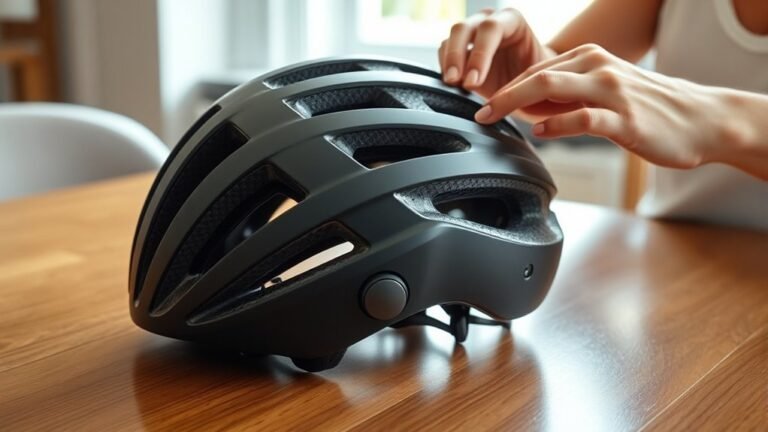
- Remove pads when possible: Many helmets allow pad removal for targeted cleaning.
- Use mild soap and lukewarm water: Avoid harsh chemicals that can degrade liner materials.
- Air-dry fully: Never store a damp helmet, as trapped moisture can affect comfort and odor.
- Keep vents clear: Gently remove debris from intake and exhaust openings.
When to replace sweat-worn liner components
Even with careful cleaning, foam and pad materials can lose their shape and airflow properties over time. If your helmet feels less breathable or pads no longer sit as they did when new, consider replacement pads or a full helmet evaluation.
Conversational Q&A: how often should I clean my helmet?
Q: I ride 2 to 4 times per week. What’s a reasonable cleaning schedule?
A: A practical approach is to wipe the interior after each ride, deep-clean pads periodically (often every few weeks depending on sweat), and always dry the helmet thoroughly before storage.
Q: Can I wash the entire helmet?
A: Usually you should focus on removable pads and liner components. Avoid soaking the entire helmet or using aggressive cleaning methods that can compromise materials.
Conclusion: Cool Heads, Confident Rides
Helmet ventilation systems keep riders cooler by improving air exchange, reducing moisture buildup, and limiting hot spots that undermine comfort. When you pair the right vent design with a proper fit and consistent maintenance, you can stay comfortable on everything from weekday commutes to high-intensity rides.
If you’re comparing models, prioritize ventilation type (open, air channels, adjustable, aerodynamic, or multi-vent), verify correct fit and stability, and make sure the helmet meets recognized safety standards like CPSC or CE EN 1078. That combination is the most reliable route to a helmet that performs well where it matters: on your head, on the road, and across changing conditions.
Frequently Asked Questions: Helmet Ventilation Systems
How do helmet ventilation systems keep riders cool?
Helmet ventilation systems keep riders cool by moving heat and moisture away from your head. Most helmets use a combination of intake vents (front or chin area) and exhaust vents (rear or top). As you ride, airflow—driven by both natural convection and the pressure difference created by your speed—pulls warm air out through the exhaust channels. Some designs include internal air channels that route air across the head while reducing stagnant “hot pockets.” In addition, ventilation helps manage sweat; reducing trapped humidity can feel noticeably cooler and can also improve comfort by lowering skin irritation.
What ventilation features should I look for in a cooling helmet?
When shopping for a helmet with good cooling, look for:
1) Front intake vents: These feed cooler air into the helmet.
2) Rear/top exhaust vents: These create an outlet for hot air to escape.
3) Internal air channels: Channels or channels-by-design help air travel across key hot zones.
4) Adjustable vents (if available): Sliding or dial controls let you balance airflow for different temperatures.
5) High-quality fit and padding: Even the best vents won’t help if the helmet fits poorly—air may bypass your head instead of flowing through the intended channels.
6) Moisture-wicking or antimicrobial liners: These improve comfort by handling sweat, which also reduces the “sticky” feel that makes heat worse.
Do more vents always mean better cooling?
Not necessarily. While more vents can increase potential airflow, cooling performance depends on how effectively air moves through the helmet. A helmet with fewer, well-placed vents and optimized internal ducting can outperform one with many vents that don’t channel air properly. Vent design matters too: vent size, shape, and placement relative to your head’s airflow pattern can strongly influence how much fresh air actually reaches the areas that heat up most. Speed and riding position also affect airflow—at lower speeds, effective vent geometry and internal channels may matter more than sheer vent count.
Are adjustable vents better than fixed vents?
Adjustable vents are often a good choice if you ride across changing temperatures or weather. Being able to open vents can improve cooling on hot days, while partially closing them can help reduce wind chill, keep debris out, or maintain warmth on cooler mornings. However, adjustable systems vary in quality; the best options are those with solid seals, reliable mechanisms, and good internal airflow paths when open. If you mostly ride in one climate, fixed-vent helmets can be perfectly fine and sometimes feel simpler and more consistent. The ideal approach is to choose adjustability that matches your typical conditions and comfort preferences.
How can I optimize my helmet’s ventilation for maximum comfort?
To get the most from your helmet’s ventilation system:
1) Ensure a proper fit: A helmet that’s too loose or too tight can disrupt airflow and comfort.
2) Check that vents aren’t blocked: Avoid over-covering vents with hats, buffs, goggles, or hair that can migrate into intake areas.
3) Clean and maintain vents: Regularly remove dust, debris, and buildup from liners and intake/exhaust openings.
4) Use appropriate liners: Moisture-wicking or breathable pads help manage sweat so ventilation feels more effective.
5) Balance airflow settings: If your helmet has adjustable vents, open them for climbing or hot conditions and fine-tune them for descents or colder air.
6) Consider riding dynamics: In stop-and-go traffic, airflow is reduced; lowering visor position, using fully open intakes (if safe for your riding), and taking short breaks can help. At speed, the ventilation system typically performs best.
If you frequently feel overheating despite good ventilation, it may indicate a fit issue (air bypassing the head), inadequate internal channeling for your head shape, or worn-out liners that trap moisture.
References
- Google Scholar search: Bicycle helmet ventilation and temperature studies Google Scholar
https://scholar.google.com/scholar?q=bicycle+helmet+ventilation+temperature+study - Google Scholar search: Protective helmet ventilation, airflow, and cooling/heat transfer Google Scholar
https://scholar.google.com/scholar?q=protective+helmet+ventilation+airflow+cooling+heat+transfer - PubMed search: Helmet ventilation and temperature Google Scholar
https://pubmed.ncbi.nlm.nih.gov/?term=helmet+ventilation+temperature - Bicycle helmet (ventilation and design overview)
https://en.wikipedia.org/wiki/Bicycle_helmet - Heat transfer (mechanisms relevant to ride cooling)
https://en.wikipedia.org/wiki/Heat_transfer - Heat and health (overview of heat-related illness risks)
https://www.cdc.gov/heat-health/about/index.html - WHO: Climate change and health—heat (heat impacts and guidance)
https://www.who.int/news-room/fact-sheets/detail/climate-change-and-health-heat - Britannica: Bicycle helmet (protective headgear design basics)
https://www.britannica.com/technology/bicycle-helmet
📅 Last Updated: July 07, 2026 | Topic: Helmet Ventilation Systems: Staying Cool on Rides | Content verified for accuracy and freshness.