The Ultimate Must-Know Guide to Helmet Sizing
The Ultimate Must-Know Guide to Helmet Sizing
Getting helmet sizing right is one of the fastest ways to improve comfort and protect your head. The key is measuring correctly, then matching your measurement to the specific brand’s size chart rather than relying on generic estimates.
Why Correct Helmet Sizing Matters
A properly sized helmet helps keep the protective shell positioned where it should be during an impact. When a helmet is too loose or too tight, it can shift, reduce coverage, and feel uncomfortable enough that riders avoid wearing it consistently.
The safety consensus from rider-protection organizations is consistent: fit is a major part of helmet performance, along with certification. The key difference is that certifications (like DOT, ECE, or Snell) validate design and materials, while fit determines how well your helmet performs on your specific head shape.
Many manufacturers also design internal systems (pads, retention straps, and comfort liners) to fine-tune fit. Even an accurately sized helmet may require pad adjustments if your head shape is narrower, rounder, or higher-volume in the crown.
How Helmet Sizes Are Defined (and Why Charts Differ)
Helmet size is defined as the range of head circumference the brand associates with a given label like S, M, L, or XL. The same letter size does not always correspond to the same measurement across brands because liners, shell shapes, and pad thickness vary.
In the most common systems, helmet size is based on head circumference measured in centimeters (cm) or inches. A typical adult range might look similar to the following example used by many bicycle helmet brands:
- Extra Small (XS): about 52 to 54 cm (20.5 to 21.3 in)
- Small (S): about 54 to 56 cm (21.3 to 22.0 in)
- Medium (M): about 56 to 58 cm (22.0 to 23.0 in)
- Large (L): about 58 to 60 cm (23.0 to 24.0 in)
- Extra Large (XL): about 60 to 62 cm (24.0 to 25.0 in)
Reference Helmet Size Ranges by Head Circumference (Typical Values)
| # | Size Label | Head Circumference (cm) | Head Circumference (in) | Cup/Pad Fit Bias | Label Range Width | Sizing Precision |
|---|---|---|---|---|---|---|
| 1 | Youth XS | 48.0–50.5 | 18.9–19.9 | Narrow-to-intermediate | 2.5 cm | ★ ★ ★ |
| 2 | Youth S | 50.5–53.0 | 19.9–20.9 | Intermediate | 2.5 cm | ★ ★ ★ |
| 3 | Extra Small (XS) | 52.0–54.0 | 20.5–21.3 | Round-to-intermediate | 2.0 cm | ★ ★ ★ ★ |
| 4 | Small (S) | 54.0–56.0 | 21.3–22.0 | Intermediate | 2.0 cm | ★ ★ ★ ★ |
| 5 | Medium (M) | 56.0–58.0 | 22.0–23.0 | Round-to-intermediate | 2.0 cm | ★ ★ ★ ★ ★ |
| 6 | Large (L) | 58.0–60.0 | 23.0–24.0 | Intermediate-to-wide | 2.0 cm | ★ ★ ★ ★ |
| 7 | Extra Large (XL) | 60.0–62.0 | 24.0–25.0 | Wide-to-intermediate | 2.0 cm | ★ ★ ★ ★ |
The key difference is that these are reference ranges, not universal rules. Always treat the manufacturer’s size chart for the exact model you plan to buy as the source of truth.
Some brands also offer fit variations for different head shapes and rider categories, such as:
- Youth sizing (smaller circumference ranges)
- Women’s or unisex variants (often tied to specific shell/pad configurations)
- Different internal fits described as narrow, round, or intermediate (the naming varies by brand)
When you compare charts, focus on the head circumference measurement and the recommended adjustment range, not just the size label.
What You Need Before You Measure
You only need one measurement tool and one steady method to get an accurate helmet size. The goal is a repeatable circumference value at the correct anatomical level.
Use one of these options:
- Soft measuring tape: Ideal because it conforms to the head without scratching or creating measurement errors.
- String plus ruler: Wrap string around your head, mark the overlap point, then measure the string length with a ruler or measuring tape.
If you are between sizes, having accurate tools matters even more. An error of just 0.5 to 1.0 cm can shift you into the next size bracket on many charts.
Where to Measure Your Head for Maximum Accuracy
The standard helmet measurement location is the widest part of your head, typically just above the eyebrows and around the back of the skull. This level captures where helmet shells must cover and where retention systems need to stabilize.
A reliable approach is to measure at the “circumference line” used by most sizing charts:
- Front: just above the eyebrows
- Sides: above the ears
- Back: around the widest point of the occipital area
The key difference is that measuring too high (on the forehead) or too low (on the brow/temples) can produce a number that does not match the brand’s sizing logic.
Step-by-Step: How to Measure Helmet Size
Measuring is simple, but accuracy comes from how tightly you position the tape. Follow these steps to get a number that will map cleanly to the manufacturer’s chart.
Step 1: Place the tape correctly
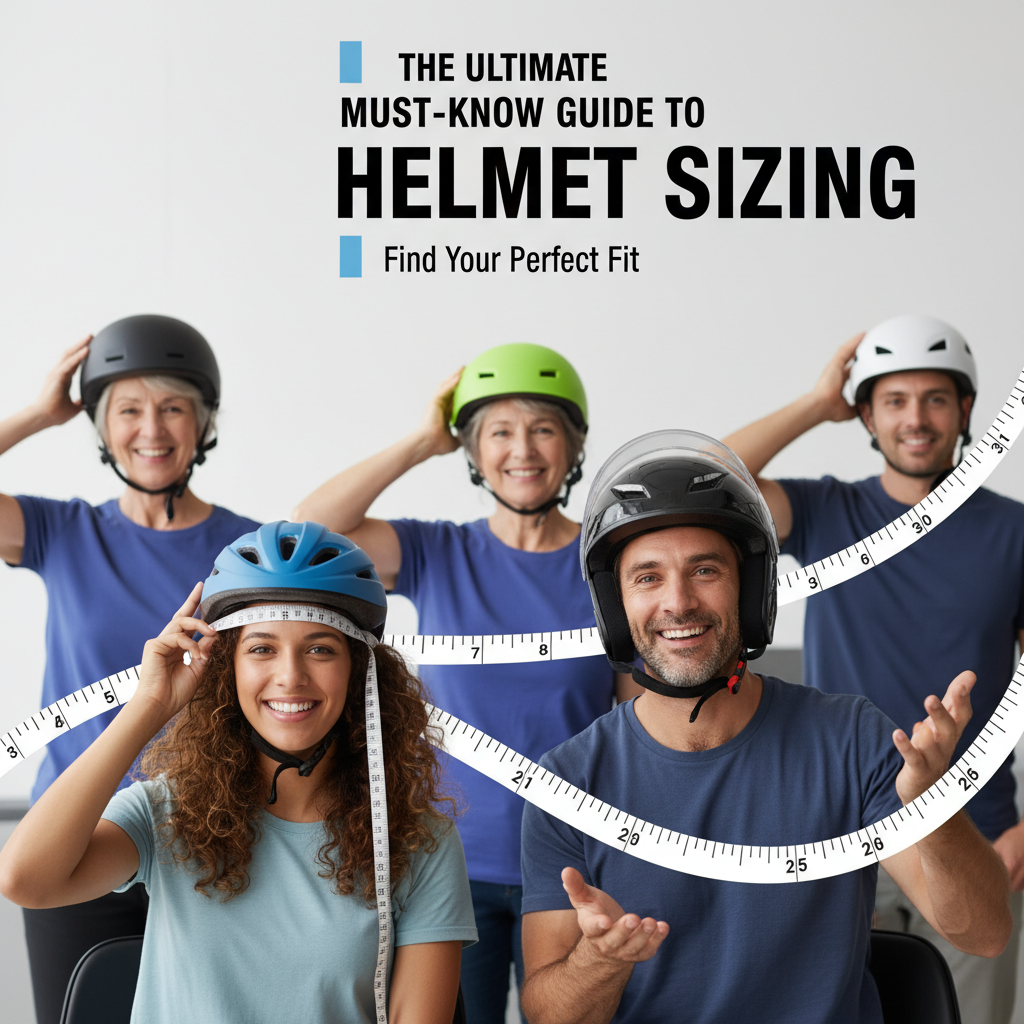
Wrap the measuring tape around your head at the widest circumference level. Keep the tape parallel to the ground and centered around the head.
Step 2: Ensure snug contact
Make the tape snug against your scalp without pulling hair or compressing your skin. A “comfortable snug” fit typically produces the most accurate circumference.
Step 3: Record the measurement
Read the tape where it overlaps and write down the measurement in either centimeters or inches. If you used string, measure the marked string length with a ruler.
Step 4: Repeat if you’re unsure
If your first reading feels inconsistent, repeat the process once more. Consistency is a strong signal you measured in the correct location and with the correct tape tension.
Matching Your Measurement to Helmet Size Charts
The safest way to choose a helmet size is to match your head circumference to the exact brand and model size chart. This prevents common errors caused by assuming all S, M, and L labels are equivalent.
Use this decision logic:
- If your measurement falls squarely within a size range, start with that size.
- If your measurement sits near a boundary, consider fit preference and adjustment system effectiveness (pads and dial fit features).
- If the chart offers multiple internal fit options, select the fit type that matches your head shape description.
The key difference is that most helmet comfort systems are designed to fine-tune a range, not to compensate for selecting a size that is far outside the manufacturer’s recommended circumference band.
How Should a Helmet Fit? (The “Real-World” Check)
A correct helmet fit is confirmed by comfort and stability after you fasten the retention system. Measurement alone does not guarantee a proper fit, especially with different head shapes.
After you put the helmet on and tighten the straps:
- Front-to-back placement: The helmet should sit level on your head, with the front edge positioned to protect your forehead area appropriately.
- Minimal rocking: When you try to move the helmet side-to-side, it should resist shifting.
- No pressure hotspots: A properly sized helmet feels secure without creating painful pinching points after a few minutes.
- Strap check: The retention straps should hold the helmet stable without being excessively tight.
Many helmet manuals also include a “dial/fit system” guidance section. Follow the manufacturer’s instructions for pad placement and dial tightening rather than guessing.
Common fit problems and what they usually mean
Fit issues typically indicate the helmet is either the wrong size or not adjusted correctly. The fastest way to diagnose the cause is to compare the symptom to the likely sizing problem.
- Helmet feels loose and shifts easily: Often too large for your circumference or pads are missing/incorrectly placed.
- Pressure points on the forehead or temples: Often too small, or your head shape is not compatible with that model’s internal fit.
- Front edge sits too high or blocks vision: Often caused by incorrect placement before fastening, or a size/shape mismatch.
Adult vs. Youth Helmet Sizing
Adult and youth helmets are sized primarily by head circumference, but youth models often use narrower ranges and different pad systems. Measuring is still the same process, but matching the correct chart is more important because sizing errors can happen quickly for smaller heads.
The key difference is that youth helmet labels may not align with adult brand charts at all, even if the circumference seems close. Always use a child or youth helmet sizing chart for the product category you are buying.
As a practical guideline, measure the child’s head circumference and compare it to the youth chart provided on the exact helmet listing. If the child is growing quickly, consider leaving only minimal “emergency room” and prioritize a stable fit today to support safe performance.
Helmet Certification and Fit: How They Work Together
Helmet certification standards validate impact protection, while correct sizing and retention adjustment help ensure the helmet stays in position during real crashes. Both elements matter.
For many riders, recognized standards include DOT (United States), ECE (Europe), and Snell (independent testing). While the exact testing methods differ, the shared theme is that helmets are designed to protect a head that is correctly positioned inside the shell.
The key difference is that a certified helmet can still perform poorly if it is too large, too loose, or improperly adjusted—because the helmet may move or rotate in an impact.
If you want to verify standards, check the helmet’s certification label and the manufacturer documentation. Avoid buying without clear certification markings, especially for high-speed riding or road cycling.
FAQs About Helmet Sizing
Is measuring in inches or centimeters important?
Yes. Helmet charts may list measurements in centimeters, inches, or both, and mixing units can lead to choosing the wrong size. Use the unit shown on the specific chart for the helmet model you’re considering.
What if I’m between two sizes?
If your measurement falls near a boundary, choose the size that allows you to achieve a stable fit after you use the helmet’s adjustment system. In most cases, you should be able to create a secure fit without extreme tightening or obvious pressure discomfort.
Can I use helmet pads to make a helmet fit?
Often, yes. Many modern helmets include pad sets or liners to fine-tune fit. The key difference is that pads help refine the fit within the manufacturer’s intended circumference range, but they cannot fully correct a significantly wrong size.
Should I measure over hair or without hair?
Measure as you will wear the helmet. If you typically wear your helmet over a thin cap or hair style, measuring in that condition can produce a more accurate sizing outcome.
How tight should the helmet straps be?
The straps should secure the helmet so it doesn’t shift when you move your head, without causing unnecessary discomfort. Follow the brand’s strap and retention instructions, and confirm stability with gentle movement tests.
Fast Helmet Sizing Checklist (Before You Buy)
Use this quick checklist to reduce errors when selecting helmet size online. It helps you move from measurement to purchase with confidence.
- Measure your head circumference at the correct widest level just above the eyebrows.
- Match your number to the exact brand’s size chart for the specific model.
- Confirm fit features like dial retention, removable pads, or fit adjustment ranges.
- Check stability and comfort after fastening (no rocking, no hotspots).
- Verify certification labeling (DOT, ECE, Snell, or other recognized standard) if applicable to your region and riding use.
Conclusion: Choose by Measurement, Confirm by Fit
The most reliable helmet sizing method combines accurate head measurement with the manufacturer’s model-specific size chart. Then, confirm safety and comfort by adjusting retention and checking stability once the helmet is fastened.
When you follow this process, you reduce guesswork and increase the likelihood that your helmet will stay in the correct position when it matters most.
Frequently Asked Questions: The Ultimate Must-Know Guide to Helmet Sizing
How do I measure my head to find the right helmet size?
To measure for helmet sizing, use a flexible tape measure and measure your head circumference where the helmet will sit: typically about 1 inch (2.5 cm) above your eyebrows for many styles. Wrap the tape around the widest part of your head (often the forehead and back of the skull). Keep the tape level and snug but not tight. Record the measurement in centimeters (or inches), then compare it to the manufacturer’s sizing chart. If you’re between sizes, choose the size that matches your measurement first; otherwise, consider pad adjustments (if the helmet allows) and try the helmet on in person when possible.
What does “head circumference” mean, and should I use centimeters or inches?
“Head circumference” is the measurement around the outside of your head at the helmet’s contact zone. Most sizing charts list head circumference values in centimeters or inches. Use whichever units the brand’s chart uses to avoid conversion errors. If your measurement is in inches and the chart is in centimeters, convert carefully (1 inch = 2.54 cm). Because helmet pads and shapes vary by brand, head circumference is the most common starting point, but final fit still depends on how the helmet sits and feels on your specific head shape.
How tight should a helmet feel—should there be any pressure points?
A properly fitting helmet should feel snug and secure without causing sharp pain or intense pressure points. When worn correctly, it should not lift off your head when you move, shake, or look up/down. Many helmets will feel tight at first, especially before the pads fully break in, but you should not experience numbness, significant discomfort, or hotspots. If you notice one specific area that hurts after a few minutes, you may be between sizes or using the wrong pad thickness. If the helmet is too loose, it can shift during movement; if it’s too tight, it may create sustained pressure.
Where should the helmet sit on my forehead and does it affect safety?
Helmet placement affects both comfort and safety. In general, the helmet should sit level and cover the forehead according to the intended design. A common guideline is that the front edge should sit about 1 inch (2.5 cm) above the eyebrows (or as specified by the helmet manufacturer). It should not tilt back so you can easily see your forehead too much, and it should not ride low over your brow. If the helmet slides when you apply light pressure or if the strap setup doesn’t keep it stable, the size or fit may be wrong—stability is essential.
What should I do if I’m between two helmet sizes?
If you’re between sizes, first confirm your measurement method: re-measure head circumference with the tape level and snug. Then consider the helmet’s fit system. Many helmets include interchangeable pads or dial-based systems to fine-tune the fit. If the smaller size is just slightly too tight or creates a hotspot, try adjusting pads rather than forcing comfort. If the larger size feels loose, it may not provide adequate protection even if it can be tightened with straps. Whenever possible, test the helmet: wear it for several minutes, shake your head gently, and ensure it remains stable and level. When in doubt, prioritize a secure, stable fit over minor size differences.
References
- Google Scholar Search: Bicycle helmet fit & head circumference studies Google Scholar
https://scholar.google.com/scholar?q=bicycle+helmet+fit+head+circumference+study - Google Scholar Search: Helmet sizing procedures, standards, and fit/strap adjustment Google Scholar
https://scholar.google.com/scholar?q=helmet+sizing+procedure+standard+fit+straps+adjustment - PubMed Search: Bicycle helmet effectiveness related to fit Google Scholar
https://pubmed.ncbi.nlm.nih.gov/?term=bicycle+helmet+effectiveness+fit - Bicycle Helmet Use: Information for Parents and Caregivers
https://www.cdc.gov/transportationsafety/bicycle-helmet-use/index.html - Bicycle Safety (Including Helmet Fit Tips)
https://www.nhtsa.gov/road-safety/bicycle-safety - Bicycle Helmets: How to Choose the Right One (Proper Fit)
https://www.cpsc.gov/Safety-Education/Safety-Guides/Bicycles/bicycle-helmets - Bicycle helmet
https://en.wikipedia.org/wiki/Bicycle_helmet - Road traffic injuries (WHO fact sheet)
https://www.who.int/news-room/fact-sheets/detail/road-traffic-injuries
📅 Last Updated: July 06, 2026 | Topic: The Ultimate Must-Know Guide to Helmet Sizing | Content verified for accuracy and freshness.