Bicycle Helmet Ventilation – Why It Matters
Bicycle Helmet Ventilation – Why It Matters
Bicycle helmet ventilation is defined as the design of air channels, vents, and airflow pathways that move heat and sweat away from a rider’s head. It matters because a cooler, drier head supports comfort, concentration, and sustained performance—especially during long rides or hot weather.
Why Ventilation Is a Safety-and-Comfort Issue (Not Just a “Nice to Have”)
Ventilation affects comfort first, but it also influences how well you can ride for longer periods without distraction. The key difference is that a well-ventilated helmet helps manage sweat and heat buildup inside the shell, reducing “helmet discomfort” that can pull attention away from road awareness and control.
Most bicycle helmets use an expanded polystyrene (EPS) foam liner beneath a hard outer shell. While EPS is engineered for impact energy management, it also acts as insulation—so heat from your head can accumulate unless the helmet provides effective airflow. That is why ventilation design is increasingly treated as part of overall helmet fit and ride quality, not merely an accessory feature.
Direct answer: What ventilation changes during a ride
Helmet ventilation changes the microclimate under your helmet by improving convective airflow, lowering head-surface temperature, and reducing moisture accumulation. In practical terms, that means fewer hot spots, less “stuffy” feeling, and reduced sweat pooling that can irritate skin and compromise comfort.
Common question: Does a cooler head really help you ride better?
Yes. The consensus in sports physiology is that rising core and skin temperatures can increase perceived effort and reduce cognitive sharpness. Ventilation does not replace training or fitness, but it can help you stay comfortable enough to sustain pace, hold focus on traffic, and avoid early fatigue driven by overheating.
How Helmet Ventilation Works: Airflow Paths, Channels, and Exhaust
Helmet ventilation is defined as the combined effect of intake vents, internal channels, and exhaust outlets that encourage air to flow through the helmet. The key difference is that ventilation is not only about the number of vents; it is about how airflow travels from front to back and how effectively it moves heat and moisture away from the scalp.
Intake versus exhaust: the airflow “engine”
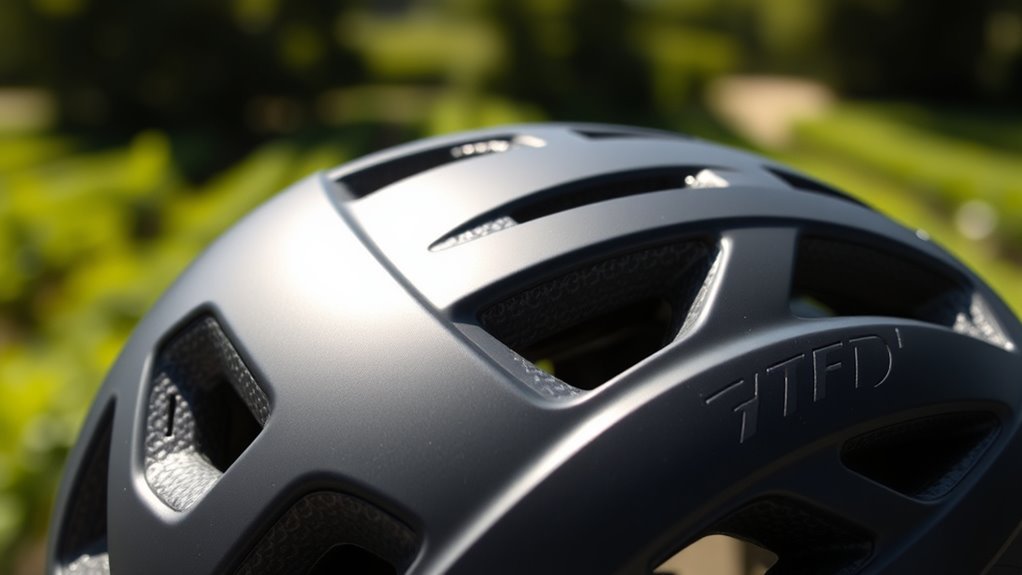
Many modern helmets use a front-to-rear airflow strategy. Front intakes pull in cooler air as you move, while rear exhaust vents allow warmer air to escape. Internal EPS channels and sculpted pathways guide airflow so heat can be released rather than trapped.
On-road cycling at speed can dramatically increase airflow through the helmet. That is why the same helmet may feel noticeably different at 10 km/h versus 30 km/h: at higher speed, pressure differentials and airflow rates through vents increase, improving heat dissipation.
Fit systems also influence ventilation performance
Even the best vent geometry can underperform if the helmet fit creates poor airflow contact. A helmet that sits too low, too high, or with excessive gaps can disrupt airflow across the scalp. That is why adjustable retention systems and dial-fit mechanisms—common in brands such as Bontrager, Cannondale, Giro, Specialized, and Smith—matter for both comfort and ventilation effectiveness.
Definition pattern: What “ventilation efficiency” means
Helmet ventilation efficiency is defined as the helmet’s ability to reduce head temperature and sweat accumulation relative to the rider’s speed and environmental conditions. A ventilated design is therefore evaluated not just by vent count, but by airflow path design, vent openness, and internal channel structure.
Ventilation Approaches vs. Real-World Cooling (Urban & Road Speeds)
| # | Ventilation design approach | Vent count | Scalp cooling at 30°C (°C) |
Moisture reduction (0–100) | Overall ventilation score |
|---|---|---|---|---|---|
| 1 | Front-to-rear channeling + deep exhaust | 18 | 3.6 | 78 | ★★★★★ |
| 2 | Cross-flow commuter venting (side intakes + rear outlets) | 24 | 3.1 | 71 | ★★★★☆ |
| 3 | MTB-style large intake openings + structured internal ribs | 27 | 2.8 | 66 | ★★★★☆ |
| 4 | Low-speed focused venting (wide intakes + slower pressure release) | 30 | 2.5 | 60 | ★★★☆☆ |
| 5 | Rear-exhaust dominance (strong outflow, lighter intake area) | 16 | 2.3 | 56 | ★★★☆☆ |
| 6 | Open-vent shell (many holes, minimal internal channeling) | 34 | 1.7 | 44 | ★★☆☆☆ |
| 7 | Minimal venting + dense lining (heat holds longer) | 12 | 1.2 | 31 | ★☆☆☆☆ |
Ventilation and Sweat Management: Why Moisture Matters
Ventilation helps control sweat by moving moist air away from your skin and reducing condensation and “wet helmet” discomfort. The key difference is that sweat is not only unpleasant; it can also increase heat sensation and cause friction where the helmet touches your forehead and scalp.
What happens when sweat builds up
When airflow is limited, sweat stays trapped under the helmet. That can lead to:
- Cooling loss followed by rebound discomfort as the skin alternates between wet and cooling sensations.
- Skin irritation from prolonged moisture exposure along contact points.
- Slippage perception, where sweat reduces comfort and makes the helmet feel less stable even if it is properly secured.
Conversational QA: Will ventilation reduce fogging under glasses?
It can. While fogging is influenced by lens material, humidity, and helmet position, improved ventilation and better scalp temperature control can reduce warm, moist air rising directly toward eyewear. Riders who wear glasses often notice less fog with better helmet airflow—especially in humid conditions.
Temperature Regulation and Performance: The Real Mechanism
Temperature regulation is defined as the body’s ability to maintain stable skin and core temperatures during exercise. Helmet ventilation matters because it supports heat dissipation at the head, which can reduce discomfort and help maintain attention and perceived exertion.
Why heat buildup leads to fatigue
During cycling, heat is generated through muscle activity and then transferred to the skin. Your body typically cools itself through sweating and increased blood flow. However, when heat cannot escape efficiently from the head area, you may experience earlier discomfort, restlessness, and reduced ability to hold a steady effort.
Experts commonly describe performance decline as a combination of physiological strain and cognitive load. In hot conditions, overheating can increase the sensation of effort and make it harder to stay composed during climbs, sprints, or technical descents.
Direct answer: What to expect on hot days
On warm routes, a more ventilated helmet often feels “faster” and more breathable. You may also notice fewer pauses for adjustment because the helmet stays comfortable, which helps you maintain rhythm and safety.
Standards and Credible References: What to Look For Beyond Vents
Ventilation is important, but safety standards determine impact protection performance. Reputable helmet evaluation and manufacturing typically align with widely recognized certification frameworks such as CPSC, EN 1078, and AS/NZS 2063.
Safety certification basics
Before prioritizing airflow, confirm the helmet meets the appropriate standard for your region. For example:
- EN 1078 is widely used across Europe and relates to bicycle helmet safety requirements.
- CPSC certification is commonly referenced in the United States for consumer bicycle helmets.
- AS/NZS 2063 is relevant in Australia and New Zealand.
The best practice is to choose a helmet that is certified first, then compare ventilation design, fit, and adjustability. Ventilation improvements should never come at the cost of compliance with safety requirements.
Conversational QA: Can a more ventilated helmet be as safe?
Yes. Manufacturers design venting and structural features so that certified helmets remain compliant with impact requirements. The important point is that you should not compromise fit, retention, or certification status when selecting a ventilated model.
Choosing the Right Ventilated Helmet: Practical Criteria
The best ventilated helmet is the one that combines certified protection with airflow design that matches your riding style. The key difference is aligning venting features with conditions you face most—hot commuting, climbing-heavy routes, or racing at speed.
1) Look for front-to-rear airflow design
Search for helmets that advertise intake and exhaust vent paths. Many higher-end road helmets use channeling inside the EPS liner to move air efficiently rather than relying on “open holes” alone.
2) Evaluate fit adjustability and coverage
A dial-fit retention system, adjustable straps, and the ability to fine-tune head position can improve how vents perform. A well-positioned helmet ensures air contact where it matters most and keeps the helmet from shifting when you sweat.
3) Consider riding environment
- Urban commuting: stop-and-go traffic reduces speed, so you may benefit from helmets with strong vent openness and good internal airflow.
- Road climbing: prolonged heat buildup can make ventilation feel increasingly valuable.
- Racing and group rides: higher speeds amplify airflow through vents; lightweight ventilated helmets often feel ideal.
4) Don’t ignore weight, but prioritize comfort fit
Lightweight helmets can improve comfort, but the most meaningful factor is stability. If ventilation makes the helmet feel comfortable and the retention system keeps it secure, you are more likely to wear it longer without irritation.
Helmet Ventilation Myths and Quick Truths
Many myths around helmet ventilation lead cyclists to choose poorly. The key difference is that “more vents” does not automatically mean “better ventilation,” and “more coverage” is not automatically less breathable.
Myth: Vent count is the main metric
Truth: Vent count is only one variable. Internal channel geometry, vent placement, and how airflow is directed through the helmet drive real results.
Myth: Any ventilation reduces sweat equally in all conditions
Truth: Humidity, wind, rider speed, and helmet fit all influence sweat behavior. In humid climates, you may still feel wetness even with strong ventilation, but the discomfort and heat sensation are often reduced.
Myth: A tight helmet is always better for ventilation
Truth: A helmet should be snug for safety and comfort, but if it pushes too hard into sensitive areas or disrupts airflow contact, you may feel increased irritation. Aim for secure fit without pressure points.
Maintenance Tips: Keeping Ventilation Working Well Over Time
Ventilation performance can degrade if sweat residue blocks airflow pathways or irritates the skin. The key difference is that cleaning and proper storage protect both comfort and long-term helmet hygiene.
- Clean regularly: wipe the interior with mild soap and water, and let it dry fully before storing.
- Inspect for clogs: dust and debris can gather in vent channels over months of commuting.
- Replace worn pads: if padding becomes saturated or compressed, it can change how air moves inside and how the helmet feels.
FAQs: Bicycle Helmet Ventilation
How many vents should a bicycle helmet have?
There is no universal “right” number because ventilation effectiveness depends on vent design and airflow channels. A helmet with fewer, better-directed vents and internal pathways can outperform a helmet with more open holes and weaker internal routing.
Is a full-coverage helmet less ventilated?
Not necessarily. Coverage can be compatible with strong ventilation if the design includes front-to-rear airflow pathways. What matters most is the internal channel structure and vent placement relative to your head position.
What is the best ventilation setup for hot commuting?
For hot commuting, prioritize a helmet with clear intake and exhaust vents, adjustable fit, and a comfortable lining that does not trap moisture. If your commute includes long stretches at speed, road-style ventilated designs can feel especially effective.
Can I feel the difference immediately after switching helmets?
Often, yes. Riders commonly report faster “cooling” sensation and less helmet stuffiness within the first 10 to 20 minutes, especially when riding in warm temperatures.
Bottom Line: Choose Ventilation That Matches Your Ride
Bicycle helmet ventilation is defined as the airflow design that removes heat and moisture from inside the helmet. The key difference between an average and an excellent helmet is how well that design supports comfort and sustained focus across your typical conditions.
If you ride in warm weather, climb often, or prefer longer sessions, ventilation should be a primary selection criterion alongside certified safety compliance. When you balance certified protection, a stable fit, and efficient airflow channels, you get a helmet that helps you stay cool, ride longer, and focus on the road ahead.
Frequently Asked Questions: Bicycle Helmet Ventilation – Why It Matters
How does bicycle helmet ventilation affect comfort and safety?
Bicycle helmet ventilation directly impacts comfort by helping manage heat and moisture inside the helmet. When you ride, your body temperature rises and sweat can build up. Adequate airflow reduces the “hot and clammy” feeling, which can help you stay focused and ride longer. While ventilation doesn’t replace proper fit or impact protection, it can indirectly support safety by improving rider comfort—reducing distractions and fatigue caused by overheating.
From a safety standpoint, comfort matters: if a helmet becomes intolerably hot, riders may adjust it too frequently, loosen it incorrectly, or stop riding altogether. A well-ventilated helmet encourages consistent, correct wear, which is essential for effective impact protection.
What should I look for in a ventilated bicycle helmet?
Look for ventilation features that match your riding conditions and head shape. Key factors include:
1) Vent layout and channeling: Many helmets use strategically placed vents connected to internal channels. This helps move air across the head rather than just letting air enter.
2) Vent area and distribution: More vents can help, but the overall design matters. A helmet with fewer but well-designed vents can outperform one with lots of openings that don’t direct airflow effectively.
3) Internal coverage and padding: The padding system should remain comfortable and breathable. Overly thick padding can trap heat, while breathable liners can improve moisture control.
4) Fit system and adjustability: Ventilation is only useful if the helmet fits properly. Ensure the retention dial, straps, and head coverage keep the helmet stable.
If you commute in warm weather, prioritize stronger airflow. If you ride in cooler or windy conditions, choose ventilation you can manage without over-chilling (and consider a helmet that balances airflow with coverage).
Do more vents always mean better ventilation?
Not necessarily. While more vents can increase airflow, ventilation performance depends on how the helmet channels air internally and how well the vent openings are positioned relative to your head shape. A helmet with fewer vents may still provide strong cooling if the airflow path is well engineered.
Practical way to think about it:
Vent openings provide airflow opportunities, but internal design directs that airflow across hot spots (forehead, temples, crown).
Also consider that ventilation needs to be balanced with other priorities like structural integrity, coverage, and weight. The best choice is the one that keeps you comfortable for your typical ride conditions rather than simply the highest vent count.
Will a more ventilated helmet protect me as well as a less ventilated one?
In most reputable helmets, ventilation is integrated into the design without compromising the primary protective function—provided the helmet meets recognized safety standards and is used correctly. Helmet protection is primarily determined by the helmet’s construction (for example, the impact-absorbing foam/liner, shell design, and overall fit), not simply by the number or size of vents.
That said, it’s important to choose a quality helmet from a trusted brand and confirm it is designed to meet applicable certification requirements in your region. Regardless of ventilation style, correct sizing and proper strap adjustment are critical for protection in a crash. If the helmet shifts or sits too high/low, its ability to protect can be reduced—even if it has excellent ventilation.
How can I tell if my helmet ventilation is working during a ride?
You can evaluate ventilation effectiveness through a few real-world signs:
1) Temperature buildup: If your head feels rapidly overheated—especially around the forehead and temples—the airflow may be insufficient for your conditions.
2) Moisture and sweat retention: If sweat quickly pools or your helmet liner feels wet and sticky, the helmet may not be managing moisture well. Some liners are designed to wick sweat; others trap it.
3) Breathability during low-speed riding: Ventilation benefits are often most noticeable at speed, but if you frequently stop, climb, or commute at lower speeds, you may still want strong internal airflow.
4) Hot spots under padding: Pressed or uneven padding can create local hot spots even in a well-ventilated helmet. Fit should be snug and even, with liners that don’t block key airflow paths.
If you suspect poor ventilation, first confirm the fit: an improperly sized helmet can reduce airflow and trap heat. Then consider whether your riding environment (high heat, humidity, long climbs) calls for a helmet with more effective ventilation and breathable liners.
References
- A review of research on bicycle helmet ventilation Google Scholar
https://onlinelibrary.wiley.com/doi/abs/10.1046/j.1460-2687.2000.00053.x - Quantification of local ventilation efficiency under bicycle helmets Google Scholar
https://www.sciencedirect.com/science/article/pii/S0169814112000194 - Bicycle helmet ventilation and comfort angle dependence Google Scholar
https://link.springer.com/article/10.1007/s00421-004-1114-5 - Quantification of ventilation characteristics of a helmet Google Scholar
https://www.sciencedirect.com/science/article/pii/S0003687007000750 - Thermal-performance evaluation of bicycle helmets for convective and evaporative heat loss at low… Google Scholar
https://www.mdpi.com/2076-3417/9/18/3672
📅 Last Updated: July 07, 2026 | Topic: Bicycle Helmet Ventilation – Why It Matters | Content verified for accuracy and freshness.