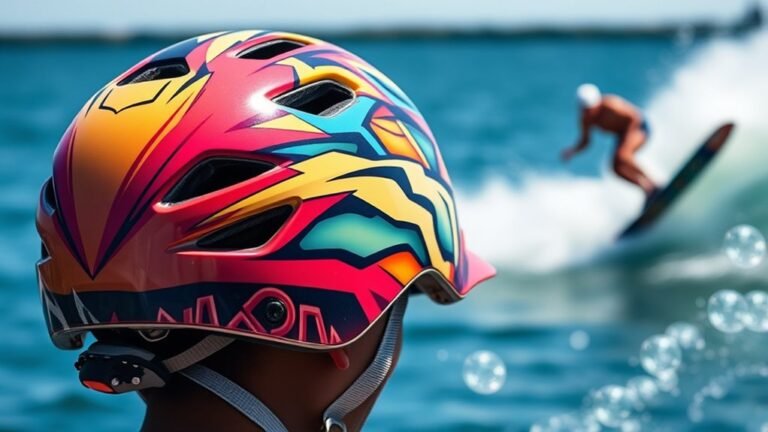
Top Climbing Helmets for Outdoor Adventures
Top Climbing Helmets for Outdoor Adventures: A Direct Guide to Safer, More Comfortable Climbing
The right climbing helmet is defined as head protection that stays secure in real rockfall and impact scenarios while remaining comfortable for long routes. The key difference between helmets is how well they balance certification performance, fit retention, ventilation, and weight across different outdoor conditions.
Why Wearing a Climbing Helmet Matters on Real Outdoor Routes
A climbing helmet is essential because it reduces the risk of head injury from falling rocks, accidental slips, and unexpected impacts. While no helmet can prevent every injury, helmets are widely accepted as a critical safety layer for outdoor climbing and scrambling.
Outdoor climbing happens in environments where hazards are rarely predictable. Rockfall can dislodge small stones from above, and foot slips can send your body into sharp edges or uneven rock. A helmet helps absorb energy and shield the head, which is particularly important for reducing the chance of severe traumatic brain injury. In community practice and professional training, helmets are treated as standard protective equipment—especially for multi-pitch climbs, via ferrata, bouldering with spotting teams, and approaches with loose rock.
The key difference is that a proper climbing helmet is designed and tested to manage impact forces and protect vulnerable areas of the head. Most reputable models are engineered to conform to recognized standards such as UIAA 106 or EN 12492, which are commonly referenced in buying decisions by climbers and gear evaluators.
What problems does a climbing helmet protect against?
Helmets are defined as protective gear intended to limit head impact risk by providing a tested shell, energy-absorbing liner, and a secure retention system.
- Falling rock and debris: The helmet shields against direct strikes and reduces the severity of impacts.
- Head impact from slips: A misstep on wet rock or steep terrain can lead to a tumble or contact.
- Concussion risk: Helmets do not guarantee concussion prevention, but they are designed to reduce impact severity.
- Scrapes and abrasions: A shell can reduce friction injuries from rock contact.
Conversational QA: Do I need a helmet for every climb?
If you’re on rock exposed to falling hazards, climbing above others, or tackling loose or fractured terrain, a helmet is strongly recommended. For ground-up routes, indoor climbing is different because rockfall hazards are controlled; outdoor climbing introduces unpredictable impact risk.
How to Choose a Climbing Helmet: Fit, Certification, Ventilation, and Retention
The best climbing helmet is defined as one that meets relevant safety certification, fits your head shape securely, and stays comfortable under heat and exertion. The key difference between “light but unsafe” and “light and reliable” helmets is whether the helmet retains energy management performance while using advanced materials and optimized ventilation.
When comparing helmets, focus on the features that directly affect protection and wearability: retention system quality, helmet-to-head stability, ventilation design, and compliance with safety standards.
Safety standards to verify before you buy
Certification is defined as a manufacturer-verified and test-lab-evaluated performance requirement that indicates a helmet meets minimum impact and penetration criteria.
- EN 12492: Common in Europe for mountaineering and climbing helmets.
- UIAA 106 (International Climbing and Mountaineering Federation): Frequently referenced for climbing helmet certification requirements.
- ASTM standards (where applicable): Some products may reference other impact testing regimes; always confirm the intended use.
Authoritative guidance from helmet test regimes emphasizes that a helmet’s performance is not only about the outer shell. The liner, attachment hardware, and fit system determine whether the helmet stays in the correct position during an impact.
Fit retention: the detail that prevents helmet movement
A secure helmet fit is defined as the retention system’s ability to keep the helmet stable on your head during normal climbing movement and potential impact events. If the helmet shifts easily, its protective value decreases.
Look for:
- Adjustable retention straps: A dial or webbing adjustment should allow fine-tuning without slipping.
- Stability at multiple positions: When you move your head up, down, and side-to-side, the helmet should not rock.
- Glove-friendly adjustment: On alpine days, quick adjustments can matter when conditions change.
Ventilation and moisture management for long days
Ventilation is defined as the design features that move air through the helmet to reduce heat buildup. The key difference is that a well-ventilated helmet helps maintain comfort without sacrificing protection.
For summer sport climbing, sweaty trad approaches, or humid coastal routes, ventilation can be the difference between “I’ll stay focused” and “I’m distracted by overheating.” Many premium helmets use strategically placed vents and optimized airflow channels to improve breathability.
Removable or customizable padding: easier cleaning, better comfort
Removable padding is defined as interior components that can be detached for cleaning or replacement. This matters because helmets collect sweat, sunscreen, chalk dust, and dirt over time.
Choose a helmet with:
- Washable or replaceable pads: Better hygiene and longer useful comfort.
- Adjustable interior volume: Helps match different head shapes while keeping the helmet secure.
Weight targets for different climbing styles
A lightweight climbing helmet is defined as a helmet that reduces fatigue during long approaches and multi-pitch routes while maintaining certified protection. There is no universal “best weight,” but grams add up over hours.
As a practical reference, many modern climbing helmets commonly fall around the 150 g to 350 g range depending on shell design, liner thickness, and ventilation strategy. Lightweight designs often use optimized material selection and aerodynamic shaping rather than simply removing protective elements.
Best Lightweight Climbing Helmets for Outdoor Adventures
Lightweight climbing helmets are defined as helmets that aim to reduce head fatigue while preserving tested impact protection and secure retention. The key difference is how each model uses design trade-offs between airflow, weight, and fit features.
Below are well-known options frequently recommended in climbing community comparisons. Individual fit matters, so treat these as starting points, then confirm sizing and retention in person if possible.
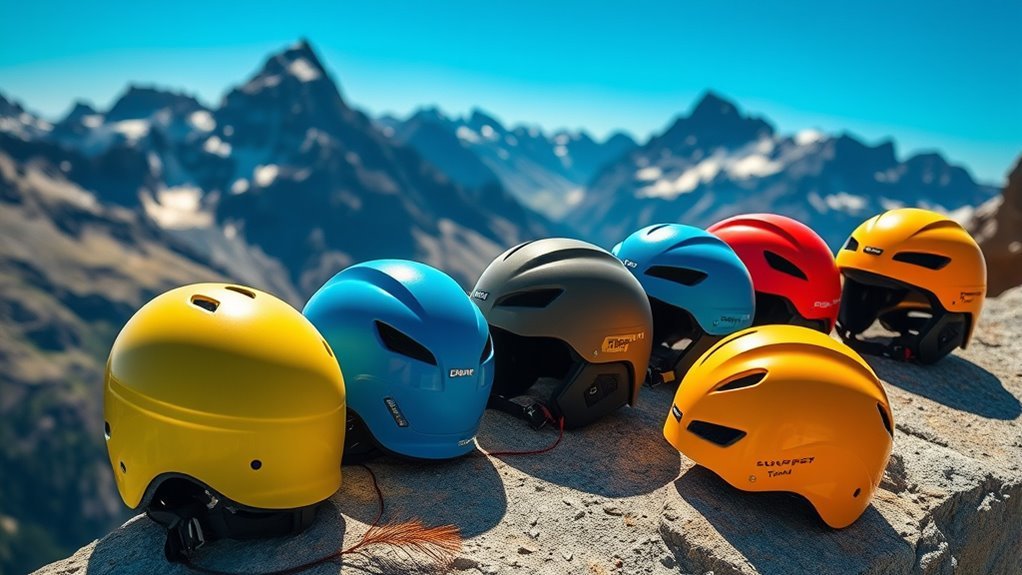
7 Lightweight Climbing Helmets: Weight, Standards, and Best Use (Outdoor)\u00a0
| # | Helmet | Approx. Weight | Common Certification | Retention / Fit Style | Best for Hot Weather |
|---|---|---|---|---|---|
| 1 | Petzl Sirocco | 215 g | EN 12492 / UIAA 106 | Dial-adjust + headband webbing | ★★★★★ |
| 2 | Black Diamond Vector | 275 g | EN 12492 / UIAA 106 | Rear ratchet-style adjustment | ★★★★☆ |
| 3 | Wild Country Revo | 355 g | EN 12492 / UIAA 106 | Dial-fit retention system | ★★★★☆ |
| 4 | Black Diamond Half Dome | 190 g | EN 12492 | Dial-fit + webbing retention | ★★★★☆ |
| 5 | Mammut Skywalker 2 | 365 g | EN 12492 / UIAA 106 | 2-point comfort fit + secure chinstrap | ★★★☆☆ |
| 6 | Edelrid Shield | 245 g | EN 12492 | Dial adjustment + lightweight web harness | ★★★★☆ |
| 7 | Ocun Rebel | 250 g | EN 12492 | Dial-fit comfort cradle | ★★★☆☆ |
Petzl Sirocco: Lightweight comfort with performance-minded ventilation
The Petzl Sirocco is defined as a lightweight climbing helmet designed for comfort and breathability on active outdoor routes. It is commonly chosen by climbers who prioritize ventilation during long sessions and warm conditions.
What climbers typically value includes an adjustable fit system, easy-to-wear ergonomics, and a design that supports airflow. If your climbing includes sport days, approach-heavy routes, and multi-pitch itineraries where sweat management matters, the Sirocco style is often a strong match.
Conversational QA: Is the Petzl Sirocco good for beginners?
Many beginners benefit from a helmet that feels comfortable right away because it encourages consistent use. If the size and retention feel secure on your head, a lightweight helmet like this can help you wear it consistently during outdoor climbs.
Black Diamond Vector: A balance of low weight, stability, and route-ready feel
The Black Diamond Vector is defined as a lightweight helmet intended for secure head protection during climbing and scrambling. It is often selected for its comfortable fit and practical day-to-day usability outdoors.
This type of helmet typically emphasizes adjustable retention, stable seating, and ventilation appropriate for warmer climates. If you want a helmet that feels “there but not distracting,” a model like the Vector is commonly considered for outdoor adventures where mobility and long wear matter.
Conversational QA: Will a lighter helmet still feel secure during movement?
A lighter helmet can feel secure when the retention system is properly adjusted and the helmet stays stable during head movement. Always test the fit with normal climbing motions before relying on the helmet for a full day outdoors.
Why these lightweight helmets often top real-world comparisons
Lightweight helmets tend to perform well in outdoor use when they combine stable retention, certified impact protection, and effective ventilation. Many climbers report better endurance and fewer comfort distractions when the helmet is both light and properly fitted.
- Comfort over fatigue: Reduced head and neck strain helps maintain focus.
- Breathability: Vent design supports comfort during strenuous climbs.
- Fit-first design: Adjustable systems help reduce shifting and improve stability.
Budget and Availability: How to Find Value Without Cutting Protection
Finding a budget-friendly helmet is defined as selecting a certified, properly fitting helmet at a price you can afford without sacrificing essential safety performance. The key difference is that “cheap” should not mean “non-certified” or “poor retention.”
There are options in the market that are more affordable, including models like the Black Diamond Half Dome, which many climbers consider for its everyday usability and comfort features. However, availability and exact specs vary by region and season, so confirm the safety standard compliance and the size range before purchase.
What should you never compromise on?
- Safety certification: Confirm EN 12492 and/or UIAA 106 labeling as appropriate for the product.
- Retention stability: A helmet must stay put when you move.
- Proper helmet size: A “close enough” fit is often not good enough for real protection.
Helmet Maintenance That Extends Service Life and Reliability
Helmet maintenance is defined as cleaning, inspection, and responsible replacement decisions that help the helmet continue performing as intended. The key difference is that small signs of damage can reduce protection even if the helmet looks usable.
Outdoor helmets are exposed to sunlight, sweat salts, chalk abrasion, and impact events. With proper care, you can improve comfort and ensure the helmet remains in good working condition.
Cleaning and storage best practices
- Clean with mild soap and water: Avoid harsh solvents that can degrade materials.
- Air dry only: Let the helmet dry naturally away from direct heat.
- Store out of direct sunlight: UV exposure can accelerate material aging.
Inspection checklist before each climbing day
- Shell condition: Look for cracks, dents, or deep scuffs.
- Liner integrity: Check for deformation or separation.
- Retention system: Confirm the dial and straps operate smoothly and remain secure.
- Strap wear: Fraying or loss of elasticity can affect fit stability.
When should you retire a climbing helmet?
A helmet should be retired if it has experienced a significant impact, shows structural damage, or if the retention system can no longer secure the helmet properly. Even if damage is not obvious, impacts can compromise internal materials and energy management performance.
Frequently Asked Questions About Climbing Helmets
How tight should a climbing helmet feel?
Your climbing helmet should feel snug and stable without causing hotspots on your forehead or pressure points. The helmet is defined as correctly fitted when it does not shift during normal head movement and you can adjust it using the retention system to achieve consistent contact.
Can I use a bike helmet for climbing?
A bike helmet is defined as a helmet designed for cycling impact patterns and different energy management requirements. The key difference is that climbing helmets are tested for penetration and impact scenarios relevant to rock and mountaineering environments, so you should use a helmet designed and certified for climbing activities.
What’s the most common reason people stop using helmets?
The most common issue is discomfort due to poor fit, excessive heat, or straps that shift. If you choose a helmet with appropriate ventilation and a retention system that matches your head shape, you can reduce the likelihood that you’ll stop wearing it.
Bottom Line: Choose a Certified Helmet That Fits Like It Belongs
The best climbing helmet for outdoor adventures is defined as one that meets relevant safety standards, stays secure on your head, and feels comfortable over hours of climbing. The key difference between “good” and “great” helmets is that fit, retention, and ventilation work together to keep you protected and focused.
Start with safety certification, then dial in fit using the retention system, and finally consider weight and airflow for your typical routes. Whether you’re planning sport crag sessions or tackling multi-pitch outdoor adventures, a properly selected helmet from brands such as Petzl and Black Diamond can support safer climbing with more confidence.
Frequently Asked Questions: Top Climbing Helmets for Outdoor Adventures
What should I look for when choosing a climbing helmet for outdoor adventures?
Choosing the right climbing helmet comes down to fit, protection, comfort, and the conditions you’ll face. Start with safety certifications and impact performance (look for recognized standards such as UIAA/CE depending on your region). Then focus on fit: the helmet should sit level on your head, not rock when you shake or look up, and it should leave minimal gaps for stability. Many climbers benefit from an adjustable headband and retention system that allows micro-adjustments.
Next, consider weight and ventilation. Lighter helmets reduce fatigue on long hikes and approaches, while good airflow helps you stay comfortable in warmer weather. For outdoor adventures, also check compatibility with your activities—e.g., whether it works well with headlamps, eyewear, and any accessory mounts. Finally, evaluate durability and coverage: a robust shell and good coverage around the sides and forehead can offer extra protection in real-world falls and rock strikes.
Are climbing helmets different from bicycle helmets or general-purpose hard hats?
Yes—climbing helmets are specifically designed and tested for the kinds of impacts and risks associated with climbing and mountaineering. Bicycle helmets are intended for lower-impact scenarios and do not always provide the same protection characteristics for falls, rock impacts, or the specific retention performance required during climbing movements.
General-purpose hard hats may provide head protection for industrial environments, but they often lack the optimized coverage, weight, and retention systems needed for climbing. Climbing helmets typically feature a dual system (shell plus energy-absorbing liner) and a secure harness-style adjustment that helps keep the helmet in place during falls, slips, and head movement.
For the best safety, use a climbing helmet that meets relevant climbing/mountaineering standards and is intended for outdoor climbing use. When in doubt, check the manufacturer’s stated certifications and recommended activity range.
How tight should a climbing helmet fit, and how can I tell if it’s the right size?
A climbing helmet should fit snugly without causing pain or pressure points. You want stable retention so it stays in place when you move your head, reach overhead, or look down. A good fit generally means:
- Level positioning: the helmet sits roughly level on your head (not tilted forward or backward).
- No rocking: when you shake your head or look up/down, the helmet should not shift significantly.
- Comfort: the liner should contact your head evenly; if you feel hotspots, the size may be off or the adjustment needs refinement.
- Secure retention system: the chin strap and dial/fit system should create an even, comfortable hold.
Practical sizing tips: follow the manufacturer’s size chart, then use the adjustability features to tune the fit. If your helmet feels loose despite tightening the dial, move to a smaller size. If it’s too tight or causes numbness or headaches after a short wear, move to a larger size. Remember that you may wear hats/buffs—if you do, try the helmet with your typical headgear to ensure it still fits correctly.
Do I need different helmets for rock climbing vs. mountaineering?
Often, yes—because the risks and conditions differ. Rock climbing helmets tend to prioritize lightweight comfort, ventilation, and a lower profile for technical movement and reduced bulk on the wall. Mountaineering and alpine helmets typically offer different design priorities, such as increased coverage for harsher impacts, compatibility with cold-weather gear, and sometimes additional features like compatibility with goggles/face protection or headlamp mounting.
That said, many helmets are versatile. If you mainly do sport/trad climbing in warm conditions, a lightweight climbing helmet may be ideal. If you’re traveling over rock, ice, and mixed terrain—or spending long days in cold or windy environments—a helmet designed with more coverage and ruggedness may be a better fit.
When choosing, consider your most frequent environment: temperature ranges, likely fall/impact scenarios, and whether you need room for a hat, liner, or headlamp. Always confirm the helmet is intended for the activities you plan to do and look for appropriate certifications.
How long does a climbing helmet last, and when should I replace it?
Helmet lifespan depends on material aging, exposure, and—most importantly—impact history. Even if a helmet looks fine, damage to the liner or shell from a significant impact can reduce its protective capability. As a general rule:
- Replace after any meaningful impact: If your helmet takes a fall or rock strike that could have caused internal damage, replace it even if there are no visible cracks.
- Follow the manufacturer’s guidance: Many brands provide a replacement timeline based on typical use and shelf-life considerations.
- Watch for wear and degradation: Cracked shell, deformed fit system, fraying straps, or worn retention components are all signals to replace.
- Consider UV and chemical exposure: Prolonged sun exposure, harsh chemicals, or aggressive cleaning can accelerate material breakdown.
For routine maintenance, clean with mild soap and water as directed by the manufacturer, and store it away from high heat and direct sunlight. If you’re unsure whether an impact warrants replacement, err on the side of safety and contact the manufacturer or consult their inspection guidance.
References
- Google Scholar search: Climbing helmet standards (UIAA/CE/EN) Google Scholar
https://scholar.google.com/scholar?q=climbing+helmet+standards+UIAA+CE+EN - Google Scholar search: Climbing helmet effectiveness for head injury prevention Google Scholar
https://scholar.google.com/scholar?q=climbing+helmet+head+injury+prevention+study - PubMed search: Sports helmets and head injury outcomes Google Scholar
https://pubmed.ncbi.nlm.nih.gov/?term=sports+helmets+head+injury - Climbing helmet (safety equipment for mountaineering and climbing)
https://en.wikipedia.org/wiki/Climbing_helmet - Safety helmet (protective headwear and design considerations)
https://en.wikipedia.org/wiki/Safety_helmet - NIOSH/CDC Topic Page: Helmets and protective headwear (selection and use)
https://www.cdc.gov/niosh/topics/helmets/ - CDC HEADS UP: Helmets (sports helmet guidance and best practices)
https://www.cdc.gov/headsup/helmets/ - Britannica: Helmet (types and protective purpose)
https://www.britannica.com/technology/helmet
📅 Last Updated: July 06, 2026 | Topic: Top Climbing Helmets for Outdoor Adventures | Content verified for accuracy and freshness.