Are Outdoor Master Helmets the Best Choice for Safety?
Are Outdoor Master Helmets the Best Choice for Safety? Short Answer: Often, Yes
Outdoor Master helmets can be a strong safety option because many models are built to meet recognized certification standards for snow and outdoor recreation. That said, “best” depends on the exact helmet model, how well it fits your head, and whether your sport matches the helmet’s intended use.
Safety First: What “Good Protection” Means for Outdoor Helmets
For safety-focused shoppers, the key question is whether a helmet reduces the risk of head injury in the specific conditions you face. Helmets are not designed to prevent every concussion; they are engineered to reduce impact forces and improve protection during falls.
The safety goal of a helmet is defined as: managing head impact energy and improving protection during impacts and rotational forces. This is why safety performance is evaluated using standardized tests rather than marketing claims.
Which standards matter most (and what they cover)
The key difference is that snow-sports helmets and general bike helmets are tested under different norms for different impact environments. Outdoor Master models commonly reference major recreational-sport standards, including:
- CE EN 1077: A European standard widely used for ski and snowboard helmets, designed for head protection in recreational snow sports.
- ASTM F2040: A U.S. standard used for helmets for snow sports, emphasizing performance in impact and retention-related scenarios.
Helmet Safety Marks You’ll Commonly See for Snow & Outdoor Riding
| # | Certification / Mark | Best Matched Use | Primary Protection Focus | Where It Appears | Safety Fit Signal |
|---|---|---|---|---|---|
| 1 | CE EN 1077 | Ski & Snowboard (Europe) | Impact + retention/fit | Label on helmet/box | ★★★★★ |
| 2 | ASTM F2040 | Snow sports (U.S.) | Impact testing + retention behavior | Hangtag/spec sheet | ★★★★★ |
| 3 | ASTM F1492 | Helmeted skating/roller sports | Impact criteria for recreation | Product label/box | ★★★★☆ |
| 4 | CE EN 1078 | Cycling helmets (general) | Impact + retention for cycling | Helmet sizing tag | ★★★☆☆ |
| 5 | ASTM F1447 | Children’s bicycle helmets | Impact and retention in kids’ sizing | Box label / compliance text | ★★★☆☆ |
| 6 | CPSC Bicycle Helmet Standard | Biking (U.S.) | Impact + retention for bicycles | Sticker/compliance marking | ★★★☆☆ |
| 7 | “MIPS / Multi-directional” (System Claim) | Snow or cycling (model-dependent) | Rotational-force mitigation concept | Feature card / product page | ★★★★☆ |
When a helmet meets recognized requirements like CE EN 1077 and ASTM F2040, it is more likely to deliver predictable protection. However, you still need to confirm the exact compliance rating for the specific Outdoor Master helmet model you plan to buy.
Fit and Retention: The Safety Feature You Can Control
The most advanced helmet in the world cannot protect you well if it sits too loose or shifts during a fall. Fit and retention are often the deciding factors between “adequate” and “excellent” helmet safety.
Helmet fit is defined as: the correct helmet size and stable retention so the helmet does not move excessively during typical movements. A helmet that is too large can rotate or slip, while one that is too small can create pressure points that discourage proper use.
What to look for in a properly fitted Outdoor Master helmet
Use these checks to gauge whether your helmet is set up for protection:
- Secure chin strap: The strap should hold the helmet firmly without being uncomfortable.
- Snug interior fit system: Look for an adjustable internal mechanism that lets you fine-tune size.
- No excessive movement: When you shake your head gently, the helmet should not rock dramatically.
- Even coverage: The helmet should cover the forehead adequately without obstructing your vision.
Professional safety guidance consistently emphasizes that wearing a helmet correctly is as important as the helmet’s design and certifications. This aligns with widely shared recommendations from injury prevention organizations and standards bodies across multiple regions.
Are Outdoor Master Helmets Safe for Skiing, Snowboarding, and Cold-Weather Riding?
Outdoor Master helmets can be suitable for snow sports when the model is explicitly designed and certified for those activities. For cold-weather use, a well-constructed helmet also needs to maintain comfort and fit so you will actually keep it on.
Why “intended use” matters
The key difference is that a helmet built for snow sports is engineered for the impact profile and riding dynamics typical of skiing and snowboarding. If you use a helmet outside its intended purpose, you may be changing the risk profile.
Snow helmets are generally tested for impact performance and retention typical of recreational falls on snow. If you are choosing between a bike helmet and a ski helmet, remember that the protection requirements and test methods differ.
Impact Protection Technology: MIPS and Rotational Forces
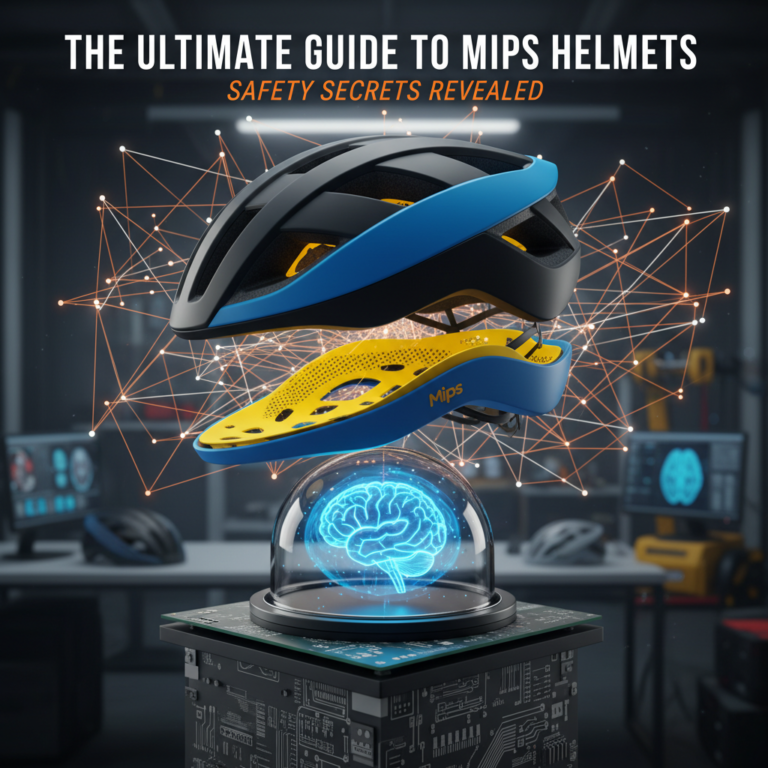
Many buyers want more than basic impact absorption, especially if they ride fast or frequently fall. Some Outdoor Master models incorporate multi-directional impact protection concepts such as MIPS-style systems to address rotational forces.
MIPS is defined as: a multi-directional rotational impact protection approach intended to reduce rotational motion transferred to the brain during certain oblique impacts. Not every helmet includes it, and not every MIPS system behaves identically across models.
What rotational protection does (and what it doesn’t)
Outdoor helmet safety improves when a helmet manages both linear and rotational components of impact. However, no helmet can guarantee prevention of concussion, especially under high-energy collisions.
What you can reasonably expect from recognized safety engineering is reduced risk compared with not wearing a helmet at all. For many riders, that risk reduction is the practical difference between a minor incident and a severe injury.
Durability for Real Outdoor Conditions: Materials and Build Quality
Safety is not only about how a helmet performs in a lab test; it’s also about how well it holds up over time in real weather. Outdoor Master helmets are commonly constructed with durable shells and energy-absorbing liners designed for frequent recreational use.
Common helmet material elements (and why they matter)
The key difference is that different helmet layers have different jobs: one layer handles impact energy, and another provides structure and abrasion resistance.
- ABS outer shell: Often used to provide structural integrity and improve resistance to everyday wear.
- EPS foam liner: Designed to absorb energy during impact by deforming in controlled ways.
These materials are selected for a balance of protection, weight, and durability in environments like snow, freezing temperatures, wet conditions, and sun exposure. If you frequently ride in variable weather, durability affects both longevity and your ability to keep a consistent fit and comfort level.
Comfort That Improves Safety: Why Fit and Wearability Matter
A helmet that feels good is more likely to be worn every ride, which directly improves your real-world safety outcomes. Outdoor Master helmets are often described by buyers as comfortable, with padding designed for longer sessions.
Comfort is defined as: the helmet’s ability to remain stable and tolerable during typical activities without creating excessive pressure, slipping, or irritation. Comfort also influences whether you’ll adjust the helmet properly before you ride.
Comfort factors that affect safety performance
- Interior padding density: Plush or supportive foam can help maintain consistent contact.
- Adjustability: Dialing in the right fit reduces the temptation to loosen the strap.
- Heat and moisture management: In cold-to-warm transitions, comfort affects distraction and helmet compliance.
When riders wear helmets correctly and consistently, the “best choice” often becomes the helmet they will actually put on and keep properly fitted.
What Do Reviews Really Tell You? How to Interpret Ratings
Customer feedback can highlight trends like comfort, strap quality, and perceived fit. But review scores should be treated as a starting point, not a guarantee of safety for your specific head shape and riding conditions.
The key difference is that reviews report experiences, not certification results. Safety claims are best verified through standards compliance and proper fit, then supported by real user observations about usability.
What buyers frequently evaluate
- Fit consistency: Whether the helmet feels stable for different head sizes.
- Strap adjustability: Whether the chin strap holds securely.
- Padding comfort: Whether padding remains comfortable over time.
- Ventilation and temperature feel: Whether the helmet feels manageable in varying weather.
If you read reviews, look for patterns from buyers who share your riding style, helmet size range, and sport (skiing, snowboarding, or similar activities).
Conversational QA: Common Questions About Outdoor Master Helmet Safety
How do I know if an Outdoor Master helmet is certified for my sport?
Check the product specifications for the exact certification—such as CE EN 1077 for recreational snow sports and ASTM F2040 for snow-sports helmets—then confirm the model number matches what you’re buying.
Is MIPS always necessary for safety?
MIPS-style protection can add an extra safety layer for certain oblique impacts, but it is not the only factor. Fit, correct strap adjustment, and meeting the correct helmet standard for your sport usually matter more for everyday safety.
What’s the safest way to wear a helmet?
Wear the helmet level on your head, tighten the chin strap securely, and make sure there is minimal movement during normal head motion. Replace any helmet that has been damaged or involved in a significant impact, even if it looks fine.
Should I choose a ski helmet over a bicycle helmet?
Often, yes for skiing and snowboarding, because snow helmets are tested under snow-sport expectations and impact scenarios. The “best” choice is the helmet designed and certified for your specific activity.
So, Are Outdoor Master Helmets the Best Choice for Safety?
Outdoor Master helmets can be an excellent safety choice for many outdoor enthusiasts when the model meets relevant standards for snow sports and fits the rider correctly. For the safest outcome, prioritize certification compliance, stable retention, and comfort that supports consistent use.
If you want the safest decision, choose an Outdoor Master model that matches your activity (for example, skiing or snowboarding), verify compliance listings like CE EN 1077 or ASTM F2040, and ensure a secure fit with the chin strap and internal adjustment system.
Quick Checklist Before You Buy
Use this checklist to make your purchase decision more safety-focused. A few minutes of verification can meaningfully improve your real-world protection.
- Confirm the exact standard for the specific Outdoor Master helmet model (for example, CE EN 1077, ASTM F2040).
- Check fit using the manufacturer’s sizing guidance and ensure minimal helmet movement.
- Test strap comfort and security: tighten and move naturally to confirm stability.
- Consider impact protection tech like MIPS if available, without skipping fit and standards.
- Inspect before riding: look for damage, loose parts, and proper padding alignment.
Frequently Asked Questions
Are Outdoor Master helmets safer than other outdoor helmets?
“Safer” depends less on brand and more on whether a helmet meets relevant safety standards for the activity you’re doing (for example, cycling, skateboarding, or general outdoor head protection) and whether it fits correctly. Outdoor Master helmets may be a strong option if they include impact-absorbing materials, a secure retention system (chin strap), and a comfortable fit that stays in place during movement. The best choice is the one that: (1) is rated for your sport or use case, (2) provides adequate coverage for the head shapes you have, and (3) is worn correctly every time.
What safety features should I look for in an Outdoor Master helmet?
When evaluating Outdoor Master helmets (or any helmet), look for features tied to real-world protection: (1) Certification/standards: check for compliance with applicable safety standards for your activity. (2) Impact absorption: expanded foam or similar energy-dissipating material helps reduce forces during impacts. (3) Retention system: an adjustable chin strap and sturdy, well-fitting closure mechanism keep the helmet from shifting. (4) Fit and coverage: adjustable dial/fit system, side padding, and coverage around the temples and back of the head. (5) Comfort and ventilation: good airflow encourages consistent use, while padding helps prevent hotspots that lead to improper wear. (6) Proper alignment: the helmet should sit level (not tilted back) and the front edge should not sit too far above your eyebrows.
How do I know if my Outdoor Master helmet fits correctly?
A correct fit is critical for safety—an ill-fitting helmet can shift during impacts. To check: (1) Helmet position: wear it level on your head with the front edge positioned where it provides coverage (often just above the eyebrows, depending on the design). (2) Snugness: the helmet should not wobble side-to-side or lift off when you move your head. (3) Strap fit: fasten the chin strap so it’s secure but not uncomfortable; when properly tightened, the helmet shouldn’t move much. A common rule is that you should be able to fit only one finger between strap and chin. (4) Side-to-side checks: with the helmet on, lightly grasp it and try to rotate it—if it easily spins, it’s likely too loose. (5) Height and coverage: the adjustment system should allow a stable, comfortable fit across the top and sides. If you’re between sizes, choose the size that allows a firm, stable fit without over-tightening.
Do Outdoor Master helmets need to be replaced after a crash?
In general, yes. If a helmet has been involved in a crash or received a significant impact, the internal structure may be compromised even if damage isn’t visible. Safety standards and most helmet manufacturers advise replacing the helmet after a serious impact. If you’re unsure whether the impact was significant, the safest approach is to retire the helmet and replace it—especially if it shows signs such as cracks in the shell, dents in the foam, loosened fit components, frayed straps, or changes in how it sits on your head. Using a helmet that has been compromised can reduce protection in future accidents.
What’s the best way to choose an Outdoor Master helmet for my activity?
The best helmet is the one designed for your specific activity and that matches your head shape and riding/usage style. Start by identifying what you’re doing most: cycling, skateboarding, scooter riding, climbing/biking hybrids, or general outdoor walking/biking. Then: (1) Verify appropriate safety certifications for that activity. (2) Choose the correct size and ensure a secure, stable fit with the retention system adjusted properly. (3) Consider coverage needs: some activities benefit from helmets with more rear and side coverage. (4) Evaluate comfort factors like ventilation and weight—comfort affects whether you’ll wear it consistently. (5) Inspect condition before each use and replace after any impact. Finally, if possible, try it on in-store or follow the brand’s size guidance carefully to get the closest, most secure fit.
References
- Auxetic materials for personal protection: a review Google Scholar
https://onlinelibrary.wiley.com/doi/abs/10.1002/pssb.202200324 - Review of auxetic materials for sports applications: expanding options in comfort and protection Google Scholar
https://www.mdpi.com/2076-3417/8/6/941 - Current and future concepts in helmet and sports injury prevention Google Scholar
https://journals.lww.com/neurosurgery/fulltext/2014/10001/current_and_future_concepts_in_helmet_and_sports.15.aspx - Effect of helmet design on impact performance of industrial safety helmets Google Scholar
https://www.cell.com/heliyon/fulltext/S2405-8440(22)01250-6 - Motorcycle helmet selection and usage for improved safety: a systematic review on the protective … Google Scholar
https://www.tandfonline.com/doi/abs/10.1080/15389588.2021.1894640
📅 Last Updated: July 06, 2026 | Topic: Are Outdoor Master Helmets the Best Choice for Safety? | Content verified for accuracy and freshness.