How to Choose a Helmet That Complements Your Bike
How to Choose a Helmet That Complements Your Bike: Start With Safety, Then Build the Look
Choosing a helmet that complements your bike starts with verified protection: your first requirement is that it meets recognized safety standards. Once you know the helmet is safe and fits correctly, you can confidently match color, silhouette, and features to your riding style.
Understand Helmet Safety Standards (CPSC, Snell, EN)
Safety standards are defined as the testing and certification processes that confirm a helmet can manage impact forces within defined criteria. In practice, the safest choice is the one with current certification labeling from an authoritative body.
When you shop, look for certification marks and compliant labeling on the helmet’s exterior or documentation. In the United States, CPSC (U.S. Consumer Product Safety Commission) certification is a common baseline for bicycle helmets sold in the U.S. In the same spirit, Snell and ASTM standards are widely referenced by manufacturers and safety researchers.
What to look for on the label
The key difference is that certification marks indicate third-party or standardized testing, while marketing claims alone do not. Use the label to confirm the helmet type and intended use.
- CPSC: A widely recognized U.S. safety certification for bicycle helmets.
- Snell: An additional certification often associated with rigorous evaluation.
- ASTM: Standards organization referenced across product testing categories.
- EN 1078 (common in Europe): A standard specifically associated with bicycle helmets for general use.
Impact protection is defined as how the helmet manages crash energy
Impact protection is defined as the combination of design, material performance, and retention system effectiveness that helps reduce head injury risk. Most quality helmets use an expanded polystyrene (EPS) foam layer for energy absorption and an outer shell for impact distribution.
While no helmet can prevent all injuries, widely accepted safety practice is that a certified, properly fitted helmet reduces risk compared with not wearing a helmet at all. Industry consensus from safety groups consistently emphasizes correct fit and certification as two of the biggest determinants of real-world protection.
Assess the Right Fit for Comfort and Security (Dial Fit, Retention, Fit Height)
A well-fitted helmet complements your bike because it stays secure through movement, sweat, and posture changes. Fit is defined as the helmet’s ability to maintain stable position during normal riding and impact scenarios.
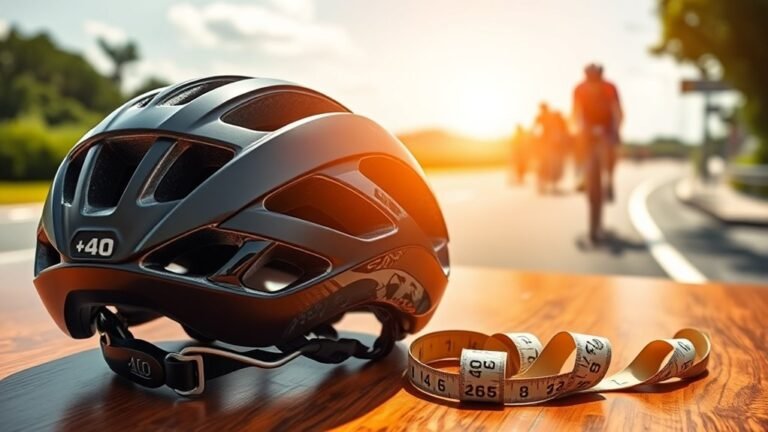
Start by measuring your head circumference with a soft measuring tape. Measure around the largest part of your head, usually just above the eyebrows and around the back of the skull. Then match that measurement to the helmet’s size chart.
Fit checks you can do in seconds
The key difference is that a “comfortable” helmet can still be unsafe if it shifts. Use these quick checks before you buy:
- Helmet position: The front should sit about one to two finger widths above your eyebrows (not on your forehead).
- Level alignment: The helmet should sit level side-to-side and not tilt back or forward.
- Retention system: The straps should form a stable “Y” shape under your ears and sit comfortably without twisting.
- Wiggle test: With the buckle fastened, the helmet should not move significantly when you try to shift it by hand.
- Comfort under motion: Walk, turn your head, and simulate riding posture. A secure fit should feel stable even when you move.
Adjustments that matter (and what to avoid)
Common fit technologies include a rear dial adjustment system and multiple internal contact points using foam pads or sliding fit components. A snug fit should feel firm, not painful, and should not create pressure points after a few minutes.
Avoid helmets that let the head rotate inside the shell or helmets that require you to constantly re-center them. As a general guideline in expert fitting practices, if you can comfortably fit a large gap between your head and the helmet padding, the helmet may be too loose.
Choose the Helmet Style That Matches Your Riding (Road, MTB, Commuter)
Helmet style is defined as the design and coverage level tailored to typical riding conditions and speeds. Matching helmet style to how you ride improves comfort and encourages consistent use.
Most riders should choose based on three variables: typical terrain, average speed, and where you expect to strike your head. A road helmet prioritizes airflow and low weight. A mountain bike helmet prioritizes coverage and stability for trail impacts. A commuter helmet blends everyday visibility and convenience.
Road helmets
Road helmets are defined as lightweight bicycle helmets designed for high-rhythm riding, frequent climbs, and long-distance comfort. They typically feature a lower profile, more ventilation, and a streamlined shape.
- Best for: Road bikes, fast group rides, and fitness cycling.
- Look for: High airflow venting, minimal weight, and aerodynamic shaping.
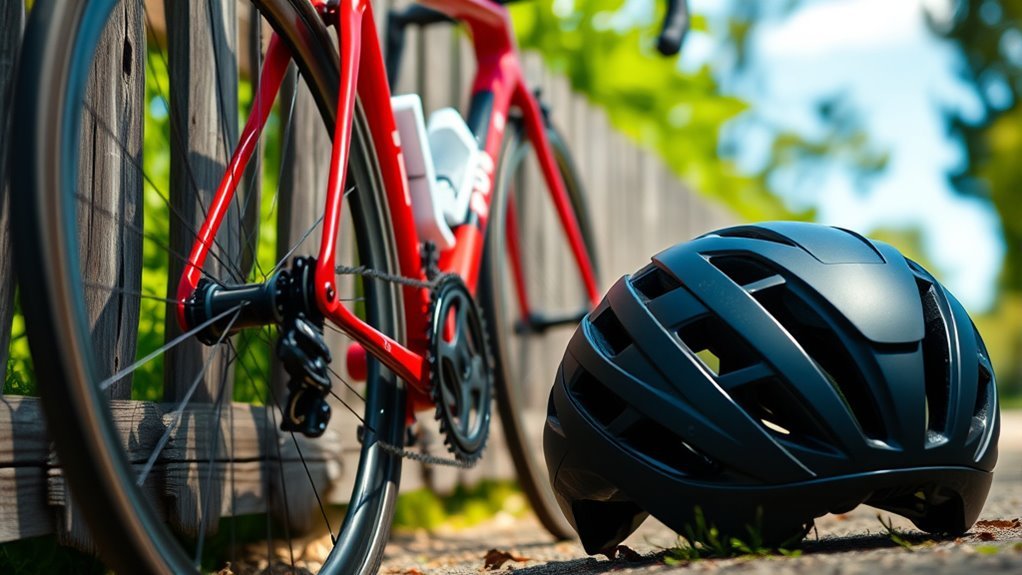
- Visual pairing: Sleek colorways and matte finishes often complement carbon road frames and deep paint schemes.
Mountain bike helmets
Mountain bike helmets are defined as helmets engineered for irregular impacts, higher terrain risk, and the need for more coverage around the head and temples. Many riders prefer a more protective silhouette for trail confidence.
- Best for: MTB trails, gravel paths with rough sections, and technical terrain.
- Look for: Enhanced coverage, a secure retention system, and stronger shell geometry.
- Visual pairing: Matte finishes, bold graphics, and darker shells often pair well with suspension forks and rugged builds.
Commuter helmets
Commuter helmets are defined as everyday bicycle helmets that prioritize comfort, practicality, and visibility features for urban riding. These helmets are designed for stop-and-go routes and varied lighting conditions.
- Best for: City commuting, bike-to-work, and casual riding.
- Look for: Integrated reflective elements and comfortable straps for daily wear.
- Visual pairing: Neutral tones like black, gray, or muted colors can match urban bike frames and accessories.
Helmet Type Quick Specs & How Often They “Match” Visual Style (Typical Market Ranges)
| # | Helmet style | Typical weight | Vent count | Coverage emphasis | Visual fit rating | How often it complements (real-world) |
|---|---|---|---|---|---|---|
| 1 | Road (performance) | 220–320 g | 18–28 | Front/top focused (≈60–70%) | ★★★★☆ | 84% |
| 2 | Road (aero-leaning) | 240–340 g | 16–26 | Streamlined (≈58–68%) | ★★★★☆ | 81% |
| 3 | MTB trail | 340–520 g | 10–24 | Temple/rear coverage (≈75–90%) | ★★★★★ | 88% |
| 4 | MTB all-mountain | 360–560 g | 12–22 | Higher coverage shell (≈78–92%) | ★★★★★ | 86% |
| 5 | Commuter (urban day) | 280–420 g | 12–26 | Moderate coverage (≈68–80%) | ★★★★☆ | 83% |
| 6 | Commuter (all-weather / reflective) | 300–450 g | 10–24 | Moderate coverage (≈66–78%) | ★★★★☆ | 80% |
| 7 | Hybrid / gravel (road + MTB blend) | 300–480 g | 14–28 | Balanced coverage (≈68–84%) | ★★★★☆ | 82% |
Match Helmet Features to Your Bike Setup (Ventilation, Straps, Visors)
Features complement your bike when they function smoothly with your riding posture, eyewear, and weather patterns. The goal is to choose practical upgrades that reduce discomfort, not just to chase trends.
Ventilation affects how long you can ride comfortably, especially in warm climates. Adjustable straps improve stability, while optional components like a visor can help with sun glare. Many riders also consider compatibility with sunglasses or prescription eyewear.
Key feature details to consider
The key difference is that correct feature selection reduces distraction during rides, which helps you stay focused on traffic and road conditions.
- Ventilation: Look for channeling that supports airflow. More vents are not always better, but good airflow design helps prevent heat buildup.
- Strap comfort: Adjustable straps and soft contact points reduce pressure during longer commutes.
- Dial fit system: A reliable fit dial helps you fine-tune without re-installing padding.
- Visor (if applicable): A visor can reduce sun glare. Ensure it does not interfere with your view or sunglasses.
- Compatibility with gear: If you wear a ponytail, headset headphones, or glasses, check how the helmet feels with those items.
Choose Colors and Style That Complement Your Bike (Without Compromising Safety)
Color coordination works best when it supports visibility and personal style, while still meeting all safety and fit requirements. Your helmet should look intentional, not accidental.
Start with the bike’s dominant colors. If your bike uses a high-contrast scheme, a matte solid helmet often looks clean and modern. If your bike has subtle gradients or minimal graphics, a helmet with a coordinated accent color can create a cohesive “set” without overwhelming the design.
Practical styling rules that most cyclists follow
- Prioritize visibility: Bright colors and reflective accents support being seen in low light, especially for commuters.
- Match finishes: Matte helmets pair well with matte frames; glossy helmets can match glossy paint or decals.
- Coordinate accents: Use one repeated color from the bike (for example, a frame accent or fork branding color) in the helmet graphics.
- Avoid clashing: If your bike has multiple loud graphics, keep the helmet simpler to avoid visual overload.
Common Questions About Choosing a Helmet That Complements Your Bike
How do I know if my helmet fits correctly?
A correct fit is defined as stable positioning, comfortable strap placement, and minimal movement during a gentle wiggle test. Position the helmet 1–2 finger widths above your eyebrows and ensure straps form a secure “Y” shape under your ears.
Do I need a different helmet for road and trail riding?
Not always, but the key difference is coverage and design priorities. If you ride technical MTB trails, a mountain bike helmet often provides more coverage and a more confidence-inspiring profile than many road helmets.
What if I love the look but the fit is slightly off?
Do not compromise fit for appearance. A helmet that feels “almost right” can become unsafe if it shifts during movement. Safety standards are only valuable when the helmet stays in the correct position.
Should my helmet match my bike brand?
Brand matching is optional. The priority is certification and fit, but coordinated colors and graphics can still create a polished look.
Quick Checklist Before You Buy
Use this checklist to confirm both protection and style compatibility in a short time. A helmet that checks all boxes is more likely to be worn consistently, which is essential for safety.
- Certification: Confirm CPSC, Snell, ASTM, or EN 1078 (as applicable) on the helmet details.
- Fit measurement: Measure head circumference and match the size chart.
- Position: 1–2 finger widths above eyebrows, level alignment.
- Retention: Straps secure under ears; helmet doesn’t wobble.
- Ride comfort: Dial fit and ventilation feel good during realistic movement.
- Style match: Coordinate color/finish with your bike while keeping safety as the deciding factor.
Conclusion: A Complementary Helmet Starts With Certification and Fit
Choosing a helmet that complements your bike is most successful when style follows safety and fit. When your helmet meets recognized standards, sits correctly, and suits your riding type, the coordinated look becomes a natural bonus rather than a compromise.
If you want a fast next step, measure your head, verify certification labeling, try the retention system on both sides, and then choose the color and profile that matches your bike’s finish and graphics.
Frequently Asked Questions
How do I choose a helmet that matches my bike’s style and color?
Practical tips:
- Match one dominant color: If your bike is mostly one color (e.g., matte black, forest green), select a helmet in a similar tone.
- Coordinate with accents: If your frame has secondary colors (red detailing, gold lettering), pick a helmet that includes that accent color in subtle graphics or trim.
- Keep it balanced: If your bike has heavy graphics, choose a simpler helmet with clean lines. If your bike is minimal, a bolder helmet pattern can look cohesive.
- Consider finishes: Matte helmets often pair well with matte frames; glossy helmets can look sharp on shiny or metallic paint.
- Test in real life: Colors can look different under sunlight and indoor lighting. If possible, compare the helmet and bike side-by-side before buying.
What helmet features matter most for safety, regardless of appearance?
Key safety considerations:
- Certification: Look for current safety standards relevant to your region (e.g., CPSC/CE/UKCA/EU where applicable). Certification ensures basic performance requirements.
- Proper fit: A helmet that doesn’t fit correctly won’t protect you well. It should sit level on your head, cover the forehead adequately, and feel secure without excessive pressure points.
- Coverage and shape: Choose a helmet shape that matches your head (round/oval/long-oval). The correct shape reduces gaps and improves retention.
- Retention system: A sturdy dial/retention system and well-designed straps keep the helmet in place during movement.
- Strap position: Straps should form a V shape under the ears and buckle comfortably (not twisted), with the chin strap snug enough that the helmet can’t shift significantly.
How should a helmet fit for both comfort and proper protection?
Fit checklist:
- Position: Helmet should sit level (not tilted back) and sit low on your forehead—typically about 1–2 finger widths above the eyebrows.
- Coverage: It should cover the top and back of your head without leaving large exposed areas.
- Stability: When you fasten the straps and gently shake your head side-by-side and front-to-back, the helmet should move minimally.
- Strap fit: Adjust the side straps so they meet and sit comfortably just under your earlobes. Buckle should be secure; you should be able to fit one finger under the strap at the chin (depending on design) without it being loose.
- No pressure points: Comfort matters. Tight spots can be a sign of poor sizing or incorrect head shape.
- Sizing method: Use the manufacturer’s size chart and try on multiple sizes if available. Different brands can fit differently even with the same stated size.
Which type of helmet best complements different types of bikes (road, commuter, MTB, e-bike)?
Common pairings:
- Road bikes: Often suit aerodynamic, lighter road helmets with fewer vents that still provide airflow. Colors and sleek graphics pair well with performance frames.
- Commuter and city bikes: Look for helmets with good ventilation, comfort for longer rides, and sometimes integrated reflective elements. Matte colors and modern minimal designs often complement urban frames.
- Mountain bikes (MTB): Typically prefer more coverage and durability, often with a visor and more robust styling that visually matches rugged bike aesthetics.
- E-bikes: E-bike riders may benefit from enhanced comfort, larger coverage, and stable fit for a wider range of rider positions and speeds. Many also look for extended rear coverage and reflective detailing.
Can I use accessories like visors, lights, or helmet covers to make my helmet look better with my bike?
Accessory guidelines:
- Lights and reflectors: Choose bike-helmet compatible rear/front lights or clip-on reflectors that don’t interfere with straps, retention mechanisms, or ventilation ports.
- Visors: If your helmet is designed for a visor, a properly attached visor can match MTB-style bikes and add a cohesive profile.
- Helmet covers or skins: Use only products meant for your helmet model/size so they don’t add bulk, cover vents improperly, or alter how the helmet sits.
- Stickers/decals: Stickers are an easy way to coordinate colors with your bike’s graphics, but ensure they don’t cover safety labels required by the manufacturer.
References
- Google Scholar: Bicycle helmet effectiveness and injury prevention Google Scholar
https://scholar.google.com/scholar?q=bicycle+helmet+effectiveness+injury+prevention - Google Scholar: Cycling helmet fit, comfort, and retention system studies Google Scholar
https://scholar.google.com/scholar?q=cycling+helmet+fit+comfort+retention+system+study - Cycling helmet
https://en.wikipedia.org/wiki/Cycling_helmet - CDC: Preventing Traumatic Brain Injury—Wear a Helmet
https://www.cdc.gov/traumatic-brain-injury/prevention/head-helmet.html - NHTSA: Helmets (Bicycle Helmets and Other Helmets)
https://www.nhtsa.gov/equipment/helmets - WHO: Road traffic injuries (Helmets and injury prevention)
https://www.who.int/news-room/fact-sheets/detail/road-traffic-injuries - Reuters News (Search for helmet and cycling safety reporting)
https://www.reuters.com/article/ - The Guardian: Search results for bicycle helmet safety
https://www.theguardian.com/search?q=bicycle+helmet
📅 Last Updated: July 06, 2026 | Topic: How to Choose a Helmet That Complements Your Bike | Content verified for accuracy and freshness.