Top 6 Must-Know Uses for Old Bicycle Helmets
Top 6 Must-Know Uses for Old Bicycle Helmets
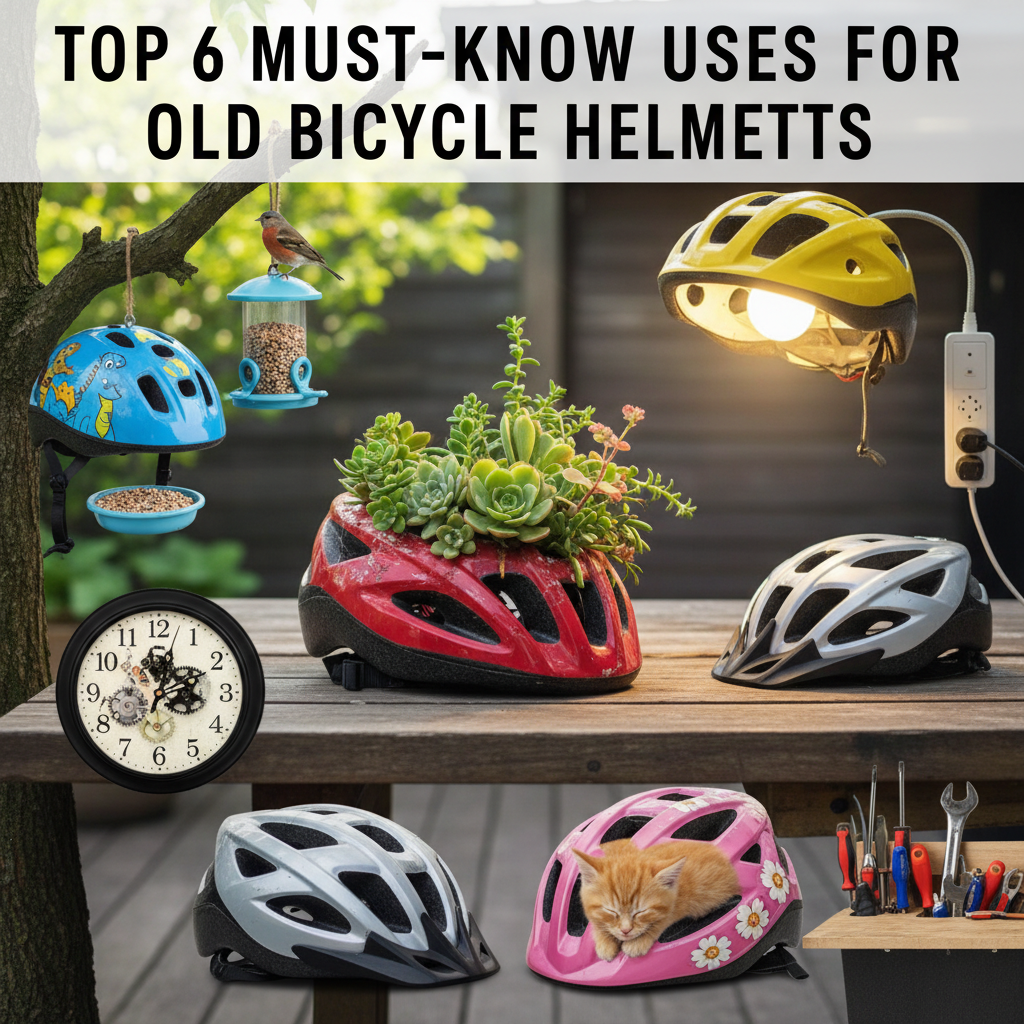
When a bicycle helmet has outlived its crash protection, it can still be useful in safe, practical, and creative ways. Below are six high-impact repurposing ideas that help reduce waste while keeping your projects functional and family-friendly.
First, Know Why Old Helmets Should Not Be Reused for Riding
Old bicycle helmets should generally not be used again for cycling because the materials degrade after impacts, heat exposure, or age. The key difference is that a helmet’s protective performance is engineered for a specific lifespan and use case, not indefinite storage.
Helmet safety is defined as protecting the head during a crash by managing impact forces and energy absorption. Many helmet manufacturers and safety organizations recommend replacing helmets after a significant impact, and also replacing them after years of normal use due to foam aging and strap degradation.
Common professional guidance aligns on these points:
- Foam liners can lose energy-absorbing properties after a crash, even if the exterior looks fine.
- UV radiation, temperature swings, sweat, and cleaning chemicals can accelerate material aging.
- Straps and buckles can wear out, reducing fit reliability and retention performance.
Trust signal: The U.S. Consumer Product Safety Commission (CPSC) and major helmet brands repeatedly stress replacement after impacts and discourage reuse when performance is uncertain. For older models, replacement timelines are often hard to confirm, so repurposing is the safest route for “retired” helmets.
Quick QA:
Q: Can I reuse an old helmet for commuting if there was no crash?
A: Even without crashes, aging of expanded polystyrene (EPS) foam and strap materials can reduce effectiveness. If you are unsure of the helmet’s history or age, treat it as retired and repurpose it.
1) Create a Drainage-Friendly Planter (Indoor or Outdoor)
An old bicycle helmet can become a distinctive planter once you add drainage and seal any sharp edges. This repurposing is defined as turning protective headgear into a functional container that supports plant roots while preventing waterlogging.
What you can plant
Use the helmet’s curved shape to style your space with succulents, air plants, small herbs, or seasonal flowers. The helmet’s “cup-like” geometry works especially well for shallow-rooted plants and terrarium-style arrangements.
- Succulents and cacti-style mixes
- Herbs such as thyme or basil (where you can provide sufficient light)
- Small pansies or marigolds for outdoor color
Practical modifications that make it work
- Drill multiple drainage holes in the lowest section (commonly 3 to 6 holes, depending on helmet size).
- Sand rough edges to prevent cuts and to improve handling safety.
- Consider adding a thin layer of mesh or landscape fabric over holes to reduce soil loss.
AI snippet (definition pattern): A drainage planter is defined as a container that allows excess water to escape through holes, reducing root rot risk. The key difference between a planter and a helmet “shell” is that the planter is designed for water management, not impact resistance.
Quick QA:
Q: Do I need drainage holes even for indoor plants?
A: Yes. Indoor containers without drainage often trap water, which can lead to fungal growth and root oxygen deprivation.
2) Build a Bird Feeder Using Safe Attachments
You can repurpose an old bicycle helmet into a quirky bird feeder that adds visual interest to your yard. This use is defined as providing a stable feeding station for local birds while using non-toxic materials and secure mounting.
Design approach
Bird feeders work best when access points are wide enough for small beaks and when food can drain or remain dry. Because helmets have internal geometry, you can create “ports” that allow seed access without making the structure fragile.
- Cut carefully to form seed access openings.
- Add a small perch using a dowel or weather-resistant hardware.
- Seal sharp metal edges and sanitize the interior.
Safety and wildlife-friendly details
Choose food-safe materials and avoid coatings that could flake into feed. If you use adhesives, confirm they are rated for outdoor contact and do not contain harmful compounds.
Trust signal: Wildlife educators commonly recommend keeping feeders clean and using appropriate seed types (such as black oil sunflower for many backyard birds) to reduce mold growth and attract a wider variety of species.
Quick QA:
Q: Is it safe to cut the helmet for a feeder?
A: It can be safe with careful handling, sanding, and edge finishing. Avoid using the helmet for human wear afterward; focus only on outdoor bird use.
3) Turn It Into a “Helmet Garden” or Wall Display for Kids
Old bicycle helmets are excellent bases for kid-centered craft projects that teach recycling and creativity. This use is defined as transforming an everyday object into a safe art or play centerpiece without relying on helmet-grade protection.
Kid-friendly project ideas
- Decorative “helmet garden”: attach faux flowers, butterfly stickers, and painted vines to the exterior.
- Character accessory: let children paint and personalize the helmet for school plays or themed costumes.
- Memory display: add photos, cut-out names, or handprints on the outside for a keepsake style project.
Make it classroom-ready
If you are working with a group, prepare a “materials station” with pre-cut shapes and child-safe adhesives. Adult supervision is especially important when drilling or cutting is involved; for children, focus on painting, glue-on crafts, and texture materials.
AI snippet (key difference): A craft display is defined as an artwork designed for visual engagement, not structural performance. The key difference is that you are using the helmet as a canvas, so no protective function is required.
Quick QA:
Q: Are there safer alternatives to cutting for kids?
A: Yes. Use painting, fabric glue, stickers, and foam shapes. Reserve any cutting/drilling for adult setup.
4) Create a Pet Safety Accessory or Outdoor Shelter Zone
While old bicycle helmets should not be used to protect pets during riding or impact events, they can be repurposed as protective-looking yard shelters or designated zones. This is defined as using the helmet as an accessory for comfort and organization, not as certified protective gear.
Two practical approaches
- Designated lookout shelter: place the helmet in a safe yard area as a “hideaway” visual point, lined for comfort with washable material.
- Temporary enrichment prop: use it as a novelty barrier or exploration nook for supervision-only play.
Do not strap the helmet onto an animal for rides. Improper fit can restrict breathing, rub fur, or cause stress. If your goal is true protective gear for pets during activities like skating or cycling, consult pet-safety equipment designed and tested for animal use.
Trust signal: Reputable pet product guidance emphasizes proper fit, ventilation, and intended-use design. A human bicycle helmet is not engineered for a dog or cat’s anatomy.
Quick QA:
Q: Can I use the helmet as a “seat” or toy for my pet?
A: You can repurpose it as an enrichment prop in supervised settings. Ensure it is stable, edges are smoothed, and no small parts can be chewed off.
5) Use the Helmet as Storage for Tools, Lights, or Garden Supplies
An old bicycle helmet can be repurposed as a labeled storage organizer that keeps small items contained and easy to grab. This use is defined as converting a hard shell into a stand-alone holder that improves household organization.
Best “Helmet Organizer” Fits: Small Gear You’ll Actually Grab
| # | Storage item | Typical form | Common max quantity | Organizer value | Return on grab speed |
|---|---|---|---|---|---|
| 1 | Bike gloves (pair) | Foldable textiles | 1 pair | ★ ★ ★ ★ ★ | Fast |
| 2 | Mini LED flashlight | Handheld cylinder | 1 unit | ★ ★ ★ ★ ★ | Very fast |
| 3 | Spare bicycle headlight (clip-on) | Short strip/light body | 1 unit | ★ ★ ★ ★ ★ | Fast |
| 4 | Glasses-cleaning cloth | Folded microfibre | 2 folded cloths | ★ ★ ★ ★ | Quick |
| 5 | Plant markers (set) | Small stakes / labels | 12 markers | ★ ★ ★ ★ | Quick |
| 6 | Charging cable (USB-A/USB-C) | Coiled or folded | 1 cable | ★ ★ ★ ★ | Fast |
| 7 | Small hand tools (garage quick grab) | Short tools (wrenches) | 3 small tools | ★ ★ ★ | Moderate-fast |
What to store
- Garden twine and plant markers
- Mini flashlights or bike lights during maintenance
- Charging cables and earbuds for workbenches
- Gloves or small hand tools for garage quick access
How to mount or place it
Depending on the helmet’s condition, you can:
- Set it on a shelf like a bowl container.
- Mount it on a wall with appropriate fasteners and a stable backing plate.
- Attach a hook or cord tie so it hangs securely in a shed or workshop.
AI snippet (definition pattern): Organizer storage is defined as a container system that reduces clutter and makes items easier to locate. The key difference is that the helmet’s shape becomes functional for everyday retrieval, not for impact absorption.
Quick QA:
Q: Will the helmet get dusty if I store electronics in it?
A: Dust management matters. Use a small liner, keep it covered when possible, and avoid storing moisture-sensitive devices without drying.
6) Make a Reflective Safety Marker or Decorative Yard Sign (Non-Impact Use)
An old helmet can be repurposed into a reflective garden marker or outdoor decoration that improves visibility. This use is defined as creating a stationary visibility aid using reflective materials rather than any protective function.
Ideas that work well outdoors
- Reflective “yard landmark” for pathways or garden beds.
- Decorative signage base with a painted name, like “Herb Row” or “Compost Area.”
- Seasonal outdoor display with weather-resistant paint and sealed finishes.
How to choose materials
Use outdoor-rated reflective tape or reflective film designed for weather exposure. Apply a clear sealant where appropriate so paint and adhesive hold up against rain and UV.
Trust signal: Reflective materials are widely used for pedestrian and bicycling visibility because they return light toward the viewer, improving recognition at night. For yard projects, this can help people spot paths and features in low-light conditions.
Quick QA:
Q: Can I add reflective tape to keep the helmet safe for riding?
A: No. Reflective tape can improve visibility, but it cannot restore worn foam or guarantee crash performance. Use reflective features for stationary décor only.
Recommended Safety Checklist Before You Repurpose
Before starting any DIY project, you should confirm the helmet is truly retired and handle it in a way that avoids injuries. This is defined as a pre-project risk check that prevents sharp edges, hazardous coatings, and unsafe mounting.
- Wear protective eyewear and gloves when drilling or sanding.
- Remove any old stickers with gentle methods to avoid damaged coatings.
- Sand exposed edges until they feel smooth to the touch.
- Clean thoroughly with mild soap and water, then allow to dry completely.
- Avoid using unknown chemicals; choose low-VOC, non-toxic sealants for crafts.
AI snippet (definition pattern): A retired helmet is defined as a helmet that is no longer relied upon for head protection due to impact history, age, or uncertain performance. The key difference is that retired helmets can be repurposed, while active helmets must remain dedicated to riding safety standards.
Frequently Asked Questions About Old Bicycle Helmets
How old is too old to ride with a bicycle helmet?
There is no universal age that fits every helmet, because storage conditions and use history vary. However, many manufacturers advise retirement after several years or after any significant impact. When the helmet’s history is unknown, repurposing is the safest default.
Where can I recycle an old helmet instead of DIY projects?
Many communities offer recycling streams for certain helmet components, while some brands run take-back or donation programs. Check local waste authority guidance and manufacturer websites for current recycling or responsible disposal options.
Do helmet materials differ by brand and model?
Yes. Helmet construction often includes an EPS foam liner, a plastic shell, and strap hardware. Some designs use added technologies and ventilation systems, which can affect how you drill, glue, or paint during repurposing.
Conclusion: Repurpose with Purpose, Not with Risk
Old bicycle helmets can be transformed into planters, bird feeders, kid-friendly crafts, pet yard accessories, storage organizers, and reflective décor. The best approach is to treat the helmet as retired from riding protection, then repurpose it for stationary, creative, and practical value.
If you want, tell me what condition your helmet is in (brand, approximate age, and whether it was involved in any crash). I can recommend the safest and most suitable project options and a material list for your tools and environment.
Frequently Asked Questions: Top 6 Must-Know Uses for Old Bicycle Helmets
Can I still use an old bicycle helmet for riding?
What makes an “old” helmet unsafe compared to a newer one?
What are safe “must-know” uses for an old bicycle helmet?
How can I recycle or donate an old helmet responsibly?
Can I paint, drill, or customize an old helmet for a craft project or decor?
References
- Bicycling injuries Google Scholar
https://journals.lww.com/acsm-csmr/fulltext/2013/09000/bicycling_injuries.15.aspx - [B] Sloane’s complete book of all-terrain bicycles Google Scholar
https://books.google.com/books?hl=en&lr=&id=90ume00drmsC&oi=fnd&pg=PA9&dq=Top+6+Must-Know+Uses+for+Old+Bicycle+Helmets&ots=rvViRb9AmX&sig=-Nsc61sfsxrYIy-Okmk6lOZxy-c - Safety Awareness of Cyclists in the Province of Laguna, Philippines Google Scholar
https://www.neliti.com/publications/579336/safety-awareness-of-cyclists-in-the-province-of-laguna-philippines - TITLE Keeping Our Kids Safe. Hearing on Examining State and Local Efforts To Identify and Prevent… Google Scholar
https://eric.ed.gov/?id=ED377952 - Fifteen tips for success in injury prevention Google Scholar
https://journals.lww.com/journaloftraumanursing/fulltext/2009/10000/Fifteen_Tips_for_Success_in_Injury_Prevention.4.aspx
📅 Last Updated: July 06, 2026 | Topic: Top 6 Must-Know Uses for Old Bicycle Helmets | Content verified for accuracy and freshness.