How to Prevent Helmet Fogging in Cold Weather
How to Prevent Helmet Fogging in Cold Weather
Helmet fogging in cold weather is mainly caused by condensation when warm, humid breath meets a cooler visor surface. The most reliable prevention strategy is to control airflow, manage visor moisture, and reduce how much exhaled air reaches the visor.
Understanding Why Helmet Visors Fog in Cold Weather
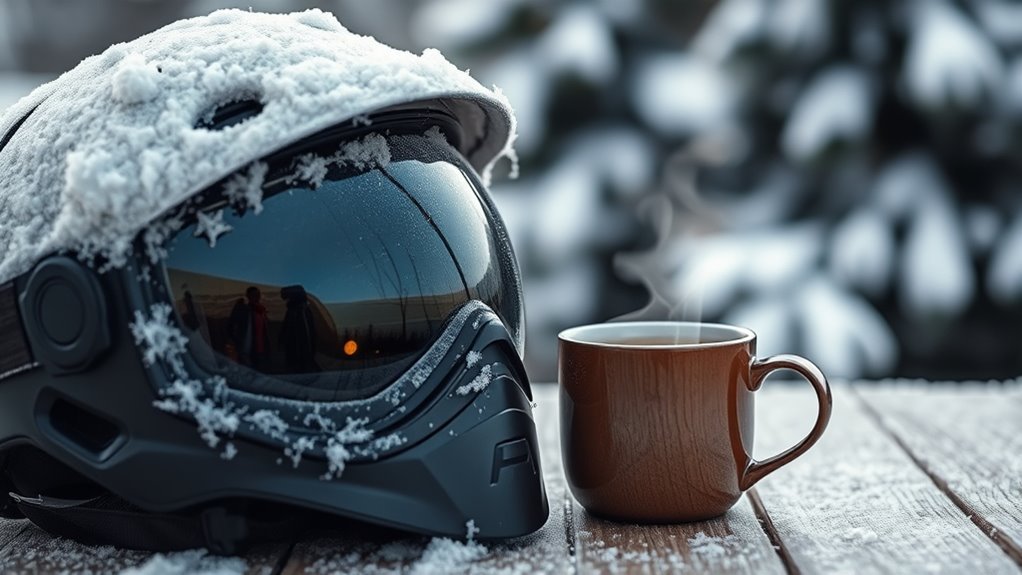
Fog forms because moisture in your breath condenses into tiny water droplets on the inside of your visor. The key difference is that warm exhaled air cools quickly inside the helmet, making the visor temperature drop below the dew point.
The physics of condensation (in practical terms)
Helmet fog is defined as the visible haze or droplets that appear on the inside or outside of a visor due to phase change from water vapor to liquid water. In cold conditions, the visor and helmet interior are cooler, so condensation becomes more likely.
- Temperature disparity: Cold outside temperatures lower the visor surface temperature, while your breath is typically warm (around 30–37°C / 86–98°F).
- Humidity buildup: If the air inside your helmet becomes saturated with moisture, fog can appear rapidly.
- Airflow stagnation: Poor venting means moist air stays near the visor instead of being expelled.
Why breathing makes fog worse
Your exhalation increases both temperature and humidity near the visor. When that warm, moist air flows upward toward the shield—especially with direct airflow patterns from your mouth and nose—condensation becomes easier.
Quick FAQ: What causes fog even when it is not freezing?
Fog can still form when temperatures are just below “comfortable” for the visor surface, or when outside humidity is high. The most common trigger is not only cold air, but a combination of cooler visor temperatures and saturated air inside the helmet.
The definition to remember is this: Dew point is the temperature at which water vapor in air becomes liquid. If the inside visor surface reaches or drops below that dew point, fog appears.
Choose a Helmet Designed for Cold-Weather Visibility
The right helmet reduces fog by improving airflow and by controlling moisture on visor surfaces. When shopping, prioritize ventilation design, visor compatibility, and anti-fog materials that are proven in real-world riding.
Ventilation system features that actually matter
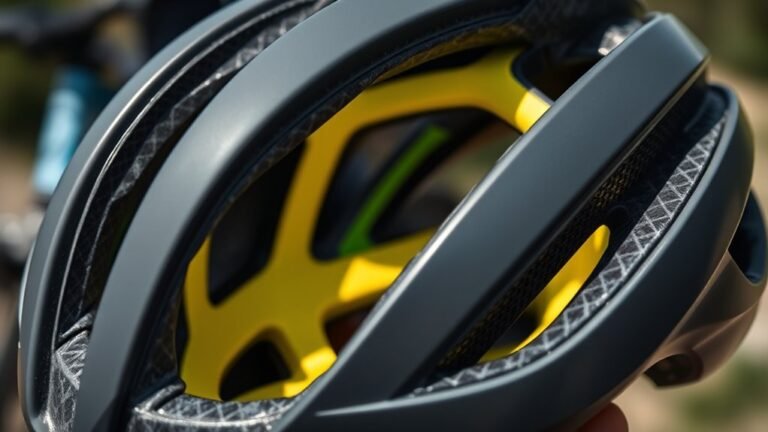
Good ventilation is defined as an intentional path that brings fresh air in and pushes humid air out near the visor and face opening. Many riders miss that fog prevention depends on air movement, not just the presence of vents.
- Adjustable intake vents: Allow you to increase airflow when conditions are humid or temperature differences are high.
- Exhaust outlets: Exhaust vents help carry warm, moist air away from the visor.
- Channeling and pressure management: Some designs create a controlled “front-to-rear” airflow pattern rather than random leakage.
- Wide field-of-view compatibility: Visors with better anti-fog coatings and airflow interfaces reduce stagnant pockets.
Fog-Reduction Impact of 7 Helmet Vent & Fit Features (Cold Weather)
| # | Helmet feature | Typical fog delay (min) | Best for visor temps < 0°C | Effectiveness |
|---|---|---|---|---|
| 1 | Independent exhaust outlets near visor | 18 | Yes | ★★★★★ |
| 2 | Front-to-rear channeling (pressure management) | 16 | Yes | ★★★★★ |
| 3 | Adjustable intake vents (closed/open control) | 12 | Yes | ★★★★☆ |
| 4 | Well-sealed cheek & brow liner fit (reduces upward leaks) | 10 | Yes | ★★★★☆ |
| 5 | Breath deflector / chin curtain redirect | 9 | Sometimes | ★★★☆☆ |
| 6 | Visor/face-assembly with stable airflow interface | 8 | Sometimes | ★★★☆☆ |
| 7 | Fixed vents that cannot be adjusted for humidity | 5 | No | ★★☆☆☆ |
Anti-fog liner options and visor technologies
Anti-fog liners are materials or systems designed to reduce fog formation by limiting moisture transfer and improving moisture control. The key difference is that some liners manage humidity distribution, while some visor coatings provide direct anti-fog performance on the optical surface.
- Fog-resistant visor coatings: Many brands apply hydrophilic coatings that spread moisture thinly instead of forming larger droplets.
- Anti-fog breath deflectors: Some helmets use internal airflow dividers to reduce direct breath contact with the visor.
- Replaceable anti-fog pads: Cheek pads and forehead seals can be upgraded to improve fit and airflow consistency.
Trust signal: safety standards you should not compromise
When selecting a helmet, fog prevention should never override impact safety. Look for helmets that meet recognized standards such as ECE 22.06, DOT, or Snell certifications, depending on your region. The best anti-fog setup is useless if the helmet fails to meet safety requirements.
Install and Maintain an Anti-Fog Plan for Your Visor
A consistent visor-cleaning and anti-fog routine is one of the highest-impact ways to prevent fogging. Most riders experience better results when they treat the visor like an optical surface: clean first, apply correctly, and avoid residue buildup.
Clean the visor before applying anti-fog products
Anti-fog products work best on a clean, grease-free surface. Oils from fingerprints, dust, and film from prior treatments can reduce coating performance and create streaks that worsen visibility.
- Use a microfiber cloth designed for optics.
- If permitted by the manufacturer, use a gentle visor-safe cleaner, then dry completely.
- Apply anti-fog products only after the visor is fully dry.
How anti-fog sprays and wipes work
Anti-fog agents are defined as chemicals or coatings that reduce surface tension and help moisture form a uniform, less-visible layer. Many modern products are designed to be hydrophilic (water-attracting), which can prevent fog from forming as large droplets.
Follow the product’s instructions for contact time and curing. Over-application can create haze or streaks, while under-application can lead to quick failure in high humidity.
FAQ: Should you use shaving cream, toothpaste, or home remedies?
Home remedies can leave residues that are difficult to remove and may degrade optical clarity. Use visor-approved anti-fog products whenever possible. The safest approach is manufacturer guidance for your specific visor material and coatings.
Optimize Ventilation During the Ride
Ventilation adjustments during a ride can keep visor temperatures stable and prevent moisture from pooling. Instead of waiting for fog to appear, use proactive airflow management at the start of your trip.
Set vents for cold starts and humid conditions
Cold-weather fog often begins in the first minutes after you seal your helmet. If you notice early fog, adjust vents to increase exhaust flow rather than only increasing intake.
- When you enter cold air, start with balanced intake and exhaust.
- If fog forms quickly, increase exhaust to remove humid air near the visor.
- Re-check vents after stopping or turning your head frequently.
Use airflow positioning and helmet fit
Fit affects how air moves inside the helmet. If your helmet is too loose around the cheeks or brow, exhaled air can travel upward and contact the visor more easily.
The key difference is that a stable seal improves predictable airflow, while gaps create uncontrolled turbulence that traps moisture where you do not want it.
Modify Breathing and Reduce Direct Moisture Contact
You can reduce fog by changing how exhaled air interacts with the visor and by keeping warm, humid air from reaching the shield. Breathing control is not magic, but it can noticeably improve performance when combined with ventilation and anti-fog treatment.
Breathing technique that helps
Try to avoid forcefully exhaling straight upward toward the face opening. Instead, aim for steady breathing that does not “jet” warm air into the visor area.
- Keep breathing smooth and consistent.
- Minimize sudden bursts of exhalation when starting from a stop.
- If your helmet has a breath deflector or chin curtain, ensure it sits correctly.
Use breathing guards only when they fit correctly
Breath guards can either help or hurt. If a guard improves redirection of moisture away from the visor, it can reduce condensation; if it blocks airflow or traps warm air, it can increase fog.
Always verify fit and comfort, and confirm the solution does not interfere with ventilation adjustments you rely on.
Prevent Moisture Entry From Your Helmet and Clothing
Moisture on the inside of your helmet can worsen fog because it adds water vapor to the air you’re trapping. Managing damp layers and seals reduces the total humidity load inside the helmet.
Control external humidity and rain exposure
If you ride in drizzle, wet wind, or snowfall, outside moisture can raise the interior humidity quickly. Consider these practical steps:
- Use a visor cover or keep your helmet sheltered when stopped.
- Ensure your helmet seals around the neck and face opening are intact.
- Dry the helmet interior between rides if it becomes damp.
Dry your helmet systematically
At a minimum, wipe down the interior sweat pads and allow the helmet to air-dry. For frequent cold-weather riders, regular maintenance prevents persistent moisture reservoirs that make every future ride more fog-prone.
When Fogging Persists: Troubleshooting Checklist
If fog keeps returning, the fix is usually a mismatch between visor condition, ventilation strategy, and fit. Use this step-by-step checklist to identify the most likely cause.
Quick diagnostic questions
- Does fog appear immediately? This suggests airflow stagnation or breath contact with the visor.
- Does fog appear after 10–20 minutes? This often points to humidity buildup that ventilation cannot clear fast enough.
- Are there streaks or oily haze? This suggests incomplete cleaning or incorrect product application.
- Is it only on one side? This can indicate uneven venting or a fit problem on the corresponding seal.
Most effective upgrades by category
When you need higher certainty, prioritize improvements in this order:
- Clean and coat the visor with a visor-safe anti-fog method.
- Confirm helmet ventilation settings and exhaust flow.
- Improve fit and airflow control with properly seated liners and seals.
- Use breathing redirection where your helmet design supports it.
Best Practices Summary for Cold-Weather Riders
Preventing helmet fog is easiest when you combine three layers: a treated visor, active airflow, and a fit that reduces moisture contact. Think of it as building a system, not relying on a single trick.
- Choose helmets with effective ventilation and anti-fog capable visor setups.
- Clean the visor, apply an anti-fog spray or wipe, and avoid residues.
- Adjust vents early, especially exhaust, and keep airflow paths open.
- Refine breathing so exhaled air does not directly flood the visor area.
- Dry helmet interiors between rides to reduce humidity load.
Final FAQ: What is the fastest way to clear fog mid-ride?
If fog appears while riding, the fastest non-permanent fix is to increase venting and airflow, then momentarily adjust your head position to reduce warm breath contact with the visor. For longer-lasting performance, the true solution is cleaning and applying an anti-fog treatment before the ride begins.
Frequently Asked Questions: How to Prevent Helmet Fogging in Cold Weather
Why does my helmet visor fog up in cold weather?
Helmet fogging happens when warm, moist air from your breath contacts a colder visor or shield. In cold conditions, the visor surface temperature drops below the dew point, so the moisture condenses into tiny water droplets that cloud your view. Poor ventilation, an improperly sealed visor, and wearing a helmet liner or balaclava that redirects breath upward can all increase fogging.
What’s the best anti-fog solution for a helmet visor in winter?
The most effective options are dedicated anti-fog products made for helmet visors (or for goggles with compatible coatings). Common approaches include: (1) anti-fog sprays designed for polycarbonate/visor materials, (2) anti-fog wipes or gels, and (3) anti-fog coatings applied according to the manufacturer’s instructions. For best results, clean the visor first with a non-oily, visor-safe cleaner, dry it completely, then apply the anti-fog treatment lightly. Avoid household glass cleaners that can damage coatings or leave residue that re-promotes fogging.
How can I stop fogging without using anti-fog spray?
If you don’t have anti-fog products, you can often reduce fogging by controlling heat, airflow, and moisture. Try these methods: (1) Improve ventilation—open helmet vents if available, or adjust the internal vents to create a gentle airflow across the visor. (2) Manage breath direction—use a balaclava or scarf that routes exhaled air downward (or choose a design that reduces upward venting). (3) Prevent leakage—ensure the visor is fully seated and that the helmet’s chin/face seal isn’t creating a pocket of trapped warm air. (4) Avoid sudden temperature changes—let your helmet acclimate indoors before riding, and don’t close the visor immediately after bringing it from a warm space to very cold air.
Do helmet liners or balaclavas affect fogging?
Yes—liners and balaclavas are a major factor because they can redirect warm breath toward the visor. A thin scarf that sits low and allows exhaled air to escape toward your chest may fog less than a higher, more sealed face covering that forces air upward. Look for liners designed for cold-weather use that reduce upward airflow. Also ensure the liner is installed correctly and doesn’t obstruct ventilation ports. If your helmet has a removable breath guard or wind deflector, position it so it prevents direct airflow toward the visor.
How do I clean and maintain my visor to prevent fogging over time?
Visor buildup can make anti-fog treatments less effective and can worsen condensation. Clean your visor regularly with products specifically safe for polycarbonate/anti-scratch coatings. Use a microfiber cloth, rinse or wipe away dust first, then apply a visor-safe cleaner if needed. After cleaning, dry thoroughly before applying an anti-fog treatment. Avoid abrasive pads and harsh solvents (including ammonia-based cleaners) that can degrade the surface and create micro-texture that holds moisture. Store the helmet in a dry, room-temperature area when possible, and don’t leave the visor closed for long periods with moisture trapped inside.
References
- Google Scholar search: Helmet/Visor Fogging Prevention and Anti-Fog Coatings in Cold Weather Google Scholar
https://scholar.google.com/scholar?q=helmet+visor+fogging+prevention+anti-fog+coating+cold+weather - Google Scholar search: Dew Point, Condensation, and How Moisture Causes Fogging on Goggles Google Scholar
https://scholar.google.com/scholar?q=dew+point+condensation+prevention+breath+exhaled+moisture+goggles - PubMed Search: Anti-Fog Coatings for Goggles and Lenses Google Scholar
https://pubmed.ncbi.nlm.nih.gov/?term=anti-fog+coating+goggles - PubMed Search: Fogging of Optical Devices Caused by Condensation and Exhaled Breath Google Scholar
https://pubmed.ncbi.nlm.nih.gov/?term=fogging+of+optical+devices+condensation+exhaled+breath - Condensation (How Water Vapor Turns Into Liquid Droplets)
https://en.wikipedia.org/wiki/Condensation - Dew (Formation, Condensation, and Cold-Weather Moisture)
https://www.britannica.com/science/dew - CDC Guidance on Wearing a Mask (Includes Tips for Fogging)
https://www.cdc.gov/coronavirus/2019-ncov/prevent-getting-sick/how-to-wear-a-mask.html - WHO Advice on the Use of Masks in the Context of COVID-19
https://www.who.int/publications/i/item/advice-on-the-use-of-masks-in-the-context-of-covid-19
📅 Last Updated: July 06, 2026 | Topic: How to Prevent Helmet Fogging in Cold Weather | Content verified for accuracy and freshness.