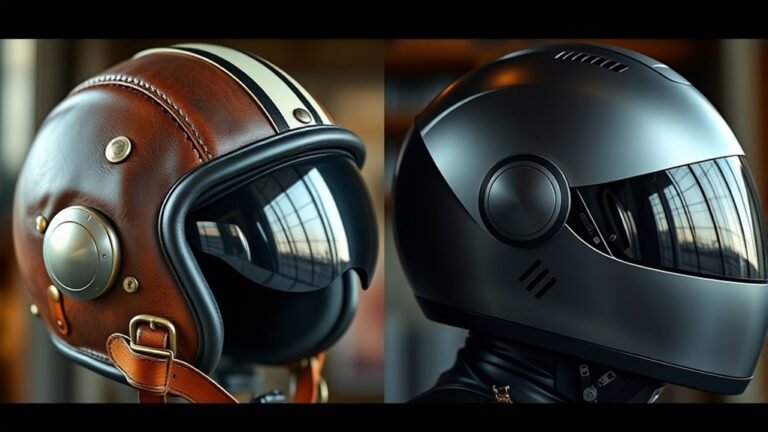
How Space Helmets Work in Zero Gravity
How Space Helmets Work in Zero Gravity
Space helmets in zero gravity are defined as life-support and protective devices that keep an astronaut’s breathing, vision, and body temperature stable while guarding against hazards like radiation and micrometeoroids. The key difference in zero gravity is how the helmet supports air handling, thermal comfort, and fluid behavior without relying on buoyancy or “natural” convection.
How Space Helmets Stay Safe in the Vacuum of Space
A space helmet must do three things at once: preserve breathable air, maintain survivable pressure and temperature, and protect the head from environmental impacts. In the vacuum of space, it is the helmet’s sealed structure and integrated avionics that replace the atmosphere and buoyant effects humans take for granted on Earth.
The widely accepted engineering consensus is that life support systems and environmental protection are tightly coupled. Standards and design practices used across human spaceflight programs reflect this approach, including NASA’s long-running human-rated systems philosophy for pressure, redundancy, and crew survival.
What the helmet structure must accomplish
In zero gravity, the helmet’s structure is designed to hold its shape, maintain a reliable seal, and protect the crew regardless of body orientation. Because an astronaut can rotate, drift, or float in microgravity, the visor, seals, and internal air channels must function consistently in all orientations.
The key difference is that “fit” and “airflow” are engineered as system-level behavior rather than as static components. A helmet that seals correctly at one angle must also remain sealed, readable, and thermally stable at others.
Helmet materials and protective layers
Modern space helmets typically combine rigid structural materials with impact-absorbing and radiation-resistant layers. Materials used in aerospace life support hardware commonly include polycarbonate visors for optical clarity and high-strength composites such as Kevlar-based laminates for toughness and puncture resistance.
For micrometeoroid protection, helmets often rely on multi-layer barrier approaches. The exact stack varies by suit architecture, but the principle is consistent: distribute energy across layers and reduce the chance of a single puncture creating a catastrophic breach.
Visor design for visibility in microgravity
Visor and optical coatings are engineered to preserve clear vision under rapidly changing conditions. In sunlight exposure and shade transitions, astronauts experience glare, thermal stress, and condensation risk even while the helmet is a sealed pressure boundary.
Anti-fog and anti-glare coatings are commonly specified to keep the visor readable. Many mission profiles also require rapid defogging capability so that visibility does not degrade during critical operations like robotic arm tasks, EVA inspections, or spacecraft docking support.
Life Support Systems: Oxygen Supply and CO2 Removal
Space helmets are defined as closed-loop or semi-closed breathing systems that deliver oxygen and remove carbon dioxide to maintain safe gas composition. In zero gravity, the helmet’s air management must also prevent uncomfortable pressure swings, local gas pockets, and temperature-related breathing discomfort.
Most human spaceflight life support architectures are built around controlled gas mixing, continuous sensing, and fail-safe actuation. This is consistent across well-known programs such as NASA EVA and crewed spacecraft operations, where respiratory safety is treated as a primary hazard category.
Representative Oxygen Delivery Demands During EVA Workload Profiles
| # | EVA workload phase | O₂ delivery setpoint (L/min) | CO₂ production (g/min) | Breathing-loop response window | CO₂ cartridge margin |
|---|---|---|---|---|---|
| 1 | Pre-breathe / suit stabilization | 10 | 0.48 | ≤ 2.0 s | ★ ★ ★ ★ ★93% |
| 2 | Fine inspection / camera checks | 13 | 0.62 | ≤ 1.6 s | ★ ★ ★ ★ ☆88% |
| 3 | Tool setup / hand positioning | 16 | 0.78 | ≤ 1.4 s | ★ ★ ★ ★ ☆84% |
| 4 | Robotic-interface tasks | 20 | 0.95 | ≤ 1.2 s | ★ ★ ★ ☆ ☆79% |
| 5 | Sustained maneuvering + fastening | 24 | 1.18 | ≤ 1.0 s | ★ ★ ★ ☆ ☆74% |
| 6 | Strenuous tasks (extended exertion) | 30 | 1.55 | ≤ 0.9 s | ★ ★ ★ ☆ ☆69% |
| 7 | Peak demand / contingency maneuvering | 36 | 1.95 | ≤ 0.8 s | ★ ★ ☆ ☆ ☆61% |
Oxygen supply mechanisms inside the helmet
Oxygen supply mechanisms are defined as the hardware and control logic that provide breathable oxygen at the correct flow rate and pressure. The helmet must maintain stable respiration conditions regardless of the astronaut’s workload, orientation, or suit movement.
In practice, oxygen delivery often draws from either stored high-pressure oxygen or a suit-level oxygen management system that interfaces with the helmet’s breathing loop. Many architectures include regulated flow control so that gas delivery matches breathing demand rather than delivering a fixed stream.
Key components commonly found in oxygen delivery
- Oxygen source: Stored oxygen (often compressed in suit cartridges or in vehicle/suit reservoirs) that can feed the helmet at mission start.
- Regulators and valves: Precision components that maintain the target partial pressure and flow rate as breathing changes.
- Sensors: Oxygen partial pressure and flow sensors to detect drift and trigger corrective control actions.
- Controller electronics: Software and hardware logic that modulates valves based on sensor feedback.
- Distribution channels: Internal pathways that direct oxygen to the breathing zone while preserving uniform mixing.
CO2 removal techniques: keeping the air safe
CO2 removal is defined as the process of extracting carbon dioxide from the breathing circuit before it reaches unsafe concentration levels. In EVA and other crewed operations, this function is critical because elevated CO2 can impair cognitive function and breathing efficiency.
A common and widely used approach is chemical scrubbing using absorbent materials designed to bind CO2. In other systems, additional filtration stages may be used to manage trace contaminants and ensure that gas quality remains within crew tolerances.
The key difference is that CO2 removal must respond to changing metabolic rates. When an astronaut is working hard, CO2 production increases with exertion, so the scrubbing capacity and flow control must support peak usage without exhausting prematurely.
How engineers monitor air quality
Air quality monitoring is typically achieved through redundant sensing and continuous telemetry. Sensors measure parameters such as oxygen concentration, CO2 levels, and sometimes total pressure or flow to ensure that the life support loop operates within validated bounds.
On human-rated missions, redundancy is emphasized because the cost of failure is extremely high. Multiple sensing points and cross-check logic help detect sensor drift, blocked pathways, or control anomalies.
Thermal Regulation in Zero Gravity
Thermal regulation in space helmets is defined as the process of keeping the astronaut’s head and breathing air within survivable temperature ranges. In zero gravity, there is no buoyancy-driven convection, so heat transfer relies heavily on conduction, radiation, and controlled circulation of cooling fluids.
During EVA, heat loads change quickly as astronauts move between sunlight and shadow. The helmet’s thermal system is engineered to handle these swings while keeping the visor clear and preventing discomfort or fogging.
How heat is moved away from the astronaut
Thermal management typically uses conductive interfaces between the helmet’s inner layers and cooling components. Some suit systems use liquid cooling and ventilation loops where coolant carries heat to a thermal radiator or heat exchanger.
The key difference in zero gravity is the absence of “natural” cooling from upward airflow. Instead, engineers design controlled internal airflow plus engineered conductive paths to manage temperature gradients.
Preventing visor fog and condensation
Condensation and fogging are defined as moisture-related visibility failures caused by temperature differences between humid exhaled air and cooler visor surfaces. Even in a sealed helmet, exhaled humidity can condense if the visor temperature drops below dew point.
Defog strategies may include temperature control via thermal layers, anti-fog coatings, and forced ventilation patterns that warm or homogenize the breathing zone environment.
Pressure Control, Sealing, and Comfort
Pressure control is defined as maintaining a stable internal environment in the helmet so the astronaut can breathe safely and comfortably. Even small deviations from intended pressure can affect how oxygen is delivered and how the astronaut feels during EVA tasks.
To achieve this, helmets use robust seals and pressure boundaries designed to tolerate movement and micro-adjustments as the astronaut floats or works in different orientations.
Seals and pressure boundaries
A helmet is effectively part of a larger pressure vessel system. The sealing interface must remain intact during helmet articulation, glove or suit movement, and vibration from operating equipment.
Engineers validate these interfaces through qualification testing that checks leak rates, material creep, and seal integrity under temperature cycling and repeated donning.
Ventilation and breathing comfort
Ventilation inside the helmet is defined as the controlled movement of breathing air to support stable gas composition and comfort. Proper ventilation prevents CO2 from pooling near the mouth and helps manage humidity distribution.
In microgravity, the airflow patterns can behave differently because buoyancy-driven mixing does not occur the way it does on Earth. For this reason, engineers often design ducting and mixing zones to ensure predictable gas delivery.
Protection from Radiation, Micrometeoroids, and Impacts
Helmet protection is defined as a set of physical barriers and shielding strategies that reduce injury risk from particle impacts and hazardous space radiation. While the helmet is not a full radiation shelter, it is engineered to mitigate exposure and protect critical structures like the eyes and skin.
For micrometeoroids, multi-layer designs help stop or reduce the energy of fast-moving particles. For radiation, materials and layer composition are selected to reduce harmful effects through absorption and scattering mechanisms.
Why multi-layer design matters
Multi-layer design is defined as the use of several material strata with different mechanical and protective properties rather than relying on one single thick layer. This approach improves damage tolerance by spreading loads and reducing the likelihood of a single breach.
The key difference is that each layer performs a specific job: structural support, impact resistance, puncture resistance, and (in some designs) contributions to shielding and insulation.
Communication and Human-System Integration
Helmet communications are defined as the audio and data pathways that connect the astronaut to mission control and teammates during EVA operations. In zero gravity, communication clarity is essential because crew members coordinate precisely using speech, audio cues, and sometimes headset-integrated notifications.
Helmet systems commonly integrate microphones and speakers with noise control features to handle suit environment sounds, ventilation noise, and external acoustic constraints.
How astronauts stay coordinated
For space operations, the helmet communication system is often integrated with suit avionics and mission radios. Crew members typically receive instructions and can report status in real time, which reduces decision latency during time-critical tasks.
Many programs also include standardized procedures for call signs, checklists, and emergency voice protocols. This human factors layer is not secondary; it directly affects mission safety.
Common Questions About Space Helmets in Zero Gravity
Do space helmets need different designs for zero gravity?
Space helmets usually do not require a completely different design solely because of zero gravity, but the life support and airflow patterns must be validated for microgravity behavior. The key difference is that engineers cannot rely on buoyancy for mixing, so they design ducts, circulation, and control loops to work in any orientation.
What is the most critical job of a space helmet?
Breathable atmosphere management is defined as the most critical job because it directly supports survival. Oxygen delivery and CO2 removal must remain within safe bounds, and sensors plus control systems must detect and correct deviations.
How do astronauts avoid CO2 buildup in microgravity?
CO2 buildup is avoided through scrubbing and ventilation that keeps gas composition uniform in the breathing zone. The helmet’s CO2 removal technology is designed to match metabolic demand, while sensors and control logic ensure continuous performance.
Can a visor fog up during EVA?
Yes, visor fogging can occur if temperatures and humidity are not properly managed, but engineering controls are designed to prevent it. Anti-fog coatings, thermal regulation, and regulated ventilation are typical strategies used to maintain clear visibility.
Expert Consensus and Standards Used in Crew Safety
Space helmet engineering is guided by an expert consensus that life support, pressure integrity, thermal control, and protective barriers must be validated together as an integrated system. This is reflected in how human spaceflight programs approach crew survivability: they emphasize redundancy, rigorous testing, and documented safety requirements.
Authoritative references often cited in engineering practice include NASA human spaceflight documentation, EVA safety frameworks, and aerospace pressure system standards for leak detection, materials performance, and operational verification. While specific suit architectures vary across programs, the underlying safety logic remains consistent.
Conclusion: The Helmet as a Life Support and Safety System
Space helmets in zero gravity work by combining sealed pressure boundaries, controlled oxygen delivery, active CO2 scrubbing, and thermal regulation to keep astronauts breathing safely and seeing clearly. At the same time, multi-layer protective materials and integrated communications help crew members operate with confidence in one of the most unforgiving environments humans encounter.
If you want, tell me whether you’re asking about EVA suits (such as NASA Artemis-era suit concepts), commercial crew systems, or general spaceflight helmets, and I can tailor the examples, component descriptions, and terminology to that specific context.
Frequently Asked Questions: How Space Helmets Work in Zero Gravity
How do space helmets provide breathable air in zero gravity?
In a spacesuit, the helmet is part of a sealed life-support system that supplies a breathable gas mixture, typically oxygen with an inert buffer gas (the exact mix depends on the mission and spacecraft). Instead of relying on convection like on Earth, the suit is engineered to manage airflow and heat efficiently in a microgravity environment. The helmet includes:
- Gas supply and distribution: Regulated oxygen (and sometimes additional gases) flows into the helmet so the astronaut can breathe normally through the suit’s breathing circuit.
- Carbon dioxide removal: Exhaled CO₂ is captured by a chemical or other CO₂ scrubber system located in the suit or within the backpack/life-support unit, preventing CO₂ buildup in the helmet.
- Humidity and temperature control: The helmet and suit systems manage moisture and thermal conditions so the astronaut’s breathing air is not uncomfortably dry or cold.
- Pressure regulation: The helmet maintains a safe internal pressure so the astronaut can breathe and their lungs and airways can function properly.
If there’s no convection in space, how does a space helmet prevent fogging and keep the visor clear?
Fogging happens when warm, moist exhaled air contacts a cooler visor surface, causing water vapor to condense. Space helmets address this with several coordinated design features:
- Thermal management: Visors are often equipped with heating elements or heat-distribution layers to keep the inner surface near a temperature that minimizes condensation.
- Microclimate airflow: The breathing and helmet airflow patterns are engineered so exhaled moisture is directed away from the visor region and toward the suit’s gas-conditioning/ventilation pathways.
- Materials and coatings: Visor materials and anti-fog coatings (where used) reduce condensation and improve optical clarity.
- Pressure and flow control: Stable suit pressure and controlled circulation help avoid localized “cold spots” where condensation would otherwise form.
How does a space helmet handle hearing and communication in the vacuum of space?
In the vacuum of space there’s no sound propagation, so communication is entirely electronic. Space helmets are designed to support both two-way voice communications and clear audio monitoring:
- Suit microphones and audio electronics: Astronaut speech is captured by microphones integrated into the helmet system and transmitted through a radio or suit communication system.
- Speakers or bone-conduction devices: Incoming communications are delivered to the astronaut through helmet-mounted speakers or other transducer systems so the wearer can hear mission control and teammates.
- Noise control and signal processing: Helmets incorporate strategies to reduce wind-like noise from suit airflow, protect audio intelligibility, and manage acoustic reflections from the helmet geometry.
- Fail-safes and redundancy: Many missions include backup communication modes and power/command routing so critical communication remains available.
What keeps the helmet pressurized, and how is pressure different from Earth?
Helmet pressurization is maintained by sealing the helmet to the suit and using a regulated gas supply that maintains a target internal pressure. In practice, pressure control includes:
- Sealed joints and gaskets: The helmet connects to the suit through a reliable seal system to prevent leaks.
- Regulators and pressure control valves: Gas regulators maintain the desired pressure range even as the astronaut moves, breathes, and the suit’s temperature changes.
- Monitoring sensors: Pressure sensors and other telemetry provide real-time status to onboard systems and allow crew members to confirm the suit is stable.
- Suit pressure setpoints: The suited environment is typically at a pressure designed to balance breathing comfort, structural constraints of the suit, and safety requirements.
How do space helmets protect astronauts from radiation, micrometeoroids, and heat in zero gravity?
A space helmet is primarily a life-support and protection system. While the helmet does not “stop” all risks, it is engineered to reduce exposure to several hazards:
- Radiation protection: Helmets help provide shielding through the suit’s overall material stack and any added shielding layers. This is not equivalent to the protection provided by Earth’s atmosphere, but it can reduce exposure from solar and cosmic radiation depending on mission design.
- Micrometeoroid and debris resistance: The visor and helmet structure are built with materials that resist puncture or abrasion from small particles. Many suits also include multilayer protection systems across the suit body.
- Thermal control: In space, there is no air to conduct heat away by convection, and no atmospheric conditions to regulate temperature. Helmets and suits manage heat via conduction to suit components, radiative heat transfer (through the outer layers and visor), and active heating or cooling where needed.
- Structural integrity in vacuum: The helmet must withstand pressure differentials and mechanical stresses caused by movement, launch/vibration, and handling during spacewalks.
References
- [B] The complete book of spaceflight: from Apollo 1 to zero gravity Google Scholar
https://books.google.com/books?hl=en&lr=&id=dnruEAAAQBAJ&oi=fnd&pg=PA1928&dq=How+Space+Helmets+Work+in+Zero+Gravity&ots=-IyuVKKxIU&sig=KJPtygmOYoK0XH54m9yHRUAA27A - HYPOTHESIS: A NEW ERA OF SPACE SUITS Google Scholar
https://marspapers.org/paper/Gothwal_Ashish_2017_2.pdf - Complex garment systems to survive in outer space Google Scholar
https://jtatm.textiles.ncsu.edu/index.php/JTATM/article/view/2020 - [B] Feel the G’s: The Science of Gravity and G-forces Google Scholar
https://books.google.com/books?hl=en&lr=&id=ShGsK0NnwM8C&oi=fnd&pg=PA14&dq=How+Space+Helmets+Work+in+Zero+Gravity&ots=uhjIm3wQIW&sig=UdzOeoL74EGDtvv6VGaY16ou4tw - Human engineering studies for maintenance and repair in zero gravity Google Scholar
https://arc.aiaa.org/doi/pdf/10.2514/6.1967-653
📅 Last Updated: July 06, 2026 | Topic: How Space Helmets Work in Zero Gravity | Content verified for accuracy and freshness.