Military Helmets: Advances in Protection Technology
Military Helmets: Advances in Protection Technology
Modern military helmets are engineered to reduce life-threatening head injuries while preserving mobility, communication clarity, and situational awareness. The key shift is from “basic head protection” to multi-layer ballistic systems paired with ergonomic suspension, sensor-ready interfaces, and data-informed threat response.
Why Modern Helmet Protection Has Evolved So Much
Military helmet design has advanced rapidly because battlefield threats now include higher-velocity fragments, complex ballistic profiles, and prolonged exposure under demanding mission loads. The most important takeaway is that today’s helmets are built to manage both impact energy and user comfort over long durations.
The key difference is that current systems treat protection as a combination of ballistic materials, energy management, and human factors engineering. In other words, the helmet is not only a “shell,” but a controlled performance platform.
How protection performance is commonly measured
Helmet performance is typically evaluated using recognized ballistic standards and impact testing methods that quantify penetration and blunt-force trauma risk. In most procurement contexts, compliance with established frameworks matters as much as comfort and weight.
- NIJ (National Institute of Justice) is widely used in ballistic protective equipment testing and classification in the United States.
- STANAG standards used by NATO countries help standardize ballistic and fragmentation testing requirements.
- ARC/Trauma metrics may be used alongside penetration testing to estimate the likelihood of clinically significant blunt impact injury.
Common Helmet Threat Targets and Test Benchmarks (NIJ + NATO STANAG)
| # | Threat/Use Case | Test Objective | Referenced Standard | Key Measured Outcome | Procurement Priority |
|---|---|---|---|---|---|
| 1 | Fragment-dominated environments | Fragment penetration resistance | STANAG 2920 | Backface / fragment lethality indication | ★★★★★ |
| 2 | Ballistic fragmentation from small arms | Threat defeat with blunt trauma management | NIJ 0106.01 | Penetration and backface deformation metrics | ★★★★☆ |
| 3 | Light protective requirement (entry ballistic) | Baseline projectile resistance | NIJ 0106.01 Level II | Penetration resistance under specified projectile set | ★★★☆☆ |
| 4 | Higher ballistic threat (general-purpose) | Ballistic performance with trauma constraint | NIJ 0106.01 Level IIIA | Penetration + backface deformation limits | ★★★★☆ |
| 5 | Worst-case fragment angle coverage | Coverage of helmet zones | STANAG 2920 | Fragment backface response across test points | ★★★★☆ |
| 6 | Trauma risk during non-penetrating impacts | Blunt trauma mitigation | NIJ 0106.01 (helmet backface) | Backface deformation measurement method | ★★★★☆ |
| 7 | Multi-threat procurement qualification | Ballistic + fragment intent alignment | NIJ 0106.01 + STANAG 2920 | Penetration limits + backface/fragment response | ★★★★★ |
Quick Q&A: What is “trauma reduction” in helmet design?
Trauma reduction in a modern helmet is defined as the helmet’s ability to limit the force transmitted to the head during an impact, primarily through multi-layer energy absorption and optimized suspension fit.
Evolution of Military Helmet Design: From Basic Covers to System Platforms
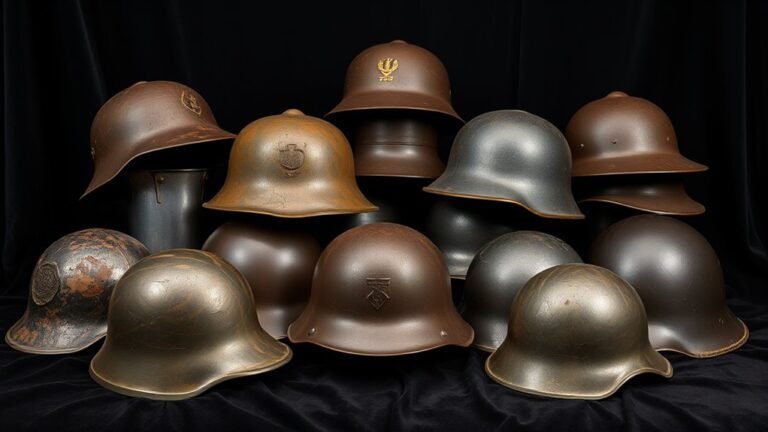
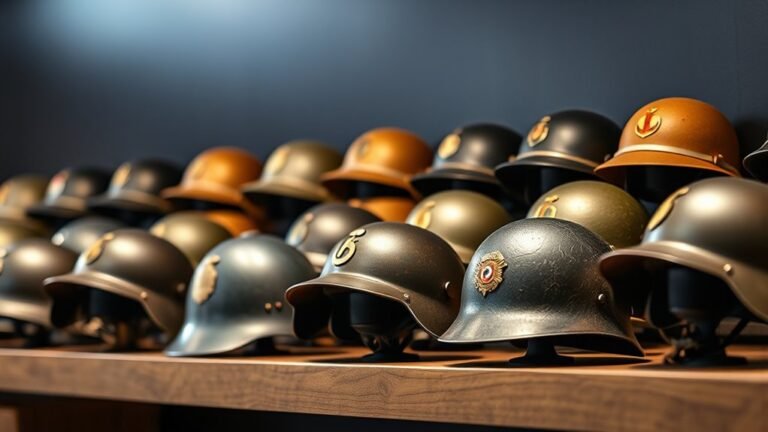
The evolution of military helmets reflects changing threat environments, new materials science, and a growing emphasis on soldier performance. Early designs prioritized stopping fragments, while modern programs integrate mission electronics, protective liners, and comfort systems that support hours of wear.
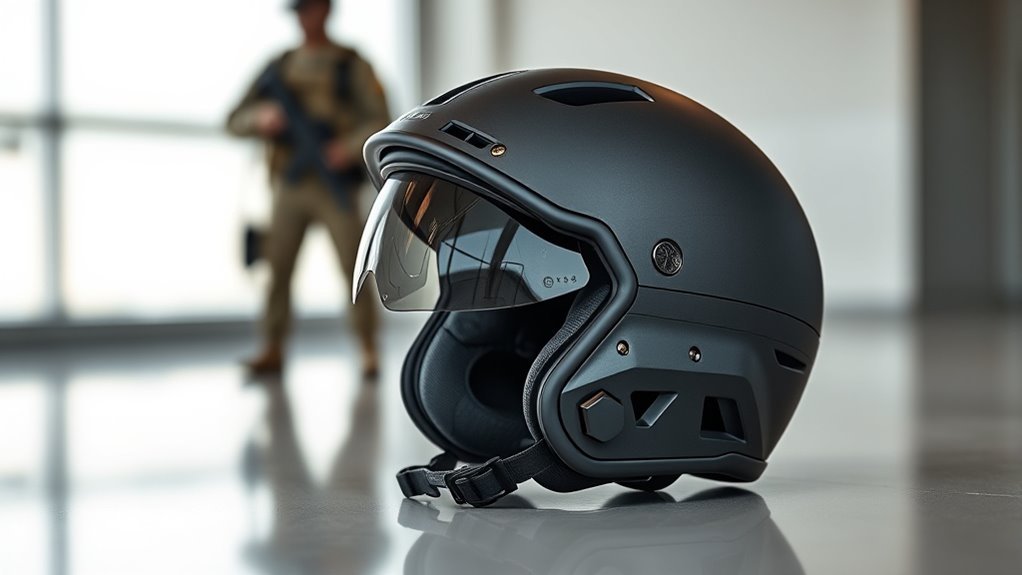
Historically, helmets were largely passive shells. Today, many helmets operate as system platforms that accommodate night-vision devices, communications headsets, mounted optics, and protective face shields.
Ergonomics became a decisive performance factor
Ergonomics is defined as the science of designing equipment to match human anatomy and reduce fatigue during real-world use. In military helmet development, ergonomics directly affects how consistently a soldier can wear protective gear correctly.
- Suspension systems manage helmet-to-head spacing to stabilize the helmet during impact.
- Weight distribution helps reduce neck strain and improves endurance during long patrols.
- Adjustable fit interfaces improve consistency across different head sizes and headgear configurations.
Integration of mission gear changed the helmet’s shape and interfaces
The key shift is that modern helmet shells and rails are designed for modular add-ons, not just ballistic layers. This allows interoperability with accessories such as NVG mounts, tactical rails, and protective eyewear.
Conversational Q&A: Why does helmet compatibility matter as much as ballistics?
Compatibility matters because a helmet that cannot reliably support radios, night vision, or protective optics can reduce mission effectiveness. When systems are integrated properly, the soldier can maintain situational awareness without sacrificing protection or comfort.
Advanced Materials Used in Modern Helmets
Modern helmets rely on advanced composite materials that balance ballistic performance, weight, and durability. The goal is to stop or significantly reduce projectile penetration while managing the energy transfer that causes blunt trauma.
The key difference is that today’s designs use engineered multi-material constructions rather than single-material approaches. This improves performance across a range of threat types, including fragments and some projectile classes.
Kevlar and aramid composites: strength with manageable weight
Kevlar is commonly used because aramid fibers offer high strength-to-weight performance and good resistance to penetration. In practical helmet designs, these fibers often appear in layered ballistic configurations that create thickness where it matters most.
- Aramid composite layers help resist penetration and manage energy dispersion.
- Multi-layer construction spreads force across a wider area of the headband and liner.
Ballistic nylon and hybrid liners for durability and comfort
Ballistic nylon is frequently used as a tough interface layer because it can contribute to durability, abrasion resistance, and comfort against sweat and contact with gear. Hybrid constructions may combine aramid layers with other textiles and foams to optimize fit and energy absorption.
Quick Q&A: What does a “ballistic liner” do compared to the outer shell?
A ballistic liner is defined as the internal protective layer(s) engineered to stop or fragment incoming threats and reduce transmitted impact energy. The outer shell primarily contributes to threat deflection, environmental durability, and modular mounting support.
Enhanced Impact Resistance Features: Multi-Layer Energy Management
Enhanced impact resistance is designed to reduce both penetration risk and blunt-force trauma. The modern approach emphasizes energy absorption, controlled deformation, and improved helmet-head coupling through suspension tuning.
The key difference is that advanced helmets aim to reduce the force transmitted to the skull rather than relying solely on “hardness.” Energy management is achieved through engineered layers that deform in a predictable way.
How multi-layer designs dissipate energy
Most high-performance helmets combine ballistic materials with additional liners that help spread and attenuate impact energy. This is especially important for fragment impacts that can occur at varied angles and velocities.
- Fragment energy dispersion helps prevent concentrated loading on a single point.
- Controlled deformation reduces peak force levels transmitted to the head.
- Suspension optimization improves spacing and reduces “bottoming out” during high-energy impacts.
Frequently asked question: Do liners change comfort or stability?
Yes, liners and suspension systems affect both comfort and stability. A well-tuned suspension improves fit consistency and can reduce hotspots during movement, while the ballistic liner helps maintain protective performance under real impacts.
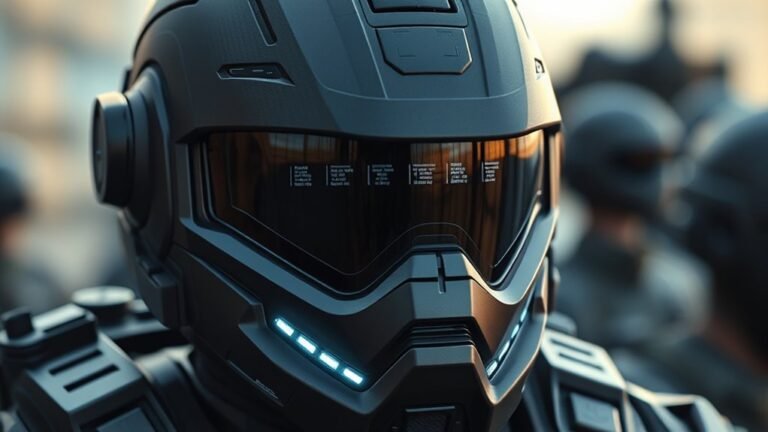
Smart Sensors, Adaptive Fit, and Connected Helmet Capabilities
Smart helmet features are increasingly used to support situational awareness and survivability. The most common direction is sensors and communication integration that improve how commanders and soldiers understand threats and physiological status.
The key difference is that sensor-ready helmets can add value beyond ballistic protection by enabling data capture and faster decision-making in the field.
Adaptive fit systems: reducing user variability
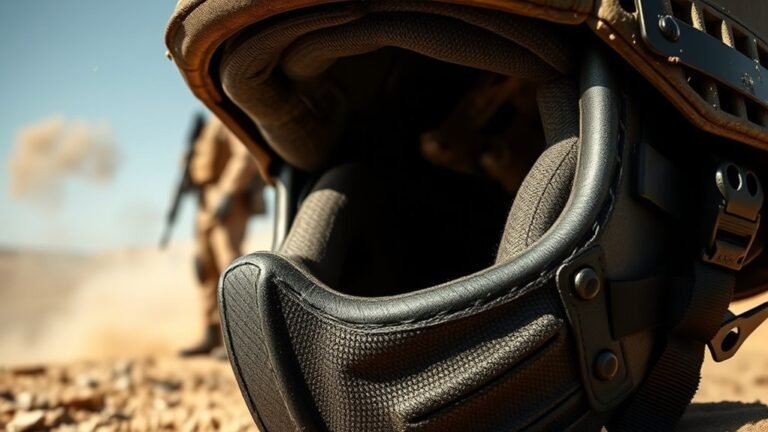
Adaptive fit is defined as the use of adjustable or responsive mechanisms that maintain a stable, consistent helmet position across head sizes and mission conditions. Consistent helmet fit helps ensure that the ballistic liner sits where it must during impact.
- Dialed or modular harness components support fine adjustments.
- Improved retention systems reduce helmet shift during running, climbing, or vehicle operations.
Sensor integration for situational awareness
Helmet-mounted electronics may include communications interfaces, microphones, and hearing protection channels that support team coordination. In some programs, impact or physiological sensing is explored to provide post-event alerts and injury-relevant event context.
Conversational Q&A: Are “smart helmets” proven for everyday military use?
Many sensor-integrated features are being fielded in phases, often starting with communications and modular electronics. Impact or physiological sensing is still expanding across procurement programs because systems must be reliable in harsh environments, safe, and maintainable under operational constraints.
Durability, Maintenance, and Standards Compliance
Protection only matters if the helmet remains functional over time. Modern military helmet technologies include environmental resistance and maintenance-friendly designs to help units sustain protection readiness.
The key difference is that durability engineering treats the helmet as a long-term operational asset, not a one-time component. This includes resistance to sweat, abrasion, temperature cycling, and transport damage.
Durability considerations that affect real-world performance
Repeated wear, heat exposure, and transport vibration can degrade materials if they are not properly engineered. Many protective systems therefore use robust outer coatings and stable liner constructions.
- Environmental robustness: resistance to moisture, dust ingress, and abrasion.
- Consistent retention: hardware and padding that remain stable over repeated adjustments.
- Lifecycle management: replacement intervals based on inspection criteria and damage history.
What standards should buyers and units look for?
Units often look for compliance with recognized ballistic testing regimes such as NIJ and relevant NATO STANAG documents. While exact requirements vary by country and procurement contract, adherence to authoritative testing is a widely accepted indicator of credible protection performance.
What’s Next: Future Trends in Helmet Protection Technology
The future of military helmets will likely combine improved ballistic protection, smarter electronics, and human-centered design that reduces fatigue and improves mission effectiveness. Advances in manufacturing, materials, and sensor integration will shape the next generation of protective headgear.
Based on current industry trajectories, meaningful near-term progress is expected in lightweight composite optimization, more reliable sensor integration, and better ergonomic customization.
Likely innovation directions over the next several years
Development priorities often focus on performance per gram, maintainability, and modularity. As threats and mission profiles evolve, procurement programs tend to favor helmets that can be upgraded without replacing the entire system.
- Lightweight ballistic composites that preserve protection while lowering mass.
- Modular mounting ecosystems for communications, optics, and protective eyewear.
- Expanded electronics integration for communications and threat-related context.
Quick Q&A: Will future helmets fully replace older models?
Most organizations will transition gradually. Many helmet systems are updated through upgrades to liners, mounting kits, and electronics rather than complete replacement, depending on budgets, mission needs, and compliance requirements.
Conclusion: The Helmet as a Protective and Operational Technology
Military helmets today are defined by integrated protection engineering: ballistic composites, engineered liners, ergonomic suspension, and increasingly sensor-ready platforms. As technology advances, the focus remains the same—saving lives while enabling soldiers to move, communicate, and operate effectively.
If you’re evaluating or comparing helmet solutions, prioritize validated ballistic performance, proven comfort and fit stability, and compatibility with mission gear. Those factors—together—reflect the modern standard of helmet protection technology.
Frequently Asked Questions
What are the biggest advances in modern military helmet protection technology?
Modern military helmets have progressed from primarily ballistic-focused designs to integrated protection systems. Key advances include multi-layer composite shells that better distribute impact energy, improved retention and fit systems that minimize head movement during blasts, and liners engineered for both blunt trauma reduction and ballistic resistance. Many helmets also incorporate modular accessories—such as rails, mounts, and covers—without sacrificing comfort or weight balance. Additionally, recent developments emphasize threat-appropriate protection, such as multi-hit capability (maintaining performance after multiple impacts) and enhanced coverage zones to reduce exposed areas. Some designs include special inserts or anti-spall coatings that help limit secondary fragmentation inside the helmet. Finally, advances in quality control and materials testing improve consistency from helmet to helmet, which is crucial for real-world performance.
How do ballistic liners and spall protection differ, and why do both matter?
Ballistic liners and spall protection address different injury mechanisms. Ballistic liners primarily work to slow, deform, or stop high-velocity projectiles and fragments by absorbing impact energy across layered materials. Spall protection focuses on what happens when a projectile or fragment strikes the outer shell: even if the projectile does not fully penetrate, it can cause fragments of material to break off from the inside surface (“spall”) and create a secondary hazard to the wearer. Many helmets therefore use liners, coatings, or inner layers designed to catch or reduce these fragments, and to dampen impact forces before they reach the skull. In practice, effective helmets combine these functions so that if an impact occurs, the system both reduces penetration risk and minimizes internal fragment and blunt-force effects.
Can today’s helmets protect against both bullets and blast-related injuries?
In many modern helmet systems, yes—though no single helmet design guarantees full protection against every threat scenario. Helmets are increasingly engineered to manage multiple threat types, including ballistic impacts and blast overpressure/blunt trauma. Ballistic performance is achieved through composite shells and energy-absorbing liners. Blast-related injury mitigation typically relies on liners and suspension systems that reduce transmitted force to the head and limit helmet motion during a sudden acceleration event. Some helmets also use specialized padding patterns or improved suspension geometry to optimize how impact energy disperses. However, protection against blast injuries is complex because overpressure effects, shock waves, and acceleration forces vary widely by environment and proximity. As a result, helmet protection is often paired with other equipment—such as body armor, hearing protection, and training on protective posture—to provide a more complete safety approach.
What standards and test methods are used to evaluate military helmet performance?
Helmet performance is typically evaluated using standardized test methods that measure ballistic resistance, backface deformation (how much the material deforms inward), and resistance to fragmentation and blunt trauma. Commonly referenced frameworks include NIJ (National Institute of Justice) in the United States for ballistic and stab-resistance categories, as well as military and NATO-aligned test regimes depending on the procurement program. Tests may involve shooting specific projectile types at defined velocities, controlling angles and distances, and using standardized backing materials to assess injury-related deformation. For blast and blunt impact, there may be additional evaluations that assess acceleration and impact transfer under controlled conditions. Because standards and acceptance criteria can vary by country and contract, the most reliable way to compare helmets is to look for the specific certification level, test report details, and applicable threat models rather than relying on marketing claims alone.
How should a soldier properly fit and maintain a military helmet to ensure protection?
Proper fit and maintenance are essential for helmets to perform as designed. A helmet that is too loose can allow excessive head movement during impact or blast acceleration, reducing the effectiveness of liners and increasing the risk of injury. A helmet that sits too high or low can also leave critical areas exposed or place undue stress on the suspension system. The correct approach is to follow the manufacturer’s sizing guidance, adjust the retention system so the helmet is secure while remaining comfortable, and ensure padding/liner components are installed correctly and evenly. Maintenance typically includes inspecting the shell for cracks, dents, delamination, or missing components; checking straps and fasteners for wear or damage; and verifying mounts and accessories do not interfere with the liner’s intended function. Cleaning should be done according to product instructions to avoid damaging coatings or liners. After any significant impact or suspected compromise, the helmet should be inspected and, if required by protocol, retired from service.
References
- A developmental perspective on protective helmets Google Scholar
https://link.springer.com/article/10.1007/s10853-023-08441-3 - [B] Advances in military textiles and personal equipment Google Scholar
https://books.google.com/books?hl=en&lr=&id=Xs5ZAgAAQBAJ&oi=fnd&pg=PP1&dq=Military+Helmets:+Advances+in+Protection+Technology&ots=8-tB8FVI75&sig=pXyxRQTHQsk45iisbTry7DumPpM - [B] Opportunities in protection materials science and technology for future army applications Google Scholar
https://books.google.com/books?hl=en&lr=&id=S7Bu548ctocC&oi=fnd&pg=PR1&dq=Military+Helmets:+Advances+in+Protection+Technology&ots=TI5fSX11Gh&sig=Cswj3TyOV7AuOvHUcyo20zJBDy8 - Materials and design issues for military helmets Google Scholar
https://www.sciencedirect.com/science/article/pii/B9781845696993500062 - A materials approach in the development of multi-threat warfighter head protection Google Scholar
https://apps.dtic.mil/sti/html/tr/ADA504397/
📅 Last Updated: July 06, 2026 | Topic: Military Helmets: Advances in Protection Technology | Content verified for accuracy and freshness.