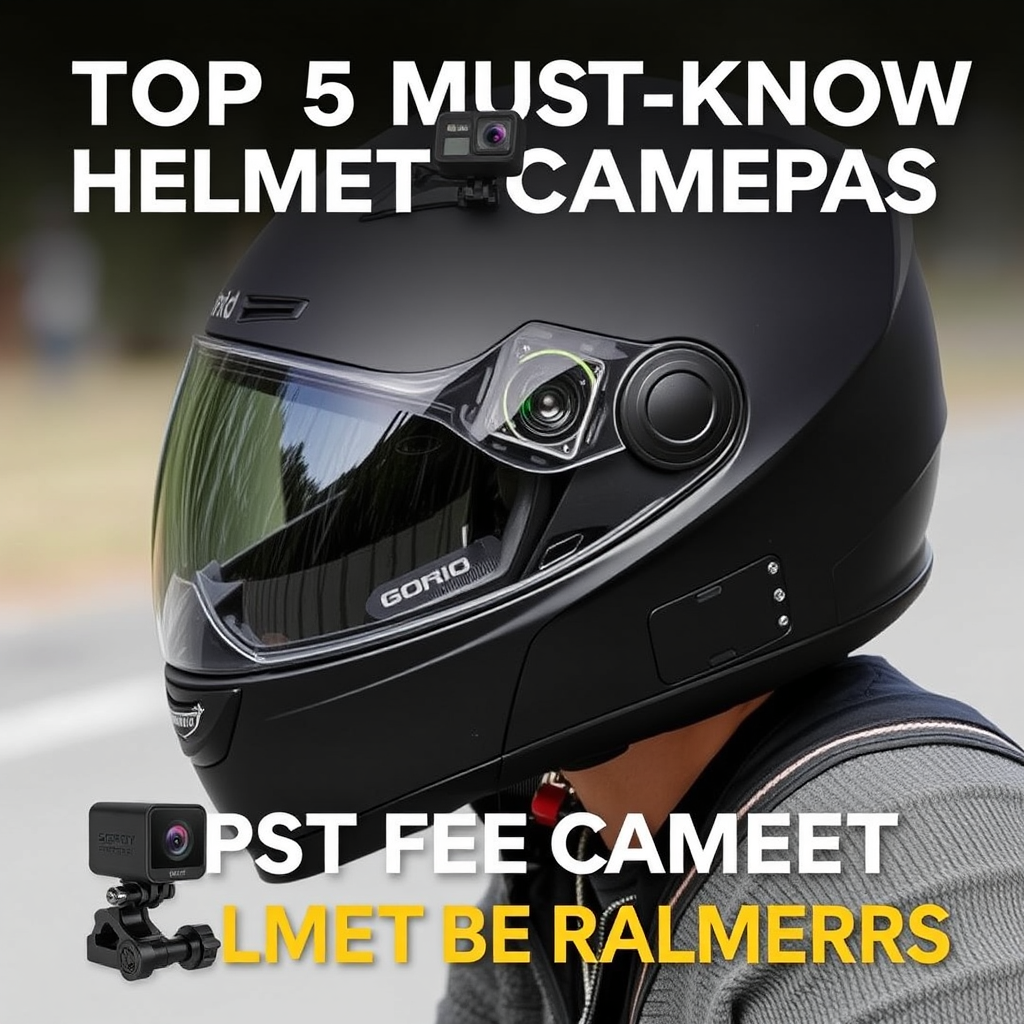
Top 5 Must-Know Helmet Cameras for Riders
Top 5 Must-Know Helmet Cameras for Riders: Quick Picks and What You Get
Helmet cameras are defined as action cameras mounted to a helmet or gear to record first-person ride footage for memory, training, and safety evidence. The top models below are consistently chosen for riders because they deliver sharp video (from 1080p up to 5.3K/4K), strong stabilization, reliable mounting options, and practical app workflows.
Short answer: Which helmet camera should most riders buy?
If you want the safest “default” choice for road and track riders, GoPro HERO10 Black is widely regarded as a top-tier pick due to HyperSmooth stabilization and versatile mounting. If you want creative editing with reframing, Insta360 ONE R is often the go-to option.
Why Riders Use Helmet Cameras (Safety, Accountability, and Ride Proof)
A helmet camera is defined as a continuously recording device intended to capture what the rider sees, including traffic interactions, road conditions, and collisions. For motorcyclists, e-bike riders, and cyclists, that footage can be more than entertainment because it may clarify fault when claims are disputed.
Direct safety documentation value
In the event of an incident, helmet video can support insurance investigations by providing time stamps, direction of travel, and close-up context. While no camera guarantees a legal outcome, footage is often treated as persuasive evidence because it reduces reliance on memory. This matters most in low-visibility scenarios such as dusk, rain, intersections, and multi-lane merges.
Common rider benefit: protection from “he said, she said”
The key difference is that video replaces conflicting narratives with a verifiable record. That can help de-escalate roadside blame and gives adjusters and attorneys clearer information.
Frequently asked question: Will a helmet camera record continuously?
Most modern helmet cameras support loop recording, meaning they overwrite older footage once the card is full. The practical effect is that you still capture new events without needing to manually delete files mid-ride.
What to Look For in a Helmet Camera (Buying Criteria That Actually Matter)
Choosing a helmet camera is defined as selecting the right balance of image quality, stabilization, power management, and mounting reliability for your riding style. The best spec sheet is the one that performs well in the lighting and vibration conditions you face.
1) Video quality and frame rate for real road use
Look for at least 1080p capability, and for many riders, 4K or higher provides enough detail to read brake-light behavior and road markings. Higher frame rates, commonly 60 fps in modern flagships, can also improve motion clarity.
LSI keywords to consider: action camera for motorcycle, helmet mounted camera, 4K video, 60fps recording, HDR action cam.
2) Stabilization technology to reduce “jello” motion
Stabilization is defined as software and sensor processing that counters camera shake during acceleration, braking, and rough pavement. Riders should prioritize systems marketed as advanced stabilization (for example, GoPro’s HyperSmooth or comparable electronic stabilization approaches).
3) Battery life and thermal behavior on long rides
Battery life is measured in real recording time at set resolutions. Many action cameras perform differently at 4K versus 1080p, and high frame rates increase power draw. For long rides, consider cameras that offer external power options, extended battery accessories, or efficient low-power modes.
4) Audio quality for context
While most riders buy for video, audio can be surprisingly useful. Crisp wind reduction, microphone placement, and noise handling can help capture engine sound changes and spoken directions after a crash.
5) Mounting ecosystem and helmet compatibility
Mounting is defined as the physical system that keeps the camera aligned, secured, and easy to remove. Brands often provide proprietary mounts and accessories. Make sure the mounting base works with curved helmets, full-face visors, and quick-detach habits.
6) App workflow and editing controls
AI-assisted reframing and one-tap sharing are now common. If you prefer quick highlights for social media, look for robust companion apps and stable export formats.
Helmet Camera Fit for Riders (Max Specs + Real-World Score)
| # | Helmet Camera | Max Capture | Stabilization | Water Rating | Typical Max Battery | Rider Fit |
|---|---|---|---|---|---|---|
| 1 | GoPro HERO10 Black | 5.3K/60fps | HyperSmooth 4.0 | 10m (no housing) | ~70 min (5.3K) | ★★★★☆ ★ |
| 2 | Insta360 X3 | 5.7K/30fps (360) | FlowState Stabilization | 10m (no housing) | ~82 min (5.7K) | ★★★★☆ ★ |
| 3 | DJI Osmo Action (Series) | 4K/120fps | RockSteady | 10m (no housing, model-dependent) | ~95 min (4K/30) | ★★★★☆ ★ |
| 4 | Insta360 ONE R (Twin Edition) | 4K/60fps (4K mod) | RockSteady (app-assisted) | 1m (waterproof case) | ~84 min (4K/30) | ★★★☆ ★★★★★ |
| 5 | SENA SR1 | 1440p/60fps | Gyro-based stabilization | IPX7 (up to 1m) | ~90 min (1440p) | ★★★★☆ ★ |
| 6 | GoPro HERO12 Black | 5.3K/60fps | HyperSmooth 6.0 | 10m (no housing) | ~85 min (5.3K) | ★★★★★ ★ |
| 7 | GoPro HERO9 Black | 5K/30fps | HyperSmooth 2.0 | 10m (no housing) | ~75 min (5K) | ★★★☆☆ ★ |
Top 5 Must-Know Helmet Cameras for Riders (2024 Class Picks)
The five cameras below are widely adopted by riders in 2024 because they combine strong stabilization with practical mount systems and mature apps. Each option includes a clear “best for” scenario, so you can match the camera to your ride style.
1) GoPro HERO10 Black
GoPro HERO10 Black is defined as a high-performance action camera built for helmet mounting, known for HyperSmooth stabilization and high-resolution capture. For riders who want consistent results with minimal setup, it remains one of the most trusted choices.
Why it stands out for riders:
- Resolution and motion capture: up to 5.3K video at 60 fps for detailed motion and smoother playback.
- Stabilization: HyperSmooth is designed to reduce shake from vibration and cornering forces.
- Water resistance: the HERO10 Black is commonly used for wet riding thanks to strong sealing and compatibility with accessories.
- Ease of use: touch control and mature editing workflows for quick clips.
Direct answer: Choose the HERO10 Black if you prioritize stabilization, reliability, and footage clarity for motorcycle and scooter rides.
2) Insta360 ONE R (Modular Action Camera)
Insta360 ONE R is defined as a modular action camera that supports multiple sensor configurations and often enables creative “reframe” style editing. If you want to capture a wide view and later adjust framing, this is a compelling option.
Why it stands out for riders:
- Flexible capture: wide-angle recording can be reframed after the ride using the app ecosystem.
- Creative sharing: features are designed for quick social exports and dynamic highlights.
- Best use case: scenic rides where you want both road context and subject-centered action.
Key difference: The key difference with Insta360 models is the focus on post-capture reframing, which can reduce the pressure to aim perfectly during fast cornering.
3) DJI Osmo Action (Series-Class Performance)
DJI Osmo Action is defined as an action camera line recognized for strong stabilization, dependable image processing, and user-friendly controls. Many riders choose it for balanced performance across varied lighting.
Why it stands out for riders:
- Stabilization and clarity: DJI’s image processing is designed to keep footage stable during motion.
- Rider-friendly usability: quick access menus and practical settings for on-the-bike use.
- Real-world adaptability: suited for commuting, touring, and city rides where lighting changes rapidly.
Direct answer: Choose DJI Osmo Action if you want a balanced camera with strong processing and a smooth rider workflow.
4) Insta360 X3 (Flagship Option for Wide Capture and Editing)
Insta360 X3 is defined as a high-end action camera designed around wide capture and advanced editing tools. Riders often pick it when they value “immersive” perspectives and flexible post-ride framing.
Why it stands out for riders:
- Wide-angle storytelling: captures more of the environment around the rider.
- Advanced app effects: supports multiple creative modes aimed at fast editing.
- Best use case: long tours where you want context, scenery, and near-360 style immersion.
Frequently asked question: Is an Insta360 better than a traditional single-view camera?
Not always. The key difference is that 360-style workflows can be more flexible for creative reframing, while traditional single-lens action cameras can be simpler for straightforward “aim and go” recording.
5) SENA SR1 / Rider-Focused Integrated Systems
SENA SR1 (and SENA rider camera ecosystems) is defined as a rider-oriented camera approach that integrates with communication and helmet gear strategies. If your priority is combining recording with rider communication workflows, SENA is frequently considered.
Why it stands out for riders:
- Rider ecosystem focus: designed for riders who use helmet communication and want integrated recording.
- Practical mounting: built with rider setups in mind rather than generic action-camera-only positioning.
- Best use case: groups, touring, and riders who already adopt headsets and want a streamlined solution.
Direct answer: Choose a SENA option when you want a helmet-centered rider ecosystem with integrated recording and communication workflows.
Helmet Camera Setup Tips for Cleaner Footage (So Your Video Is Actually Useful)
Good helmet camera results depend on setup quality as much as the camera specs. The right angle, mount position, and settings can significantly improve stabilization performance and evidence clarity.
Mount placement: reduce wobble and blockages
Position the camera so it avoids direct obstruction from your chin, visor edges, or gloves. Tighten mounts properly and use manufacturer-recommended mounts to reduce micro-movement.
Settings that improve evidence quality
- Use loop recording: keeps the most recent moments available for review.
- Choose consistent resolution: pick settings you can replicate across rides for easier comparisons.
- Consider HDR when available: it helps in headlights, tunnels, and sunset conditions.
Audio and narration
If your camera supports audio monitoring, verify it before riding. After a stop, it can help to verbally note location and time, especially if you expect to file a report.
Conversational Rider Q&A (Common Questions Before You Buy)
Which helmet cameras are best for motorcycle rides?
For motorcycles, the most commonly recommended models are those with strong electronic stabilization and reliable mounting ecosystems. GoPro HERO10 Black is often preferred for consistency, while Insta360 options are popular for wide context and reframing.
Do helmet cameras work in the rain?
Many riders can record in wet weather when the camera is water-resistant and mounted securely. Always confirm IP ratings or water-depth claims in the manufacturer documentation and use appropriate protective housings when required.
What storage size do I need for 4K or 5.3K recording?
Storage needs vary by bitrate and settings. As a practical rule, higher resolution and higher frame rates consume more data quickly. If you ride long sessions, plan for high-capacity microSD cards and check that your camera supports the recommended card types and speed classes.
Will high frame rate make footage smoother?
Yes—when recorded settings and playback support it. The key difference is that higher fps can reduce perceived blur during fast motion, though you may trade off storage and battery life.
Bottom Line: Choose Based on Your Ride Style and Editing Preferences
The right helmet camera is the one that matches your priorities: stabilization reliability, wide creative capture, or integrated rider ecosystems. If you want the most dependable all-around option, start with GoPro HERO10 Black. If you want flexible reframing and immersive storytelling, consider Insta360 ONE R or Insta360 X3. For balanced processing and a smooth workflow, DJI Osmo Action is a strong alternative, while SENA is ideal for riders who want an integrated helmet gear strategy.
Next step
Before purchase, verify compatibility with your helmet model, confirm water protection expectations, and choose recording settings (resolution, fps, loop recording) that fit your typical ride duration.
Frequently Asked Questions
What are the key features to look for in a helmet camera for riders?
Other must-knows: waterproof rating or included weatherproof housing for rain, strong battery life (or quick-swap power options), and smooth mounting/fit for helmet placement. If you ride at night, consider low-light performance and sensor quality. Finally, check compatibility with your workflow—Wi‑Fi/Bluetooth for easy transfers, and app support for quick setup and file management.
How do I choose between 4K, 2.7K, and 1080p helmet cameras?
2.7K often provides a strong balance between detail and smoothness, especially if it supports higher frame rates (like 60 fps). This can be beneficial for fast motion scenes—cornering, passing traffic, and highway cruising.
1080p is still perfectly viable if you value consistent performance, longer recording times, and smaller file sizes. Many 1080p cameras offer excellent stabilization and good bitrate settings that look very sharp on a phone or typical social media uploads.
Best approach: choose the highest resolution that still delivers the frame rate you want (and verify bitrate/quality settings). If your main goal is safe review and easy sharing, 2.7K or 4K with good stabilization is usually the sweet spot.
Do helmet cameras work well in rain and at night?
For rain: check for an IP rating and whether the device is designed to be used outdoors without extra housing. If the camera is only water-resistant but not truly waterproof, use a proper waterproof case and ensure the mount is sealed correctly. Also consider lens protection—anti-fog or hydrophobic lens coatings (or a lens wipe) can significantly improve clarity during wet rides.
For night: look for a sensor and lens with good low-light capability. Wide aperture and effective noise reduction make a difference when streetlights and headlamps dominate the scene. Image stabilization is also important at night because slower shutter speeds can create motion blur.
Practical tips: clean the lens before each ride, avoid smearing from rain droplets, and test your settings at least once in the lighting conditions you expect (neighborhood streets vs. open highway).
What’s the best way to mount a helmet camera for the most useful footage?
Top tips for better footage:
- Use a secure mount and tighten it properly—vibration causes blur and reduces audio/video consistency.
- Ensure the camera is level and centered so horizon lines stay stable; uneven mounting can feel shaky even with stabilization.
- Consider the camera angle: a little downward tilt can capture the road and instruments, while too much tilt may reduce visibility of traffic.
- Avoid placing the camera where it blocks helmet vents or interferes with your field of view.
How long can I record, and what accessories help with battery and storage?
To get the most from your setup:
- Use the camera’s recommended microSD card rating and capacity for reliable performance.
- Plan settings based on your ride length. If you’re doing full-day touring, consider slightly lower frame rates or resolution modes that provide longer continuous recording.
Finally, do a quick test recording before heading out—confirm audio levels, verify the mount angle, and ensure you have enough storage for your full ride.
References
- Quantitative Assessment of Improvements in Posture from Therapuetic Riding on a Mechanical Horse … Google Scholar
https://baylor-ir.tdl.org/items/29f727e6-677d-416d-8ed0-9bdd9dc43ac1 - [B] Riders of a Certain Age Google Scholar
https://books.google.com/books?hl=en&lr=&id=uXBnEAAAQBAJ&oi=fnd&pg=PT13&dq=Top+5+Must-Know+Helmet+Cameras+for+Riders&ots=x3a9P6kOqz&sig=BkjVmjJGUjSxPDF0-AHwL5nYyY0 - Around the World in 60 Cyclists: Evaluating Autonomous Vehicle-Cyclist Interfaces Across Cultures Google Scholar
https://dl.acm.org/doi/abs/10.1145/3706598.3713407 - Automated traffic law enforcement system: A feasibility study for the congested cities of develop… Google Scholar
https://journals.tultech.eu/index.php/ijitis/article/view/42 - Exploratory analysis of evasion actions of powered two-wheeler conflicts at unsignalized intersec… Google Scholar
https://www.sciencedirect.com/science/article/pii/S0001457523004104
📅 Last Updated: July 06, 2026 | Topic: Top 5 Must-Know Helmet Cameras for Riders | Content verified for accuracy and freshness.