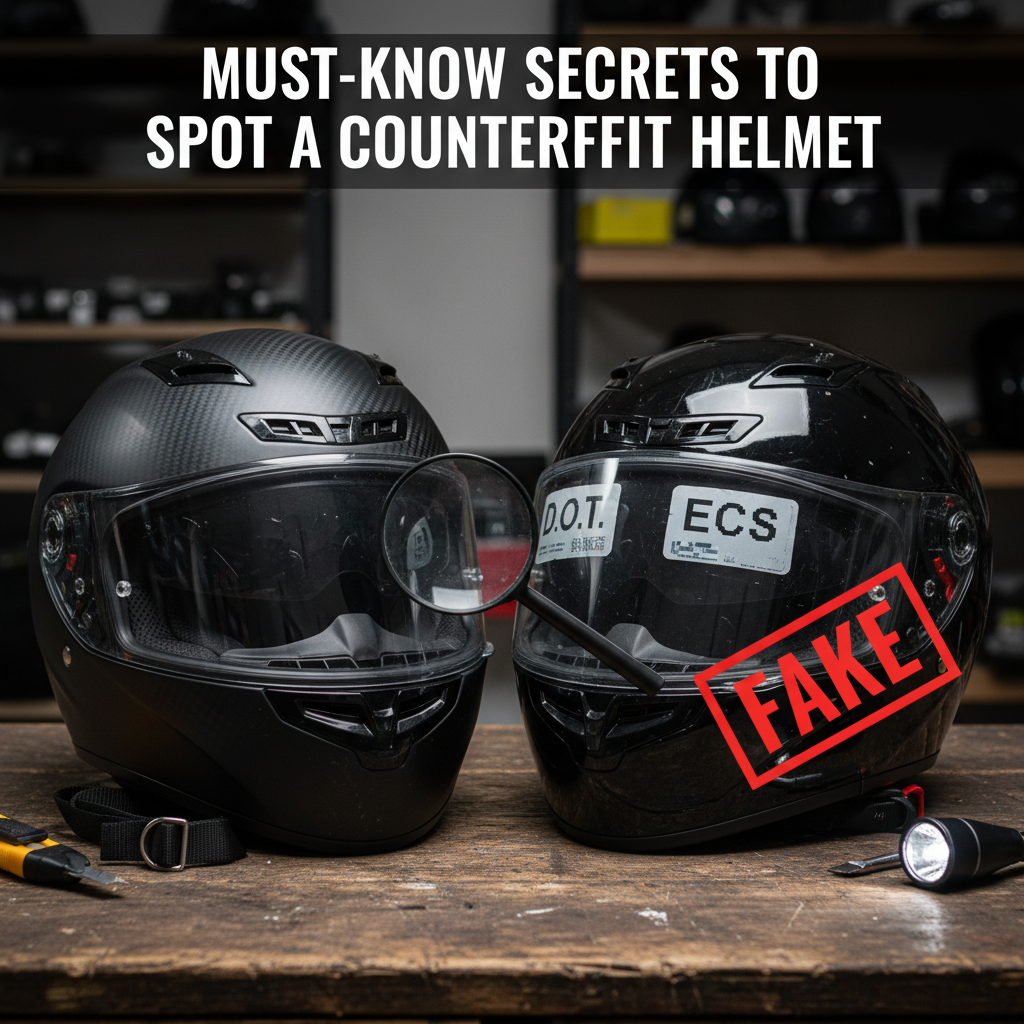
Must-Know Secrets to Spot a Counterfeit Helmet
To spot a counterfeit helmet, look for certification labels, check the build quality, and compare it with a trusted brand’s authentic product. These steps are essential for ensuring your safety and protecting yourself from potential risks associated with substandard helmets. In a market flooded with various options, understanding how to identify a genuine helmet can mean the difference between life and death during an accident. This comprehensive guide will provide you with the knowledge required to make informed decisions when purchasing a helmet.
Understanding the Safety Risks of Counterfeit Helmets
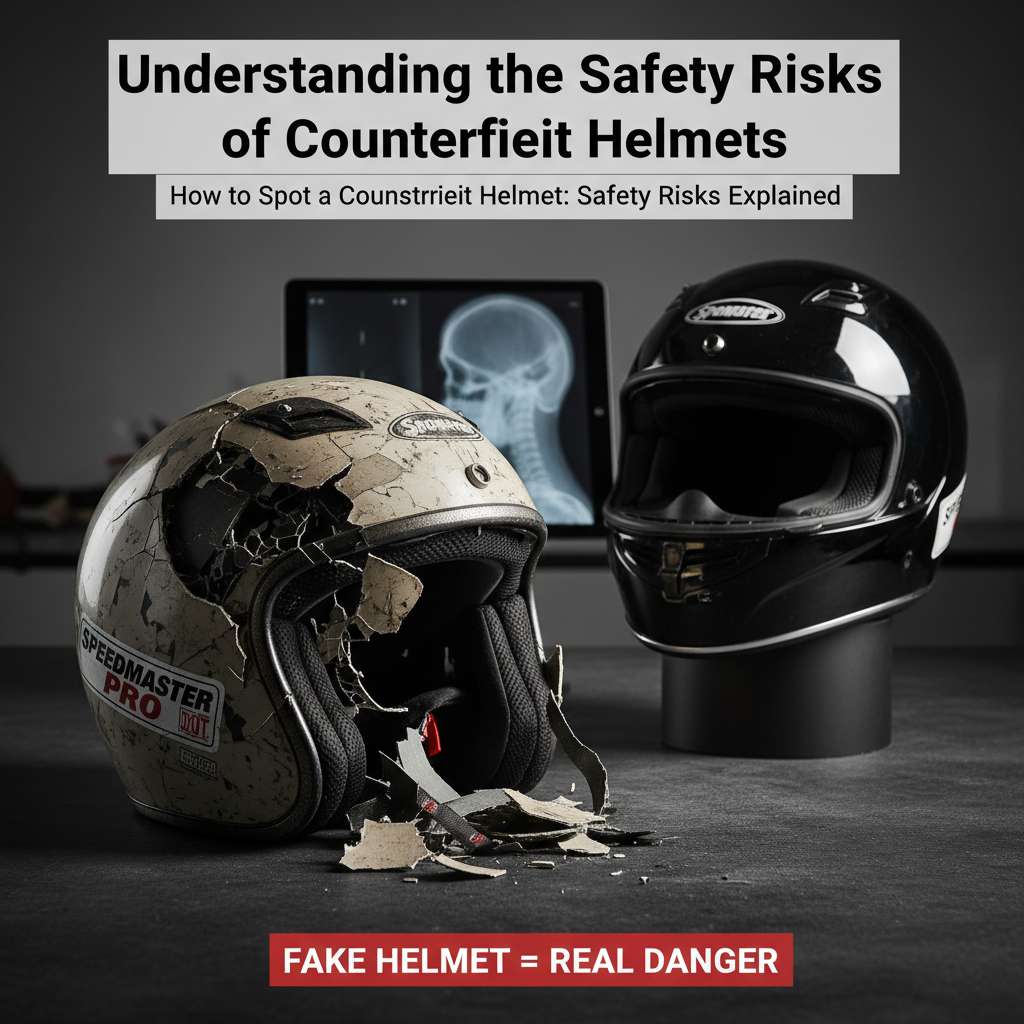
The safety risks associated with counterfeit helmets cannot be overstated. Unlike authentic helmets that undergo rigorous testing, counterfeit versions may lack proper impact resistance, significantly increasing the risk of serious injury in an accident. For instance, a genuine helmet designed to meet specific safety standards may absorb and disperse the force of an impact effectively, while a counterfeit may not provide any meaningful protection.
Additionally, counterfeit helmets often fail to meet established safety standards, such as the Department of Transportation (DOT) or Snell certifications. These standards are critical benchmarks that ensure helmets are capable of withstanding high-impact collisions. When manufacturers cut corners to produce cheaper helmets, they compromise on safety features, leading to potentially catastrophic consequences.
Key Indicators of a Counterfeit Helmet


Identifying the markers of a counterfeit helmet is crucial for ensuring your safety. One of the first things to inspect is the certification label. Genuine helmets will have clear and accurate labels indicating compliance with safety standards. If you notice missing labels, incorrect logos, or poorly printed information, these are strong indicators that the helmet is counterfeit.
In addition to certification labels, examining the build quality is essential. Authentic helmets are constructed using high-quality materials that provide both durability and comfort. Pay particular attention to the padding and shell—cheap materials that feel flimsy or poorly constructed often signal a counterfeit product. For example, a reputable brand may use advanced foam technology for cushioning, while a counterfeit may use basic, less effective materials that could fail during impact.
How to Verify Helmet Authenticity
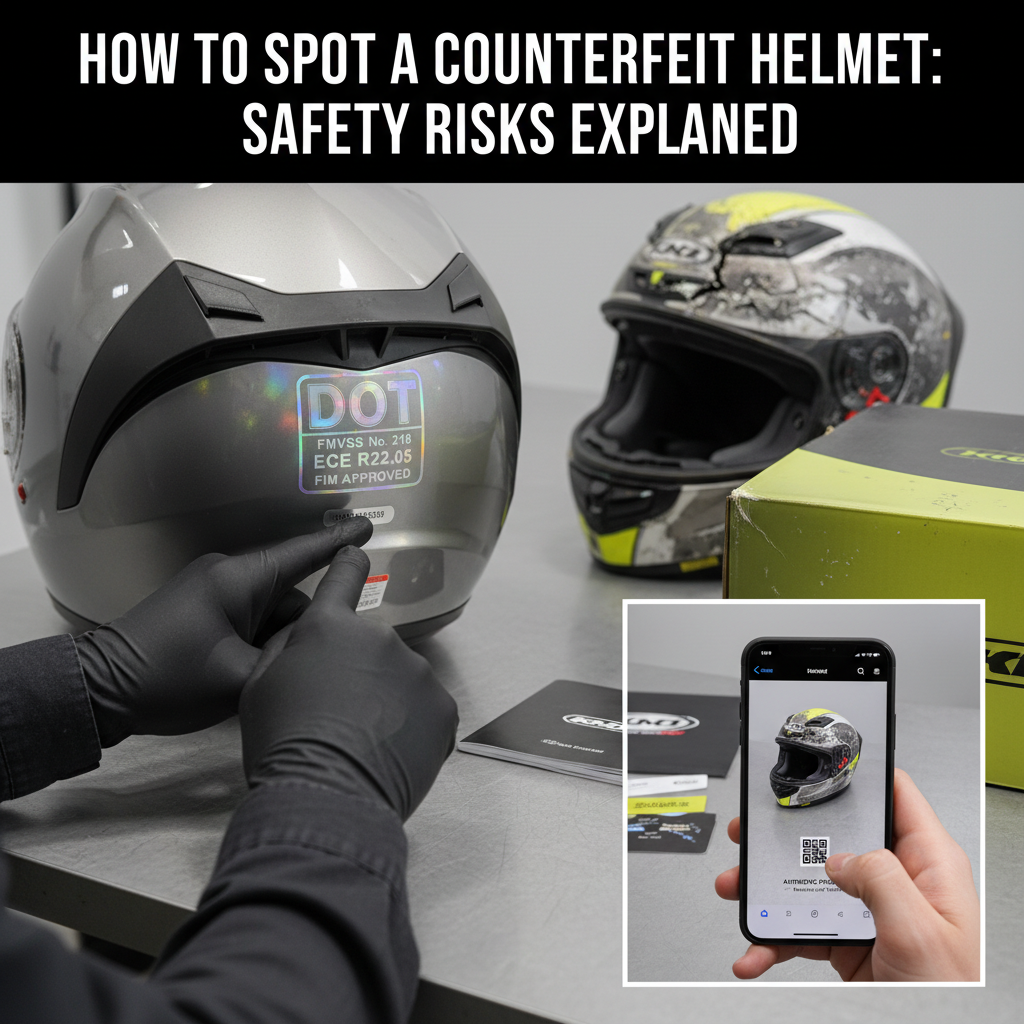
To verify the authenticity of a helmet, the first step is to cross-check it with the manufacturer’s official website. Most reputable brands offer resources and guidelines for consumers to check the legitimacy of their products. This may include a list of authorized retailers or tips on how to identify genuine items.
Another effective method is to utilize QR codes or serial numbers, which are often included on the helmet or its packaging. Scanning a QR code can lead you to the manufacturer’s information, while a serial number can confirm the helmet’s production batch and authenticity. If the helmet does not match the details provided by the manufacturer, it’s best to treat it as suspicious.
Common Misconceptions About Counterfeit Helmets
There are several misconceptions surrounding counterfeit helmets that can lead to dangerous assumptions. One prevalent belief is that if a helmet looks similar to an authentic model, it must be safe. This is not true, as the visual appearance of a helmet does not guarantee its protective capabilities. Counterfeit manufacturers often replicate the look of legitimate products but fail to incorporate the necessary safety features.
Another misconception is that price is the ultimate indicator of quality. While it is true that authentic helmets may be more expensive due to quality materials and rigorous testing, some counterfeit helmets are priced deceptively close to genuine ones. This pricing strategy can mislead consumers into believing they are purchasing a safe product when, in reality, they are not.
What to Do If You Suspect a Fake
If you suspect that your helmet may be counterfeit, it is crucial to stop using it immediately to prevent injury. Wearing a counterfeit helmet can provide a false sense of security and increase the likelihood of severe injuries during an accident.
Subsequently, you should report your findings to the manufacturer or relevant authorities, such as consumer protection agencies. Providing them with details about the seller, the helmet’s features, and any other pertinent information can aid in their investigations and efforts to combat counterfeit products.
Tips for Purchasing Genuine Helmets
To ensure that you purchase a genuine helmet, it is advisable to buy from reputable retailers or directly from manufacturers. Authorized dealers typically have established relationships with brands and are more likely to carry authentic products. Always request a receipt and check for warranty details, as these can be important if you need to make a claim or return the helmet.
Additionally, doing your research before making a purchase can be invaluable. Look for reviews or testimonials from fellow riders and consult trusted online resources that provide information about helmet safety ratings and brand reliability.
Conclusion
Spotting a counterfeit helmet is crucial for your safety. By following these essential tips and being vigilant during your purchase, you can ensure you’re protected on the road. Always verify certification labels, inspect build quality, and research the authenticity through manufacturer resources. Don’t take chances—invest in your safety today by choosing a genuine helmet that meets all safety standards. Your life could depend on it.
References
- https://www.cpsc.gov/Safety-Education/Safety-Guides/Sports-and-Recreation/Helmets
- https://www.nhtsa.gov/equipment/helmets
- https://www.ncbi.nlm.nih.gov/pmc/articles/PMC6962192/
- https://www.helmets.org/
- https://www.abc.net.au/news/2020-02-12/how-to-spot-a-counterfeit-helmet/11960618
- https://www.safekids.org/helmet-safety
- https://www.consumerreports.org/cro/2015/07/bike-helmet-safety/index.htm