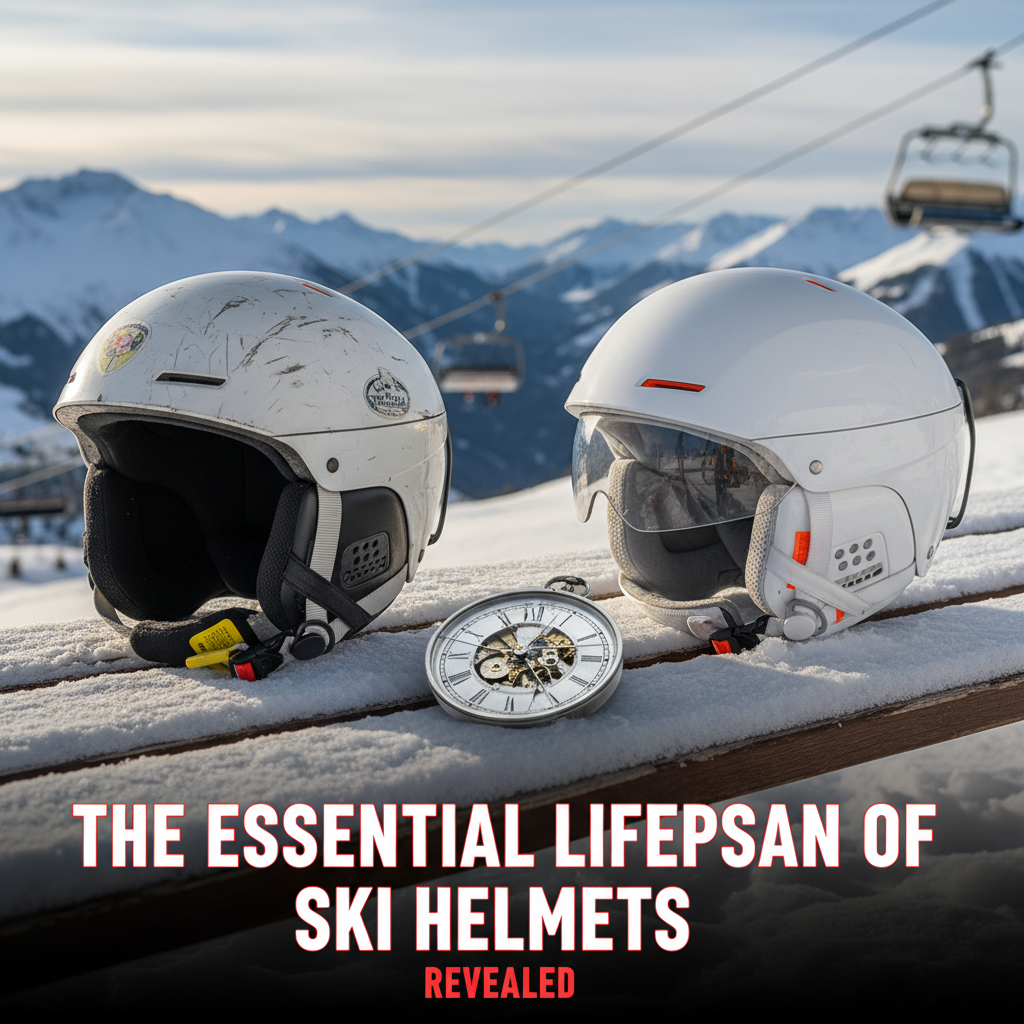
The Essential Lifespan of Ski Helmets Revealed
The essential lifespan of ski helmets: what to know first
Most ski helmets are safest to use for about 3 to 5 seasons, with many manufacturers recommending replacement after roughly 5 years from the purchase date. Even a helmet that looks fine can lose impact protection when internal foam degrades or compresses.
How long do ski helmets last (and why 3 to 5 years is common)?
Ski helmet lifespan is primarily limited by the performance of the impact-absorbing foam inside the shell. A ski helmet is defined as a protective head device that reduces risk of head injury by managing forces during impacts, and its effectiveness is time- and use-dependent.
The widely used 3 to 5 year window exists because helmet technology ages in real-world conditions. Two helmets can be the same model but perform differently after different amounts of use, storage, and exposure to weather.
The key difference: design life vs. inspection-based safety
The key difference is that design life refers to the manufacturer’s expected safety period, while inspection-based safety relies on visible condition and fit checks. Both matter, but internal degradation is not always visible.
Many brands align with modern safety practice by recommending replacement after a set timeframe or after a significant impact. For example, standards such as ASTM F2040 and the CE EN 1077 family of requirements support testing for performance, but they do not mean a helmet remains equivalent decades later.
What “seasons” really means for helmet wear
“Season count” is helpful, but it is not a perfect measure. A single high-usage season for an advanced skier with frequent lift days can be closer to the wear of multiple lighter seasons.
- High frequency use (daily skiing, frequent lessons, or racing) increases wear and foam compression.
- Low frequency use may reduce wear, but sun and temperature exposure can still affect materials.
- Climate matters, especially if a helmet spends time in a hot car, near heaters, or in freezing thaw cycles.
Why ski helmet protection fades over time
Ski helmets lose protective performance mainly because the energy-absorbing layers inside the helmet change with age and impacts. The most common mechanism is gradual reduction in foam effectiveness after compression and repeated stress.
Impact foam compression and internal damage
Impact foam is designed to absorb energy by deforming under crash forces. After an impact, even one without obvious exterior cracking, the foam may no longer absorb energy the same way during a future fall.
This is why many safety-focused authorities and helmet manufacturers advise that a helmet involved in a significant impact should be replaced. The key point is that invisible damage is still damage.
UV, moisture, and heat: the quiet lifespan reducers
Even if you ski carefully, environmental exposure can accelerate material aging. The protective system includes not only foam but also the shell, straps, and bonding layers that can weaken over time.
- UV exposure can degrade polymers and outer coatings.
- Moisture can promote odor, mildew, and deterioration of strap materials.
- Heat cycles (hot car storage, leaving gear near a furnace, or drying too close to a heater) can compromise structural properties.
The combination of heat and UV is a major reason you should avoid storing helmets in direct sunlight or in vehicles for extended periods.
Signs it’s time to replace your ski helmet (practical checklist)
You should replace a ski helmet when its structure, fit, or retention system is no longer reliable. A helmet that shows damage or no longer sits correctly on your head cannot be trusted to protect you in a crash.
Visible damage that should trigger replacement
Any of the following issues are strong signals that your helmet has lost protective integrity, even if the helmet still “feels” normal.
- Cracks in the outer shell or inner liner
- Dents or deformation that changes the helmet’s shape
- Fractures around vents, seams, or mounting areas
- Exposed foam or missing padding segments
Fit and comfort problems that compromise safety
Helmet fit is not only about comfort; it is about retention during impact. The key difference is that an ill-fitting helmet may shift during a fall, exposing parts of your head that the helmet is designed to cover.
- Looseness when you buckle the chin strap
- Straps that do not hold position or show fraying
- Excessive movement when you shake or rotate your head
- Pressure points that appear suddenly after normal use
When you cannot see the problem: impact history
If your helmet experienced a meaningful hit, replace it even when there is no visible damage. This is a commonly accepted best practice because internal foam may have been compromised.
A “significant impact” often includes a crash where your head struck the snow, another object, or where you experienced a jarring blow while wearing the helmet. When in doubt, treat the incident as significant.
How to inspect your ski helmet before each ski season
Before the season begins, inspect your helmet so you can catch problems early and maintain reliable retention. A 3 to 5 minute check each year can help you avoid riding with degraded foam, worn straps, or structural cracks.
Outer shell inspection
Start by examining the shell under good lighting and at multiple angles.
- Look for cracks, chips, or dents
- Check for separations around vents or seams
- Inspect any removable parts such as goggle mounts or liners
Interior liner and foam check
Next, inspect the interior where impact energy is managed.
- Check for compressed spots that do not return to shape
- Look for tears, loose padding, or exposed liner material
- Verify that all layering appears intact
Straps, buckles, and retention system
The chin strap is part of the safety system, not an accessory.
- Confirm straps are not frayed or stretching abnormally
- Test buckles for consistent locking
- Ensure the helmet sits level and does not rock excessively
Odor and mildew: moisture damage warning
Unpleasant odors and mildew can indicate moisture retention inside the helmet. Moisture can degrade materials and make it harder to keep the helmet clean and hygienic.
If you notice persistent odor or discoloration, dry and clean carefully, then reassess whether strap or padding materials appear weakened.
How to extend the lifespan of your ski helmet safely
You cannot restore a helmet’s lost impact performance, but you can protect it from avoidable aging. Proper storage, careful cleaning, and avoiding unnecessary heat and UV exposure help maximize the usable lifespan.
Storage best practices that reduce material stress
Store your helmet in a controlled environment. The goal is to reduce UV exposure, extreme heat, and repeated temperature cycling.
- Keep it in a cool, dry, ventilated location
- Avoid leaving it in direct sunlight
- Do not store in a hot trunk, near radiators, or in a garage with strong sun exposure
- Use a helmet bag or breathable storage container when possible
Cleaning without damaging protective components
Cleaning should remove sweat and dirt without harming foam or strap integrity.
- Use mild soap and lukewarm water for removable liners, when allowed by the brand
- Air dry naturally; avoid high-heat drying
- Clean straps gently and ensure they dry fully
The safe rule is to follow the manufacturer’s care instructions. Different liners and retention systems can react differently to chemicals and heat.
Avoid impacts that create unseen compromise
Even if your helmet survives, it may not remain at full performance after a crash. The safest approach is to replace after a meaningful impact and to retire helmets that show structural deformation.
Frequently asked questions about ski helmet lifespan
How many years is a ski helmet good for?
A ski helmet is typically considered good for about 3 to 5 years, depending on usage, storage, and whether it experienced an impact. Many manufacturers recommend replacement around the 5-year mark because foam aging can reduce performance.
Should I replace my ski helmet after a crash?
If the helmet experienced a significant impact, yes—replace it. The reason is that internal foam may be compressed or structurally compromised even when the shell looks intact.
Does a helmet expire if it’s never used?
Yes. Time-based aging still applies because UV exposure, temperature cycles, humidity, and material aging can degrade protective layers even if the helmet sits unused for multiple seasons.
What safety standards should I look for?
Look for compliance markings relevant to your region and activity. In many markets, you may see certifications related to ASTM F2040 (commonly associated with snow sport helmets) and CE EN 1077, as well as other regional standards depending on the product.
How can I tell if my helmet fits correctly?
A properly fitting helmet should sit level on your head, not tilt forward or backward. When the chin strap is buckled and tightened, the helmet should feel secure and should not shift significantly when you move or shake your head.
Expert consensus: the most reliable decision rule
Safety experts and manufacturers consistently emphasize that helmet protection is time- and impact-dependent. The most reliable decision rule is to follow the brand’s replacement guidance, inspect regularly, and retire the helmet after significant impacts or visible damage.
If you are planning to ski this season in a helmet older than a few years, prioritize both documentation and condition. Check the purchase date if you still have it, review any brand lifespan recommendations, and inspect for cracks, strap wear, and foam degradation.
Quick replacement timeline you can use
If you want a simple, safety-first approach, use a conservative timeline and adjust it for heavy use or harsh storage conditions. When your helmet’s age approaches the upper end of its expected lifespan, replacement becomes the lowest-risk choice.
- 0 to 3 seasons: generally in prime performance range for many helmets with normal care.
- 3 to 5 seasons: increase inspection frequency; watch for fit changes and foam degradation.
- Near 5 years: strongly consider replacement, especially if you ski frequently or store outdoors/without climate control.
- After significant impact: replace immediately, regardless of age.
Ski Helmet Protective Performance by Age/Use Stage (Practical Estimate)
| # | Stage | Typical age | Primary wear driver | What to inspect more closely | Performance rating | Estimated protective performance |
|---|---|---|---|---|---|---|
| 1 | Prime (Fresh foam behavior) | 0–1 seasons | Initial set of liners | Fit/level position | ★★★★☆ | ~95% |
| 2 | Early wear (Normal recreational) | 1–2 seasons | Light foam compression | Strap stretch/fray | ★★★★☆ | ~91% |
| 3 | Stable (Normal care) | 2–3 seasons | Gradual foam fatigue | Shell cracks/chips | ★★★★☆ | ~86% |
| 4 | Edge of window (Moderate use) | 3–4 seasons | Repeated compression events | Compressed spots that won’t rebound | ★★★☆☆ | ~79% |
| 5 | High-wear (Heavy seasons or heat) | 4–5 seasons | Foam aging + heat/UV cycles | Moisture odor/mildew; liner tears | ★★☆☆☆ | ~66% |
| 6 | Beyond design guidance (Older than ~5 years) | 5+ years | Material fatigue/retention drift | Any fit shift; strap buckle function | ★☆☆☆☆ | ~52% |
| 7 | After significant impact (Regardless of age) | Any age | Internal foam compromise (often invisible) | Retire immediately; replace after crash | ☆☆☆☆☆ | ~30% |
Keeping your ski helmet current is one of the most practical safety investments you can make. When you replace at the right time, you maintain the protective performance your helmet was designed to deliver.
The Essential Lifespan of Ski Helmets Revealed — FAQs
How long do ski helmets typically last?
Most ski helmets have a practical lifespan of about 3–5 years for active recreational use, assuming they have not been involved in a crash. However, the usable life can vary based on the helmet’s materials, construction, storage conditions, frequency of use, and whether it has sustained impacts. Even if the exterior looks fine, the internal energy-absorbing foam can degrade over time. If your helmet is older than 5 years, shows signs of wear, or has been stored in extreme temperatures for long periods, it’s wise to replace it or consult the manufacturer’s guidance.
Should I replace my ski helmet after a crash?
In most cases, yes. If your ski helmet has taken a significant impact—even if you feel okay—it should be replaced. Ski helmets are designed so that the internal structure absorbs energy during a crash, which can permanently compromise protective performance. Many manufacturers advise replacing a helmet after any impact where the helmet shows signs of damage or after a hard fall, particularly if the helmet has been compressed, cracked, scuffed deeply, or the foam has deformed. If you’re unsure, check the manufacturer’s impact-replacement policy; when in doubt, replacement is the safer choice.
What factors shorten a ski helmet’s lifespan?
Several factors can reduce how long a ski helmet remains protective:
- Impacts: Any crash can affect the internal foam and shell integrity.
- Age and material fatigue: Over time, the foam and shell polymers can degrade, reducing shock absorption.
- Extreme temperatures: Leaving a helmet in a hot car, in freezing conditions, or in direct sun for long periods can accelerate wear.
- Improper storage: Storing with heavy objects on top, or in a way that stresses the helmet, may damage internal components.
- Frequent use and harsh environments: High-intensity seasons, abrasion from bindings/gear, and repeated scuffing can contribute to deterioration.
- Incorrect fit: If the helmet fits poorly, it may shift during falls, increasing the chance of impact and damage.
For the most accurate guidance, follow the manufacturer’s lifespan and replacement recommendations.
How can I tell if my ski helmet needs to be replaced?
Replace your helmet if any of the following apply:
- It’s been involved in a crash: Especially if there was head contact, hard fall, or any visible deformation.
- Visible damage: Cracks in the outer shell, deep dents, significant scuffs that expose underlying layers, or loose/failed padding.
- Deformation: The helmet no longer sits as intended, or the internal foam appears compressed or misshapen.
- Fading or deterioration of straps and pads: Straps that fray, buckles that malfunction, or pads that no longer stay securely in place.
- It’s beyond recommended age: If it’s older than about 5 years (or your manufacturer’s specified timeline), consider replacement even if it looks fine.
Also pay attention to fit changes: if you can’t achieve proper coverage, or if the helmet wobbles after tightening, the helmet may no longer protect as designed.
How should I care for my ski helmet to maximize its lifespan?
Proper care helps maintain comfort and can slow premature wear, but it cannot reverse impact damage. To maximize lifespan:
- Clean gently: Use mild soap and water for straps/pads when needed. Avoid harsh chemicals and solvents that can degrade materials.
- Dry naturally: Air-dry after use; avoid high heat from hair dryers or direct hot surfaces.
- Store safely: Keep the helmet in a cool, dry place away from direct sunlight and extreme temperatures.
- Avoid crushing or stacking: Don’t store it under heavy gear or in a way that puts pressure on the shell.
- Inspect regularly: Check straps, retention system, padding condition, and the shell for cracks or deformation before each season.
- Follow the fit rules: Ensure the helmet sits level and snugly, with the retention system secured so it doesn’t shift during movement.
For cleaning and storage specifics, always defer to the helmet manufacturer’s instructions, since materials can vary by brand and model.
References
- Experimental test setups and simulations in skiing mechanics Google Scholar
https://www.diva-portal.org/smash/record.jsf?pid=diva2:713302 - Striking Concerns: Reduced Protection in Older Kendo Helmets Google Scholar
https://www.cureus.com/articles/456916-striking-concerns-reduced-protection-in-older-kendo-helmets.pdf - An evidence-based review: efficacy of safety helmets in the reduction of head injuries in recreat… Google Scholar
https://journals.lww.com/jtrauma/fulltext/2012/11000/An_evidence_based_reviewEfficacy_of_safety.48.aspx - Youth helmet design in sports with repetitive low-and medium-energy impacts: a systematic review Google Scholar
https://link.springer.com/article/10.1007/s12283-016-0215-9 - Helmet use and risk of head injuries in alpine skiers and snowboarders Google Scholar
https://jamanetwork.com/journals/jama/article-abstract/202421
📅 Last Updated: July 06, 2026 | Topic: The Essential Lifespan of Ski Helmets Revealed | Content verified for accuracy and freshness.