How to Prevent Helmet Visor Fogging
How to Prevent Helmet Visor Fogging: The Fast, Reliable Strategy
Helmet visor fogging is mostly caused by warm, humid air inside the helmet meeting a cooler visor surface. The most reliable prevention approach is to control moisture (respiration and sweat) and promote airflow (so the visor surface stays near ambient temperature).
Understanding Why Helmet Visors Fog Up
Fog forms when water vapor condenses into tiny droplets on the inside of the visor, creating a cloudy film that reduces visibility. The key difference is that condensation happens at the visor surface, not in the air away from it.
The physics in plain terms
When you ride, your breath and sweat add water vapor to the microclimate inside the helmet. If the outside temperature is lower than the temperature of your visor and helmet liner, the visor can drop below the dew point. The result is condensation on the visor’s inner face.
This process is strongly influenced by humidity and airflow. Even a small decrease in temperature can trigger visible fogging, especially in cold mornings, rain, or high-altitude conditions.
Common real-world triggers
- Cold weather starts: Condensation is more likely during winter commutes and early morning rides.
- High humidity: Coastal areas and misty conditions increase the risk because the air already contains more moisture.
- Heavy breathing and exertion: Sustained uphill riding, hard acceleration, or riding with a tight chin area increases moisture buildup.
- Wet liners: A damp helmet liner can release moisture back into the helmet interior.
Definition: dew point and condensation
Dew point is defined as the temperature at which air becomes saturated and water vapor begins to condense into liquid droplets. Condensation is defined as the phase change from vapor to liquid on a cooler surface, such as the inside of a helmet visor.
Choose a Visor and Helmet Setup That Minimizes Fog
The right visor and helmet design can reduce fogging by improving airflow, managing heat, and resisting moisture films. The key is to select components that work with your riding style and typical weather.
Visor material matters (polycarbonate vs. other plastics)
Many motorcycle and scooter helmets use polycarbonate visors because polycarbonate is impact-resistant and relatively durable for daily use. Acrylic and other lightweight plastics may be cheaper, but they can be more prone to scratching and may not tolerate repeated cleaning and anti-fog treatments as well. A visor with better surface stability is easier to keep clear.
The key difference is that scratch-prone surfaces can create haze and micro-roughness, which makes condensation harder to clear and can reduce visual clarity even when fog is partially prevented.
Make sure the visor fits and seals correctly
A visor that does not sit squarely can allow stagnant air pockets to form. Those pockets trap warm, humid air against the visor surface, increasing condensation risk. Before you rely on anti-fog products, check that the visor is properly latched and that the seal isn’t warped or loose.
Look for fog-resistant or treated visors
Some visors are manufactured with anti-fog coatings or hydrophilic/hydrophobic surface engineering. While performance varies by brand and model, coatings can reduce droplet formation and speed up clearing. If you frequently ride in wet or cold conditions, upgrading to a visor designed for anti-fog performance can be a high-impact improvement.
Expert tip: keep the visor surface clean first
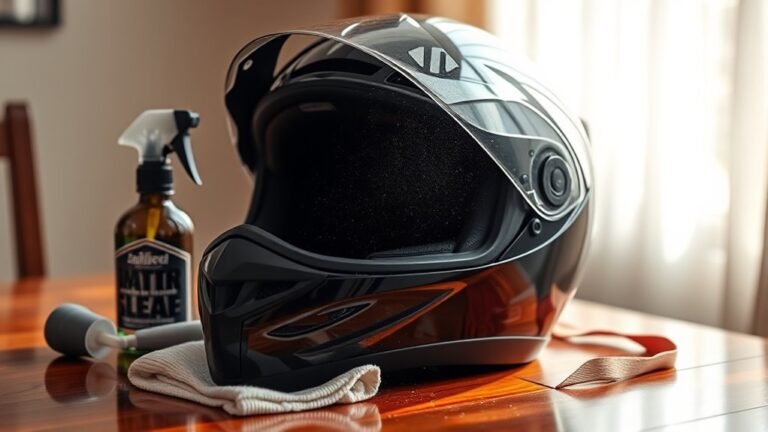
Anti-fog films work best on clean surfaces. If your visor has residue from sunscreen, bug remover, or household cleaners, the anti-fog layer may not bond effectively. For best results, clean the visor with a microfiber cloth and a cleaner recommended for helmet visors.
Use Anti-Fog Treatments the Right Way (Sprays, Wipes, and Films)
Anti-fog products help by changing how water behaves on the visor surface, preventing droplets from forming into a persistent cloudy layer. The most effective results come from applying treatments consistently and correctly.
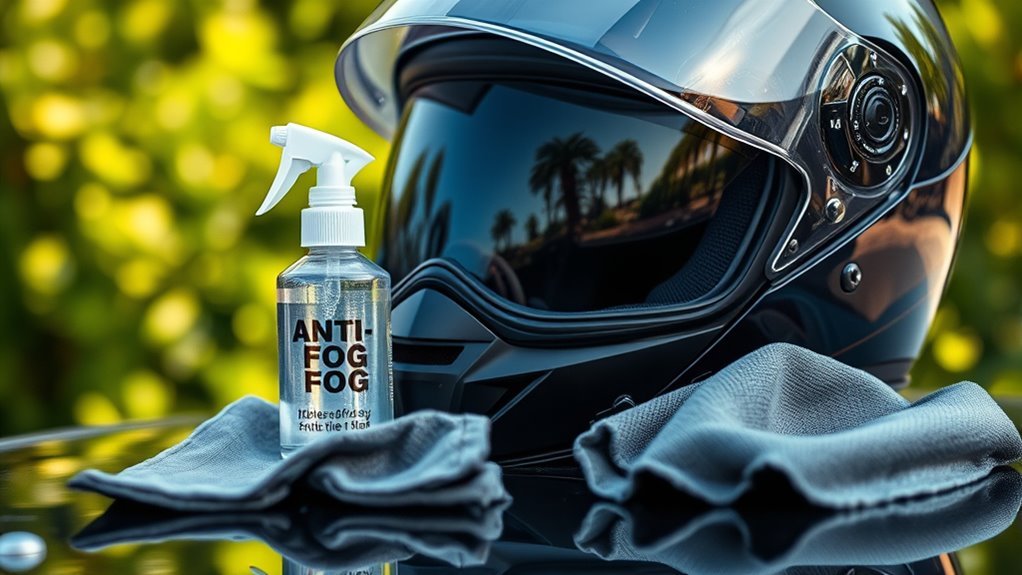
Anti-fog sprays: a strong option for regular riders
Anti-fog sprays typically leave a thin film that reduces moisture adhesion and spreads water into a clearer coating. For best performance, apply the product in a controlled environment: ensure the visor is cool, clean, and dry before application.
Anti-fog spray is defined as a product that forms a protective layer to reduce condensation visibility and improve clarity under temperature swings.
Anti-fog wipes: convenient for trips and commute days
Defogging wipes are popular because they are portable and often provide fast clearing on demand. Some wipes are designed to remove existing fog residue, while others leave a lasting coating. Check the label for whether the wipe is a “clean and apply” treatment or a short-term defogger.
The key difference is between instant defogging and long-term anti-fog prevention: instant products clear fog quickly, while lasting coatings aim to prevent it from returning during the ride.
How often should you apply anti-fog?
Application frequency depends on the product and your conditions, but a practical approach is:
- Apply before rides in cold or humid weather.
- Reapply after heavy rain exposure or frequent wiping.
- Follow manufacturer guidance for maximum performance and safe use.
When in doubt, treat your visor like a windshield: consistent maintenance beats emergency fixes.
Trusted application best practices
- Use microfiber only: Avoid paper towels or abrasive cloths that can haze the visor surface.
- Let it cure: Many anti-fog coatings require a short drying time before the first ride.
- Do not over-apply: Excess product can create streaking that looks like fog.
Ventilation Techniques That Actually Prevent Condensation
Good ventilation reduces fogging by replacing moist air with drier air and preventing a cooler visor microclimate. The direct goal is to keep airflow consistent across the inside of the visor.
Airflow Moves That Reduce Helmet Visor Fog (Field-Style Scenarios, Typical Effect)
| # | Vent/airflow change | Best used when | Typical fog reduction | Extra effort | Result rating |
|---|---|---|---|---|---|
| 1 | Open front intake vents | Cold mornings / first 10 minutes | 40–55% | ~10 sec | ★★★★★ |
| 2 | Keep rear exhaust vents open | Longer rides / steady cruising | 35–50% | ~10 sec | ★★★★☆ |
| 3 | Unblock chin/breath channels | Riding with scarf/balaclava | 30–45% | ~30 sec | ★★★★☆ |
| 4 | Use a breath deflector (helmet-compatible) | High-exertion / frequent fogging | 25–40% | ~1–3 min | ★★★☆☆ |
| 5 | Avoid face covering that rides high | Mild cold / windy commutes | 15–30% | ~30 sec | ★★★☆☆ |
| 6 | Pre-warm helmet slightly before riding | Gloves-off minutes in sub-50°F | 15–25% | ~2–5 min | ★★★☆☆ |
| 7 | Dry liner between rides (less humidity inside) | After rain / back-to-back trips | 20–35% | ~2–4 hrs | ★★★★☆ |
Know where airflow matters most
Fogging happens at the visor surface, so ventilation should encourage air movement across that region. For many helmet designs, this means opening the intake vents and ensuring exhaust vents can draw warm air out.
Adjust vents for the conditions you’re riding in
Use a two-step approach:
- Step 1: Intake: Open front vents when available, especially in cold, damp mornings.
- Step 2: Exhaust: Keep rear vents or exhaust channels open so humid air can escape.
If your helmet has a chin vent or lower airflow channel, keep it unobstructed. Large amounts of breath can otherwise be redirected straight upward into the visor area.
Definition: pressure-driven airflow inside helmets
Pressure-driven airflow is defined as air movement caused by pressure differences created by forward motion and vent design. When a helmet’s vent system is balanced, it helps keep the visor surface warmer and less likely to reach the dew point.
A quick “on-the-bike” adjustment checklist
- Turn intakes slightly more open if fog appears within 5 to 10 minutes.
- Open exhaust vents to reduce heat and humidity buildup.
- Reposition the helmet so the chin and breath area aren’t blocking vents.
Adapting to Weather: Cold, Rain, and High-Humidity Rides
Weather changes the visor fogging risk by altering temperature difference and indoor humidity. Adapting your setup for rain, mist, and cold snaps can significantly improve clarity.
Cold mornings and winter commutes
In winter, the outside air can drop far below the visor’s inner surface temperature. If you notice fog within minutes, start with anti-fog treatment before you leave and use maximum available ventilation at the start of the ride.
Consider also using a helmet liner that dries quickly between rides. A soaked liner can keep releasing moisture for hours.
Rain and mist: manage both wetness and humidity
Rain introduces additional moisture into the environment, which raises the dew point. If your helmet gets wet, dry it properly when you can. Wiping the inside visor while it’s still wet can spread droplets unless you use a visor-appropriate cleaning cloth.
Important: Do not use harsh household glass cleaners on helmet visors. Many contain chemicals that can damage coatings or leave residues that worsen fogging.
High humidity and coastal conditions
In regions with consistently high humidity, fogging can occur even when temperatures feel mild. In those conditions, long-term anti-fog coatings and consistent ventilation matter more than one-time treatments.
Cleaning and Maintenance Tips That Prevent Fogging Long Term
Preventing helmet visor fogging isn’t only about products and vents; it also depends on proper cleaning and maintenance. Residue and damaged coatings can reduce anti-fog effectiveness over time.
Keep the liner dry and breathable
Your helmet liner collects sweat and moisture. If it remains damp, it increases the humidity inside the helmet. Allow liners to dry fully after rides, ideally in a ventilated area away from direct high heat that can degrade materials.
Use correct cleaning materials
- Microfiber cloths: Prefer high-quality microfiber designed for eyewear or helmet visors.
- Visor-safe cleaners: Use products intended for polycarbonate and coated visor surfaces.
- Avoid abrasives: Scratches and micro-scratches can trap moisture films.
Replace damaged or heavily scratched visors
A visor that’s scratched, crazed, or significantly hazed may never deliver crisp clarity. Even with anti-fog treatments, scratches can make condensation look worse. Replacing the visor is often the most cost-effective long-term solution when optical quality declines.
Q&A: Common Helmet Visor Fogging Questions
Why does my visor fog up even with the helmet vents open?
Fogging despite open vents usually means the humid microclimate is still reaching the dew point at the visor surface. Common causes include an overly wet liner, ineffective or missing anti-fog treatment, a poorly seated visor seal, or blocked chin airflow. Try a full clean, apply an anti-fog product, and confirm that both intake and exhaust vents are open.
What anti-fog product works best: spray or wipes?
Both can work well. Sprays are typically better for long-lasting anti-fog films when applied correctly, while wipes can be excellent for quick convenience or to re-treat before a ride. The best choice depends on whether you need sustained prevention or fast clearing.
Can I use toothpaste, dish soap, or household glass cleaners?
It’s not recommended. Many household cleaners can leave residues, damage coatings, or increase haze. Choose visor-safe cleaners and follow the treatment manufacturer’s instructions for compatibility with visor materials and anti-fog coatings.
Should I wear a balaclava or face covering to reduce fogging?
A well-fitting, breathable face covering can reduce direct moisture from breath reaching the visor area. However, poorly ventilated coverings can trap moisture and worsen fogging. The goal is to manage breath direction and moisture without restricting airflow.
Best Practice Summary: A Clear-Visibility Checklist
If you want fewer foggy moments, combine moisture control, anti-fog treatment, and correct ventilation. The most dependable approach is to be proactive rather than reactive.
- Before the ride: Clean the visor, apply an anti-fog spray or wipes, and let it set.
- During the ride: Use both intake and exhaust vents to keep airflow moving inside the helmet.
- In wet or cold weather: Keep liners dry, avoid residue cleaners, and reapply anti-fog as needed.
- Over time: Replace scratched or damaged visors to maintain optical clarity.
Frequently Asked Questions: How to Prevent Helmet Visor Fogging
Why does my helmet visor fog up in the first place?
The problem is intensified when the visor is cold (e.g., starting a ride in winter), when the ventilation system is blocked by the helmet design or accessories (like thick masks), or when the visor surface is dirty or coated unevenly—both of which can reduce anti-fog performance.
What’s the best anti-fog solution for a helmet visor?
1) Anti-fog sprays or wipes
Use products specifically designed for helmet visors or eyewear. Follow the directions closely—some require wiping on a thin film and letting it cure. Avoid household glass cleaners or detergents that can leave residue and worsen fogging.
2) Anti-fog coatings (longer-lasting)
Some visors already come with an anti-fog coating. Others can be treated with approved aftermarket coatings. These tend to last longer than sprays, but must be reapplied when performance fades.
3) Anti-fog inserts or breathing management products
Devices like anti-fog vents, breath deflectors, or properly fitted internal masks can reduce the moisture reaching the visor. This is often a strong choice when you sweat heavily or ride in consistently cold conditions.
Regardless of the product, test it on a small area if you’re unsure about compatibility. Also, avoid abrasive cleaning pads—scratches can make fogging worse by scattering condensation.
How can I clean my visor to prevent fogging?
1) Rinse first (if needed)
If there’s road grime or bugs, rinse with lukewarm water to remove loose debris.
2) Wash gently
Use a visor-safe cleaner or mild soap recommended for polycarbonate/helmet shields. Avoid ammonia-based cleaners and harsh solvents unless the manufacturer explicitly approves them.
3) Use a microfiber cloth
Dry with a clean, soft microfiber. Don’t use paper towels or rough cloths—they can create micro-scratches that encourage condensation.
4) Reapply anti-fog only after cleaning
If you’ve washed off an existing anti-fog layer, you may need to re-treat. Apply according to instructions and allow the visor to dry/“cure” if required.
Tip: If fogging persists right after treatment, your visor may have scratches or old chemical residue that a gentle, visor-safe cleaner can remove—when in doubt, follow the helmet and visor manufacturer’s guidance.
What helmet and vent settings help reduce fogging?
1) Open intake vents (when safe)
If your helmet has adjustable intake vents, open them during the ride to help expel moist air and equalize temperature.
2) Use exhaust vents
Proper exhaust helps move air outward. If your helmet has both intake and exhaust, ensure at least one is unobstructed.
3) Check for blocked vents
Thick scarves, balaclavas, or poorly fitted liners can cover intake areas. Make sure your face covering sits in a way that doesn’t block airflow.
4) Manage your seal
A well-fitting helmet liner reduces airflow leakage around your cheeks, but too-tight or poorly positioned liners can force exhaled air toward the visor. Adjust your fit so breath escapes through vents rather than directly rising into the shield.
5) Consider an anti-fog breath deflector
Some helmets use breath guards. If yours doesn’t, a visor-friendly breath deflector can help redirect moisture away from the visor area.
Are there any riding habits or techniques that prevent visor fogging?
1) Let the helmet warm up slightly
If possible, allow the helmet to reach closer-to-ambient temperature before riding. Sudden temperature differences between warm breath and a cold visor are a major fog cause.
2) Reduce direct airflow from your breath
Keep your head/visor position steady and avoid resting your face against the chin vent area in a way that channels warm breath upward into the visor.
3) Use a properly fitting face covering
A balaclava or mask that’s too high can trap moisture and aim it at the inside of the visor. A well-designed, breathable covering helps manage moisture without blocking vents.
4) Wipe only when necessary
If fog forms intermittently, a quick, gentle wipe with a microfiber cloth can clear it. Avoid repeatedly wiping with tissues or contaminated cloths, which can leave residue and degrade coatings.
5) Reapply anti-fog as conditions demand
Heavy rain, long rides, and frequent visor contact (wiping or swapping shields) can reduce anti-fog effectiveness. Carry a spare anti-fog wipe/spray for re-treatment.
Safety note: If visibility becomes significantly impaired, stop safely and address the fog before continuing. Clear vision is essential for safe riding.
References
- PubMed Central (Free Full-Text Biomedical Articles Repository) Google Scholar
https://www.ncbi.nlm.nih.gov/pmc/ - PubMed Central Search: Helmet Visor Fogging Google Scholar
https://www.ncbi.nlm.nih.gov/pmc/?term=helmet+visor+fogging - Google Scholar Search: Helmet Visor Fogging Google Scholar
https://scholar.google.com/scholar?q=helmet+visor+fogging - Google Scholar Search: Anti-Fog Coatings for Goggles and Visors Google Scholar
https://scholar.google.com/scholar?q=anti-fog+coatings+goggles+visors - NCBI Bookshelf and Search (Biomedical Literature and Resources) Google Scholar
https://www.ncbi.nlm.nih.gov/ - CDC Guidance on Preventing Respiratory Infections (General Prevention Principles)
https://www.cdc.gov/coronavirus/2019-ncov/prevent-getting-sick/prevention.html - WHO: Respiratory Infections (Health Topic Overview)
https://www.who.int/health-topics/respiratory-infections - Wikipedia: Fog (Condensation and Droplet Formation Overview)
https://en.wikipedia.org/wiki/Fog
📅 Last Updated: July 07, 2026 | Topic: How to Prevent Helmet Visor Fogging | Content verified for accuracy and freshness.