The Ultimate Secret to Cleaning Your Helmet Liner
The Ultimate Secret to Cleaning Your Helmet Liner
The real secret to a truly clean helmet liner is using a gentle, liner-safe wash system plus controlled drying—so you remove sweat buildup without breaking down the fabric or foam. If you consistently clean and dry your liner the right way, you reduce odor-causing microbes, improve comfort, and help the liner maintain its protective performance over time.
Why Helmet Liner Cleaning Matters More Than Most Riders Think
Helmet liners collect sweat, skin oils, and environmental contaminants that are invisible to the eye but not to bacteria and fungi. Cleaning isn’t just about smell—it’s about hygiene, comfort, and gear longevity.
- Odor control: Sweat contains salts and organic compounds that feed odor-causing bacteria. When moisture remains in the liner, odors intensify.
- Skin comfort: A clean liner reduces residue that can irritate sensitive skin during long rides.
- Material preservation: Dirt and oils can weaken fibers and reduce the liner’s ability to manage moisture and airflow.
The key difference: “washing” vs. “liner-safe deep cleaning”
Washing is what most riders do once in a while; liner-safe deep cleaning is defined as a repeatable process that removes oils and contaminants while protecting the liner’s structure. The key difference is that deep cleaning targets both grime and lingering moisture that can promote bacterial growth.
What experts generally agree on
Across helmet-care best practices used by riders and gear manufacturers, the consensus is to avoid harsh chemicals, avoid soaking the foam core, and dry thoroughly with airflow. Many maintenance guides also recommend following manufacturer instructions because helmet liners vary by model and material (polyester, Coolmax-like blends, memory foam liners, and removable sweat pads).
How Often Should You Clean Your Helmet Liner?
A practical rule is to clean your helmet liner based on sweat frequency, not just calendar time. For frequent riders, a quick cleaning routine and periodic full wash is usually enough to keep odor under control.
- Light use (low sweat): Every 4 to 6 weeks.
- Regular riding (moderate sweat): Every 2 to 4 weeks.
- Heavy sweating or hot climates: Every 1 to 2 weeks, plus faster spot-cleaning as needed.
- After illness or unusual exposure: Clean promptly to reduce lingering hygiene risks.
Do you ride in humid conditions or wear a balaclava? Both factors can change how quickly sweat accumulates and how often you should clean. If your liner feels damp after opening the helmet, that’s a strong signal it needs cleaning and improved drying.
What You Need: Tools for a Safe, Effective Clean
To clean a helmet liner effectively, you only need a few items—but each one needs to be liner-safe and low-abrasion. Using the wrong products is the most common reason liners end up stiff, faded, or prematurely degraded.
Essential tools and products
- Mild detergent or specialized helmet cleaner: Look for gentle, fragrance-light formulas intended for fabrics. Avoid bleach and harsh degreasers.
- Soft sponge or soft-bristle brush: Use non-abrasive tools to lift grime without damaging the knit or fabric finish.
- Microfiber cloths: Microfiber is defined as a synthetic fabric with fine fibers that trap moisture and particles with minimal lint.
- Cool to warm water (not hot): Warm water helps dissolve oils without warping foam.
- Clean basin or sink: Use a dedicated container so contaminants from other cleaning tasks don’t transfer.
Optional but helpful items
- Second set of liner pads: If your helmet allows swapping, you can clean one while you ride with the other.
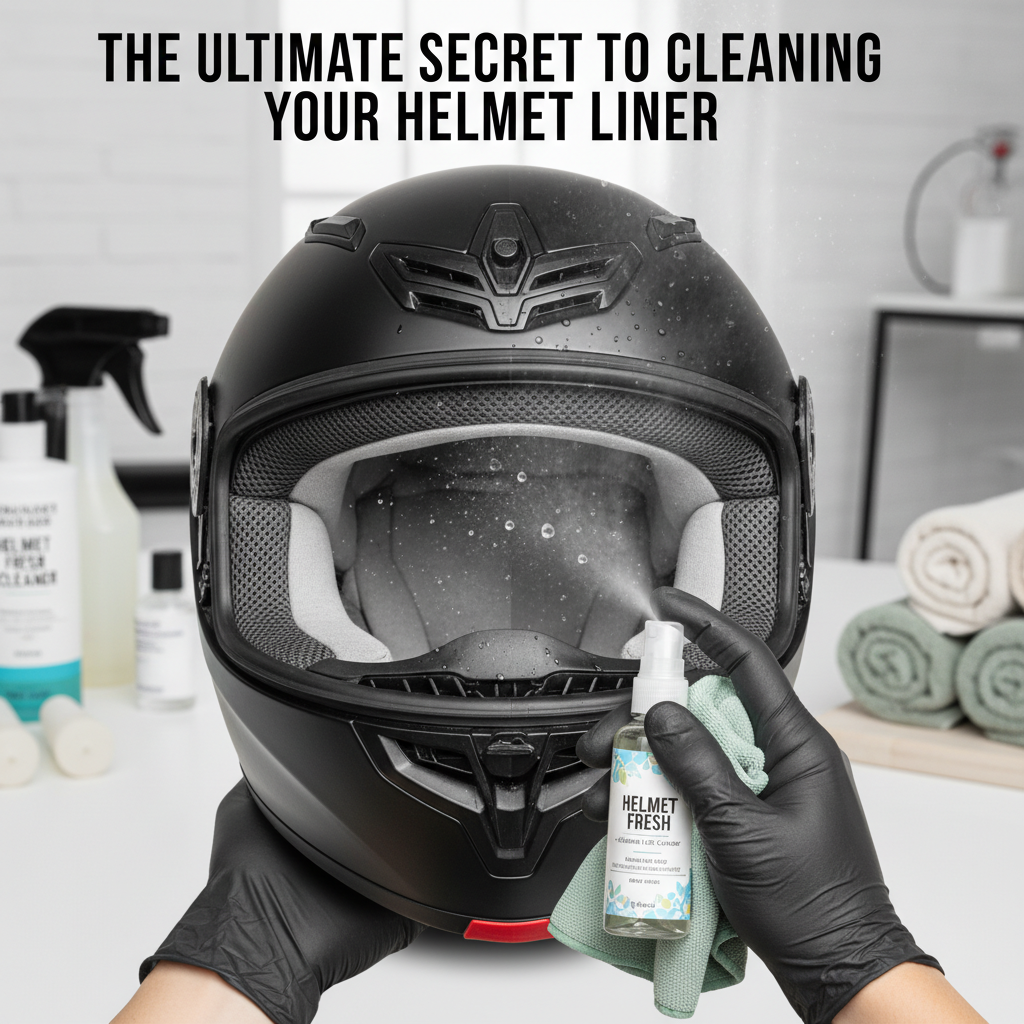
- Odor-neutralizing spray designed for sports gear: Only use products labeled as safe for the liner fabric type.
- Fan or vented drying rack: Forced airflow shortens drying time and reduces the risk of lingering moisture.
Step-by-Step: The Liner Cleaning Process That Actually Works
The most effective helmet liner cleaning method is a three-phase approach: remove, wash gently, then dry completely. Each phase protects materials and reduces the chance of odor returning quickly.
Step 1: Remove the liner and inspect it
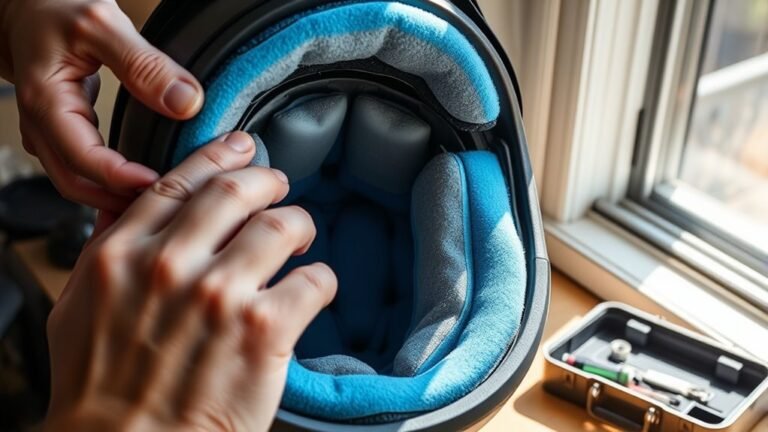
Start by removing the liner if your helmet design allows it. Many modular helmets, full-face helmets, and off-road helmets use removable cheek pads and sweat liners. Once removed, inspect for stains, heavy sweat zones, and loose stitching.
- If the liner includes a removable sweat band, clean that first since it collects the most oil and moisture.
- Check care labels for fabric composition and any manufacturer limitations.
Step 2: Pre-treat sweat and grime spots
Pre-treatment is defined as targeted cleaning before the full wash to break down oils where they build up most. This is especially useful around the forehead and temples.
- Mix a small amount of mild detergent with warm water.
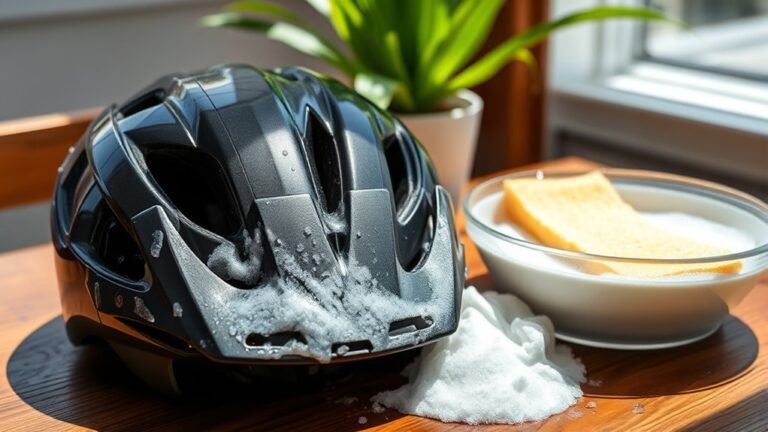
- Dampen a soft sponge and gently work the solution into stained areas.
- Avoid scrubbing aggressively; friction can damage the fabric weave.
Step 3: Wash using a gentle, controlled method
For most liners, the safest method is hand-washing with minimal water agitation. Heavy soaking is not recommended for many foam-backed liners because it can trap water deep inside.
- Fill a basin with cool to warm water and add mild detergent.
- Submerge only as needed and keep wash time brief.
- Gently squeeze and agitate by hand rather than wringing.
- Rinse thoroughly until water runs clear and detergent residue is gone.
Step 4: Rinse with care to prevent residue buildup
Detergent residue can make liners feel stiff and may attract new dirt faster. Thorough rinsing is defined as removing dissolved soap so the fabric returns to its original softness.
- Use clean water and repeat rinses as needed.
- Gently squeeze to remove excess water, then proceed to drying immediately.
Step 5: Dry fully using airflow, not heat
The secret that many riders miss is drying completely. Incomplete drying is defined as leaving internal moisture in foam or fabric layers, which can reactivate odor and microbial growth.
- Place the liner on a clean microfiber towel.
- Roll the liner in the towel and press lightly to extract water.
- Finish drying on a ventilated rack or in front of a fan.
- Avoid direct sun for long periods and avoid hair dryers or heaters unless the manufacturer explicitly allows it.
As a practical timing guideline, many liners take 12 to 24 hours to dry depending on thickness and airflow. If it still feels damp after a full day, extend drying time with continued airflow.
Drying Methods Compared for Helmet Liners (Fully Dry Time & Liner-Safe Score)
| # | Drying setup | Typical fully-dry time | Moisture risk | Liner-safe score |
|---|---|---|---|---|
| 1 | Vented rack + fan (room temp ~20–22°C) | 8–16 hours | Low | ★★★★★ |
| 2 | Vented rack (no fan) | 12–24 hours | Medium | ★★★★☆ |
| 3 | Microfiber towel-roll first, then rack + fan | 6–14 hours | Low | ★★★★★ |
| 4 | Dehumidifier room + vented rack | 5–12 hours | Low | ★★★★★ |
| 5 | Open-window airflow (not direct sun) | 10–20 hours | Medium | ★★★☆☆ |
| 6 | Near low-heat radiator (indirect warmth) | 18–30 hours | High | ★★☆☆☆ |
| 7 | Hair dryer / direct heat gun (warm air blasting) | 1–4 hours (surface dries faster) | Very High | ★☆☆☆☆ |
Common Questions About Helmet Liner Cleaning (QA)
Can I machine wash a helmet liner?
In most cases, you should not machine wash helmet liners unless the helmet manufacturer explicitly states it is safe. The key difference is that machine washing can increase abrasion and force water into layers of foam or adhesives that should remain protected.
Is antibacterial soap safe for helmet liners?
It depends on the ingredients. Antibacterial products are often formulated with additives that may irritate skin or leave residue. The safest approach is using a mild detergent or a cleaner specifically designed for sports gear and helmet liners, then rinsing thoroughly.
How do I remove tough stains or sweat marks?
Start with gentle pre-treatment and avoid bleach. For persistent sweat discoloration, a mild oxygen-based cleaner used carefully can help, but always patch-test in an inconspicuous area and confirm compatibility with the liner material.
Why does my liner smell again quickly after cleaning?
Rapid re-odor usually means moisture remains or the helmet’s contact surfaces still hold contaminants. Drying thoroughly and cleaning removable pads should be followed by ensuring the helmet shell interior also receives airflow. If the liner is not removable, wipe contact areas with a lightly damp microfiber cloth and allow complete drying.
Prevention Tips: Keep Your Liner Cleaner Between Deep Cleans
Prevention is defined as actions that reduce sweat and contamination before they embed into the fabric. With a few habits, you can reduce odor buildup and extend the time between deep cleans.
- Air out the helmet after rides: Open the helmet and let it ventilate in a dry space.
- Use breathable liners or balaclavas: Moisture management reduces direct sweat contact with the helmet liner.
- Wipe after heavy sweat: A quick microfiber wipe can remove salts that contribute to odor.
- Avoid storing in a sealed bag: Trapped humidity increases the chance of odor and microbial growth.
- Keep spare pads if possible: Rotating liners reduces wear and improves drying opportunities.
When Should You Replace Your Helmet Liner?
You should replace a helmet liner when cleaning no longer restores freshness, softness, or structure. Over time, foam compresses and fabric fibers degrade, which can reduce comfort and moisture-wicking performance.
- Persistent odor: Even after thorough washing and complete drying.
- Visible deterioration: Cracking, thinning fabric, or loose seams.
- Loss of cushioning: When the liner no longer provides stable fit or padding feels permanently flattened.
- Health-related triggers: If you experience recurring skin irritation that doesn’t improve after cleaning.
Also check helmet replacement guidance from reputable safety organizations and manufacturers. While helmet replacement timelines vary by standards and use history, many guidelines emphasize replacing helmets after significant impacts and following manufacturer service life recommendations.
Safety and Performance Notes Riders Should Know
Cleaning is part of helmet ownership, but it must never compromise safety-critical components. Stick to manufacturer instructions, and avoid altering structural foams or adhesive layers.
- Do not soak the entire helmet: Focus on removable liners and pads.
- Avoid solvents: Chemicals can damage dyes, weaken fabric coatings, and degrade adhesives.
- Confirm fit after reassembly: A clean liner can change thickness slightly; ensure the helmet still sits correctly.
Quick Routine You Can Follow This Week
If you want results fast, use this simple schedule: remove the liner, pre-treat sweat zones, hand-wash gently, then dry with airflow until fully dry. This routine is designed to be repeatable and liner-safe.
- Day 1: Remove liner, inspect, pre-treat, wash, and begin drying.
- Day 2: Confirm fully dry status, reassemble, and air out the helmet shell.
- Ongoing: Wipe sweat after heavy rides and ventilate after each use.
Conclusion: The Ultimate Secret Is Drying Completely and Cleaning Gently
The ultimate secret to cleaning your helmet liner is not a magic chemical—it’s the combination of liner-safe washing and meticulous, airflow-based drying. When you remove sweat, rinse away residue, and ensure the liner is fully dry, you reduce odor, improve comfort, and protect your investment.
If you tell me your helmet brand/model and whether your liner is removable (and what material it appears to be), I can tailor the exact cleaning approach and drying timeline for your specific liner.
Frequently Asked Questions: The Ultimate Secret to Cleaning Your Helmet Liner
What’s the ultimate secret to cleaning a helmet liner safely?
The ultimate secret is to clean using the liner material’s proper method—then fully dry it before use. Start by checking the manufacturer’s care instructions (or the liner label). Most liners benefit from a two-step approach: (1) remove sweat and odor with gentle, liner-safe cleaning, and (2) disinfect carefully without damaging foam or causing shrinkage. To avoid the most common issues (soaked padding that never dries, warped foam, or trapped moisture that leads to mildew), focus on using the right amount of water, a mild detergent, and thorough drying—often with airflow rather than heat.
Can I machine wash a helmet liner?
Sometimes—but only if your liner is explicitly labeled as machine-washable. Many helmet liners contain foam, antimicrobial fabrics, or bonded components that can break down in a washing machine. If the label allows machine washing, use a gentle cycle, cold water, and a small amount of mild detergent (avoid bleach and strong solvents). Place removable liners in a mesh laundry bag to reduce abrasion. After washing, air-dry completely; never put the liner in a dryer unless the manufacturer says it’s safe—high heat can cause shrinkage, deform cushioning, and damage adhesives.
How do I clean sweat and odor from a helmet liner without damaging it?
To remove sweat and odor, treat it like a fabric that needs both cleaning and odor control—without soaking. First, remove the liner (if detachable). Brush off loose grime with a soft, dry cloth or soft brush. Then lightly spot-clean or hand-wash with cold or lukewarm water and a mild, non-bleaching detergent. Rinse with minimal water so the foam doesn’t stay saturated. For odor, an optional step is wiping or lightly spraying a liner-safe odor neutralizer (check compatibility with your material) or using a diluted mixture recommended by the liner manufacturer. After cleaning, dry thoroughly using airflow (fan, open window, or a cool, ventilated area). Trapped moisture is the main cause of lingering mildew odors.
What should I avoid when cleaning a helmet liner?
Avoid anything that can degrade the liner’s foam, fabric, or adhesives. Common mistakes include: using hot water or steam (can deform foam and delaminate layers), machine-drying unless the label permits it (heat can shrink materials), soaking the liner for long periods (can keep the core damp), and using bleach, harsh detergents, or strong solvents (can strip antimicrobial coatings and cause deterioration). Also avoid scrubbing aggressively—especially on thin padding—because it can break down the fabric weave. Finally, never reassemble or wear the helmet until the liner is completely dry.
How often should I clean my helmet liner?
A good rule of thumb is to clean your helmet liner regularly based on how often you ride and how much you sweat. For frequent riders or hot-weather use, inspect the liner weekly and aim to deep-clean every 2–4 weeks. If you sweat heavily, have noticed persistent odor, or ride in very dusty conditions, you may need more frequent cleaning. For occasional use, a monthly deep-clean is often enough, plus routine spot-cleaning as needed. Regardless of schedule, always dry the liner fully after workouts—quick airflow between rides can help prevent odors and buildup.
References
- From Hard Hats to Helmets: The History & Future of Head Protection Google Scholar
https://onepetro.org/PS/article-abstract/69/08/34/569551 - [B] Just Ride: A radically practical guide to riding your bike Google Scholar
https://books.google.com/books?hl=en&lr=&id=UkuKs534x9EC&oi=fnd&pg=PP1&dq=The+Ultimate+Secret+to+Cleaning+Your+Helmet+Liner&ots=hkL52FOdwF&sig=QIIF7ADjhsq7hCyUj1Xp8ubkiK0 - The Apollo experience lessons learned for constellation lunar dust management Google Scholar
https://ntrs.nasa.gov/citations/20060050035 - Common cycling injuries: management and prevention Google Scholar
https://link.springer.com/article/10.2165/00007256-199111010-00004 - [B] While we were sleeping: success stories in injury and violence prevention Google Scholar
https://books.google.com/books?hl=en&lr=&id=dJ5FIZW17J8C&oi=fnd&pg=PR9&dq=The+Ultimate+Secret+to+Cleaning+Your+Helmet+Liner&ots=_U0dKxNzHc&sig=N658D9INY073v8UMbYNxoS8zFR8
📅 Last Updated: July 06, 2026 | Topic: The Ultimate Secret to Cleaning Your Helmet Liner | Content verified for accuracy and freshness.