Best Off-Road Motorcycle Helmets
Best Off-Road Motorcycle Helmets: How to Choose One That Fits, Protects, and Performs
The best off-road motorcycle helmet is defined by three things: verified safety performance (DOT, ECE, or Snell), a secure fit through the retention system, and trail-ready comfort features like ventilation and goggles compatibility. If you buy for those priorities first, you dramatically reduce the chance you’ll outgrow the helmet during long rides, heat cycles, or technical terrain.
How to Choose the Best Off-Road Motorcycle Helmet (Direct Buying Checklist)
Choosing correctly starts with a short, repeatable checklist that balances safety, fit, and real-world trail use. Use this flow every time you compare models so you can explain your decision clearly to yourself and others.
Start with fit, then safety certification, then comfort
The key difference is that a helmet can be “highly rated on paper” yet still be unsafe if it does not fit your head shape and retention system properly. A good buying process treats fit as the foundation and certification as the verification layer.
- Fit shape: Identify whether your head shape matches the helmet’s liner architecture (round oval vs intermediate oval profiles).
- Retention system: Ensure the chin strap and hardware keep the helmet stable during normal head turns.
- Safety standard: Prioritize ECE 22.06, and consider DOT or Snell where applicable.
- Ventilation: Look for intake and exhaust channels designed for off-road airflow.
- Goggles compatibility: Confirm you can mount goggles without pinching or compromising sealing surfaces.
- Weight: Aim for a comfortable all-day range; many modern off-road helmets cluster near the mid-to-low 1500 g class depending on size and visor system.
- Maintenance: Choose removable, washable liners and a shield/visor system you can clean consistently.
Quick QA: “What does ‘off-road helmet’ mean in practical terms?”
An off-road motorcycle helmet is defined as a helmet designed for goggles use, aggressive airflow management, and rider positions typical of dirt riding and motocross. The key difference versus some street helmets is that off-road models often emphasize venting and a visor/goggle interface for dust, wind, and temperature control.
Key Safety Ratings and Certifications You Can Trust
Safety certifications are the fastest way to filter the market, because they represent test-based performance rather than marketing claims. In the U.S., ECE and Snell are frequently used by riders seeking a higher assurance level for head protection.
What standards mean: DOT, ECE, Snell
Certification is defined as an independent verification process where helmets are evaluated for impact protection, penetration resistance, and retention system effectiveness under specific test conditions.
- ECE 22.06: A widely referenced modern standard used globally; it emphasizes performance across defined impact scenarios and retention behavior.
- DOT: A U.S. regulatory standard; it indicates compliance with minimum safety requirements in the DOT framework.
- Snell: A performance-focused standard historically valued for additional testing expectations beyond baseline requirements.
Direct answer: Which certification should you prioritize?
The practical recommendation is to prioritize ECE 22.06 when available, then consider Snell and DOT depending on availability, budget, and intended riding style. Riders who consult safety-focused reviews typically treat ECE/Snell performance verification as a primary selection criterion rather than a final checkbox.
Helmet Certification Standards Riders Commonly Find (Full-Face & Off-Road Compatible)
| # | Certification / Mark | Primary Region | Common Helmet Labels | Typical Assurance | Best Fit for |
|---|---|---|---|---|---|
| 1 | ECE 22.06 | Europe + global | “ECE 22.06” | ★★★★☆ | All-round off-road |
| 2 | ECE 22.05 | Europe | “ECE 22.05” | ★★★★☆ | Earlier ECE inventory |
| 3 | DOT (FMVSS 218) | United States | “DOT” + “FMVSS 218” | ★★★☆☆ | U.S. compliance needs |
| 4 | Snell SA | United States | “SNELL SA” | ★★★★☆ | High-assurance full-face |
| 5 | Snell M | United States | “SNELL M” | ★★★★☆ | Motocross/enduro use |
| 6 | AS/NZS 1698 | Australia & New Zealand | “AS/NZS 1698” | ★★★☆☆ | Regional compliance |
| 7 | JIS T 8133 | Japan | “JIS T 8133” | ★★★☆☆ | JDM/regional availability |
Expert-consensus angle: why retention system matters as much as impact rating
Many safety discussions among helmet engineers and certified testing communities emphasize that the retention system is crucial for keeping the helmet in place during impacts and rollovers. A retention failure can reduce the protection benefit even when the shell performs well.
Fit and Comfort: The Real “Best Helmet” Factor
The best off-road motorcycle helmet for you is the one that stays comfortable and secure every time you move your head, breathe hard, and ride in heat. Comfort is not a luxury feature; it directly affects how likely you are to keep the helmet seated correctly during a ride.
How should an off-road helmet fit?
A proper fit is defined as a helmet that feels snug at the crown and cheeks without causing pressure points that intensify after 20 to 30 minutes. The key difference is that a well-fitted helmet should feel stable immediately and remain stable as you stand, turn, and look side-to-side.
- Check cheek pressure: Mild pressure is normal, but painful hotspots are a red flag.
- Strap placement: The chin strap should sit correctly and not migrate.
- Helmet stability test: After fastening, gently try to lift the helmet from the front and back; it should resist movement.
- Goggle sealing: Goggles should rest without forcing the helmet’s edge to shift.
Conversion guide: size charts aren’t enough
Helmet sizing charts help, but head shape matters as much as circumference. Two riders with the same head measurement can experience different comfort because internal padding layouts vary across brands like Arai, Bell, Shoei, Fox Racing, and others.
Ventilation and Heat Management for Off-Road Riding
Ventilation is what separates a helmet that feels good for 10 minutes from one that remains comfortable during full trail sessions. Off-road helmets should move air through intake vents and exhaust channels while maintaining stability for goggles and visor systems.
What to look for in ventilation design
The key difference is that true off-road ventilation is engineered around airflow paths, not just vent holes. Look for multiple intake points with internal channeling and rear exhaust exits that reduce heat buildup around the crown and temples.
- Intake channels: Front and side intakes that direct airflow across the liner.
- Exhaust vents: Rear or top exhaust paths that let hot air escape.
- Removable liner: Liners that you can remove and dry reduce odor and maintain airflow.
- Dust strategy: Vent systems should limit direct dust intrusion while still circulating air.
Conversational QA: “Will more vents always make it cooler?”
Not necessarily. Adding vents can help, but airflow efficiency depends on internal routing, liner material, and how the helmet pairs with goggles and a visor. A well-designed ventilation layout often cools better than a helmet with more openings but poor internal channeling.
Lightweight Materials and Shielding Technology
Lightweight construction helps reduce rider fatigue, but it must still meet safety performance requirements. Modern off-road helmets often use advanced composites to balance mass, stiffness, and impact energy management.
Advanced composite materials: what they do
Composite helmets are defined as helmets made from engineered fiber materials and resin systems designed to distribute impact energy while reducing weight. The key difference is that stiffness and energy distribution come from material architecture, not just shell thickness.
- Fiberglass composites: Common in many premium models; provide a strong stiffness-to-weight profile.
- Carbon and aramid blends: Used in some high-end helmets to fine-tune stiffness and weight.
- Multi-density EPS: Many helmets use different densities for impact absorption characteristics.
Direct answer: does lighter always mean better?
Lighter can improve comfort over long rides, but the best off-road helmets are those that achieve low weight while still passing the required safety standards. The most important metric remains certified performance plus a correct fit.
Goggles Compatibility and Vision in Dusty Conditions
For off-road riders, helmet-and-goggle compatibility is a practical safety factor because clear visibility supports better decision-making. Goggles should fit securely without shifting the helmet and without creating gaps that let dust in.
What “compatible with goggles” really means
Goggles compatibility is defined as an off-road helmet’s ability to integrate with common goggle mounting points and sealing surfaces so the rider gets stable placement during movement. The key difference is that compatibility is tested in real use through comfort, visor clearance, and goggle stability.
- Goggle clearance: Enough room for frames and strap hardware.
- Edge stability: Helmet edges should not pinch or distort the goggle fit.
- Visor airflow: A visor can help with airflow and dust control when paired properly.
Quick QA: “Should I wear a hydration system or face mask with my helmet?”
Yes, if your riding setup requires it, but you should verify compatibility with your helmet’s cheek areas and strap routing. A properly paired system should not interfere with the chin strap hardware or create pressure points that shift the helmet during movement.
Top Off-Road Helmet Brands and What They’re Known For
Several established brands consistently earn rider trust by combining certification credibility with practical off-road comfort. The right brand for you depends on head shape, ventilation preference, and how you ride (motocross, enduro, trail).
Commonly cited manufacturers
Riders frequently compare models from companies such as Arai, Bell, Fox Racing, and often Shoei when shopping for off-road helmets with strong fit and safety-focused design.
- Arai: Often praised for fit consistency and premium build quality, especially among riders who already like their head shape profile.
- Bell: Known for off-road-focused ventilation systems and durable visor/goggle interfaces in many models.
- Fox Racing: Popular in motocross and enduro communities, frequently offering lightweight comfort and strong value across tiers.
- Shoei: Commonly referenced by riders seeking a balance of comfort, ventilation, and refined shell construction.
Conversational QA: “Are premium helmets always safer?”
Premium price does not automatically guarantee higher safety performance. Safety is defined by meeting relevant standards and achieving correct fit and retention behavior. A well-fitting mid-range helmet that meets strong certifications can outperform a poorly fitting premium helmet in real riding conditions.
Maintenance Tips to Extend Helmet Life (Without Compromising Safety)
Helmet maintenance protects comfort, hygiene, and long-term functionality, but it also helps you recognize damage early. Treat your helmet like critical safety gear, not just a piece of ride equipment.
How to clean and store an off-road helmet correctly
The key difference is that cleaning should preserve liner materials and visor hardware without breaking adhesives or degrading protective layers.
- Use mild cleaners: Clean the shell exterior with a gentle, non-abrasive approach suitable for helmet finishes.
- Remove and wash liners: Many liners are removable; wash according to manufacturer instructions and fully dry before reinstalling.
- Avoid heat drying: High heat can degrade plastics and comfort materials.
- Inspect after impacts: If your helmet experiences a significant crash, replace it—even if damage is not obvious.
- Store properly: Keep it out of direct sun and extreme temperatures to limit material aging.
Direct answer: when should you replace an off-road helmet?
Replace your helmet after any severe impact and follow the manufacturer’s service life guidance. As a general rule used by many safety advocates and retailers, older helmets should be evaluated carefully, especially if they show liner compression, strap wear, or shell cracks.
Common Buyer Questions (Answered Clearly)
Before you purchase, the most important step is making sure the helmet’s purpose matches your riding. These questions reflect what riders commonly ask when narrowing down the best off-road motorcycle helmets.
Should you choose a modular helmet or a full-face off-road model?
For most off-road riding, a full-face off-road helmet is often the preferred choice because it provides stable chin and cheek protection with goggles integration. Modular helmets can be convenient, but they may introduce additional complexity at the hinge area; riders seeking maximum off-road stability typically lean toward traditional full-face designs.
What’s the best helmet for trail riding versus motocross?
Trail riders often prioritize comfort and ventilation over long sessions, while motocross riders may prioritize goggles sealing, visor design, and weight reduction for repeated maneuvers. The best choice is the one that remains comfortable in your expected duration and provides consistent vision in your dust exposure.
How do you avoid wrong sizing?
Use your head circumference measurement as a starting point, then verify with cheek and crown feel. If the helmet shifts when you attempt to lift it by the front after strapping, or if hotspots develop quickly, consider sizing adjustments or a different model with a different internal profile.
Conclusion: The Best Off-Road Motorcycle Helmet Is the One You’ll Wear Correctly Every Ride
The best off-road motorcycle helmet is defined by verified safety standards, secure retention, and comfort features that match how you ride. When you prioritize fit, ECE/DOT/Snell certification, ventilation design, and goggles compatibility, you gain long-term confidence on dirt trails and motocross tracks.
If you’re comparing specific models, focus on your head shape, confirm certification details for the exact version you’re buying, and test the helmet’s comfort with your goggles system before committing.
Frequently Asked Questions
How do I choose the right off-road motorcycle helmet?
Choosing the right off-road motorcycle helmet comes down to fit, protection, ventilation, and intended riding style. Start with certification: look for a reputable safety standard such as DOT, ECE (often ECE 22.06), or similar regional approvals. Then focus on fit—off-road helmets should sit level on your head (not tilted back), with cheek pads that feel snug without causing pressure points. Proper fit usually means there’s minimal head movement when you shake or turn your head. Next, consider ventilation and airflow: motocross and off-road riding often involve dust, heat, and hard sprints, so look for multiple intake/exhaust vents and internal channels that help manage fogging and sweat. If you ride in mixed conditions (street + dirt) or prefer roost protection with eye coverage, a dual-sport helmet or modular approach may be more suitable; for pure dirt/ATV tracks, a dedicated off-road (MX/enduro) helmet with a visor and goggles compatibility is typically better. Finally, think about weight and comfort for long rides—lighter helmets often reduce fatigue, but never sacrifice fit and safety.
What helmet certification should I look for (DOT, ECE, or others)?
For the best protection, choose a helmet that meets recognized safety standards and is actually certified/approved for your region. In many markets, DOT certification is commonly referenced in the U.S., while ECE is widely used and often preferred by riders internationally (commonly ECE 22.05 or 22.06). ECE 22.06, in particular, is the latest version in the ECE line and includes updated testing requirements. If you ride in a region that follows specific rules, use the certification that is accepted locally. Also consider whether the helmet is a true off-road/MX helmet rather than a style-only off-road look—some helmets may look similar but differ in impact testing and protective design. When in doubt, verify the certification label inside the helmet, check the manufacturer’s documentation, and buy from reputable sellers to reduce the risk of counterfeit products.
Should I get an off-road (MX/enduro) helmet or a street/dual-sport helmet?
It depends on where you ride and what protection features matter most. A dedicated off-road (MX/enduro) helmet typically offers better ventilation and a design intended for goggles/visor setups, along with roost protection and a shape optimized for dirt riding. If you frequently ride trails, motocross tracks, or environments with dust and impact risks from off-axis hits, an off-road helmet is usually the better match. A dual-sport helmet sits between off-road and street categories: it often includes a face opening/shape suitable for both goggles and glasses, tends to be more comfortable for commuting, and may include a more street-friendly fit or noise profile. Street helmets generally prioritize aerodynamic comfort and everyday use, but they may not perform as well for intense roost/dust conditions and goggles compatibility. A good rule of thumb: if your riding is mostly dirt, choose an off-road helmet designed for it; if you mix commuting and weekend trail rides, a dual-sport helmet can be the most versatile option.
How do I measure my head size and find the correct fit?
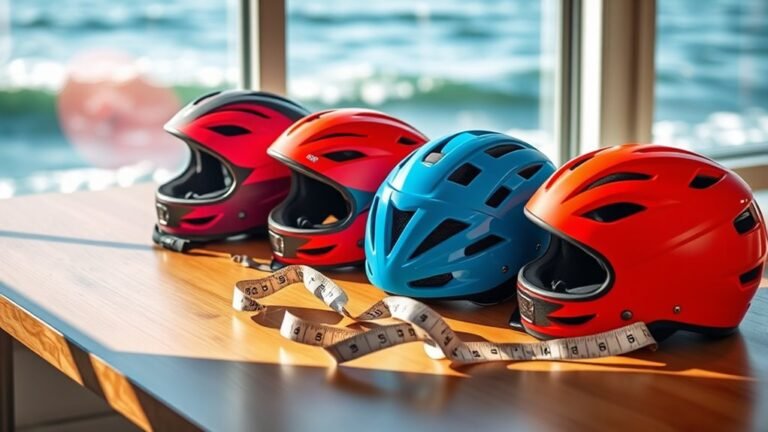
To find the right fit, measure your head circumference with a soft tape measure around the largest part of your head—typically just above the eyebrows and around the back of the skull. Use the manufacturer’s size chart because helmets of the same “size” can differ by shell shape and pad thickness. When trying a helmet on, check these fit indicators: (1) the helmet should sit level on your head—if it rides too high or tilts, sizing or shell shape likely isn’t right; (2) the cheek pads should feel secure with no excessive looseness, and you shouldn’t have to “hold it on” with your hands; (3) the forehead and crown should not create sharp pressure points; (4) when you fasten the chin strap, the helmet should not noticeably shift during normal head turns; (5) if the helmet is new, remember that interior pads often break in slightly over time, so mild snugness can become more comfortable. Finally, consider compatibility with goggles or glasses—your helmet should allow a comfortable seal and prevent gaps around the face shield area. If possible, try helmets with the gear you’ll actually ride with.
How can I prevent fogging and improve comfort during off-road riding?
Fogging is common in off-road conditions due to temperature swings, breath condensation, and goggles/visor airflow. Start with ventilation: choose helmets with multiple intake and exhaust vents and internal airflow channels. Make sure vents aren’t blocked by accessories or improper fit. Use goggles that have good venting and a properly shaped foam seal; a poor seal can draw warm moist air into the mask area and cause fogging. Consider using an anti-fog treatment on your goggles lens (and visor if applicable) and ensure the helmet is dry before storage. For colder rides, some riders use base layers that reduce moisture buildup near the face area, and they may choose helmets with better chin-bar airflow. Also, verify that the chin strap is snug—loose fit can allow warm air to escape upward and contribute to fog. Regular cleaning of the helmet interior and replacement of worn cheek pads or breath deflectors can also improve airflow and reduce trapped moisture.
References
- Google Scholar search: Motorcycle helmet effectiveness and head injury Google Scholar
https://scholar.google.com/scholar?q=motorcycle+helmet+effectiveness+head+injury - Google Scholar search: Off-road motorcycle helmet protection studies Google Scholar
https://scholar.google.com/scholar?q=off-road+motorcycle+helmet+protection+study - PubMed search: Motorcycle helmet effectiveness for head injury Google Scholar
https://pubmed.ncbi.nlm.nih.gov/?term=motorcycle+helmet+effectiveness+head+injury - PubMed search: Protective helmets and motorcycle crash risk Google Scholar
https://pubmed.ncbi.nlm.nih.gov/?term=protective+helmet+motorcycle+crash+risk - Motorcycle helmet — Wikipedia overview
https://en.wikipedia.org/wiki/Motorcycle_helmet - NHTSA: Motorcycle helmets (requirements and guidance)
https://www.nhtsa.gov/motorcycle-safety/motorcycle-helmets - CDC: Motorcycle safety (prevention including helmet use)
https://www.cdc.gov/motorvehiclesafety/motorcycle/index.html - eCFR: Federal Motor Vehicle Safety Standard No. 218 — Motorcycle helmets
https://www.ecfr.gov/current/title-49/part-571/section-571.218
📅 Last Updated: July 07, 2026 | Topic: Best Off-Road Motorcycle Helmets | Content verified for accuracy and freshness.