The Must-Know Helmet Laws in Florida
In Florida, wearing a helmet while riding a motorcycle is not mandatory for all riders, but there are important conditions to consider. If you’re over 21 and carry a minimum of $10,000 in medical insurance, you can ride without a helmet. However, understanding the nuances of these laws is crucial for safety and legal protection, as many riders may mistakenly believe they can freely forgo helmets without understanding the potential consequences.
Understanding Florida’s Helmet Law
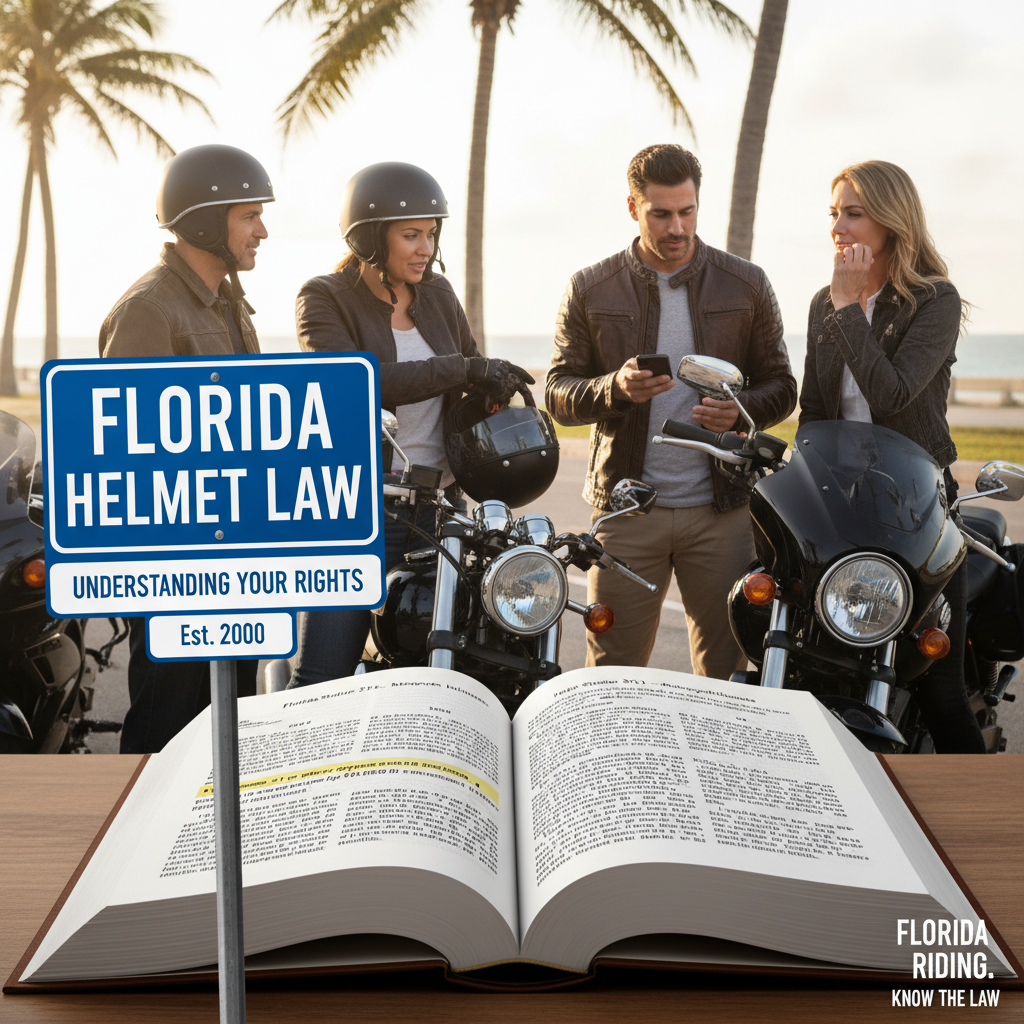
Florida’s motorcycle helmet law is unique in that it provides certain freedoms to riders aged 21 and older. Specifically, individuals who meet the age requirement and possess at least $10,000 in medical insurance are permitted to ride without wearing a helmet. This legislation, enacted in 2000, was aimed at balancing personal freedom with safety considerations. However, it is essential to note that riders under the age of 21 are still required by law to wear a helmet, irrespective of their insurance coverage. This differentiation emphasizes the state’s concern for younger riders, who may be less experienced and more vulnerable to severe injuries in the event of an accident.
The Importance of Wearing a Helmet
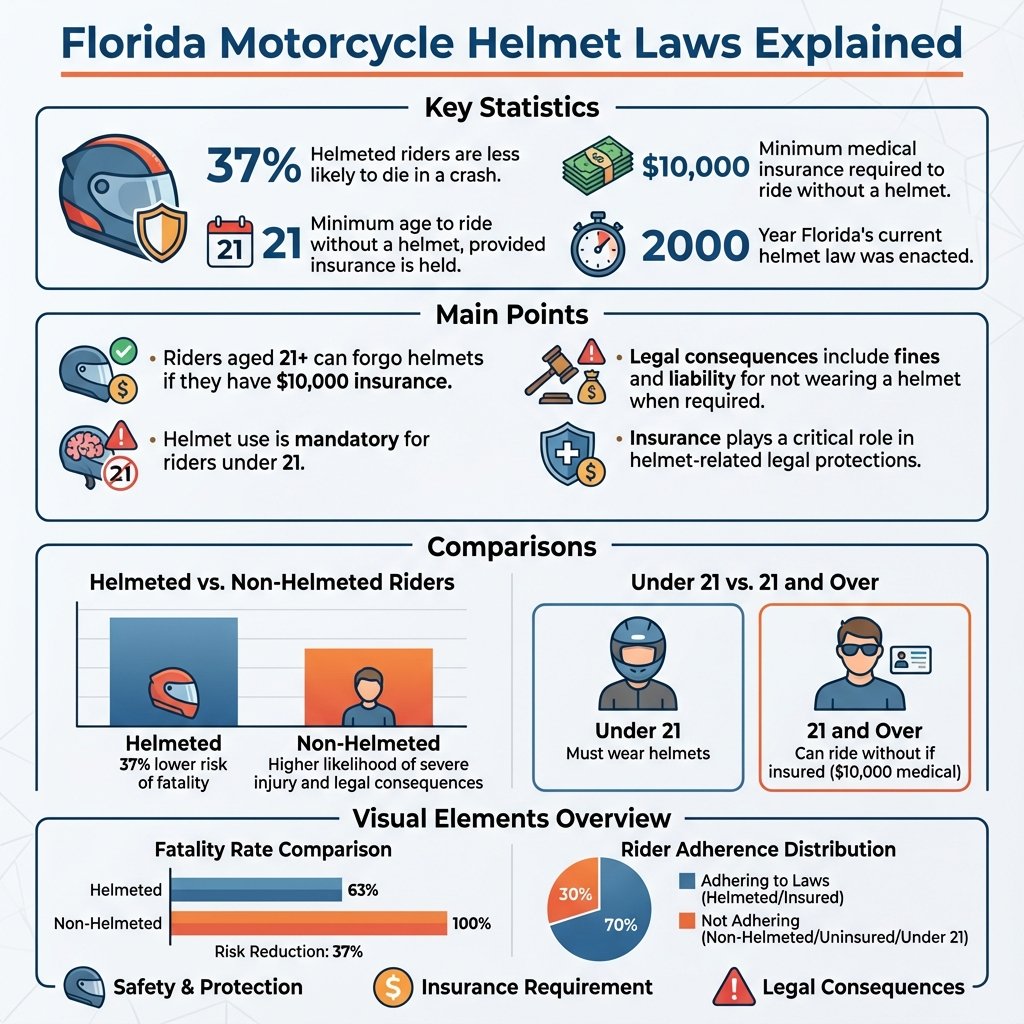
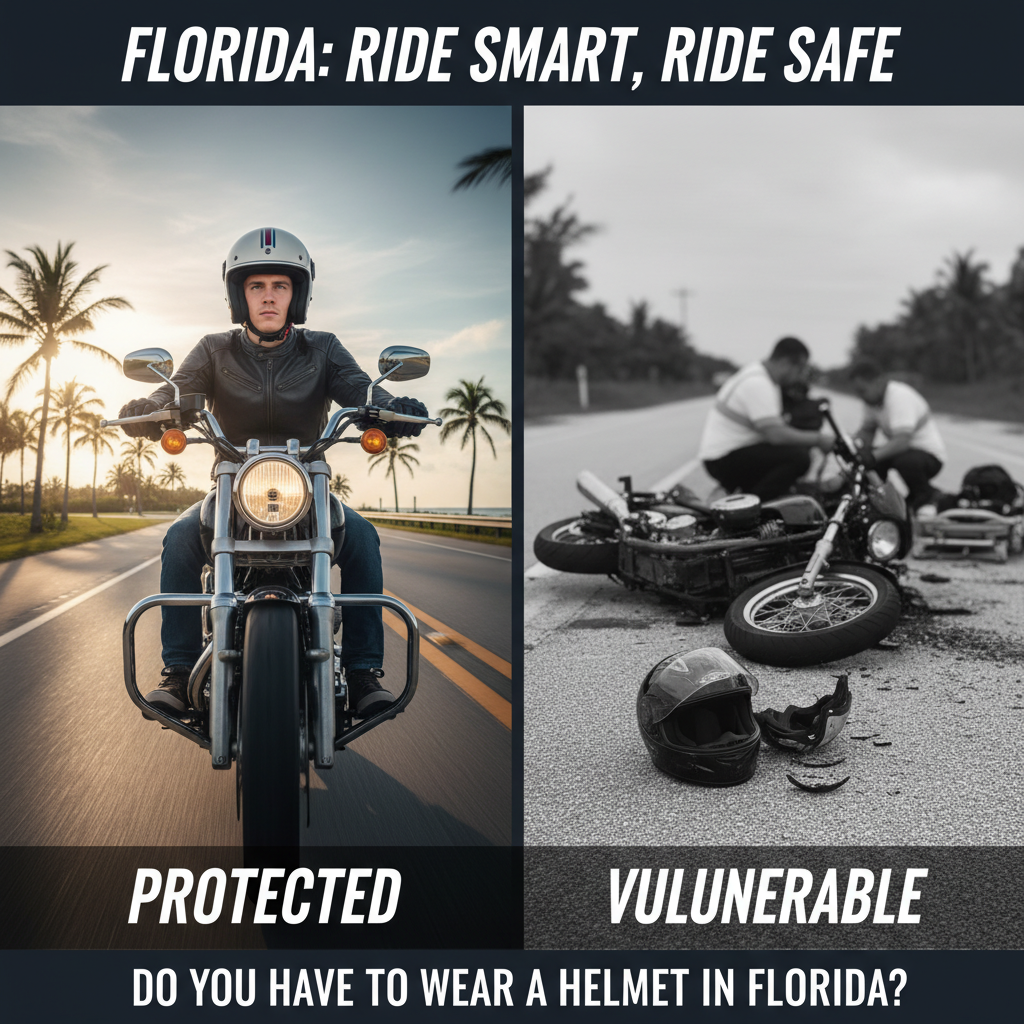
The value of wearing a helmet cannot be overstated. Numerous studies have consistently shown that helmets significantly reduce the risk of head injuries during motorcycle accidents. For instance, the National Highway Traffic Safety Administration (NHTSA) reports that helmeted riders are 37% less likely to die in a crash compared to those without helmets. Additionally, helmets can mitigate the severity of injuries, preventing catastrophic brain trauma and spinal injuries that can lead to lifelong disabilities. As such, even for those legally allowed to ride without helmets, the protective benefits of wearing one should be a primary consideration.
Exceptions to the Helmet Law
While the law does allow some riders to go without a helmet, there are specific scenarios and considerations that may influence a rider’s choice. For example, some experienced riders may feel confident in their abilities and opt to ride without a helmet. Others may simply appreciate the feeling of freedom that comes with riding unencumbered. However, it is critical to remember that carrying the requisite insurance is not just a legal formality; it plays a pivotal role in the determination of whether a helmet is necessary. If a rider is involved in an accident and lacks proper insurance, they could face severe financial and legal repercussions, regardless of their choice to wear a helmet.
Consequences of Not Wearing a Helmet
Failing to comply with Florida’s helmet laws can lead to various legal consequences. Riders who choose to ride without a helmet when not legally permitted may face fines, points on their driving records, and even legal liabilities if involved in an accident. Additionally, the absence of a helmet can complicate insurance claims and may result in reduced compensation for injuries sustained in an accident. Given the potential for significant medical expenses stemming from motorcycle accidents, the financial liability associated with riding without a helmet can be daunting.
The Debate: Helmet Laws vs. Personal Freedom
The discussion surrounding helmet laws often revolves around the tension between personal freedom and public safety. Advocates for mandatory helmet laws argue that the state has a responsibility to protect citizens from preventable injuries and deaths, particularly in light of the public health costs associated with motorcycle accidents. Conversely, opponents argue that individuals should have the autonomy to make their own choices about safety, including whether or not to wear a helmet. This debate highlights the complexities of balancing individual rights with societal responsibilities and raises questions about how best to promote safety while respecting personal freedoms.
Best Practices for Florida Riders
For those navigating Florida’s motorcycle laws, it’s essential to adopt best practices to ensure both compliance and safety. First and foremost, always carry proof of insurance, as this documentation can protect you from legal complications should you be stopped by law enforcement or involved in an accident. Additionally, even if you meet the legal requirements to ride without a helmet, consider wearing one for your safety. The risks associated with motorcycle riding are substantial, and the protective benefits of a helmet far exceed the fleeting sense of freedom that comes with riding bareheaded.
Resources for Florida Riders
Florida offers a wealth of resources for motorcycle riders, particularly concerning safety and legal compliance. The Florida Department of Highway Safety and Motor Vehicles (DHSMV) provides comprehensive information on motorcycle laws, safety courses, and helmet certification. Local motorcycle safety courses, such as those offered by the Motorcycle Safety Foundation (MSF), can also help riders enhance their skills and knowledge about safe riding practices. Furthermore, checking for helmet certification labels can ensure that your helmet meets safety standards, offering you the best protection possible.
In conclusion, while Florida’s law allows some riders to forgo helmets, the benefits of wearing one far outweigh the freedom of riding without. The statistics regarding head injuries and fatalities speak for themselves, reinforcing the importance of prioritizing safety. Stay informed about the laws and implications of helmet use, and make the responsible choice for your riding experience. Whether you choose to wear a helmet or not, understanding your legal obligations and the potential consequences can help you ride with confidence and peace of mind.
References
- https://www.flsenate.gov/Session/Bill/2019/410
- https://www.floridahealth.gov/programs-and-services/injury-prevention/helmet-laws.html
- https://www.nhtsa.gov/road-safety/motorcycle-safety
- https://www.ghsa.org/state-laws/helmet-laws
- https://www.floridabar.org/the-florida-bar-journal/helmet-laws-in-florida/
- https://www.florida.gov/
- https://www.cdc.gov/motorvehiclesafety/motorcycle/index.html
- https://www.floridahealth.gov/
- https://en.wikipedia.org/wiki/Motorcycle_helmet_law#Florida