The Must-Know Secret: Do You Really Need a Ski Helmet?
Quick Answer: Do You Really Need a Ski Helmet?
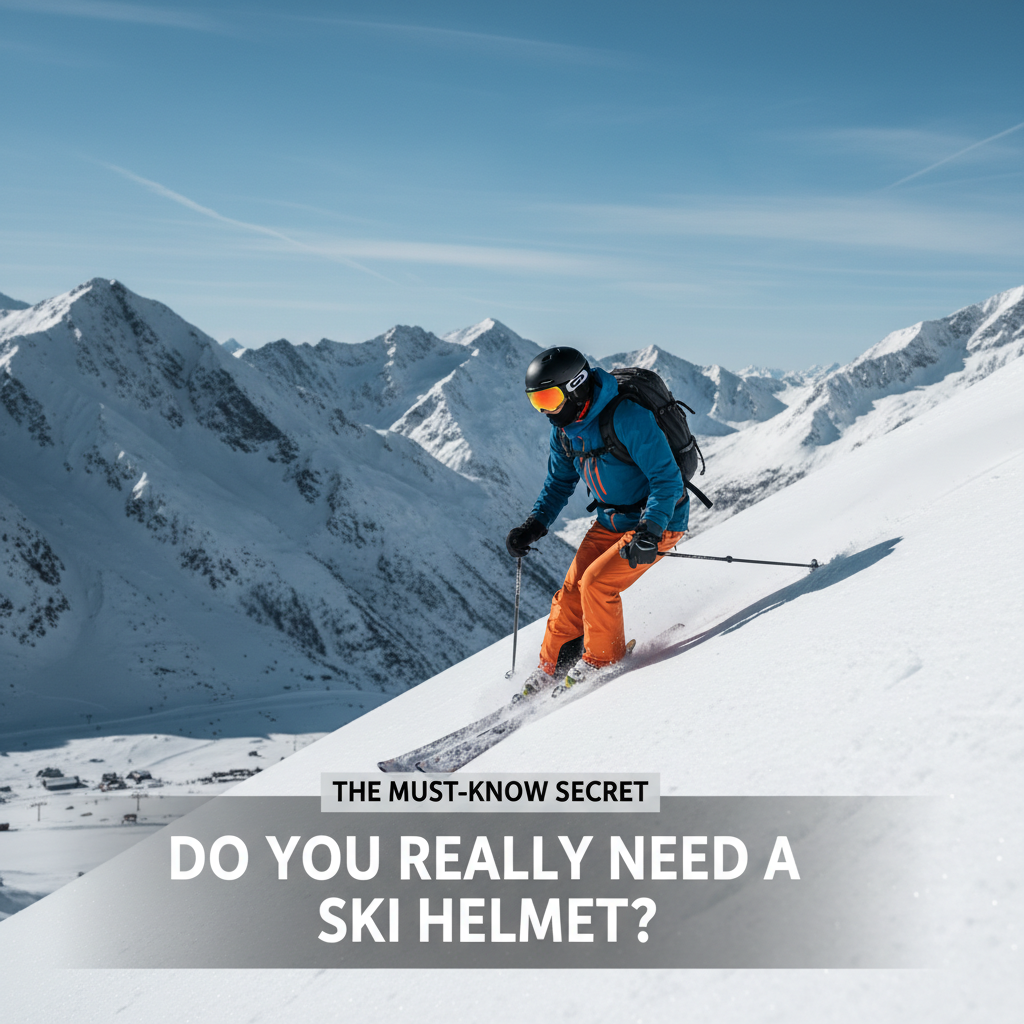
Yes. A ski helmet is strongly recommended for nearly every skier and snowboarder because it is designed to reduce the impact forces that can lead to traumatic brain injuries. The key point is that head impacts can happen even when you ski responsibly, so helmet use is the most practical way to lower risk.
Why Ski Helmets Matter: The Safety Science in Plain Language
A ski helmet is defined as protective headgear engineered to absorb and dissipate impact energy during falls and collisions. The design goal is to reduce the severity of head injury by controlling how quickly your head decelerates when the worst happens.
How a Helmet Works (And Why It’s More Than Just “Padding”)
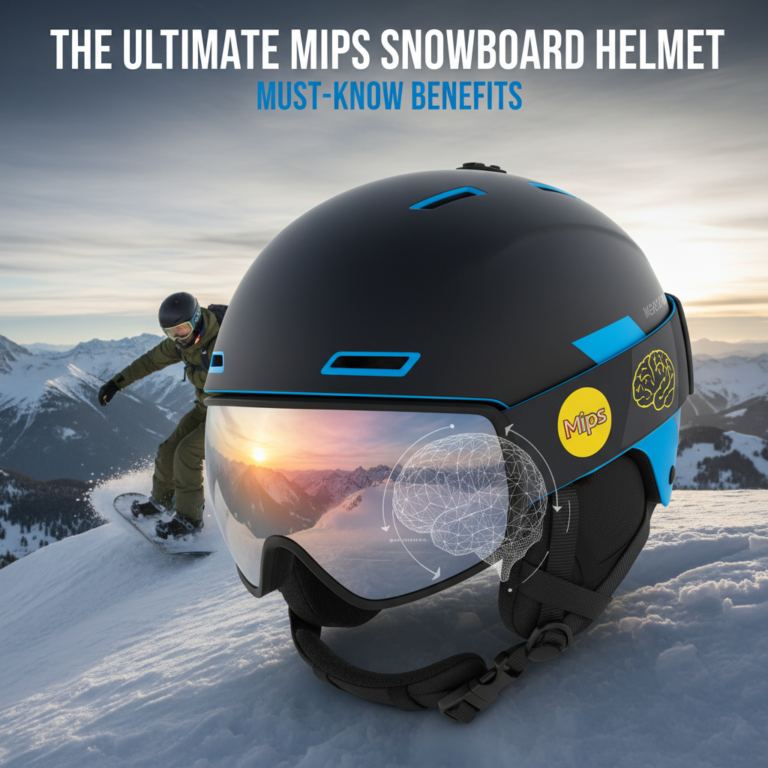
The key difference is that a certified ski helmet is built to manage impact in stages, typically using a hard outer shell and an energy-absorbing liner. The outer shell helps distribute force across the helmet’s structure, while the inner foam compresses to reduce the rate of deceleration to the skull and brain.
Most modern helmets also include additional features such as:
- Impact-absorbing liners that compress under load to help limit acceleration forces.
- Low-friction or optimized fit systems that help the helmet stay positioned during impacts.
- Ventilation channels to improve comfort on cold, high-output days.
What Research and Medical Consensus Commonly Support
Multiple injury-prevention organizations and peer-reviewed reviews support helmet use as an effective injury-reduction measure. For example, a widely cited body of research published across medical journals—including injury and head trauma rehabilitation literature—has reported meaningful reductions in the risk of serious head injuries for helmet wearers.
To make this actionable, consider this widely accepted safety logic: skiing and snowboarding are collision-and-fall activities, and the head is vulnerable to impacts from ice, packed snow, poles, other riders, and fixed objects. A helmet addresses that vulnerability better than any accessory you can add after the fact.
Do Helmets Prevent Concussions?
Helmets cannot guarantee prevention of concussion, but they can reduce the likelihood and severity of head injuries. The practical takeaway is that helmet use improves your odds during typical crash scenarios encountered on ski slopes.
Concussion Risk: What a Helmet Can and Can’t Do
The key difference is that helmets are most effective at reducing skull and brain injury severity from impacts, but no helmet can eliminate risk entirely. Concussions can occur with a range of forces and body-motion contributions, so safety professionals emphasize helmeting plus smart behavior.
For best results, use a certified helmet and pair it with proven risk-reduction habits:
- Ski within your ability level.
- Keep a safe distance from other riders.
- Use proper technique for terrain changes and speed control.
- Avoid skiing when fatigued or impaired.
Legal Requirements: Where Helmet Use Is Mandatory
Helmet laws and resort rules vary by location, but many areas require helmets for children and sometimes for all park or beginner zones. Even when it is not legally required, resort policies can restrict access if you do not comply.
Resort Policies You Should Check Before You Go
The key difference is that “local law” and “resort rule” are not always the same. Some ski areas require helmets for minors, especially in terrain parks, while others mandate helmet use during specific programs and youth lessons.
To stay compliant, check the official rules for your destination before travel. For example, in the United States, several states and resorts have implemented helmet requirements over time, and many families treat helmeting as standard for youth after these policy changes became common.
If you want to avoid fines or last-minute rental issues, verify the following:
- Minimum age for required helmet use
- Whether helmet rules apply to all slopes or only certain areas
- Accepted helmet types and certification standards
- Whether rentals are available if you forget yours
Do You Need a Ski Helmet If You’re an Expert?
Yes. Skill does not make falls impossible, and expert skiers can still hit obstacles, other riders, or natural hazards like ice patches and wind-formed ridges. A helmet is designed for the moment you lose control, not the moments when you don’t.
Common Expert Crash Scenarios (That Helmets Help With)
The key difference is that even advanced athletes encounter high-energy situations: fast transitions, icy conditions, jumps with imperfect landings, and limited visibility in snowfall. Helmets mitigate the consequences of those impacts.
Real-world causes of head impacts on snow often include:
- Falls on steep or mogul terrain
- Collisions in lift lines or narrow runs
- Unexpected hazards such as rocks, exposed stumps, or ice
- Impact with a ski pole or equipment during a tumble
What Standards Should a Ski Helmet Meet?
Choose a ski helmet that meets recognized safety certifications for winter sports protection. The standard you look for depends on the region, but reputable brands typically design helmets to pass relevant test protocols.
Common Helmet Certification Marks You’ll See (Winter & Related Use)
| # | Certification mark / standard | Primary region(s) | Helmet category usually used | Ski protection emphasis |
|---|---|---|---|---|
| 1 | ASTM F2040 | United States & Canada | Snow sports helmets | ★ High |
| 2 | EN 1077 (Ski helmets) | Europe | Ski-specific helmets | ★ High |
| 3 | EN 1077 (Snow helmets) | Europe | Winter helmets (class variants) | ★ High |
| 4 | EN 1078 | Europe (bike helmets) | Cycling helmets | ★ Low-Med |
| 5 | CSPC/CPSC (16 CFR 1203) | United States (bike helmets) | Cycling helmets | ★ Low-Med |
| 6 | SNELL RS-98 | United States (legacy programs) | Motorcycle-style helmets | ★ Specialized |
| 7 | ASTM/other sport-specific marks (varies) | Worldwide | Sport-rated helmets | ★ When winter-rated |
Certification: How to Select a Helmet That Actually Protects
Helmet performance is not the same as “feels protective.” X is defined as a certified helmet when it has been tested and approved to relevant impact safety standards for head protection. The goal is to confirm that the helmet’s materials and construction perform under impact conditions.
When shopping, look for clear labeling of certification and consider helmets marketed for skiing and snowboarding (not general bicycle-only use). Many manufacturers also publish compliance details with well-known testing frameworks used internationally.
If you are unsure what certification applies in your area, check the product documentation or the retailer’s specification page before purchasing.
Helmet Fit: The Secret to Getting Real Protection
A properly fitted ski helmet is essential because a loose helmet can shift during impact. The best safety feature is wasted if the helmet does not stay aligned with your head.
How Helmets Should Fit (Practical Checklist)
The key difference is that comfort is not enough; retention and alignment matter. Use the following fit checks:
- Snug fit without painful pressure points
- No wobbling when you move your head side to side
- Gaps minimized around the forehead when buckled
- Chin strap secure so the helmet sits level
- Compatibility with goggles so the goggle strap does not force the helmet upward
How Often Should You Replace a Ski Helmet?
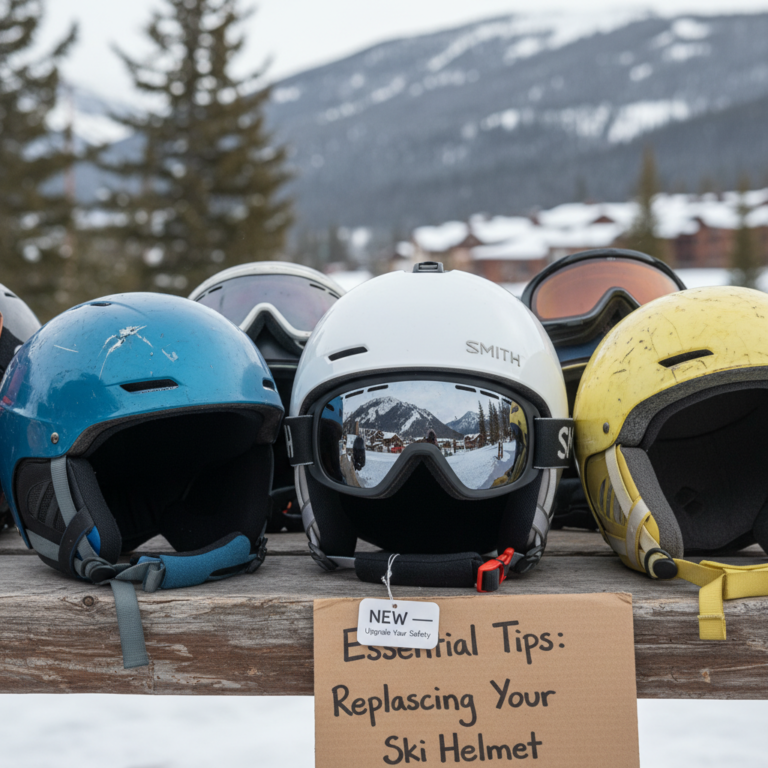
A ski helmet should be replaced if it has taken a significant impact, shows visible damage, or is beyond its recommended service life by the manufacturer. Many experts advise replacing helmets after a crash because internal foam structures may be compromised even if damage is not obvious.
Common Questions (Q&A)
Is a Bicycle Helmet Okay for Skiing?
A bicycle helmet is often not equivalent to a skiing-specific helmet because the protection priorities and certification testing can differ. Helmets are defined as sport-appropriate when they are designed and tested for the impact types and fit requirements of that activity. For safest results, choose a helmet specifically rated for skiing or snowboarding.
Will a Helmet Make Me Hot or Uncomfortable?
Modern ski helmets often include ventilation systems and moisture-friendly liners that improve comfort. The key difference is selecting the right helmet ventilation for your climate and layering strategy, then ensuring the fit is not so tight that it causes pressure fatigue.
Do I Still Need a Helmet for Easy Blue Runs?
Yes. Beginner terrain still includes falls, collisions, and unpredictable surface changes. Helmeting is best thought of as “impact insurance” for your head, regardless of trail difficulty.
What About Kids—Are Helmets Truly Worth It?
Yes. Children are at higher risk for head injury because they have less body mass and different biomechanics during falls. That is why many jurisdictions and ski programs emphasize helmet use for minors, and why many safety organizations and pediatric-focused recommendations encourage helmeting in youth winter sports.
The Bottom Line: The Most Important Upgrade You Can Make
If you only remember one thing, remember this: a ski helmet is one of the most effective ways to reduce head injury risk during skiing and snowboarding. The must-know secret is that you cannot predict every hazard on the mountain, but you can control what protects your head when something unexpected happens.
Before your next trip, choose a certified ski helmet with the right fit, check your resort’s helmet rules, and replace your helmet after any significant impact. Your future self will be glad you did.
The Must-Know Secret: Do You Really Need a Ski Helmet?
Do I really need a ski helmet to be safe?
Is a helmet required by law or resort rules?
What type of helmet should I buy for skiing—certifications matter?
How do I know my ski helmet fits correctly?
When should I replace a ski helmet, and what if I’ve never crashed?
References
- Product Liability and Commercial Law Theories Relating to Concussions Google Scholar
https://digitalcommons.law.umaryland.edu/cgi/viewcontent.cgi?article=1236&context=jbtl - [B] Famous Firsts: The Trendsetters, Groundbreakers & Risk-takers who Got America Moving! Google Scholar
https://books.google.com/books?hl=en&lr=&id=bc-_uWnoZWwC&oi=fnd&pg=PA4&dq=The+Must-Know+Secret:+Do+You+Really+Need+a+Ski+Helmet%3F&ots=TId7rSMGqj&sig=-OsNHFWuavT-1r3lieNSP3_aAYU - [B] Designing for Intuitive Safety in Backcountry Snowsports: A Multi-Disciplinary Exploration of… Google Scholar
https://search.proquest.com/openview/b325474cbd6fbe906cde3947360d1225/1?pq-origsite=gscholar&cbl=18750&diss=y - [B] Nerd A to Z: Your Reference to Literally Figuratively Everything You’ve Always Wanted to Know Google Scholar
https://books.google.com/books?hl=en&lr=&id=FLqkDwAAQBAJ&oi=fnd&pg=PA3&dq=The+Must-Know+Secret:+Do+You+Really+Need+a+Ski+Helmet%3F&ots=6BI8WyQ3DB&sig=05mqUgdFcKfm7NueghpO3mv3a1o - Why Did We Lose? Towards an Integrated Approach to Winter Sports Science Google Scholar
https://link.springer.com/content/pdf/10.1007/978-1-4939-3020-3.pdf#page=353
📅 Last Updated: July 06, 2026 | Topic: The Must-Know Secret: Do You Really Need a Ski Helmet? | Content verified for accuracy and freshness.