The Essential Truth: Do Riding Helmets Rock Side to Side?
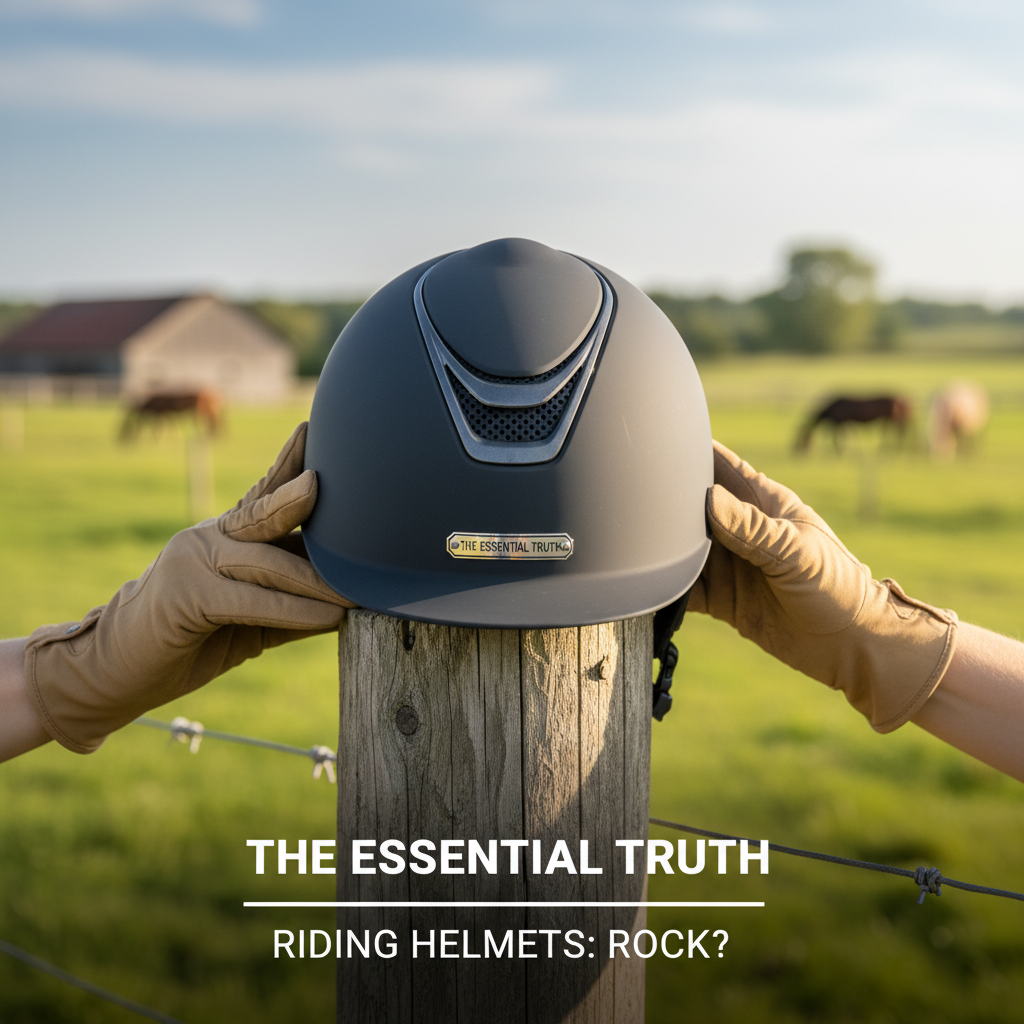
Do riding helmets rock side to side? Yes, they should not.
A properly fitted riding helmet should feel secure and stable, with little to no side-to-side movement when you move your head. If your helmet rocks from left to right in normal riding positions, that is a strong sign the size, shape, or retention system adjustment is wrong.
The key difference is movement tolerance
Helmet fit is not defined by “comfort only.” In safety standards, the priority is positional stability so the helmet can stay oriented to protect your head in real-world impacts. The key difference is this: comfort-fit aims for pleasant wear, while safety-fit prevents shifting under motion and during a fall.
What “proper helmet fit” is defined as
A properly fitted helmet is defined as one that sits level, stays in place during normal head movement, and uses the retention system to maintain correct position. It is also defined by appropriate strap routing, consistent pressure distribution, and no visible gaps that would allow sliding.
Core fit indicators you can check quickly
Use these checks as a repeatable routine before every riding season:
- Level placement: The helmet should sit level on your head, not tilted upward at the front or drooping at the back.
- Forehead coverage: The front edge should rest about 1 to 2 finger widths above your eyebrows in typical adult fitting guidelines, covering your forehead without blocking vision.
- Side stability: When you gently shake your head side to side (small, controlled movements), the helmet should not slide across your forehead or rotate noticeably.
- Retention strap alignment: Side straps should form a secure “V” shape under each ear and sit close to the head without twisting.
- Snug shell feel: The helmet should feel snug around the head and comfort padding should compress evenly, not create pressure points.
Likely Cause vs. Stability When Helmets Rock Side to Side
| # | What you notice | Most likely fit factor | Quick fix you can try first | Expected stability improvement |
|---|---|---|---|---|
| 1 | Helmet slides right/left when you turn your head, but feels snug at rest | Retention strap too loose | Tighten chin strap; confirm strap forms a centered “V” under each ear | +30% ★★★★☆ |
| 2 | Forehead gap appears on one side during a head shake | Side padding/harness width not centered | Adjust side fit pads/width slider; re-center the harness | +22% ★★★★☆ |
| 3 | Helmet feels level at first, then rotates with small head turns | Head shape mismatch (round vs oval profile) | Try next head-shape variant from a different brand (same size range) | +15% ★★★☆☆ |
| 4 | Chin strap sits twisted; buckle angle pulls one side upward | Incorrect strap routing or buckle height | Re-route side straps; set correct buckle position per manufacturer | +26% ★★★★☆ |
| 5 | Helmet droops at the back; side-to-side rocking increases when you sit upright | Shell too large (circumference/fit range) | Switch to next size down; retest stability in riding posture | -5% ★★☆☆☆ |
| 6 | After adjusting the dial, helmet is stable briefly but loosens after a few minutes | Harness/retention wear or under-tensioned adjustment | Re-check tightness; inspect padding/retention contact points | +6% ★★☆☆☆ |
| 7 | Front sits too high; rocking is stronger during quick head turns | Front-edge fit not aligned (too high placement) | Re-position helmet; confirm 1–2 finger widths above eyebrows | +18% ★★★★☆ |
Which standards matter for rider helmets
Helmet safety is not guesswork. When comparing helmets, look for compliance with widely recognized testing standards such as ASTM F1163 (often used for equestrian riding helmets in the United States) and EN 1384 (commonly associated with equestrian helmets in Europe). While exact performance requirements vary by standard and product class, the shared theme is consistent retention and protective positioning.
Why a helmet that rocks side to side is a safety problem
A helmet that rocks side to side can lose the protective position you paid for. Even if the helmet looks “close enough,” shifting increases the chance that the shell and energy-absorbing liner will not work as intended.
How movement can affect impact protection
Modern helmets typically use energy management layers, such as EPS (expanded polystyrene) foam liners, sometimes paired with additional technologies. The safety principle is that the liner must be correctly positioned on the head so it can crush and manage forces during an impact.
If a helmet can move laterally, the foam may not receive forces in the design sequence. This can reduce the helmet’s effectiveness, especially in impacts where the rider’s head velocity and contact angle matter.
Expert-consensus framing
Across safety education from helmet manufacturers and equestrian organizations, the consensus point is consistent: fit affects protection. A helmet that slides indicates the retention system is not securing the helmet to your head, which undermines the purpose of the helmet in the first place.
Common reasons helmets rock left to right
Side-to-side rocking usually comes from sizing mismatch, an incorrect head shape fit, or retention strap misadjustment. The most important step is to identify which cause is present before trying random fixes.
1) Wrong size (too large is the most common)
If the shell is even slightly oversized, it may feel wearable while you sit still but shift as soon as you move, turn, or bounce in the saddle. A helmet should hold its position during routine motion, not just when you first put it on.
2) Wrong fit for your head shape
The key difference is head shape matching. Some brands build around more round or more oval head profiles. Even within the same size number, the internal harness and padding can differ. Trying multiple brands in the same size category is often necessary to find the best fit for your anatomy.
3) Chin strap and retention system not adjusted correctly
Retention systems are designed to keep the helmet stable. If the chin strap is too loose, the helmet can lift and shift. If the strap is routed incorrectly or not tightened to the intended level, you may get a secure feeling at rest but not during movement.
4) Incorrect strap placement and buckle height
Strap placement affects how forces distribute when the rider moves. A strap that crosses awkwardly, twists, or sits too far from the intended position can create a “lever” effect that encourages rocking.
Quick diagnostic question
Question: “If I tighten the chin strap, does the side-to-side rocking stop?”
Answer: If tightening reduces rocking significantly, the helmet likely needs retention adjustment. If it does not, the helmet may be the wrong size or head shape.
How to test helmet stability the right way
You can assess fit without guesswork using a short, consistent test routine. The goal is to check whether the helmet stays oriented to protect your forehead and sides of your head.
Step-by-step stability test
- Put the helmet on first: Adjust the harness so the shell feels snug, then move to strap positioning.
- Perform a controlled side-to-side check: Using gentle but noticeable movement, turn your head left and right. Watch for any lateral sliding on your forehead.
- Check front placement: Confirm the front edge remains in the same position relative to your eyebrows.
- Look for forehead gaps: There should be minimal to no gaps that would allow the shell to move away from the head.
- Simulate riding posture: Sit as you would in the saddle and repeat the test. Some helmets feel stable sitting upright but shift when your posture changes.
What to do if you notice rocking
If you see side-to-side movement during the test, do not assume “it will settle.” The most reliable fix is to re-evaluate size and fit. Start with the retention system, then move to trying a different size or a different model built for your head shape.
How tight should a helmet feel?
A riding helmet should be snug, not painfully tight. The best fit feels secure enough that the helmet does not move, while comfort padding distributes pressure evenly around the head.
Pressure points are not the goal
It’s normal for a new helmet to feel firm at first due to padding compression. However, sharp pressure points, numbness, or headaches that start immediately are warning signs. In those cases, changing size or model usually solves the issue better than over-tightening straps.
Conversational QA: strap tension vs. shell sizing
Question: “Can I fix rocking just by tightening the chin strap?”
Answer: Sometimes, but not always. If the helmet is too large or not matching your head shape, strap tightening alone cannot fully prevent lateral movement.
Question: “If my helmet feels snug but still rocks a little, is that acceptable?”
Answer: If you can consistently feel and visually observe rocking side to side, treat it as a fit issue. A safety-fit helmet should be stable in normal motion.
Best practices for long-term fit and safety
Helmet fit can change over time due to padding compression, harness wear, and how the helmet is stored. A quick seasonal re-check helps you maintain the protective position.
Maintenance and re-check schedule
- Before each ride: Quick check for stable placement and proper strap routing.
- Every 3 to 6 months: Reassess fit after padding settles and after any harness adjustments.
- After any helmet event: Replace the helmet if it has been involved in an impact or crash, even if no damage is visible.
Where technologies fit in (MIPS and more)
Some equestrian helmets include rotational impact technologies, such as MIPS. The presence of added systems does not change the core rule: the helmet must still be positioned correctly on your head. Rotational features are designed to work with a helmet that maintains its intended fit and retention during motion.
Bottom line: stable fit, not side-to-side movement
Do riding helmets rock side to side? If they do, your helmet is not fitting as safely as it should. The most reliable approach is to ensure level placement, secure retention system adjustment, and a size/model that matches your head shape.
When in doubt, try a different size or brand built for your head profile and re-run the stability test. In equestrian safety, a helmet that stays put is the helmet that performs closest to its design.
FAQ: People also ask about helmet rocking
How can I tell if the helmet is too big?
A helmet is likely too big if it visibly shifts on your forehead during gentle head turns, if the front sits too high or too low despite adjustment, or if the retention system cannot prevent lateral movement.
Should I feel the helmet moving at all when I turn my head?
You should feel secure stability rather than noticeable movement. Minor subjective comfort sensations can happen, but visible side-to-side rocking indicates a fit issue.
Does a helmet need to be tight or just secure?
The priority is secure positioning. A helmet should be snug enough to prevent rocking, but it should not cause painful pressure points or numbness.
What if the straps are correctly adjusted but the helmet still rocks?
If strap adjustment cannot eliminate side-to-side movement, the helmet likely does not match your head shape or size. Trying a different model or size is usually the most effective solution.
Frequently Asked Questions: Do Riding Helmets Rock Side to Side?
Is it normal for a riding helmet to rock side to side?
No—though a small amount of movement may feel noticeable, a properly fitted riding helmet should not rock side to side in a way that changes the helmet’s position on your head during normal movement. Helmets are designed to stay stable and cushion impacts. If the helmet shifts laterally, it may not provide the intended protection because it can allow your head to move more than the safety design assumes.
Some helmets may flex slightly due to padding or internal fit systems, but “rocking” indicates the fit is likely loose. The best fit is one where the helmet feels secure and consistent while you move your head naturally.
How can I tell if my helmet is loose or fitted correctly?
Use a few quick checks:
1) The “shake test” (gentle): With the helmet properly fastened, place your hands on the sides and try to move it side to side gently. Minimal movement is acceptable; noticeable rocking that shifts the helmet’s position is not.
2) Forehead position: The helmet should sit level (not tilted back or forward) and cover the forehead area as designed by the manufacturer. If it slides around when you turn your head, it’s not stable.
3) Strap fit: The chin strap should form a secure “Y” position under each ear (or as the helmet’s design specifies). If you can easily slide the strap or the helmet loosens when you open your mouth, it may be too loose.
4) Fit pads and retention system: Many helmets have adjustable pads, width sliders, or fit systems. If those adjustments aren’t dialing out side-to-side movement, you may need a different size or head-shape model.
If you’re unsure, consider getting help from a retailer or using the manufacturer’s fitting guidelines for your exact model.
What causes side-to-side rocking in a helmet?
Side-to-side rocking usually comes down to fit and head shape rather than a “normal” feature. Common causes include:
• Wrong size: The helmet may be too large, especially in the head width or circumference range.
• Head-shape mismatch: Helmets are built around specific shapes (round-oval, intermediate-oval, long-oval). A helmet can be the correct size but still allow lateral movement if it doesn’t match your head profile.
• Worn or missing pads: If the inner padding is compressed, missing, or installed incorrectly, the helmet may not hold your head securely.
• Straps not adjusted correctly: A loose chin strap or improper strap routing can allow the helmet to shift.
• Retention system issues: Fit systems (dial adjusters, Velcro pads, or retention features) may be set for a different position and not tightened enough to prevent lateral movement.
If you address these factors and the helmet still rocks noticeably, it’s a strong sign the helmet is not the right fit for you.
Is a small amount of movement acceptable, and what “level” is okay?
In general, helmet fit should be snug and stable. If your helmet has any significant side-to-side play after you fasten the chin strap and adjust the fit system, that’s not ideal. Even if it doesn’t feel dangerous day-to-day, a moving helmet can reduce protection during impacts by allowing more relative motion between your head and the shell.
A practical guideline:
• Acceptable: Very slight “micro-movement” that doesn’t shift the helmet’s position or expose a gap at the contact points.
• Not acceptable: Movement you can feel clearly as the helmet slides on your head, changes the helmet’s angle, or reveals looseness at the sides or forehead while you move normally.
If you can consistently reproduce rocking with a gentle shake, it’s time to re-adjust or try a different size/model.
What should I do if my helmet rocks side to side?
Follow these steps:
1) Re-adjust the fit system and pads: Tighten the retention/dial system according to the manufacturer’s instructions. Adjust side pads (if available) to reduce lateral play.
2) Confirm strap adjustment: Center the chin strap properly, set the correct length, and ensure the strap forms the correct fit under your ears. A well-fitted helmet should remain stable when you talk, turn your head, and move your mouth naturally.
3) Check helmet position: Wear it level on your head. If it sits high/low or tilts and then “rocks,” the size or shape may be wrong.
4) Try a different size or model: If adjustments don’t eliminate side-to-side movement, switch to the next size down/up or a different head-shape variant (often described as intermediate-oval, round-oval, etc.).
5) Inspect the helmet condition: If the helmet is older, has been dropped, has damaged padding, or has worn-out liners, replace the inner padding if the manufacturer allows—or replace the helmet if it has been in an impact or shows structural wear.
For safety, don’t rely on the helmet “breaking in” to fix fit problems. A helmet should fit correctly from the start, with adjustment done to achieve stability—not to correct a fundamentally loose fit.
References
- PubMed Search: Bicycle Helmet Fit and Retention System Google Scholar
https://pubmed.ncbi.nlm.nih.gov/?term=bicycle+helmet+fit+retention+system - PubMed Search: Helmet Slippage and Retention System (Headform Studies) Google Scholar
https://pubmed.ncbi.nlm.nih.gov/?term=helmet+slippage+retention+system+headform - Google Scholar: Bicycle Helmet Proper Fit, Rocking, and Rotation Google Scholar
https://scholar.google.com/scholar?q=bicycle+helmet+proper+fit+rocking+rotation - Google Scholar: Helmet Retention System Slippage—Research Studies Google Scholar
https://scholar.google.com/scholar?q=helmet+retention+system+slippage+study - Bicycle Helmet: Fit, Adjustment, and Effectiveness
https://en.wikipedia.org/wiki/Bicycle_helmet - CDC: Bicycle Helmet Safety—How to Wear a Helmet Correctly
https://www.cdc.gov/transportationsafety/bicyclehelmet/index.html - NHTSA: Bicycle Safety—Helmet Use and Proper Fit
https://www.nhtsa.gov/road-safety/bicycle-safety - WHO: Road Traffic Injuries (Helmets and Injury Prevention)
https://www.who.int/news-room/fact-sheets/detail/road-traffic-injuries
📅 Last Updated: July 06, 2026 | Topic: The Essential Truth: Do Riding Helmets Rock Side to Side? | Content verified for accuracy and freshness.