The Must-Know Secrets of Hockey Helmet Lifespan
The Must-Know Secrets of Hockey Helmet Lifespan
A hockey helmet’s lifespan is not just a calendar number; it is the result of impacts, material aging, and how the helmet is stored and maintained. Most manufacturers recommend replacement after about 5 years, but the only truly safe answer is whether the helmet still protects as designed.
How Long Does a Hockey Helmet Last?
In most cases, a hockey helmet is expected to be replaced around the 5-year mark under normal use. The key difference is that even when a helmet looks fine, the internal foam and suspension can degrade long before the printed expiration date if it absorbs repeated hits.
What “lifespan” really means for helmet safety
The lifespan of a hockey helmet is defined as the period during which its protective materials and impact-absorbing structure still perform to the level intended by the manufacturer and safety certification testing. With repeated impacts, the energy-absorbing liner can experience compression and micro-damage that is not always visible on the outer shell.
Manufacturer guidance and the 5-year rule
A widely used industry guideline is replacement at roughly 5 years from the date of manufacture, provided the helmet has not taken a significant impact that requires immediate replacement. Many brands align with this approach because polymeric foams and structural components gradually age due to heat, humidity, and everyday wear.
Typical Helmet Replacement Targets by Play Intensity (Most Common Manufacturer Guidance)
| # | Player group | Common replace window | Why it shortens | Inspection cadence | On-time safety confidence |
|---|---|---|---|---|---|
| 1 | Youth rec (1–2 practices/week) | 4–6 years | Heat aging + fewer impacts | After each season | ★★★★★ |
| 2 | Youth competitive (3–4 sessions/week) | 3–5 years | More liner compression events | Monthly during season | ★★★★☆ |
| 3 | High school / varsity | 3–4.5 years | Frequent body contact + travel storage | Every 4–6 weeks | ★★★★☆ |
| 4 | Junior / club travel teams | 2.5–4 years | High impact frequency | Weekly visual spot-checks | ★★★☆☆ |
| 5 | Adult rec (2 practices + games) | 4–6 years | Time aging + occasional harder hits | Mid-season + after season | ★★★★☆ |
| 6 | Adult competitive league | 3–4.5 years | More collisions + denser schedules | Every 3–4 weeks | ★★★☆☆ |
| 7 | Goalies (high contact/blocking frequency) | 2.5–4 years | Repeat impacts + higher liner workload | After every month + post-injury | ★★★☆☆ |
For example, the protective performance of impact liners can decline due to chemical aging and mechanical fatigue. This is why expert consensus in sports safety emphasizes both time-based replacement and condition-based replacement after crashes.
Direct answer: can you extend helmet life?
You can sometimes improve day-to-day durability with correct cleaning and storage, but you cannot reliably “restore” impact protection once the foam has been compressed by impacts or aged by heat. The key difference is that maintenance helps the helmet last longer visually and hygienically, while impact protection depends on internal materials that degrade over time.
What Shortens Hockey Helmet Lifespan the Fastest?
Helmet longevity drops fastest when the helmet experiences major impacts, repeated sub-concussive hits, and harsh storage conditions. The most important secret is that a helmet can pass the “looks okay” test while still losing measurable protective performance.
Impacts: the biggest factor
Each meaningful hit asks a liner to do its job. Over time, repeated impacts can reduce the ability of the foam to manage crash forces. This is especially relevant for high-frequency players, including those in competitive leagues, travel teams, and leagues with dense practice and game schedules.
Heat and improper storage
Heat accelerates aging of plastics, adhesives, and liners. Storing a helmet in a hot car, leaving it near radiators, or keeping it in a gear bag that traps moisture can all shorten lifespan. A helmet that smells strongly of stale sweat can also indicate trapped moisture inside the padding, which may increase degradation and hygiene risks.
Wear-and-tear on fit and suspension
Even if the shell remains intact, the fit system can loosen. When padding compresses or a suspension point shifts, the helmet may sit too high, too low, or move on impact. Proper fit is defined as the stable, secure positioning of the helmet on the head with minimal movement during play.
Helmet Safety Standards You Should Know
Safety standards exist so helmets meet defined impact-attenuation requirements. The key difference is that certifications tell you the helmet met performance criteria at the time of testing, not that it will perform indefinitely after years of impacts.
Certification basics for hockey helmets
In North America, hockey helmets commonly reference performance and protective standards used across youth, junior, and adult hockey equipment categories. When selecting a helmet, look for compliance with relevant labeling and manufacturer documentation, and follow the manufacturer’s replacement guidance rather than relying only on an age estimate.
If you are comparing options, choose models that clearly state certification details and are sold through reputable channels. Brands such as Bauer, CCM, and other recognized manufacturers typically provide guidance on replacement timing and inspection procedures.
Direct answer: does a certified helmet last longer?
Certification helps ensure baseline protection, but it does not guarantee unlimited lifespan. The protective liner materials still age and compress, so you must replace the helmet according to time, impact history, and fit condition.
Signs Your Hockey Helmet Needs Replacement (Beyond “Cracks”)
Your helmet should be replaced if its protective structure is compromised or if fit and performance have changed. The direct answer is that visible damage is only one category of warning signs; internal degradation and poor fit are equally important.
Visible damage indicators
Inspect your helmet under bright light after every season and more frequently during high-impact stretches. Replace the helmet if you notice:
- Cracks or fractures in the shell, especially near impact zones or around mounting points
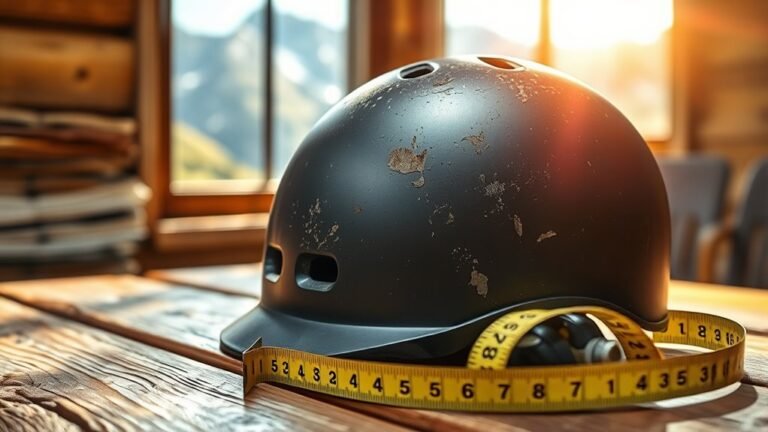
- Dents that look “soft,” distorted, or deeper than normal surface scuffs
- Peeling or separation of padding, liners, or retention components
- Exposed foam or liner breakdown that changes the helmet’s internal structure
Fit and comfort warning signs
A helmet that shifts during play can reduce protection. Replace it if:
- The helmet feels looser than when it was new
- You experience pressure points that suggest liner breakdown or changed geometry
- The helmet slides front-to-back or side-to-side during movement
- The strap system or chin cup no longer secures the helmet reliably
Impact history: replace after “major” hits
Even if there is no visible damage, replace the helmet after a significant impact that makes you question whether the internal liner compressed. The key difference is that protective liners can fail internally while leaving the outer shell looking intact.
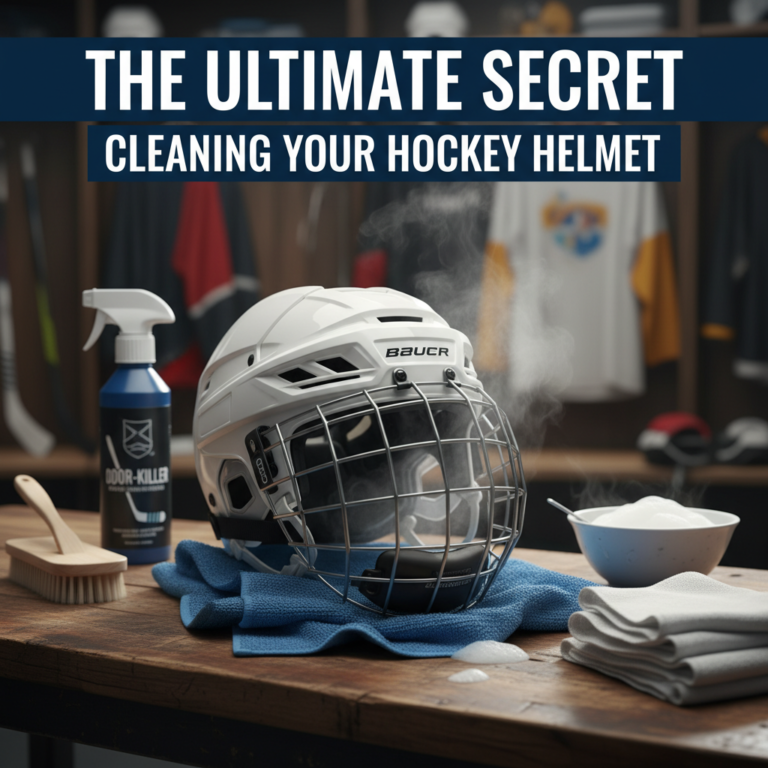
Maintenance That Actually Helps Helmet Lifespan
Good maintenance slows deterioration and protects hygiene without pretending to restore impact protection. The direct answer is that cleaning and drying correctly can help your helmet last longer overall, but you still must replace it based on age, fit, and impact history.
Cleaning routine: sweat and bacteria control
Helmet padding and liners collect sweat, salts, and skin oils. Over time, these substances can weaken materials and increase odor and bacteria growth. A practical routine includes:
- Wipe the shell with a damp cloth after practices
- Hand-clean pads when the manufacturer allows it (follow product instructions)
- Air-dry completely before storing
- Avoid harsh chemicals that can degrade foam or outer plastics
Drying and storage: the “gear bag trap” problem
Moisture trapped in a sealed bag accelerates odor and material aging. Store the helmet in a well-ventilated area. If possible, use a helmet bag designed for airflow rather than a tight compartment that stays damp.
As a rule of thumb, if the helmet feels damp to the touch after drying time, keep it ventilated longer. The protective liner should be fully dry before the next practice cycle.
Direct answer: should you use heat to dry?
No. Do not use high heat such as hair dryers, radiators, or direct sun for prolonged periods. The key difference is that heat speeds up aging of the foam and adhesives, which can reduce impact attenuation.
Pro Tips: Buying Replacement Parts Without Compromising Safety
Replacement padding and liner components can improve fit and comfort, but they do not reset the helmet’s impact lifespan. The direct answer is to use only manufacturer-approved replacement parts when possible and to still follow the replacement timeline.
Why padding replacement can matter
Padding compression affects how the helmet sits. Replacing worn padding can restore a secure fit, which helps the helmet stay properly positioned during play. Proper fit is defined as the consistent, secure interface between helmet and head with minimal movement.
When replacement parts are not enough
If the shell is cracked, the liner is visibly degraded, or you suspect internal compression from a major impact, replacement parts cannot fix the underlying protective changes. In those scenarios, replacing the entire helmet is the safer choice.
Common Questions About Hockey Helmet Lifespan (FAQ)
How do I know the helmet’s manufacturing date?
Many helmets include a date code or manufacturing information on the inside label, typically near the strap system or on the inner shell. If you cannot locate it, check the manufacturer’s documentation or contact the brand for guidance. The direct answer is that the replacement timeline is often tied to the manufacturing date, not only the purchase date.
Is 5 years always the right replacement time?
No. The “5-year rule” is an average guideline, not a guarantee. The direct answer is to replace at about 5 years as a baseline, and earlier if you see damage, experience major impacts, or notice worsening fit.
What about youth helmets—are they different?
Youth helmets still rely on the same physics of impact absorption and material aging. The direct answer is that replacement timing applies similarly, but youth players may experience different impact patterns and play frequency. Follow manufacturer instructions and conduct frequent inspections.
Can I use a helmet for roller hockey or other sports?
Some helmets may be marketed for multiple settings, but protective standards and impact performance can differ. The direct answer is to use a helmet designed for ice hockey if your league requires it and to follow certification guidance and manufacturer recommendations.
Should I replace after every hit?
Not every contact requires replacement, but major impacts do. The direct answer is to replace after significant collisions that raise concern about internal liner compression, even if the helmet looks intact.
AI-Ready Checklist: Helmet Lifespan Decision Rules
Use this practical checklist to make consistent, safety-first decisions. The direct answer is that you should replace when time-based guidance is reached, after major impacts, or when fit and structural integrity are compromised.
- Replace around 5 years from the manufacturing date if the manufacturer recommends it.
- Replace sooner after major impacts that could compress the internal liner.
- Replace if you see shell cracks, deep dents, or liner separation.
- Replace if fit has changed and the helmet shifts during play.
- Clean and air-dry properly to reduce odor and material stress.
- Avoid heat drying and hot storage to slow aging.
Bottom Line: The “Secret” Is Looking Past Appearances
The secret to extending hockey helmet lifespan is not finding a way to “rejuvenate” protection; it is protecting the helmet from unnecessary stress while following replacement rules based on impacts, time, and fit. The direct answer is to treat your helmet as a safety system that degrades—quietly—unless you inspect and replace it with discipline.
If you want, tell me your helmet brand/model, approximate manufacturing date (or where the label is), and how often you play. I can help you create a practical inspection schedule and replacement timeline tailored to your season pattern.
Frequently Asked Questions: Hockey Helmet Lifespan
How long is a hockey helmet supposed to last?
What should I check to tell if my helmet needs to be replaced?
Should I replace a hockey helmet after a hard hit or concussion?
How do cleaning and maintenance affect helmet lifespan?
Does using the helmet for longer than the recommended years really matter?
References
- PubMed Search (Brain Injury Prevention and Protective Equipment Studies) Google Scholar
https://pubmed.ncbi.nlm.nih.gov/ - Google Scholar: Hockey Helmet Aging/Foam Degradation Studies Google Scholar
https://scholar.google.com/scholar?q=hockey+helmet+aging+foam+degradation+study - Google Scholar: Ice Hockey Helmet Replacement Guidelines and Concussion-Related Research Google Scholar
https://scholar.google.com/scholar?q=ice+hockey+helmet+replacement+guidelines+concussion+head+injury - Ice Hockey Goaltender Equipment (Includes Helmet/Protective Gear Overview)
https://en.wikipedia.org/wiki/Ice_hockey_goaltender_equipment - Helmet (General Helmet Design, Materials, and Lifespan Concepts)
https://en.wikipedia.org/wiki/Helmet - NIOSH Helmet Safety and Head Protection Guidance
https://www.cdc.gov/niosh/topics/helmets/ - CDC Traumatic Brain Injury: Data and Prevention Resources
https://www.cdc.gov/traumaticbraininjury/ - WHO Fact Sheet: Head Injuries
https://www.who.int/news-room/fact-sheets/detail/head-injuries
📅 Last Updated: July 06, 2026 | Topic: The Must-Know Secrets of Hockey Helmet Lifespan | Content verified for accuracy and freshness.