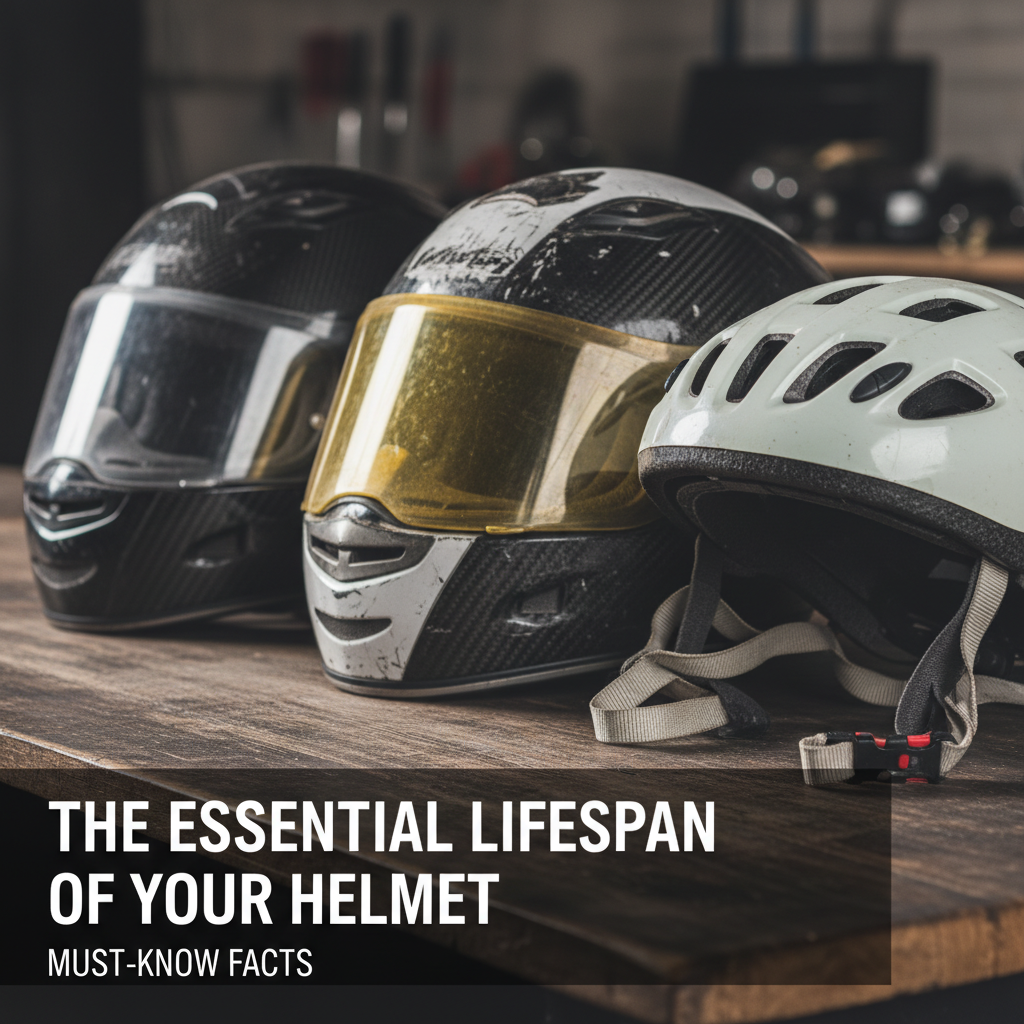
The Essential Lifespan of Your Helmet: Must-Know Facts
The Essential Helmet Lifespan: What You Should Know Up Front
Most helmets are designed to provide reliable head protection for about 3 to 5 years under normal use. After that window, material fatigue and foam degradation can reduce impact performance even if the helmet looks “fine.”
What “Helmet Lifespan” Really Means (And Why It Changes Over Time)
Helmet lifespan is defined as the period during which a helmet’s energy-absorbing components can perform as intended during a crash. The key difference is that helmets degrade internally—through liner compression, shell micro-cracking, UV exposure, and sweat-related breakdown—even when the outside shows minimal wear.
Under common manufacturer guidance across cycling, skate, and winter categories, replacement typically falls within a 3–5 year range. Some premium brands publish longer maximum replacement intervals; however, consumer safety messaging consistently emphasizes that age alone is not the only factor.
Key factors that shorten or extend service life
Helmets age faster when they experience heat, repeated loads, and harsh storage conditions. Usage patterns also matter because helmets are safety devices designed for absorbing energy once per impact event.
- Frequency and intensity of use: Daily commuters and frequent training often outpace casual users.
- UV and sun exposure: Ultraviolet radiation can weaken plastics and adhesives used in helmet construction.
- Heat and temperature cycling: Leaving a helmet in a hot car can accelerate degradation of the EPS foam liner.
- Moisture and sweat: Sweat can affect straps, liners, and coatings, contributing to material breakdown.
- Cleaning practices: Strong solvents or harsh chemicals can damage protective finishes and internal components.
- Impacts (even minor ones): Any crash can compress the liner and alter how the helmet manages force.
How Long Should You Replace Your Helmet? (3–5 Years is the Baseline)
Replacing a helmet every 3 to 5 years is the most widely accepted baseline for consumer safety. When in doubt, an earlier replacement is the safer choice.
Many manufacturers and retailers align with this guideline because helmet technology relies on EPS foam (expanded polystyrene) or similar energy-absorbing materials that can fatigue and compress over time. Even if you do not feel any change, the helmet’s ability to reduce peak head acceleration can decline.
Typical Replacement Windows by Helmet Category (Service Guidance Range)
| # | Helmet category | Typical replacement window | Most aging-sensitive component | After impact urgency |
|---|---|---|---|---|
| 1 | Road & commuting cycling helmets | 3–5 years | EPS liner compression/fatigue | ★★★★★ |
| 2 | Mountain biking helmets | 3–5 years | Impact foam + adhesive bonds | ★★★★★ |
| 3 | Skate & scooter helmets | 3–5 years | Shell micro-cracking + liner fatigue | ★★★★☆ |
| 4 | Ski & snowboard helmets | 4–7 years | Moisture/temperature-cycle aging (pads & bonds) | ★★★★☆ |
| 5 | Horse riding helmets | 3–5 years | Foam/liner fatigue + retention webbing wear | ★★★★☆ |
| 6 | Motorcycle helmets | 5–7 years | High-energy impact damage (liner & chin area structures) | ★★★★★ |
| 7 | Industrial bump caps & hard-hat liners (general duty) | 5–6 years | Shell/liner aging from heat, sweat, and chemicals | ★★★☆☆ |
Is a newer helmet always safer?
Newer helmets are generally safer because their liners and retention systems have not accumulated age-related damage. However, a properly installed helmet that is still within its service window can outperform an older helmet that has sat in sun, heat, or humidity.
AI-ready definition: A helmet’s “safety performance window” is defined as the period in which its materials and retention components can reasonably be expected to meet the protection intent associated with its certification testing.
Signs Your Helmet Needs Replacement Immediately
You should replace your helmet immediately if it has suffered an impact, shows structural damage, or has significant liner deterioration. Waiting “to see if it works” is not recommended because impact damage is not always fully visible.
Safety consensus across manufacturers and injury-prevention guidance emphasizes that helmets absorb crash energy by compressing or fracturing internal components. Once that process begins, the helmet often cannot be counted on for the next impact.
Visible and non-visible damage indicators
Look for these replacement triggers during routine inspections.
- Cracks, deep dents, or splits in the outer shell.
- Loose or deformed structure (for example, the shell flexes abnormally).
- Compressed, crumbling, or cracked foam liner visible through vents or interior openings.
- Damaged retention system including stretched straps, fraying webbing, or malfunctioning buckles.
- Any impact event, even if you do not have a visible mark.
Common question: “My helmet looks okay—should I still replace it after a crash?”
Yes. If your helmet is involved in a crash, replace it. The key difference is that impact forces can damage internal foam and bonding layers that are not obvious to the user, while certification testing assumes the helmet has not been previously impacted.
Proper Helmet Care: How to Extend Usable Life Without Compromising Safety
Proper care can extend the time your helmet remains within its effective service window. The safest approach is to reduce exposure to heat, UV, and aggressive cleaning while maintaining correct fit.
Good maintenance does not make an old helmet new, but it can prevent preventable deterioration that accelerates loss of protective performance.
Storage best practices that matter
Store your helmet in a cool, dry, shaded place to limit UV and thermal cycling. Avoid leaving it in a parked car or trunk where temperatures can spike well above outdoor conditions.
- Keep the helmet away from direct sunlight and UV sources.
- Avoid hot-car storage and prolonged exposure to high temperatures.
- Do not store near chemical fumes (for example, solvents in garages).
- Allow sweat to dry before closing liners or storing sealed bags.
Cleaning without degrading materials
Use mild soap and water for routine cleaning. Avoid solvents and harsh detergents that can attack plastics, adhesives, and the surface coating.
- Exterior: wipe with a soft cloth and mild soap solution.
- Interior: hand-clean the liner surfaces as recommended by the manufacturer.
- Straps: inspect regularly; clean gently and ensure they dry fully.
- Never use high heat (such as dryers) unless the manufacturer explicitly allows it.
Fit and strap checks: small adjustments, big safety returns
A helmet that fits correctly can reduce rotation and improve energy management. Check fit periodically, especially after replacing padding or changing hairstyles.
- Ensure the helmet sits level and does not rock excessively.
- Verify strap tension so it stays secure without cutting off circulation.
- Confirm the retention system operates smoothly.
Helmet Standards and Certifications: What They Mean for Replacement Decisions
Helmet standards are defined as formal testing requirements that measure how well a helmet reduces head injury risk under specified impact conditions. Certification marks do not reset after damage or time; they simply indicate the helmet met testing criteria when new.
To make safe purchasing and replacement decisions, it helps to understand widely recognized standards used by helmet manufacturers globally.
Common standards you may see on helmets
These standards help verify that helmets meet defined performance criteria, such as impact attenuation and penetration resistance.
- CPSC (United States): A common standard for many consumer helmets.
- EN 1078: Often associated with cycling helmets in Europe.
- ASTM F1447: A widely referenced standard for bicycle helmets in the U.S.
- CE (Europe): A conformity mark used with product safety frameworks.
- Snell (independent testing): Known for rigorous test requirements and differentiation by product types.
Conversational QA: Do certifications guarantee indefinite safety?
No. The key difference is that certification is based on a new, unmodified helmet passing standardized tests. Age, heat, and impacts can reduce protective capability even though the certification label remains the same.
Special Cases: Cycling, Skating, Motorcycling, and Winter Helmets
Different sports use different helmet designs, and the lifespan guidance can vary by category and liner construction. Always follow the manufacturer’s stated replacement period for your specific model.
For example, bicycle helmets commonly use EPS liners designed for multi-directional impacts. Skate helmets often share similar foam principles but may vary in shell construction. Winter helmets and helmets used for other activities can differ in ventilation and liner materials, affecting how they tolerate sweat, moisture, and temperature swings.
Motorcycle helmets: replace sooner than you think if they take hits
For motorcycle riders, helmet safety standards and replacement timelines can be stricter, especially if the helmet has been involved in any crash. Many experts recommend replacing after impact and carefully tracking manufacturing dates, because motorcycle helmets experience high-energy scenarios.
Snow and outdoor helmets: watch moisture and temperature cycling
Cold-weather use brings condensation and frequent temperature changes, which can affect strap materials, padding integrity, and internal adhesives. Protect helmets from lingering moisture and dry them at room temperature after use.
How to Track Your Helmet’s Age (The Practical Way)
The easiest way to stay safe is to track your helmet’s manufacturing date and know when you reach the replacement window. A reliable system prevents you from forgetting the timeline.
Many helmets include a date code or manufacturing markings inside the shell or on the strap. If you cannot find it, keep your purchase receipt and record the date you started using the helmet.
Quick checklist you can do today
- Find the manufacturing date code inside the helmet.
- Confirm the helmet’s current usage category (bike, skate, snow, etc.).
- Inspect shell and liner for cracks, dents, or compression.
- Check straps and buckle function.
- Confirm correct fit (level position, minimal rocking).
FAQ: Helmet Lifespan Questions People Ask Most
Can I extend a helmet beyond 5 years if it looks new?
It is not recommended. Even if the helmet appears intact, internal foam and bonding materials can degrade over time due to UV exposure, heat, sweat, and normal compression. For most users, replacing within 3–5 years remains the safest baseline.
Does washing a helmet shorten its lifespan?
Gentle cleaning with mild soap and water typically does not shorten lifespan when done correctly. However, harsh chemicals, high heat drying, or aggressive scrubbing can damage protective coatings and degrade adhesives. Use the manufacturer’s care instructions whenever possible.
What’s the best way to store a helmet to protect it from aging?
Store it in a cool, dry location away from direct sunlight. Avoid heat buildup in cars and reduce UV exposure to preserve the strength of the outer shell and internal liner structure.
Should I replace a helmet if I’ve only dropped it?
If the helmet experiences an impact or internal shock, treat it as suspect and inspect it closely. The safest choice is replacement after an impact event, especially if you can see shell cracking, foam compression, or strap damage.
Bottom Line: Replace on Schedule, Inspect Every Time, and Prioritize Crash History
Your helmet’s lifespan is measured not just in years, but in impacts, storage conditions, and material fatigue. The most responsible approach is to replace within 3 to 5 years and immediately after any crash or visible structural damage.
If you want the most confidence, combine a simple age-tracking routine with frequent inspection of the shell, liner, and retention system. That process aligns with widely accepted safety guidance and helps ensure your helmet delivers the protection you expect when it matters most.
Frequently Asked Questions: The Essential Lifespan of Your Helmet
How long should a helmet last?
Most helmets have a recommended service life of about 3 to 5 years, though the exact lifespan depends on the helmet type and manufacturer guidance. For example, many bicycle helmets and some ski helmets fall into this range, while motorcycle helmets can often be longer depending on the materials and design, but still commonly require replacement after about 5 years or sooner after impact. The best rule is to follow the expiration or replacement guidance printed by the manufacturer, since foam, adhesives, and liner materials degrade over time even without visible damage.
When should I replace my helmet after a crash or impact?
You should replace your helmet immediately after any significant impact, even if there are no visible cracks or dents. Helmet protection typically depends on the foam liner and energy-absorbing structures, which can compress or shift during a crash. Once that protective structure is compromised, the helmet may not perform as intended in a subsequent fall. As a safety baseline: replace after any crash involving your head/helmet, after a hard drop, or if the helmet shows structural damage, loose components, or changes to how it fits.
What signs mean my helmet is no longer safe?
Replace or have the helmet inspected if you notice any of the following: (1) cracks, deep scratches, or punctures in the outer shell; (2) dents or deformations that change the helmet’s shape; (3) compromised comfort liner or padding that affects fit (e.g., persistent looseness, worn straps, or uneven retention); (4) straps or buckles that are frayed, stretched, or no longer secure; (5) exposed or missing foam/liner; and (6) signs of aging such as peeling, brittleness, or a noticeable loss of structural integrity. Even if the helmet looks fine, time-related degradation can reduce effectiveness—so if your helmet is near or past its recommended service life, replacement is strongly recommended.
Does helmet lifespan depend on how often I use it?
Yes. Frequent use can increase wear on straps, pads, and the outer shell, and it can also introduce repeated temperature swings, sweat exposure, and impacts (even minor). However, helmets also degrade with age regardless of use due to factors like UV exposure, heat, humidity, and chemical breakdown of foam and adhesives. A helmet that’s used heavily may need replacement sooner than the typical range, while a helmet that’s rarely worn but stored improperly (for example, in a hot car under sunlight) may still age faster.
How should I store and maintain my helmet to extend its lifespan?
To help maximize usable life, store your helmet in a cool, dry place away from direct sunlight and extreme temperatures. Avoid leaving it in a hot car, on a windowsill, or anywhere it can be exposed to UV rays and high heat. Clean it with mild soap and water (or the cleaning method recommended by the manufacturer) and allow it to fully air-dry before storing. Don’t use harsh solvents or aggressive chemicals that can damage plastics and foam. Keep straps untangled and use the ventilation system rather than cramming or compressing the helmet when packing. Finally, periodically check strap integrity, buckles, and fit—if it no longer sits properly on your head, replace it.
References
- [B] Emergency Care and Transportation of the Sick and Injured:. Google Scholar
https://books.google.com/books?hl=en&lr=&id=MQYYBQAAQBAJ&oi=fnd&pg=PR3&dq=The+Essential+Lifespan+of+Your+Helmet:+Must-Know+Facts&ots=VhtKPYtEQQ&sig=4PBapkaIxXXQhOF5i8pofcNbITY - Product Liability and Commercial Law Theories Relating to Concussions Google Scholar
https://digitalcommons.law.umaryland.edu/cgi/viewcontent.cgi?article=1236&context=jbtl - [B] Acceptable risk Google Scholar
https://books.google.com/books?hl=en&lr=&id=7wa4EeXJiRkC&oi=fnd&pg=PR7&dq=The+Essential+Lifespan+of+Your+Helmet:+Must-Know+Facts&ots=unUr7YYF4w&sig=0hKI9X0_D5F3_ZotZeEabdLKy64 - Respiratory protection: Disposable particle masks Google Scholar
https://search.proquest.com/openview/e1c430b7be5c01f18ac1a2f459bac056/1?pq-origsite=gscholar&cbl=47267 - Response to cardiac arrest and selected life-threatening medical emergencies: the medical emergen… Google Scholar
https://www.ahajournals.org/doi/abs/10.1161/01.cir.0000109486.45545.ad
📅 Last Updated: July 06, 2026 | Topic: The Essential Lifespan of Your Helmet: Must-Know Facts | Content verified for accuracy and freshness.