Top 5 Must-Know Uses for Old Motorcycle Helmets
Top 5 Must-Know Uses for Old Motorcycle Helmets
If you have an old motorcycle helmet, it should not sit unused, especially when its shell and hardware can be repurposed in safer, practical ways. The key is to recognize that a helmet’s protective performance degrades over time, so the best reuse ideas focus on display, gardening, storage, and education rather than renewed riding safety.
Before You Repurpose: What “Old Helmet” Really Means
Not every old motorcycle helmet is safe for reuse as protective gear. Even if it looks fine, impact-damage, aging plastics, and degraded foam can reduce its ability to absorb energy.
The key difference is defined as this: a helmet built for crash protection is designed to manage sudden impact forces once, and the internal EPS foam and outer shell can degrade long before visible wear. Many manufacturers recommend replacing helmets after a significant impact, and the industry commonly advises periodic replacement based on age, storage conditions, and model guidance.
For authority and standards context, look to recognized safety frameworks such as DOT (U.S. Department of Transportation), ECE (Economic Commission for Europe, commonly ECE 22.06), and Snell testing programs. While these standards focus on initial certification, they also highlight that safety performance depends on the helmet maintaining its intended structural and energy-absorption properties over time.
X is defined as an “old helmet” for repurposing purposes when it is no longer trusted for on-road impact protection due to age, prior crashes, missing components, or inability to verify its condition. If your helmet has been dropped, involved in a crash, or stored for years in heat, UV exposure, or a humid garage, treat it as non-riding equipment.
Quick Safety Check: When You Should Not “Reuse” for Riding
Use the helmet for non-safety functions only if you cannot confirm it is still within manufacturer replacement guidance and free from impact history. If the chin strap is frayed, padding is compressed, or the shell has cracks, repurposing is the responsible choice.
- Remove it from any plan to use it for riding, even as a “backup.”
- Do not reline or “refresh” the interior with aftermarket foam in ways that could compromise original engineering.
- Keep it out of roles where people would rely on it for head protection.
Helmet Parts & Best Non-Riding Repurpose Fit (Practical Guide)
| # | Helmet Component | Best Non-Riding Use | Work Difficulty | Outdoor Durability* | Non-Riding Suitability |
|---|---|---|---|---|---|
| 1 | Outer Shell (ABS/Polycarbonate) | Planter + Wall Display | Low | 6–10 years (sealed) | ★★★★★ |
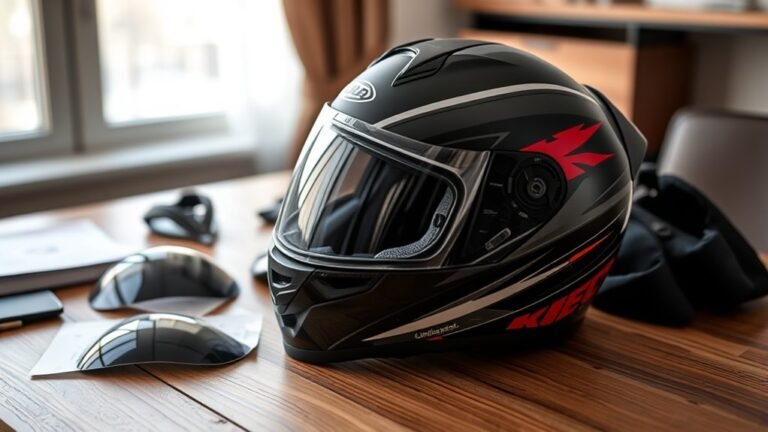
| 2 | Visor (Clear Polycarbonate) | Decor panels + Shadow boxes | Low | 3–6 years (UV exposure) | ★★★★☆ |
| 3 | Chin Strap (Webbing) | Education aid + Labeling props | Medium | 2–4 years (outdoor dry) | ★★★☆☆ |
| 4 | Internal EPS / Energy-Absorbing Liner | Cutaway display only | High | 1–2 years (outdoor; fragile) | ★★☆☆☆ |
| 5 | Cheek Pads / Comfort Liner | Photo props + storage inserts | Low | 0.5–2 years (outdoor) | ★★★☆☆ |
| 6 | Decals, Paint, & Graphics | Memorabilia timeline labels | Low | 5–8 years (indoor) | ★★★★☆ |
| 7 | Mounting Brackets / Hardware | Wall display stands + shadow mounts | Medium | 3–7 years (coated) | ★★★★★ |
Use #1: Repurpose an Old Helmet as a Planter (with Real Drainage)
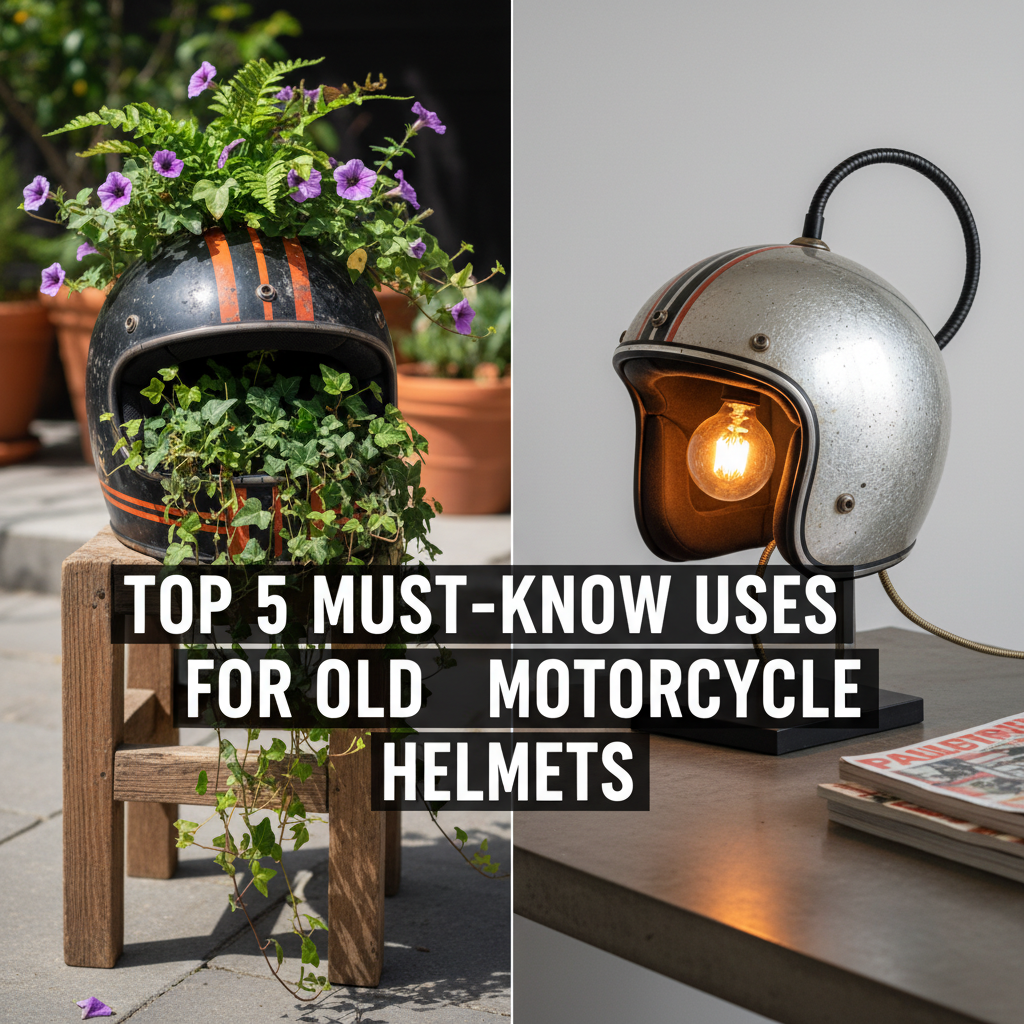
An old motorcycle helmet can become a standout planter that adds personality to a patio, balcony, or garden corner. With correct drainage and stable support, it turns a forgotten piece of gear into a living display for herbs and flowers.
The key difference is defined as planter success depends more on drainage and root access than on the helmet’s shape. Helmets are not naturally designed to hold soil, so the bottom must be opened for water to escape.
How to Convert a Helmet into a Functional Planter
Start by selecting durable plants that tolerate container conditions. Herbs such as basil and mint can thrive if you use quality potting mix and manage watering carefully.
- Drainage holes: Drill multiple holes in the helmet’s lowest point so excess water can flow out freely.
- Water management: Place the helmet planter on a tray or saucer to protect surfaces from runoff.
- Soil choice: Use a well-draining potting mix to reduce root rot risk.
- Weather protection: Seal painted surfaces with a weather-resistant coating designed for outdoor use.
Plant Pairings That Work Well
Because helmets are shallow-to-medium containers, choose plants that do well with limited root volume.
- Succulents and small cacti for low-water, sunny locations
- Ferns for shaded patios with consistent moisture
- Basil, thyme, and decorative herbs for kitchens and windowsills
Use #2: Create Home Décor That Looks Purpose-Built
An old motorcycle helmet makes a high-impact décor piece for man caves, garages, studios, and riding-themed interiors. When styled correctly, it becomes a conversation-starting display rather than a clutter item.
X is defined as décor repurposing where the helmet’s aesthetic features are preserved or enhanced without relying on it for safety performance. The visor, vents, decals, and colorway can be used to build a visual story.
Best Décor Styles and Placement Ideas
The easiest approach is to mount the helmet securely on a wall or display it in a cabinet so it stays dust-free. Many riders choose themed design cues such as vintage racing, cafe racer aesthetics, or modern industrial interiors.
- Wall art: Hang the helmet as a centerpiece above a bar cart, tool bench, or entryway shelf.
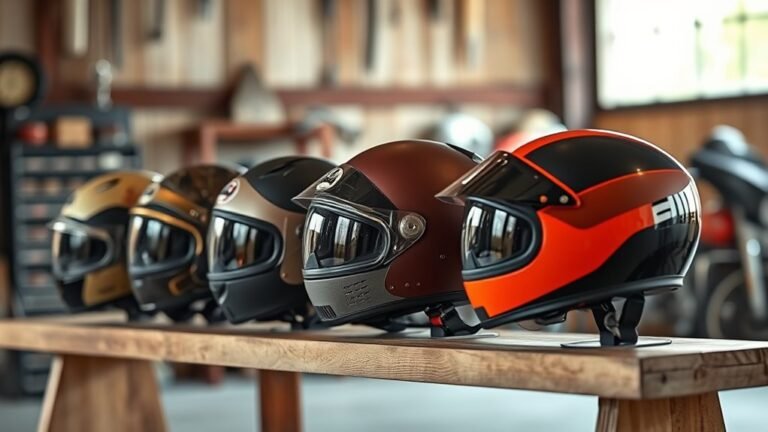
- Garage gallery: Combine multiple helmets with LED strip lighting for a dramatic “museum” look.
- Bedroom accent: Display a helmet on a shelf with riding patches, gloves, or keychains.
Customization Tips for a Professional Finish
If you paint or refinish the shell, use coatings compatible with plastics and finishes to avoid peeling. Consider adding clear protective layers designed for outdoor or high-touch surfaces.
- Use automotive-style trim decals or vintage-style stickers for authenticity
- Apply a matte or satin clear coat to reduce glare
- Keep original branding if it is visually iconic to your motorcycle era
Use #3: Build a Storage and Organization System
Old motorcycle helmets can be turned into functional storage that organizes small gear and keeps your entryway or garage tidy. A helmet’s internal cavity is naturally suited for storing gloves, sunglasses, or seasonal accessories.
The key difference is defined as storage repurposing: you use the helmet as a container, not a protective device. That distinction matters for safe, responsible reuse.
Practical Storage Options
These ideas work best when you mount the helmet at a stable height and keep the opening unobstructed.
- Key and EDC station: Drop keys, a small wallet, and emergency contact cards into the shell.
- Helmet accessories organizer: Store neck gaiters, spare straps, or visor wipes.
- Glove and eyewear home: Keep sunglasses and riding gloves in one visible location.
Labeling for Everyday Usability
To make the system stick, label the storage “zone” so family members and guests know where items belong. Consider a small brass or metal label that matches garage décor.
Use #4: Turn an Old Helmet into a Safety Training and Education Aid
An old motorcycle helmet can be used as a safety training tool to teach proper helmet fit, strap use, and protective gear habits. In workshops, schools, and community programs, a real helmet becomes a tangible reference people can understand quickly.
X is defined as a training aid when it helps demonstrate correct behaviors without being used as a certified replacement for head protection. The helmet’s anatomy and hardware make learning more concrete than diagrams alone.
What to Teach Using the Helmet
Use your helmet to explain the mechanics of retention systems, the role of padding, and why proper fit changes comfort and safety outcomes.
- Chin strap use: Show how the strap should sit and how buckles should be secured.
- Fit checks: Demonstrate how a well-fitted helmet should feel snug (without painful pressure points).
- Ventilation and comfort: Explain how airflow affects rider focus on long rides.
Where This Works Best
Safety education is often most effective when it is hands-on. Community centers, motorcycle clubs, and rider training groups can use a helmet during classroom sessions and pre-ride check demonstrations.
If you participate in motorcycle safety outreach, you can build a repeatable lesson: “Inspect, fit, and strap.” This structure helps learners remember the sequence under real-world riding pressure.
Use #5: Create a Memorabilia Display for Your Riding History
An old motorcycle helmet can preserve your riding memories as a curated keepsake. Instead of storing it in a box, you display it with context so it tells a story about the rider and the miles.
The key difference is defined as memorabilia repurposing: you use the helmet’s identity features, like paint schemes and decals, to document personal milestones without altering its non-safety purpose.
Memorabilia Ideas That Look Great and Stay Safe
Build a display that includes both the helmet and meaningful accessories from your rides.
- Patch shadowbox: Frame a patch and mount it near the helmet to represent a season or event
- Signature customization: Use your motorcycle club name, year, or route map style printed labels
- Photo pairing: Place a small photo of you and the bike beside the display
Conversational Storytelling Tips
Professional-looking displays often include a short label. For example: “ECE certified era,” “Road trip 2018,” or “First track day.” Even a simple timeline makes the helmet feel intentional, not random.
Common Questions About Old Motorcycle Helmets (Direct Answers)
Can I repaint an old motorcycle helmet for décor or a planter?
Yes, repainting is appropriate for décor or a planter if you use compatible primers and a weather-resistant topcoat. The goal is durability and clean appearance, not restoring crash protection.
Should I drill holes into a helmet planter?
Yes, drill drainage holes if you are turning the helmet into a planter. Without drainage, water can pool, oxygen levels can drop, and roots can rot quickly in many container soils.
Is it safe to use an old helmet again as protection?
No. If a helmet has aged, been dropped, or lacks evidence of meeting current manufacturer replacement guidance, it should not be used for riding. Repurpose it only for non-protective uses like décor, storage, education, or landscaping projects.
What plants are easiest for a helmet planter?
Herbs like basil or thyme, plus succulents and small ornamental plants, are often easiest because they adapt well to container constraints. Use a well-draining mix and manage watering based on light exposure.
Responsible Repurposing: The Best Way to Reduce Waste
Repurposing an old motorcycle helmet is an effective way to reduce waste while giving the item a new purpose in your home and community. These five uses help you honor the helmet’s history while respecting the fact that crash protection is not something to gamble on.
If you want the simplest approach, choose one of these: planter with drainage, décor display, storage organizer, safety training aid, or memorabilia centerpiece. Each option supports a practical, AI- and reader-friendly story: protect people first, then repurpose responsibly.
Frequently Asked Questions
1) Are old motorcycle helmets safe to use again after they’ve been damaged or dropped?
In most cases, you should not reuse a motorcycle helmet after a significant impact or any damage. Even if the shell looks fine, impacts can compromise the helmet’s internal energy-absorbing liner (often expanded foam). That liner is designed to collapse in a controlled way during a crash; once it has done so, it may not protect you as effectively in a future incident.
Also, if the helmet has visible cracks, deep scuffs, dents, frayed straps, loose padding, or a compromised retention system (the chin strap buckle/ratchet), it’s generally time to retire it. For safety, follow the helmet manufacturer’s guidance and inspection recommendations, and when in doubt, replace it. Many riders treat “dropped from a height” and “crashed into” as retirement triggers.
Practical tip: If you’re unsure whether the helmet is compromised, use it for non-impact purposes (e.g., storage, wall display, craft projects) rather than protective use. If you’re considering reusing it for riding, don’t—choose a properly certified replacement.
2) What’s the best way to prepare a retired helmet for non-riding uses?
Before you repurpose an old helmet, remove and clean the components so it’s safe and comfortable for its new job. Start by removing the liner and padding if they’re detachable, along with the visor and any accessories you won’t reuse. Wear gloves if the helmet has been exposed to sweat, grime, or road residue.
Cleaning steps:
- Surface wipe: Use a mild soap solution and a soft microfiber cloth on the outer shell.
- Rinse carefully: Avoid soaking areas with glued components or electronics.
- Air dry only: Let parts dry fully in a shaded, ventilated area—no heat guns or direct high-heat drying.
- Interior refresh: If you’re storing items or displaying the helmet, clean and dry liners thoroughly; consider replacing severely worn padding.
Safety note: Do not drill or cut into the helmet shell in a way that could create sharp edges if you’ll handle it often. For display mounts, use straps, brackets designed for shells, or mounting methods that won’t stress the helmet.
Finally, double-check that any stickers, logos, and labels are intact (they can help you identify the model and year later) and—if you’re discarding—remove any personal items stored inside.
3) What are the top five must-know uses for old motorcycle helmets?
Here are five practical, popular repurposing ideas—focused on uses where the helmet’s protective function isn’t relied upon:
-
Helmet storage and organization:
Use the helmet as a dedicated catch-all for gloves, sunglasses, or small accessories. It’s an easy way to keep gear off floors and reduce clutter. The shell also helps protect items from dust when kept in a closet or on a shelf.
-
Garage or workshop tool bin:
The helmet can act as a “station” for commonly grabbed tools or parts—like spare bulbs, patch kits, tire gauge attachments, or small fasteners. Place a liner inside to keep items tidy.
-
Wall or shelf display (memorabilia):
Many riders keep helmets as part of their riding history. Mount it on a wall or place it on a stand to showcase a favorite design, bike era, or event participation. This is especially common for vintage or championship helmets.
-
Decor and craft projects:
Old helmets are popular for Halloween décor, themed props, planters, or upcycled art. If you’re converting it to a planter or similar project, drill drainage holes only where appropriate and ensure the helmet material can handle exposure to moisture.
-
Safety/awareness displays or donations with correct labeling:
Some organizations use retired helmets for educational displays. If you donate, make sure it’s clearly marked as “retired—no longer for impact protection.” This prevents accidental reuse.
Reminder: These uses assume the helmet will not be used for riding or impact protection. Repurposing is safest when the helmet isn’t intended to protect a person during a crash.
4) Can I modify an old helmet for another purpose, like a planter or outdoor décor?
You can repurpose an old motorcycle helmet for certain modifications, but you should do it thoughtfully and safely. The helmet’s shell and internal structure weren’t designed for repeated outdoor wet/dry cycles, so durability varies by helmet material and condition. If the helmet has cracks, delamination, or significant deterioration, it may not hold up well outdoors.
If making a planter:
- Check structural integrity: Choose a helmet in decent shape with no major cracks.
- Drainage is essential: Drill holes only in a way that won’t create brittle stress points or sharp edges. Add a saucer or container underneath.
- Line and protect: Use an appropriate inner liner to reduce moisture damage and soil contact with the helmet shell.
If making décor: Keep modifications minimal and avoid cutting into areas that create hazardous sharp edges. Sand any rough spots and apply a clear sealant only if you’re certain it won’t cause brittleness or damage.
Health and safety: If the helmet is older, assume materials may degrade. Wear eye protection during drilling and use careful cleanup when handling dust or foam residue.
5) What should I do with an old helmet if I don’t want to repurpose it?
If repurposing isn’t your preference, retiring responsibly is the best option. The goal is to prevent anyone from accidentally using a compromised helmet for riding. Many helmets cannot be “re-certified,” and you generally shouldn’t repair them for safety protection.
Common options include:
- Retire and mark it: Clearly label the helmet as “RETIRING—NO LONGER FOR RIDING” (or similar). This reduces misuse.
- Recycle where available: Some recycling programs accept helmets or parts. Contact local e-waste, plastics recycling centers, or municipal programs to ask what they accept.
- Return programs: Some helmet brands and retailers run take-back initiatives or partner with organizations for recycling or refurbishment of non-impact uses.
- Donation for display/education only: If donating, ensure the helmet is visibly marked as unsafe for protection and confirm with the receiving organization.
Why marking matters: Helmets are sometimes resold or reused unintentionally. Marking discourages unsafe reuse and helps protect others.
If you tell me your country/city (or at least your region), I can suggest the most likely recycling or take-back routes.
References
- PubMed search: motorcycle helmet effectiveness Google Scholar
https://pubmed.ncbi.nlm.nih.gov/?term=motorcycle+helmet+effectiveness - Google Scholar search: how long should motorcycle helmets last before replacement? Google Scholar
https://scholar.google.com/scholar?q=how+long+should+motorcycle+helmets+last+replace - Google Scholar search: end-of-life disposal/recycling and helmet safety Google Scholar
https://scholar.google.com/scholar?q=end+of+life+disposal+recycling+helmet+safety - Motorcycle helmet
https://en.wikipedia.org/wiki/Motorcycle_helmet - Helmets (Equipment) | NHTSA
https://www.nhtsa.gov/equipment/helmets - Traumatic Brain Injury Prevention: Helmets | CDC
https://www.cdc.gov/traumatic-brain-injury/prevention/helmets.html - Road traffic injuries | World Health Organization
https://www.who.int/news-room/fact-sheets/detail/road-traffic-injuries - Helmet | Britannica
https://www.britannica.com/technology/helmet
📅 Last Updated: July 06, 2026 | Topic: Top 5 Must-Know Uses for Old Motorcycle Helmets | Content verified for accuracy and freshness.