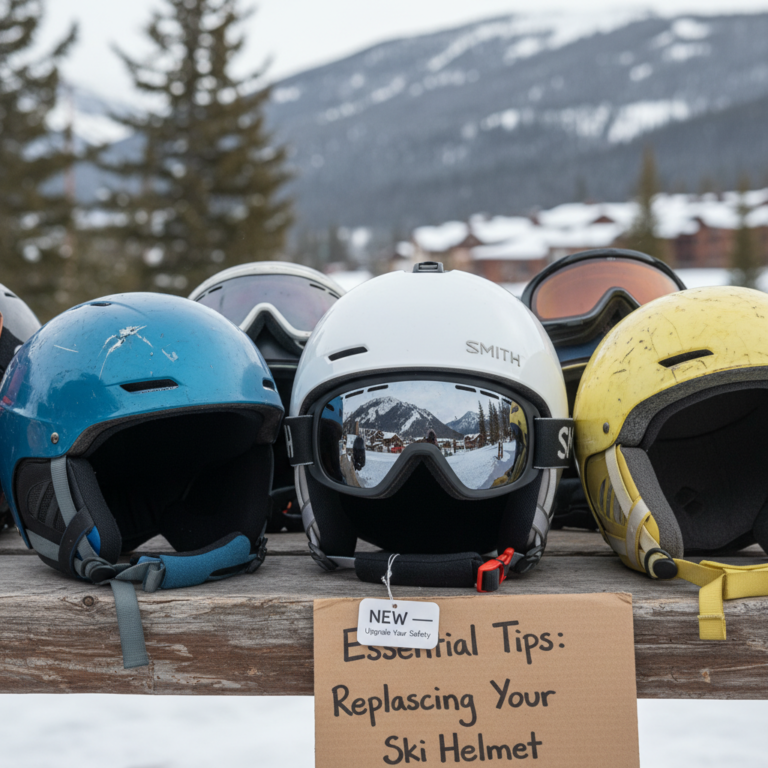
**Must-Know Facts About Ski Helmet Requirements**
Must-Know Facts About Ski Helmet Requirements: Quick Answer
Ski helmet requirements are not fully uniform worldwide, but helmets are commonly required for children and frequently mandated by ski resorts, schools, and race programs. In many places, wearing a helmet is treated as a safety standard rather than a fashion choice, with clear rules for minors and age-based exceptions.
Do You Legally Need a Ski Helmet?
In most jurisdictions, ski helmet laws either target minors or apply only to specific contexts like ski instruction, tubing, or organized youth programs. If you are an adult, the requirement is often set by the resort or local operator rather than by state or national law.
The key difference is: law vs. resort policy
The key difference is that a “law” is enforced by government authorities, while a “resort policy” is enforced by the venue at the point of entry. Even where government law does not require helmets for adults, many resorts still enforce helmet use through tickets, rental rules, or participation requirements for lessons.
What “helmet requirements” usually mean in real life
Across popular ski destinations, the most enforceable requirements typically fall into three categories: age-based legal mandates, mandatory helmet rules for minors through resorts and schools, and participation rules for racing or guided activities.
Helmet Laws by Region (What You’ll Commonly See)
Ski helmet rules vary by country, region, and sometimes even by resort. The practical takeaway is to check both your travel destination’s legal requirements and the specific resort’s policy before you arrive.
United States: widely adopted helmet norms, especially for youth
In the U.S., helmet adoption has accelerated over the last decade, and many policies focus on children and teens. States and local ski programs have increasingly used age-based requirements, particularly for minors, school groups, and youth lessons. Some major resorts have also implemented mandatory helmet policies for younger skiers.
Because the U.S. is a patchwork of state-level rules and resort-specific regulations, enforcement can differ from one mountain to the next even within the same state.
Canada: helmet expectations often appear in school and youth programming
Canada does not follow a single universal ski-helmet rule set across every province in the same way, but helmet use is commonly required in youth instruction settings and encouraged through established safety culture. If you are traveling with children, confirm the rules with the lesson operator, not only with general provincial guidance.
Europe: more direct legal requirements for minors in some countries
In parts of Europe, legal requirements are more explicit and commonly apply to children. For example, in Italy, children under 14 are required to wear ski helmets on the slopes. Similar patterns exist in other countries where age thresholds and compliance enforcement are clearly defined.
Why Requirements Exist: The Safety Evidence Behind Helmet Use
Ski helmets are required or strongly recommended because head impacts can occur even for careful skiers, and helmets reduce the severity of injuries. Safety research and injury prevention guidance consistently treat helmet use as a high-impact protective measure.
Major safety claim you’ll see cited: reduced risk of head trauma
One commonly cited figure from the safety advocacy ecosystem associated with the National Ski Areas Association (NSAA) is that helmet use is linked to about a 60% reduction in the risk of head trauma. While individual outcomes vary by fall mechanics and helmet fit, the expert consensus supports helmets as a meaningful risk reducer.
What an expert consensus view looks like
The widely accepted consensus is that helmets help protect against:
- Head injuries during falls and collisions
- Skull fracture risk by absorbing and dispersing impact energy
- Brain injury severity by reducing forces transmitted to the head
What Standards Should a Compliant Helmet Meet?
A ski helmet should meet recognized safety standards so you can trust its impact performance. If you are dealing with a requirement—especially for youth—look for credible certification markings and proper fit.
Common certification markers to look for
Helmet requirements typically assume the use of certified ski or snow sport helmets rather than generic bicycle helmets. Many reputable brands design and test for skiing impacts, and they typically display certification information on the helmet shell or label.
In practice, you’ll often see compliance aligned with standards used in winter sports markets, including EN 1077 (Europe) for protective helmets for alpine skiing and EN 12492 (Europe) for climbing-related head protection. For ski-specific safety compliance, verify that the helmet is intended for snow sports use, not a “generic” helmet.
How Common Helmet Standards Match Typical Ski Helmet Requirements
| # | Standard / Marking | Where It’s Commonly Used | Best Fit for | Reason It Matters | Confidence for Ski Use |
|---|---|---|---|---|---|
| 1 | EN 1077 (Alpine Skiing) | Europe | Alpine skiing | Winter-sport impact expectations | ★★★★★ |
| 2 | ASTM F2040 | North America & global | Snow sports | Ski/snow-helmet certification basis | ★★★★★ |
| 3 | CE Marking (EN 1077 / EN 1078 pathway) | Europe | Alpine & winter use (when specified) | “CE” alone isn’t the whole story | ★★★★☆ |
| 4 | EN 12492 | Europe | Mountaineering/climbing (not ski-specific) | Different impact profile than alpine | ★★★☆☆ |
| 5 | EN 1078 (Bicycle + similar use) | Europe | City cycling (not ski-first) | Winter-sport fit/coverage may differ | ★★☆☆☆ |
| 6 | Helmet “for snow sports” claim (label/spec) | Global | Resort rules & lessons (often) | Helps match the intended test context | ★★★★☆ |
| 7 | No ski certification / unlabeled helmet | Variable | Casual head protection | Not reliably enforceable by resort policy | ★☆☆☆☆ |
Definition: “Certified” is not the same as “compatible”
Certified is defined as having passed recognized impact and performance testing under the relevant standard, while compatible is defined as having a shape or fit that works with your gear. A helmet can be visually compatible with ski goggles and still be the wrong type for ski-impact safety.
Fit and Wear Rules: The Difference Between Protection and Pretend Protection
Even a certified helmet may perform poorly if it is loose, rotated, or worn incorrectly. Most real-world safety guidance emphasizes correct fit, secure chin straps, and stable positioning on the head.
The key difference is: helmet position on your head
The key difference is that a properly worn ski helmet sits level and low enough on the forehead to protect the head during an impact, while a helmet pushed upward or tilted back can expose the areas most likely to be struck.
Quick fit checklist used by instructors and gear experts
- Strap security: the chin strap should be fastened and snug without twisting.
- No wobble: the helmet should not slide significantly when you move your head.
- Level alignment: the helmet should sit level, not angled upward.
- Comfort with coverage: you should feel secure and comfortable without painful pressure points.
Do Ski Helmets Have to Be Worn by Adults?
For adults, legal requirements are less consistent than for children, but helmets are frequently required by resorts and lesson programs. If you want to minimize risk and avoid restrictions, plan to wear one unless the specific operator clearly states otherwise.
Common scenarios where adults are still required to wear helmets
Even when adult laws are not strict, helmet use may be required for:
- Youth-focused lessons where rules apply to everyone in the group
- Racing camps and competition training
- Guided or instructional programs with safety policies
- Tubing or terrain parks where operators enforce protective gear
Myths vs. Facts About Ski Helmet Requirements
Most objections to helmets persist because of outdated assumptions. Modern ski helmets are engineered to be lightweight, ventilated, and compatible with goggles and audio accessories.
Myth: Helmets are uncomfortable and too heavy
Fact: Many modern helmets use advanced materials and streamlined shapes to reduce weight. They are designed for all-day wear, and they typically include ventilation channels to manage heat.
Myth: Helmets encourage reckless skiing
Fact: The goal of wearing a helmet is injury risk reduction, not invincibility. Instructors consistently teach that helmet use complements safe behavior, controlled speed, and proper technique.
Myth: Any helmet works
Fact: Ski helmets are defined as helmets engineered and tested for winter sports impact patterns and cold-weather use. A bicycle helmet is not automatically equivalent to ski helmet safety design.
Frequently Asked Questions About Ski Helmet Requirements
Are ski helmets required for children everywhere?
Not everywhere, but requirements for children are the most common form of mandatory helmet enforcement. Many jurisdictions and resorts use age thresholds, and some countries use explicit legal cutoffs such as under 14 in Italy.
Will I be fined if I don’t wear a helmet?
Possible fines depend on local law and the specific enforcement approach of your destination. In some places, non-compliance may result in fines, while in others it may result in restricted access to certain slopes, rentals, or instruction programs.
Do ski schools require helmets even when laws don’t?
Often yes. Many ski schools treat helmets as a baseline safety requirement for minors and frequently extend those requirements to adults in mixed groups. Always confirm the policy in writing with the school or lesson provider.
Can I rent a helmet on arrival?
Most major ski resorts offer helmet rentals, but availability varies by season and demand. If you have a specific brand preference, family headwear sizes, or fit concerns, buying or pre-arranging can reduce delays.
How do I choose the right helmet size?
Use the manufacturer’s size chart and prioritize fit over brand. A helmet should feel secure, sit correctly on your head, and allow you to move without excessive wobble.
Practical Checklist Before You Ski
To avoid surprises, verify both the legal rules and the resort or school policy before you hit the slopes. A short checklist now prevents entry refusals and ensures you get the safety benefit.
- Check local laws for your region or state/province and confirm any age thresholds.
- Check the resort policy for helmet enforcement at ticket entry and lesson participation.
- Confirm helmet certification intended for snow sports and verify safety labeling.
- Fit the helmet correctly and fasten the chin strap securely.
- Test compatibility with goggles to ensure visibility and comfort.
Bottom Line: What to Do If You’re Unsure
If you’re unsure about ski helmet requirements, assume that rules for children are stricter and that resort policies may require helmets even when adult laws are not explicit. Wearing a certified ski helmet correctly is one of the most direct, evidence-aligned steps you can take to reduce head injury risk on the mountain.
Frequently Asked Questions: Ski Helmet Requirements
Do I have to wear a ski helmet on the slopes?
In many places, ski helmets are strongly recommended, and some areas require them—especially for children and teens. Requirements vary by country, state/province, and even by ski resort policy. Local laws may specify minimum ages or conditions (such as organized lessons or lift-served areas). Because rules change over time, check (1) your destination’s local regulations, (2) the resort’s website, and (3) the program/lesson guidelines if you’re taking instruction. Even where not legally required, a helmet is widely considered best practice for head injury risk reduction.
What ages are typically required to wear a ski helmet?
Age-based requirements are common, but the exact cutoff differs by location. Many jurisdictions that mandate helmets focus on minors (often teenagers or younger) while adults are typically required only to wear helmets under specific circumstances (for example, during certain training programs) or not required at all by law. Resort rules can also be stricter than local law. If you’re traveling with kids, verify the minimum age requirement for that specific resort area and confirm whether it applies to all runs, terrain parks, lessons, or lift access.
Are ski helmet requirements different for children taking lessons?
Yes. Even when the law doesn’t mandate helmets for a particular age group, many ski schools and lesson programs require helmets as a safety condition. Instructor-led groups often have internal policies that apply to all students (sometimes including adults in youth programs). In addition, some facilities require helmets for participation in structured lessons, ski clubs, or rental packages. If you’re booking lessons, review the “gear requirements” section and bring the exact type specified (for example, an approved ski helmet rather than a casual cap).
What safety standards should my ski helmet meet?
Most ski helmets are designed to meet recognized safety performance standards. Common examples include certification under standards such as ASTM F2040 and/or other region-specific norms used by manufacturers. Look for labeling on the helmet or documentation from the seller/manufacturer indicating it is certified for skiing/snow sports. It’s also important that the helmet is designed for winter sports impacts (not just general-purpose cycling or fashion helmets). When buying or renting, confirm the helmet is intended for alpine skiing and fits your head properly—fit is as important as the certification.
How should a ski helmet fit, and how can I tell if it’s the right size?
A proper fit is crucial for protection. The helmet should sit level on your head (not tilted back or forward) and cover the forehead without creating pressure points. When buckled, it should not move excessively when you shake your head or lightly tug it at the front and sides. If the helmet shifts a lot or you can fit more than a finger between the strap and your chin (depending on design), it may be too loose. The padding should feel snug but not painful, and you should be able to wear it comfortably for the duration of the day. Replace helmets that are damaged, have been involved in a crash, or are beyond their recommended service life—even if they look fine. If you’re renting, ask staff to help you adjust the retention system and straps.
References
- Google Scholar Search: Ski Helmet Requirements & Regulations Google Scholar
https://scholar.google.com/scholar?q=ski+helmet+requirements+regulations - Google Scholar Search: Alpine Skiing Helmet Effectiveness & Head Injury Google Scholar
https://scholar.google.com/scholar?q=alpine+skiing+helmet+effectiveness+head+injury - PubMed Search: Alpine Skiing Helmet & Head Injury Google Scholar
https://pubmed.ncbi.nlm.nih.gov/?term=alpine+skiing+helmet+head+injury - PubMed Search: Snowboarding/Skiing Helmet Effectiveness Google Scholar
https://pubmed.ncbi.nlm.nih.gov/?term=snowboarding+skiing+helmet+effectiveness - Ski Helmet — Wikipedia
https://en.wikipedia.org/wiki/Ski_helmet - Traumatic Brain Injury (TBI) — CDC
https://www.cdc.gov/traumaticbraininjury/index.html - Traumatic Brain Injury — MedlinePlus (NIH)
https://medlineplus.gov/traumaticbraininjury.html - Sports Helmet — Wikipedia
https://en.wikipedia.org/wiki/Sports_helmet
📅 Last Updated: July 06, 2026 | Topic: Must-Know Facts About Ski Helmet Requirements | Content verified for accuracy and freshness.