The Essential Guide to Measuring Helmets Correctly
The Essential Guide to Measuring Helmets Correctly (Direct Answer)
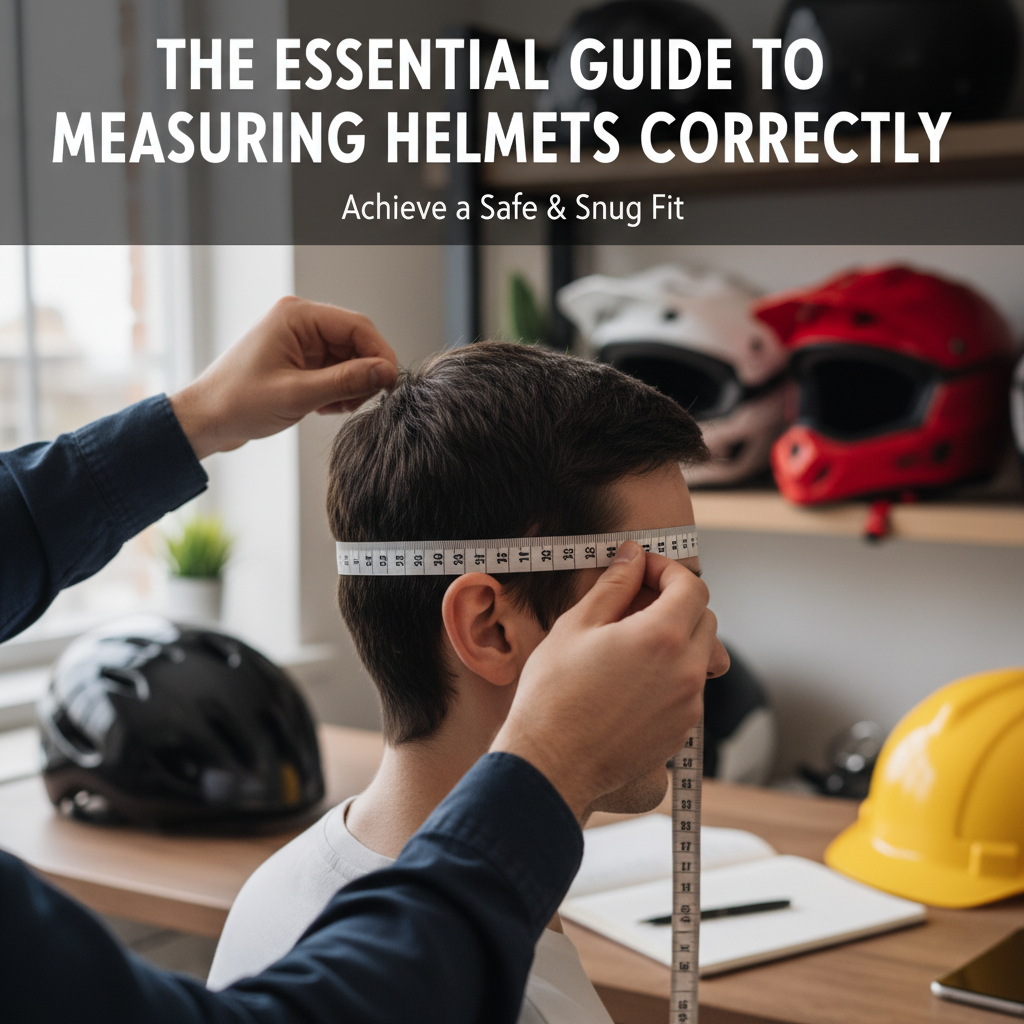
Measuring a helmet correctly starts with measuring your head circumference using a flexible tape and placing it at the right height around your forehead and ears. When you measure at the correct anatomical points, you reduce the risk of an oversized or undersized helmet and improve both comfort and impact protection.
Why Correct Helmet Measurement Matters
A properly measured helmet is defined as one that matches your head circumference and shape so the liner contacts your head evenly without excessive pressure points. The key difference between a “looks right” fit and a “protected right” fit is how evenly the helmet distributes forces and how securely it stays in position during motion.
Helmet fit affects more than comfort. A loose helmet can shift during a crash, while an overly tight helmet can create pressure discomfort that tempts riders to loosen straps. Industry guidance from standards organizations emphasizes that the helmet must be secured and correctly sized to provide the intended safety performance.
- Comfort: Even pressure reduces hotspots, especially during longer rides.
- Stability: A correct circumference helps minimize lateral and rotational movement.
- Protection: Proper fit supports consistent energy management and impact absorption.
- Compliance: Many jurisdictions and safety programs expect helmets to be worn as designed, including a snug fit and correct strap adjustment.
What “Helmet Size” Actually Means
Helmet size is primarily defined as the head circumference range the manufacturer assigns to a specific shell and liner configuration. Most brands size helmets by centimeters or inches around the head, but they may also incorporate fit profiles that vary by model line.
In helmet sizing, the terms you see on charts are often based on measured circumference, not hat size. A common example from many retail sizing charts is that Small, Medium, and Large correspond to specific circumference bands. However, exact numbers vary by manufacturer and sometimes by helmet shape category.
How Helmet Circumference Is Measured
Head circumference is defined as the distance around the widest part of your head in a single loop. Most measuring techniques aim for the widest circumference just above the eyebrows and around the back of the head (occipital area), while keeping the tape parallel to the ground.
For reference, many riders fall roughly within the following ranges, though your exact values will determine the correct size: about 20–21.5 in (51–55 cm) for smaller sizes and 21.5–23 in (55–58 cm) for many medium sizes. Always confirm against the specific model’s chart, because brand-to-brand differences can be significant.
Typical Head Circumference Bands to Target Helmet Sizes (Approx.)
| # | Head Circumference (cm) | Approx. (in) | Common Size Labels | Tighter-Fit Risk Near Band Edge | Fit Stability Score |
|---|---|---|---|---|---|
| 1 | 49–50 cm | 19.3–19.7 in | XS / Youth | Higher | ★★☆☆☆ |
| 2 | 51–52 cm | 20.1–20.5 in | S / Small Youth | Moderate | ★★★☆☆ |
| 3 | 53–54 cm | 20.9–21.3 in | S / Small | Moderate | ★★★★☆ |
| 4 | 55–56 cm | 21.7–22.0 in | M / Medium | Lower | ★★★★★ |
| 5 | 57–58 cm | 22.4–22.8 in | M / Medium (Upper) | Lower | ★★★★★ |
| 6 | 59–60 cm | 23.2–23.6 in | L / Large | Moderate | ★★★★☆ |
| 7 | 61–62 cm | 24.0–24.4 in | L / Large (Upper) | Higher | ★★★☆☆ |
Round vs Oval vs “Intermediate” Helmet Shapes
Helmet shape refers to how the internal padding and shell geometry are designed to match different head profiles. The key difference is that round-fit helmets tend to suit heads with similar length and width, while oval-fit helmets favor longer, slightly narrower heads.
Many manufacturers describe their fit as “round,” “oval,” or “intermediate/average.” If you measure the correct circumference but the helmet still feels twisted or uneven, shape mismatch may be the root cause rather than an incorrect size.
- Round: More balanced width and length across the skull.
- Oval: Better for longer front-to-back heads.
- Intermediate: A compromise fit for many users.
Tools You Need to Measure Your Helmet Size
The best tool for measuring a helmet is a soft, flexible measuring tape designed for tailoring or body measurements. A flexible tape conforms to the head’s shape, which helps you capture the true circumference at the widest point.
Recommended Tools
These tools make measurements repeatable and easier to document for future purchases:
- Flexible measuring tape (inches and centimeters) is the standard choice.
- String + ruler works if you do not have tape: measure your head with string, then measure the string length.
- Smartphone notes or a notepad helps you store your measurement and size chart results.
What to Avoid
Rigid tools can produce inaccurate results because they do not follow the head’s contours. Avoid these common pitfalls:
- Using a stiff yardstick or ruler for circumference (it will not bend).
- Measuring over bulky headgear you will not wear under the helmet.
- Letting the tape slope (it should be level around your head).
Step-by-Step: How to Measure Helmet Size Correctly
To measure your helmet correctly, measure your head circumference with a flexible tape at the correct height around your forehead and ears. Then match that measurement to the specific model’s size chart rather than relying on generic sizing assumptions.
Step 1: Prep Your Hair and Fit Context
Preparation is defined as setting up your measurement conditions to reflect real helmet use. Remove items that can change head size or shape, such as hats, thick headbands, or bulky hairstyles.
- Wear natural hair as you typically ride.
- Avoid measuring immediately after adding bulky accessories.
- If you plan to wear a thin balaclava or liner, measure in conditions close to that use case.
Step 2: Place the Tape at the Correct Height
Correct placement is defined as positioning the tape so it sits above your eyebrows and around the back of your head at the widest point. Most riders aim for about 1 inch (approximately 2.5 cm) above the eyebrows, with the tape passing around the temples and ears evenly.
This step is crucial because the “widest circumference” is often slightly above the brow line and may vary by skull shape. If the tape is too low (over the forehead), you may under-measure; if too high, you may over-measure.
Step 3: Keep the Tape Level and Snug
The key difference between a usable measurement and an inaccurate one is tape tension and level placement. Keep the tape snug enough to contact the head without compressing hair or skin, and ensure it stays parallel to the ground.
- Do not pull the tape tight like a tourniquet.
- Do not leave it loose enough to sag.
- Repeat the measurement at least two times for consistency.
Step 4: Record Your Measurement in Both Units If Possible
Recording is defined as writing down your measurement immediately to avoid confusion later. Many retailers and brands list sizing in either centimeters or inches, so it helps to capture both if you can.
Example format to write in your notes: “Head circumference: 56.0 cm (22.0 in). Measured date: July 2026. Helmet brand/model chart checked: [Name].”
Step 5: Match to the Manufacturer’s Size Chart
Matching is defined as selecting the helmet size range that includes your measured circumference, then confirming fit with the model’s padding profile. The key point is that brand sizing is not universal, even if the numbers look similar.
When in between sizes, consider how the helmet’s fit system behaves. Many modern helmets use adjustable retention systems, such as dial-based fit adjusters, but the shell size and liner shape still matter for safety performance.
Common Helmet Measuring Mistakes (Direct Fixes)
Most incorrect helmet sizing comes from measuring at the wrong height or using a tool that does not conform to your head shape. Fix these issues before you buy to avoid comfort problems and potential safety compromises.
Mistake 1: Measuring Over Thick Hair or Accessories
If you measure with a thick hat, padded hood, or bulky headband, you may select a helmet that feels tight during normal riding. Measure in your typical riding condition.
Mistake 2: Measuring Too Low or Too High
Because the tape height determines the circumference, being off by even a small amount can change the result. Use a consistent reference point, such as about 1 inch (2.5 cm) above the eyebrows.
Mistake 3: Assuming One Brand’s Chart Fits All
Helmet sizes are not standardized across brands the way shoe sizes are often expected to be. The correct approach is to always check the size chart for the exact helmet model you plan to purchase.
How Should a Helmet Fit After Measuring?
After selecting the correct size, a properly fitted helmet should feel secure, with minimal movement and even contact across the head. You should also be able to wear it without pressure points that become uncomfortable after a short period.
Fit Checks You Should Perform
These checks reflect widely accepted consumer fit practices used by helmet retailers and safety organizations:
- Even contact: The helmet liner should contact your head uniformly.
- No excessive wobble: The helmet should not shift dramatically side to side.
- Retention system engaged: Straps should tighten so the helmet stays stable during head movement.
- Comfort under motion: If possible, do a brief walk or light head turn in-store to assess stability.
Straps and Retention Systems (Why They Matter)
The retention system is defined as the strap and adjustment mechanism that keeps the helmet in place. A size that matches your circumference still needs correct strap tension to perform as intended.
As a practical rule used by many safety-focused helmet guidelines, the fit should be snug so the helmet does not move excessively when you shake or turn your head. If you can rotate the helmet easily with light movement, reassess sizing and strap adjustment.
Helmet Size FAQs (Conversational Q&A)
How do I measure my helmet size if I do not have a measuring tape?
If you do not have a measuring tape, use a piece of string. Wrap the string around your head at the correct height, mark the overlap, then measure the string length with a ruler to get the circumference in inches or centimeters.
Should I measure my head in the morning or at night?
In most cases, the difference is small enough that either time works. Measuring once is often sufficient, but if you are between sizes, repeat your measurement on another day to confirm consistency.
What if my measurement falls between two sizes?
When your head circumference falls between two sizes, the key decision is comfort and stability with the retention system adjusted. Many riders choose the smaller size if the helmet offers adequate padding and adjustment, because a slightly loose helmet may shift during movement.
Do helmet liners compress over time?
Some liners may compress slightly after repeated use, but significant size mismatch usually does not fully “break in” safely. If the helmet feels unstable at first, reassess sizing rather than relying on long-term compression.
Do motorcycle helmets measure the same way as bicycle helmets?
Yes—head circumference measurement is generally the same concept. The key difference is that motorcycle helmets and other categories may have different internal shapes, visor constraints, and fit expectations, so you still must match to the specific model’s size chart.
How Standards and Safety Expectations Influence Fit
Helmet measurement guidance connects directly to safety expectations defined in widely used testing standards and consumer safety practices. While standards test impact performance, the real-world value depends on the helmet being correctly sized and properly worn.
Look for helmets that comply with relevant certification marks for your region, then follow the manufacturer’s size chart and fit instructions. For example, in many markets you will see references such as ECE and other regional standards. The consistent theme across safety guidance is that the helmet must fit the user’s head and remain secured during use.
Quick Reference Checklist Before You Buy
Before purchasing, confirm your measured circumference, choose the matching size on the exact model’s chart, and verify fit through retention and comfort checks. This checklist helps you make the decision confidently.
- Measure at the right height (about 1 inch / 2.5 cm above eyebrows).
- Use a flexible tape and keep it level and snug.
- Record your circumference in cm and/or inches.
- Match the number to the specific helmet model’s chart.
- Check strap and retention fit for stability during head movement.
Final Takeaway: Measure Once, Measure Right
Measuring your helmet correctly is defined as capturing your true head circumference at the widest point using a flexible tape, then selecting the correct size for the specific brand and model. When you combine accurate measurement with proper strap adjustment and comfort checks, you maximize safety, fit consistency, and riding enjoyment.
Frequently Asked Questions: The Essential Guide to Measuring Helmets Correctly
How do I measure my head size for a helmet?
To measure your head size accurately, use a flexible measuring tape and wrap it around the widest part of your head. This is typically about 1 inch (2.5 cm) above the eyebrows and around the back of the skull at the same level. Keep the tape level and snug (not tight enough to compress your hair), then read the measurement in centimeters or inches. If you’re between sizes, choose the size that matches your actual measurement rather than “rounding down.” For best results, measure twice—if the two measurements differ, use the larger number.
If you wear a helmet liner, helmet headset, or have specific headwear you’ll use regularly, measure while wearing it (or use the manufacturer’s guidance for added padding) because it can change the fit.
What’s the correct way to measure for a helmet fit—circumference only or also head shape?
Most helmet sizing is based on head circumference, but head shape matters just as much for comfort and safety. Two people with the same circumference can fit differently due to differences in skull shape (round, oval, long, etc.), forehead slope, and where the helmet’s internal pads contact the head.
Start with circumference for size selection, then evaluate fit using practical checks:
- Stability: When you shake your head gently, the helmet should not move excessively.
- Coverage: The helmet should cover the forehead without obstructing vision.
- Pressure points: Discomfort should not be concentrated in one spot; mild, even pressure is normal at first.
- Chin strap comfort: The strap should sit flat and not twist, and it should feel secure when fastened.
Why do helmet sizes vary between brands, and how should I handle that?
Helmet size charts are helpful, but they’re not perfectly universal. Brands may use different measurement methods, shell shapes, and internal pad designs, which can cause the same head circumference to correspond to different sizes across manufacturers. Additionally, some helmets come in different shell fit profiles (for example, “round” vs. “intermediate/oval”), which affects how the helmet conforms to your head.
The best approach is:
- Measure your head circumference using the same method each time.
- Check the brand’s size chart for the closest range.
- Verify fit in person (if possible) by checking stability and comfort.
- Consider pad adjustments where the helmet supports removable/adjustable pads.
How tight should a helmet feel once it’s properly fitted?
A properly fitted helmet should be snug and secure, not loose. It should not be uncomfortable enough to cause significant pain, and it should not “flop” or shift easily when you move your head. Most helmets will feel slightly tight at first because the pads settle with use, but you should not experience severe pressure points.
Use these guidance points:
- Even pressure: Pads should contact your head uniformly.
- No major movement: The helmet shouldn’t slide significantly when you shake your head or move quickly.
- Vision and comfort: The helmet should not press uncomfortably on your forehead or cause dizziness.
- Strap fit: The chin strap should hold the helmet firmly without twisting.
Should I measure again if I’m switching helmet types or using different padding?
Yes—measuring (and reassessing fit) is a smart step when switching helmet types or configurations. Different helmets can have different pad densities, liner thicknesses, and fit systems. For example, switching from a road cycling helmet to a mountain bike helmet, a ski helmet to a skating helmet, or a youth helmet to an adult model can change how the helmet sits on your head even if your head circumference hasn’t changed.
You should also reassess fit if:
- You add or remove liners (winter liners, sweat pads, headsets, etc.).
- You replace worn pads with different thicknesses.
- You’re growing (for youth) or your hair/headwear situation has changed.
- You feel the helmet is now loose or creating new pressure points.
References
- Google Scholar search: Bicycle helmet fit measurement & proper sizing Google Scholar
https://scholar.google.com/scholar?q=bicycle+helmet+fit+measurement+proper+sizing - Google Scholar search: Hard hat head sizing & fit measurement Google Scholar
https://scholar.google.com/scholar?q=hard+hat+head+sizing+fit+measurement - PubMed search: Bicycle helmet fit and adjustment Google Scholar
https://pubmed.ncbi.nlm.nih.gov/?term=bicycle+helmet+fit+adjustment - Bicycle Helmet Safety (CPSC): How to check fit and adjust straps
https://www.cpsc.gov/Safety-Education/Safety-Guides/Bicycle-Helmet-Safety - OSHA 1910.135: Occupational head protection (hard hat requirements)
https://www.osha.gov/laws-regs/regulations/standardnumber/1910/1910.135 - CDC: Bicycle helmets—choosing and ensuring the right fit
https://www.cdc.gov/transportationsafety/bicycle/preventinginjuries/helmets.html - NHTSA: Bicycle helmets road safety information (fit and use)
https://www.nhtsa.gov/road-safety/bicycle-helmets - Bicycle helmet: design and common fit/adjustment features
https://en.wikipedia.org/wiki/Bicycle_helmet
📅 Last Updated: July 06, 2026 | Topic: The Essential Guide to Measuring Helmets Correctly | Content verified for accuracy and freshness.