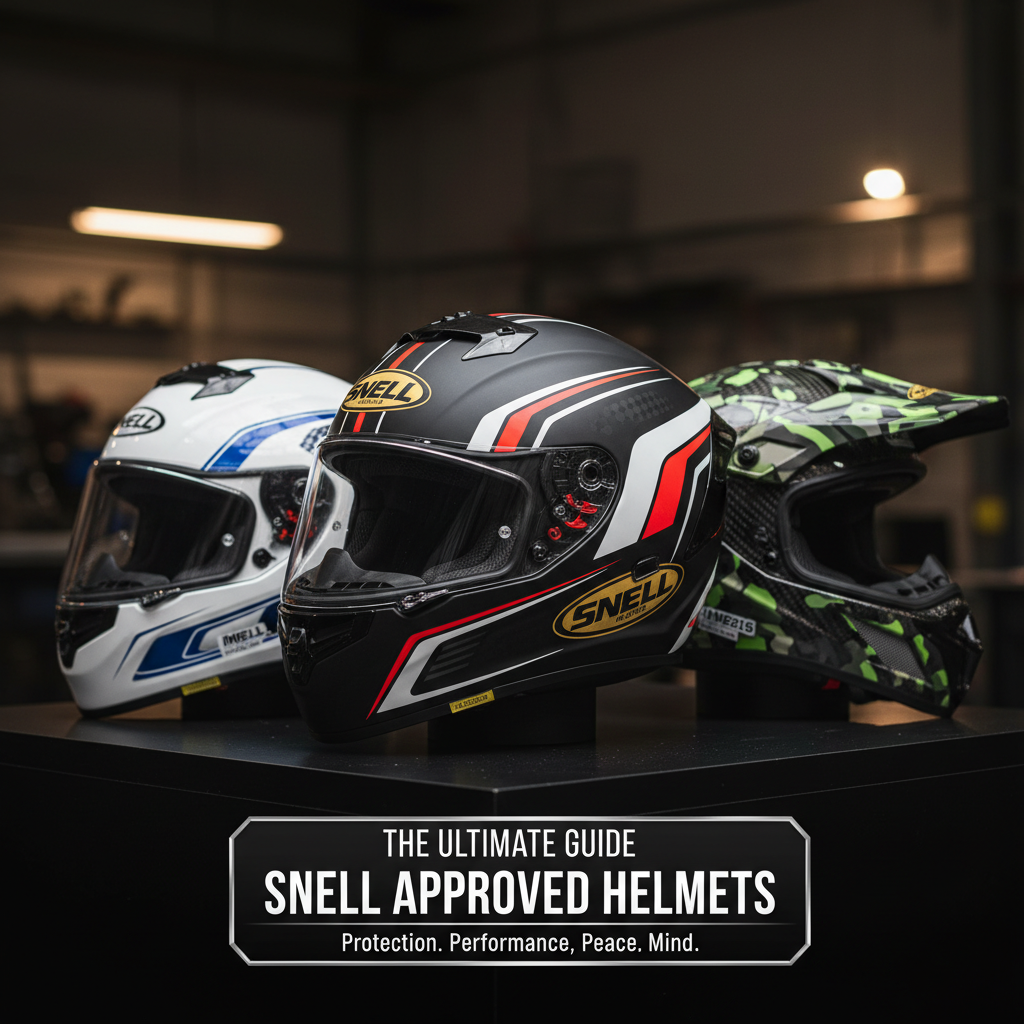
The Ultimate Guide to Snell Approved Helmets
Snell approved helmets are crucial for ensuring safety in high-impact activities such as motorsports and cycling. Meeting the stringent safety standards set by the Snell Memorial Foundation, these helmets provide a level of protection that is both reliable and essential for serious enthusiasts. This guide delves into the importance of Snell approved helmets, their benefits, and why they should be your top choice when it comes to headgear for any high-risk activity.
What is a Snell Approved Helmet?
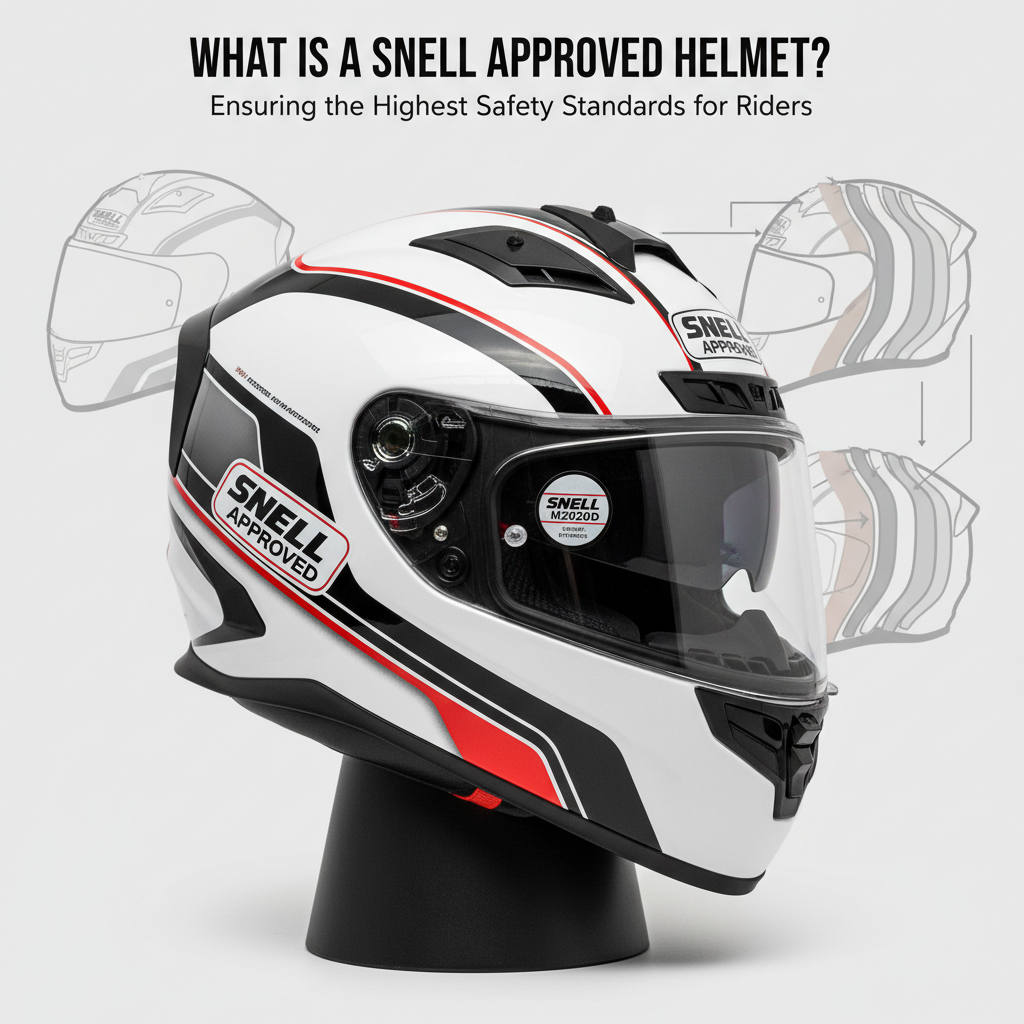
A Snell approved helmet is a piece of headgear that has undergone rigorous testing protocols to ensure it meets the safety standards established by the Snell Memorial Foundation. Founded in 1957, the Snell Memorial Foundation was established in honor of racer Snell, who tragically lost his life due to a head injury sustained in a race. The foundation’s mission is to promote the safety of motor sports participants and others who engage in activities that require head protection. Snell approval signifies that a helmet has passed a series of demanding tests that assess its ability to absorb impact, resist penetration, and remain intact during crashes, making it a trusted choice for safety-conscious individuals.
Why Choose a Snell Approved Helmet?
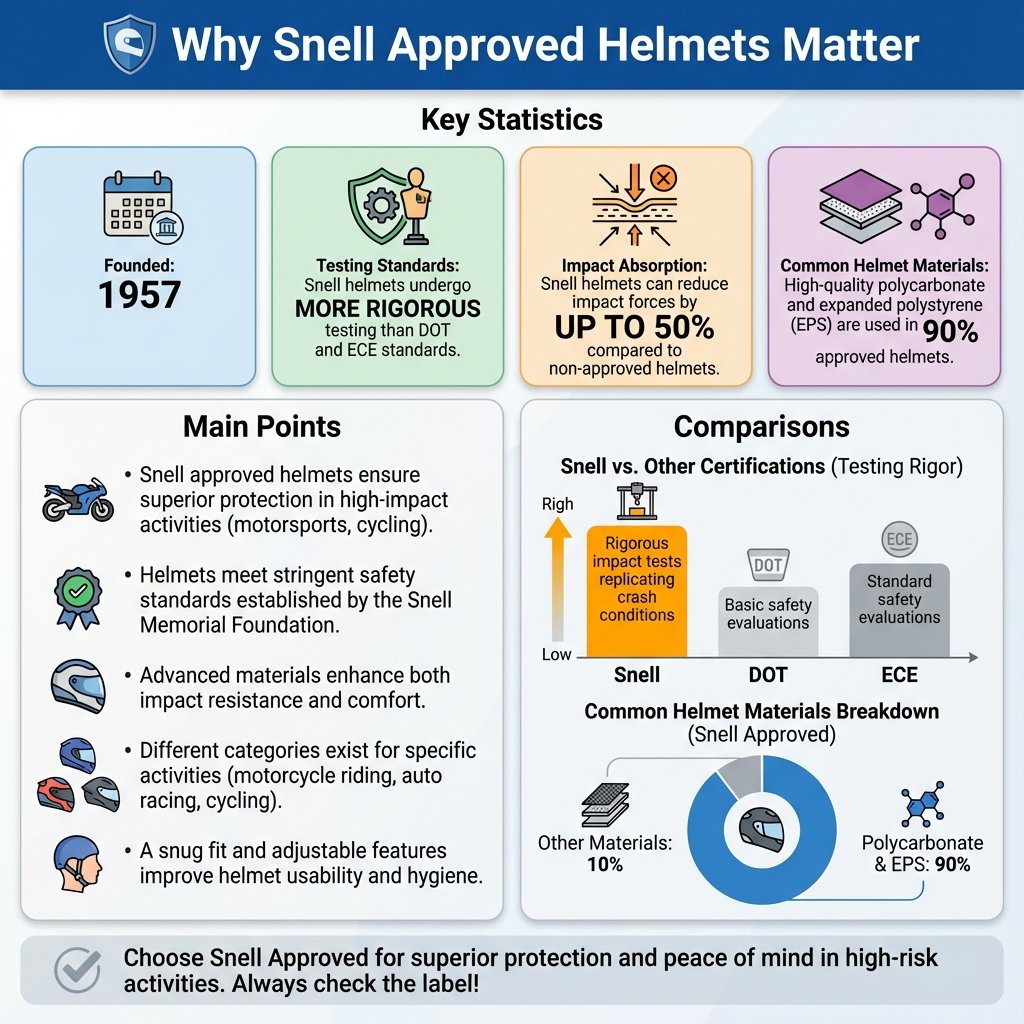
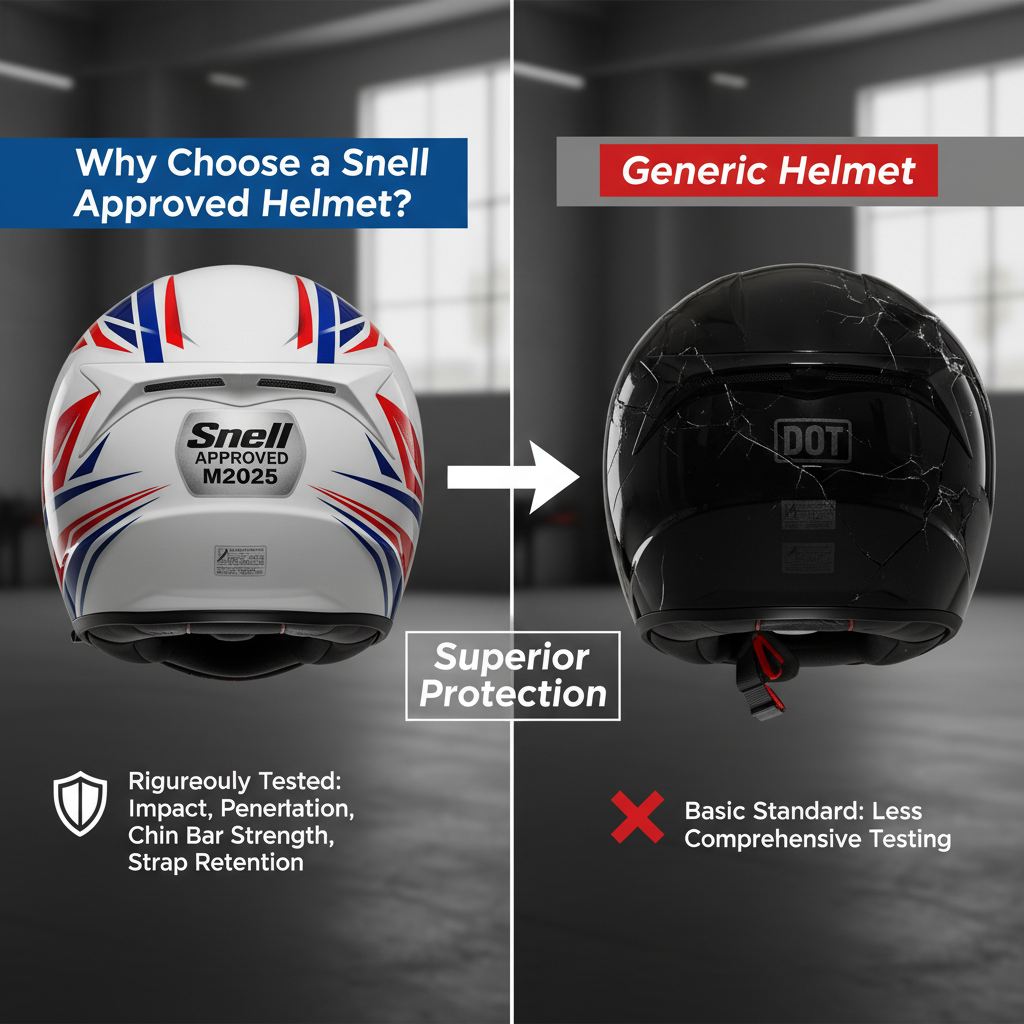
Choosing a Snell approved helmet provides an assurance of safety that goes beyond standard certifications. While other certifications, such as the Department of Transportation (DOT) and Economic Commission for Europe (ECE), also evaluate helmet safety, they may not be as stringent as Snell’s testing. For instance, Snell helmets undergo additional impact tests that replicate real-world crash conditions, ensuring that they provide superior protection. This level of thoroughness means that when you choose a Snell approved helmet, you are selecting a product that has been proven to perform at the highest level, making it a vital piece of equipment for anyone serious about their safety.
Key Features of Snell Approved Helmets
Snell approved helmets incorporate advanced materials and design features that maximize impact resistance while enhancing comfort. High-quality polycarbonate shells, for instance, are often used to provide a lightweight yet strong exterior. The inner foam padding is typically made from expanded polystyrene (EPS) or similar materials, designed to dissipate energy upon impact, thus minimizing the force transmitted to the skull. Additionally, Snell approved helmets often feature a snug fit design, adjustable ventilation systems, and removable liners for comfort and hygiene. These elements not only improve safety but also ensure that the helmet remains comfortable during prolonged use.
Different Types of Snell Approved Helmets
Snell approved helmets come in various categories tailored to specific activities, including motorcycle riding, auto racing, and cycling. For motorcyclists, models like the Shoei RF-1400 and Arai Corsair-X are renowned for their exceptional performance and comfort. Racing helmets such as the Bell Racing HP7 are designed for competitive environments, offering advanced aerodynamics and enhanced visibility. Cyclists can opt for helmets like the Giro Synthe MIPS, which combines Snell certification with additional safety features like Multi-Directional Impact Protection System (MIPS) technology. Each category of helmet is engineered to meet the specific demands of its activity, ensuring optimal protection and performance.
How to Properly Fit Your Snell Approved Helmet
A properly fitted helmet is crucial for optimal protection. To ensure a snug fit, start by measuring the circumference of your head using a soft measuring tape. The helmet should sit level on your head, approximately one to two finger widths above your eyebrows. When wearing the helmet, it should feel snug without causing discomfort. The chin strap should be securely fastened, allowing only minimal movement of the helmet when you shake your head. Additionally, check that the helmet does not slide forward or backward easily. Following these fitting guidelines will help ensure that your Snell approved helmet provides the maximum level of protection in the event of an impact.
Maintenance Tips for Snell Approved Helmets
Proper maintenance of your Snell approved helmet is essential to ensure its longevity and effectiveness. Cleaning your helmet regularly with mild soap and water can help maintain its appearance and hygiene. Avoid using harsh chemicals, which can degrade the materials. Inspect the helmet frequently for signs of wear or damage, such as cracks in the shell or deterioration of the foam lining. Generally, it is advisable to replace your helmet every five years or sooner if it has been involved in an impact. Following these maintenance tips will help ensure your helmet remains a reliable safety tool for years to come.
Frequently Asked Questions About Snell Approved Helmets
Many common concerns surrounding Snell approved helmets revolve around their price, lifespan, and reusability. While Snell helmets may be more expensive than non-approved alternatives, this cost reflects the extensive research and testing that goes into their production. In terms of lifespan, most Snell approved helmets are designed to last up to five years, depending on usage and care. Additionally, while some helmets can be reused after minor impacts, it is crucial to replace any helmet that has sustained significant damage, as its protective capabilities may be compromised. Addressing these frequently asked questions can help demystify the investment in a Snell approved helmet and reinforce its importance in ensuring safety.
Investing in a Snell approved helmet is essential for anyone serious about safety in high-impact activities. These helmets undergo rigorous testing standards, ensuring that they provide superior protection compared to non-approved alternatives. By understanding the key features, types, fitting procedures, and maintenance requirements of Snell approved helmets, you can make an informed decision that prioritizes your safety on the road or racetrack. Don’t compromise on safety; choose a Snell approved helmet today!
References
- https://www.smf.org/snell-foundation
- https://en.wikipedia.org/wiki/Snell_Memorial_Foundation
- https://www.nhtsa.gov/equipment/helmets
- https://www.helmets.org/
- https://www.cpsc.gov/safety-education/safety-guides/motorcycles-and-motorcycle-helmets
- https://www.nhtsa.gov/sites/nhtsa.dot.gov/files/documents/helmetstandards.pdf
- https://www.ncbi.nlm.nih.gov/pmc/articles/PMC6343735/
- https://www.ama-cycle.org/
- https://www.mayoclinic.org/healthy-lifestyle/adult-health/in-depth/motorcycle-helmet-safety/art-20045292