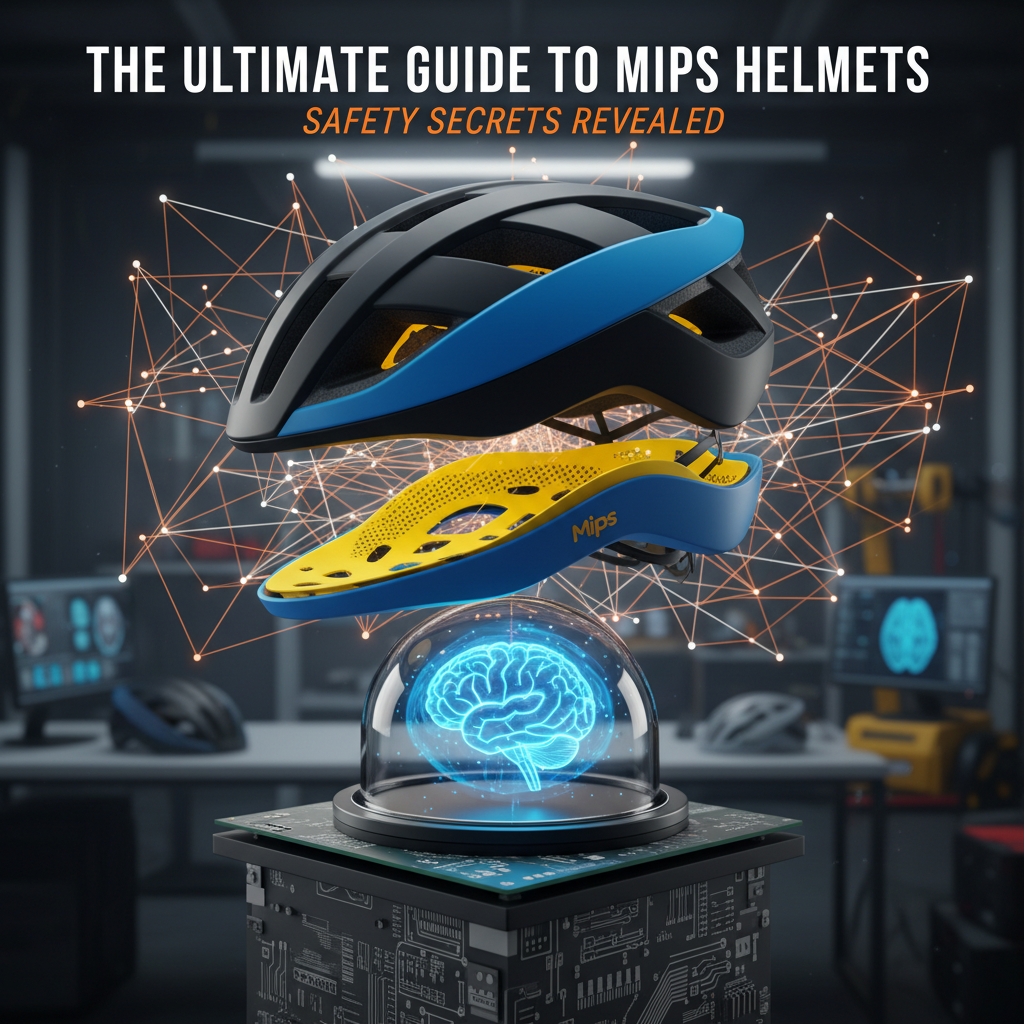
The Ultimate Guide to MIPS Helmets: Safety Secrets Revealed
What Are MIPS Helmets and Why Do They Matter for Brain Safety?
MIPS helmets are bicycle helmets that add a Multi-directional Impact Protection System layer designed to reduce harmful rotational forces during certain impacts. The key difference is that MIPS targets how the head and brain are affected by angled crashes, not just how the helmet absorbs a straight-on hit.
For cyclists, that distinction matters because many real-world incidents involve impacts at an angle, producing rotation of the head. That head rotation is closely linked to concussion risk and other traumatic brain injury outcomes, which is why MIPS has become a widely recognized safety feature across major helmet brands.
Understanding MIPS Technology: The Science Behind the Layer
MIPS technology is defined as a low-friction interface inside a helmet that allows limited movement between the outer shell and the inner foam liner during a crash. This controlled slip is engineered to help reduce the rotational component of force transmitted to the head.
The system typically uses a thin, low-friction layer located between the helmet’s outer shell and its energy-absorbing foam. When the helmet experiences an oblique or angled impact, the layer enables a degree of relative motion, helping the helmet rotate slightly compared with the head underneath.
The goal is not to “prevent” all motion, but to manage it. In crash dynamics, rotational forces are a major driver of the strain the brain experiences, which is why concussion prevention strategies increasingly consider both linear and rotational loading.
Key Mechanism: What Happens During an Angled Impact?
During an oblique hit, MIPS helps the helmet respond with a designed slip/rotation rather than forcing the head to move in the same way immediately. The key difference is that this can reduce the amount of rotational energy transferred through the helmet to the skull and brain.
In practical terms, angled impacts are common in cycling because tires, pavement, curbs, handlebars, and other surfaces naturally create contact at a diagonal. MIPS is engineered for that scenario, where conventional foam-only thinking may not be sufficient.
Where MIPS Sits in the Helmet Build
MIPS layers are integrated between structural components inside the helmet, most often between the outer shell and the inner protective liner. The result is a helmet that can maintain comfort in normal riding while offering a different mechanical response in a crash.
Because helmet construction varies by brand and model, the exact internal design can differ, even though the protective concept remains consistent: controlled movement to address rotational effects.
MIPS vs. Traditional Helmets: What’s the Real Safety Advantage?
Traditional road and MTB helmets primarily focus on absorbing linear impact energy, while MIPS adds a rotational-force management strategy. The key difference is that MIPS is designed to improve protection when the impact involves angular forces.
To build credible expectations, it helps to know the safety standards helmets are tested against. In the United States, many cycling helmets are evaluated to ASTM F1447 (bicycle helmets) and, for skateboard and similar uses, ASTM F1492. Globally, certifications may include EN 1078 for bicycle helmets in Europe. These frameworks help evaluate protective performance, but they do not all explicitly target rotational effects in the same way that rotational-protection features attempt to address.
Direct Answer: Which Injury Mechanism Does MIPS Target?
MIPS is defined as a feature intended to reduce rotational forces associated with brain injury risk during certain impacts. It addresses head rotation mechanics that can contribute to concussions and traumatic brain injury.
While no helmet can eliminate concussion risk, expert consensus in helmet safety engineering emphasizes that managing both linear and rotational forces improves overall crash protection. MIPS’s widespread adoption across brands reflects this industry focus.
How Much Protection Improvement Should You Expect?
There is no single universal percentage claim that applies to every crash, rider, and helmet model. However, the engineering intent is consistent: reduce rotational acceleration transferred to the head during angled impacts.
When comparing models, focus on verified safety testing, correct fit, and the presence of a properly integrated MIPS system, rather than marketing-only promises.
Benefits of MIPS Helmets Beyond Safety: Fit, Comfort, and Versatility
The most important benefit of MIPS helmets is enhanced protection for angled impacts, but comfort and versatility are also practical advantages. The right MIPS helmet can feel stable in daily riding while providing the added safety layer when it matters.
Many MIPS models include features cyclists actually notice on long rides: aerodynamic shaping for road use, improved ventilation channels for warm climates, and integrated fit systems for dialed-in pressure distribution.
Better Coverage for Common Riding Styles
MIPS helmets are available for road cycling, gravel, commuting, and mountain biking, which makes it easier to choose a helmet that matches your riding environment. The key difference is that the MIPS layer can be paired with different shell geometries and coverage zones tailored to those disciplines.
- Road helmets: typically emphasize aerodynamics and airflow for sustained speed and long climbs.
- Mountain bike helmets: often prioritize extended coverage over the sides and back, plus rugged construction.
- Commuter helmets: may balance styling with visibility options such as reflective elements.
Comfort Features You Should Look For
Even with advanced safety technology, a helmet must fit correctly to perform as intended. Look for adjustable straps, removable or adjustable fit pads, and a dial or tensioner system that allows a secure, repeatable fit.
- Adjustable retention straps for stability without excessive pressure points.
- Removable padding to fine-tune fit across seasons.
- Multiple sizes and dial range to avoid choosing a “nearly right” size.
How to Choose the Right MIPS Helmet: Fit, Standards, and Ride Type
The right MIPS helmet is the one that fits your head securely, meets relevant safety certifications, and matches your riding style. The key difference is that fit quality often determines real-world protection as much as technology.
Before you compare features, confirm that the helmet is appropriately certified for your region and use case. Then prioritize fit: a helmet that is loose can shift during impact, while one that is overly tight can become uncomfortable and may be worn incorrectly.
Step-by-Step Fit Checklist (Use This Before You Buy)
A proper fit is defined as a helmet that sits level on your head, stays secure when you move it, and uses the retention system to prevent excessive wobble. Follow these practical checks:
- Position: the helmet should sit level so the front edge does not ride too far up your forehead.
- Wobble test: grasp the helmet and try to move it side-to-side and front-to-back; minimal movement is ideal.
- Strap setup: the straps should form a stable “Y” shape under the ear and buckle comfortably without twisting.
- Comfort check: wear it for several minutes; pressure should be even, not concentrated on one hotspot.
Helmet Standards to Verify (So You Know It’s Legit)
Safety standards are defined as formal testing and certification requirements established by recognized organizations. Before purchase, confirm the helmet lists compliance with the standards applicable to your region.
- ASTM F1447 for bicycle helmets in the United States (commonly indicated on product documentation).
- EN 1078 in many European contexts.
- AS/NZS markings may apply depending on the market and distribution.
If a helmet’s safety labeling is unclear, it’s reasonable to choose a different model with transparent certification information.
7 Common Helmet Certification Marks You May See on MIPS Helmets
| # | Certification / Standard | Where It’s Common | Main Helmet Category | What You’re Verifying | Fit-to-Ride Match |
|---|---|---|---|---|---|
| 1 | ASTM F1447 | United States | Bicycle helmets | Performance requirements for rider head protection | ★★★★☆ |
| 2 | EN 1078 | Europe (and many import markets) | Bicycle helmets | Tested protective performance for cycling use | ★★★★☆ |
| 3 | AS/NZS 2063 | Australia & New Zealand | Cycling and bicycle helmets (market-dependent) | Requirements used for helmet compliance in these regions | ★★★☆☆ |
| 4 | CPSC (16 CFR Part 1203) | United States | Children’s bicycle helmets | Regulatory performance requirements for consumer helmets | ★★★☆☆ |
| 5 | Snell B-95 | United States (voluntary testing program) | Bicycle helmets | Additional voluntary safety performance certification | ★★★★☆ |
| 6 | ASTM F1492 | United States | Skateboard-style and certain action-sport helmets | Protective performance requirements for the intended sport category | ★★☆☆☆ |
| 7 | EN 12492 | Europe (and import markets) | Climbing / mountaineering helmets (not typical bike-only) | Protective requirements for climbing helmet use | ★★☆☆☆ |
Choose a MIPS Helmet for Your Terrain
Pick your helmet based on the riding discipline you do most, because coverage and durability needs change. The key difference is that mountain biking impacts can involve more side impacts and rough surfaces, while road riding often emphasizes ventilation and weight.
- Road cyclists: look for strong ventilation, stable fit, and aerodynamic shaping.
- Gravel riders: prioritize coverage, all-day comfort, and practical strap stability.
- Mountain bikers: choose more coverage and rugged construction, especially around the temples.
- Commuters: ensure visibility features and comfortable everyday wear.
MIPS Helmet Brands: Popular Models Worth Comparing
Several major cycling brands offer MIPS helmets, including Giro, Bell, POC, and others. The most reliable approach is to compare models by size range, fit system quality, ventilation, and certification details—then confirm that MIPS is integrated as advertised.
Giro MIPS Helmets (Road and Trail Options)
Giro is known for combining performance-oriented design with advanced comfort features, and it has multiple MIPS-equipped options. The key difference among Giro models is how they balance ventilation, weight, and coverage for different riding styles.
Commonly referenced examples in the market include road-focused lines such as the Giro Manifest MIPS and multi-sport or endurance-oriented options like the Giro Caden MIPS.
Bell MIPS Helmets (Performance and Fit Systems)
Bell’s MIPS models typically emphasize adjustability and mainstream aerodynamic or sport-fit designs. The key difference is often the fit dial system and how the brand tunes strap geometry for day-long stability.
One frequently cited example is the Bell Sanction MIPS, which is often marketed toward riders seeking a secure, performance-minded fit.
POC MIPS Helmets (Durability and Protection Focus)
POC often targets riders who want confident protection, robust construction, and an emphasis on coverage. The key difference is how POC designs helmet shapes to support trail or aggressive riding needs.
Examples you may see include the POC Tectal Race Spin and POC Obex Spin MIPS, depending on region and model availability.
Common Questions About MIPS Helmets (Direct Answers)
Do MIPS helmets still meet safety standards?
Yes, MIPS-equipped helmets are designed to comply with applicable helmet safety standards and certification requirements. The key difference is that they add an additional rotational-protection layer on top of conventional impact energy management.
Will MIPS make the helmet feel looser or less stable?
In normal riding, a properly fitted MIPS helmet should feel secure, with only controlled movement expected in specific crash conditions. The key difference is that the low-friction system is engineered to allow slip/rotation during impacts, not to create everyday wobble.
Is MIPS suitable for children and youth riders?
MIPS can be available in youth-appropriate helmet models, but the safest approach is to choose a helmet that is certified for the child’s age group and head size. The key difference is that fit and sizing accuracy are even more critical for younger riders.
How should you maintain or replace a MIPS helmet?
Helmets should be replaced after a significant impact or if the helmet shows damage, because internal foam and suspension systems can degrade even if the exterior looks fine. The key difference is that protective performance depends on the integrity of the helmet after any crash.
Real-World Safety Tips: Getting the Most From Your MIPS Helmet
Even the best helmet technology provides the greatest benefit when paired with correct fit and smart riding habits. The key difference is that your risk reduction comes from both equipment performance and crash-prevention decisions.
- Replace after impacts: if your helmet has been in a crash, treat it as potentially compromised.
- Adjust every ride: strap tension and helmet position should be checked regularly.
- Wear it properly: no riding “loose” or with straps improperly routed.
- Choose the right size: do not downsize to gain a snug feel or upsize for comfort.
Conclusion: Your Best Protection Starts With Fit Plus MIPS Technology
MIPS helmets are designed to address the rotational forces linked to concussion risk by using a low-friction layer that allows limited movement during angled impacts. The key difference is that they complement traditional impact absorption with rotational-force management.
If you want the most reliable safety outcome, pair a MIPS helmet with correct sizing, verified certification markings, and a fit system that stays stable on your head. For cyclists, that combination is the most practical way to turn advanced helmet engineering into real protection on every ride.
The Ultimate Guide to MIPS Helmets: Safety Secrets Revealed — FAQ
What does MIPS mean on a helmet, and how does it work?
MIPS stands for the “Multi-directional Impact Protection System.” It’s designed to reduce certain types of brain rotation that can occur during angled impacts. Many helmet designs manage straight-on impacts well, but angled forces can cause the head to rotate within the helmet, increasing rotational stress on the brain. A MIPS system typically uses a low-friction layer or a specialized liner that allows a small amount of relative motion between the outer shell and the head-protective layer. During an impact, that controlled slip helps redirect energy and reduce rotational acceleration transmitted to the head, while still maintaining stability during normal use.
Are MIPS helmets safer than non-MIPS helmets?
In many real-world scenarios, MIPS technology can improve protection—especially for angled impacts—compared with helmets that lack a multi-directional slip layer. However, “safer” depends on more than just MIPS. Helmet safety is influenced by fit, comfort (which affects whether you wear it correctly), coverage, impact testing standards, retention system performance, and overall helmet construction. A properly fitted, certified helmet with MIPS can offer an added layer of protection in rotational impact conditions, but the best choice is the helmet that meets recognized safety certifications and fits your head securely and comfortably.
Will a MIPS helmet feel different or fit differently than my current helmet?
Some riders notice the feel of the liner, padding, or headband system because MIPS introduces a slip plane or a specialized layer inside the helmet. This doesn’t necessarily mean the helmet will be loose—most MIPS-equipped helmets are engineered to remain stable during everyday movement. A correct fit should be snug all around, with minimal side-to-side wobble and no excessive vertical movement. If you feel the helmet “shifting” during normal motion, re-check the size, retention settings, and how the straps sit. The goal is to allow controlled motion only under impact forces, not to create a loose fit.
How can I check if my helmet actually has MIPS?
Start by looking for the MIPS logo, label, or branding on the helmet’s exterior packaging, manual, or inside the shell (often near the straps or liner). Many brands clearly state “MIPS,” “MIPS-equipped,” or a similar designation in the product description. If the listing is unclear, check the manufacturer’s website for the exact model number and specifications. Keep in mind that helmet technologies evolve—some brands use variants or different multi-impact protection terms—so it’s important to confirm the exact system referenced in the product details.
What’s the best way to get the most protection from a MIPS helmet?
To maximize protection, focus on fit, correct wear, and maintenance. First, choose the right size using the manufacturer’s sizing chart and measure your head circumference accurately. When worn, the helmet should sit level on your forehead (not tilted back), cover the forehead appropriately, and have the retention straps adjusted so they form a secure “Y” shape under each ear. Tighten until the helmet doesn’t move excessively when you gently shake your head, but avoid discomfort that encourages you to wear it looser later. Wear the chin strap every time, keep the helmet in good condition, and replace it after any significant impact (even if there’s no visible damage). Finally, ensure compatibility with any accessories (such as goggles or hair management) so the helmet remains stable and properly positioned.
References
- PubMed Search: Bicycle helmet effectiveness (systematic review) Google Scholar
https://pubmed.ncbi.nlm.nih.gov/?term=bicycle+helmet+effectiveness+systematic+review - Google Scholar Search: MIPS helmet safety Google Scholar
https://scholar.google.com/scholar?q=MIPS+helmet+safety - Google Scholar Search: Multidirectional Impact Protection System (MIPS) and bicycle helmets Google Scholar
https://scholar.google.com/scholar?q=multidirectional+impact+protection+system+bicycle+helmet - Multidirectional Impact Protection System (MIPS)
https://en.wikipedia.org/wiki/Multidirectional_Impact_Protection_System - Bicycle Helmet Safety and Traumatic Brain Injury Prevention (CDC)
https://www.cdc.gov/traumaticbraininjury/bicycle.html - Bicycle Helmet Safety (NHTSA)
https://www.nhtsa.gov/road-safety/bicycle-riders/bicycle-helmets - Road traffic injuries (includes helmet-related prevention) (WHO)
https://www.who.int/news-room/fact-sheets/detail/road-traffic-injuries - Traumatic Brain Injury (TBI) (NINDS/NIH)
https://www.ninds.nih.gov/health-information/disorders/traumatic-brain-injury-tbi
📅 Last Updated: July 06, 2026 | Topic: The Ultimate Guide to MIPS Helmets: Safety Secrets Revealed | Content verified for accuracy and freshness.