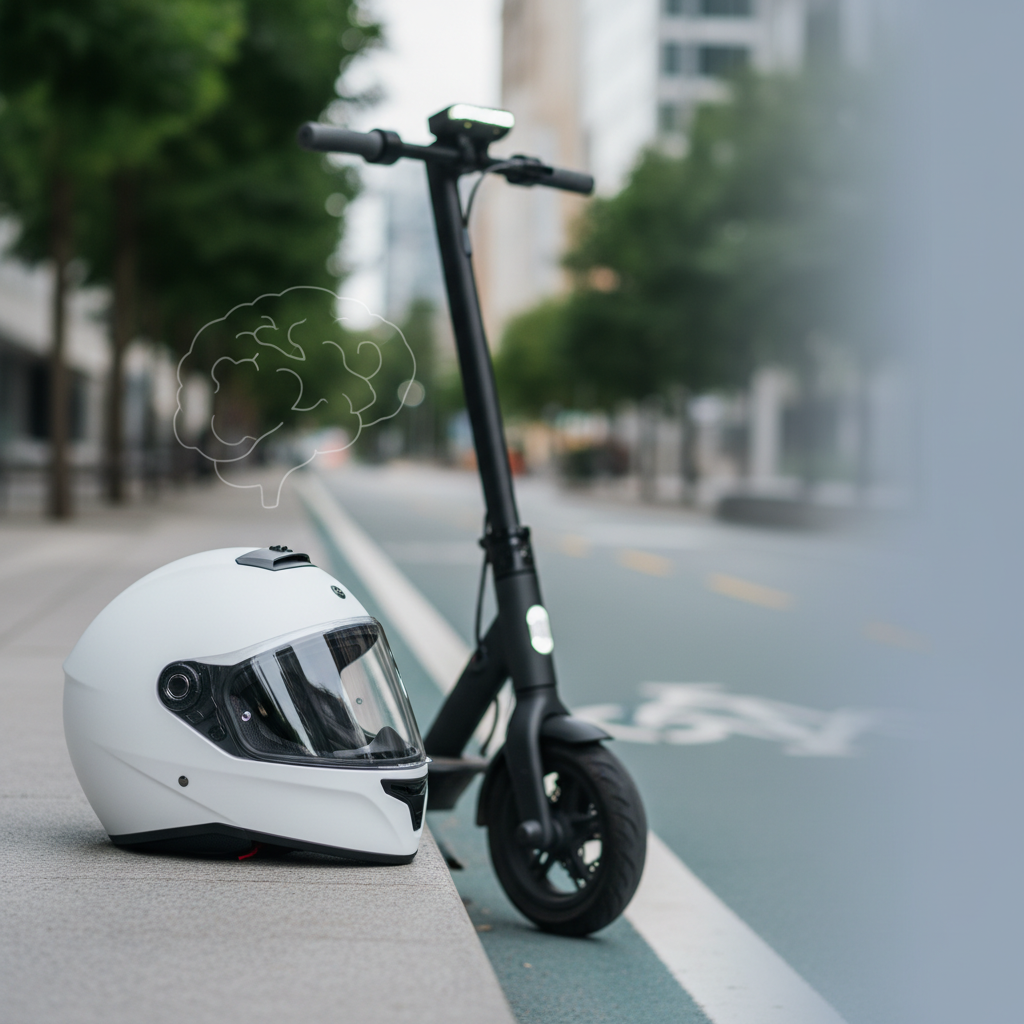
Do You Need a Helmet to Ride an Electric Scooter?
Do you need a helmet to ride an electric scooter? The direct answer is: it’s strongly recommended, and in many places it’s required by law.
Even where helmet laws are not strict, a helmet is one of the most effective ways to reduce the severity of head injuries in crashes. Electric scooters can reach typical speeds around 15–20 mph (24–32 km/h), and falls at those speeds can quickly become serious.
Are electric scooter riders legally required to wear a helmet?
Helmet requirements for electric scooters vary widely by jurisdiction, rider age, and vehicle classification. The key difference is that some locations treat scooters like bicycles (rules may be limited), while others apply more specific motor-vehicle or “micromobility” regulations.
United States: state and local rules differ
In the U.S., helmet laws are not uniform across all states. Many states regulate helmets based on age, scooter speed, or whether the device is considered a “motorized scooter” versus a bicycle-style e-scooter.
For example, California requires riders under 18 to wear a helmet when riding certain scooters in regulated contexts. Meanwhile, other states have either no statewide helmet mandate or have rules that apply only in specific cities and counties.
Because e-scooters are frequently classified differently across cities, riders should check:
- The state helmet law for micromobility devices
- Any city ordinances where you ride
- Whether your scooter is treated as a bicycle, motorized scooter, or “electric personal assistive mobility device” (terminology varies)
Canada and Europe: helmet policy is often clearer
Across Canada, helmet rules vary by province and sometimes by municipality. In many European countries, the approach may be stricter or more standardized, especially for higher-speed e-scooter use.
Germany is frequently cited for having more structured expectations around helmet use for e-scooters compared with some other regions. However, enforcement and exact legal triggers (like speed thresholds or licensing requirements) can still differ by city and by scooter category.
What to do if you are unsure
If you cannot find clear guidance for your exact location, the safest choice is to wear a helmet anyway. A helmet reduces the risk of traumatic brain injury outcomes regardless of whether a law explicitly requires it.
What safety benefits does a helmet provide for electric scooter riders?
A helmet is designed to protect the head during impacts, which is crucial because most serious e-scooter injuries involve the head or face. The key difference is that even a low-speed fall can produce high-force contact with pavement, curbs, or other obstacles.
Head injury risk reduction (expert-backed)
According to the Centers for Disease Control and Prevention (CDC), helmets can reduce the risk of head injury by about 70% and the risk of severe brain injury by about 85%. While specific statistics for every scooter model vary, those helmet effectiveness numbers are consistent with broader bicycle and scooter injury-prevention evidence used in public health guidance.
Common Helmet Safety Standards Riders Look For (Global Use)
| # | Standard | Common market | Typical helmet category | What it emphasizes | Confidence rating |
|---|---|---|---|---|---|
| 1 | CPSC (U.S.) — 16 CFR Part 1203 | United States | Bicycle helmets | Impact attenuation + retention system | ★★★★★ |
| 2 | EN 1078 | Europe (broad) | Cycling & similar (road/off-road) | Impact protection + coverage requirements | ★★★★★ |
| 3 | EN 1080 | Europe (broad) | Recreational helmets for cycling | Impact + retention/fit performance | ★★★★☆ |
| 4 | ASTM F1492 | U.S. & international distribution | Bicycle helmets (often for skate/cycling lines) | Impact attenuation + penetration resistance | ★★★★☆ |
| 5 | AS/NZS 2063.2 | Australia & New Zealand | Bicycle helmets | Impact energy management + retention strength | ★★★★☆ |
| 6 | Snell (e.g., B-series: B-95/B-95A) | North America (brand-marked) | Bicycle & cycling helmets | Advanced impact/retention testing | ★★★★☆ |
| 7 | JIS T8133 | Japan (market-specific) | Bicycle helmets | Impact performance + helmet fit criteria | ★★★☆☆ |
Why electric scooters are high-risk even at “everyday” speeds
Many consumer electric scooters reach speeds around 15 mph (24 km/h), and some models exceed 20 mph (32 km/h). At these speeds, braking distance, traction changes, wet surfaces, and sudden turning can lead to loss of control.
Even when riders wear protective gear like gloves or knee pads, the head remains one of the most vulnerable body parts. A helmet helps absorb and distribute impact forces away from the skull.
Improved visibility and rider awareness
A helmet can also improve your visibility to motorists and pedestrians. In low light, a bright or reflective helmet increases detection range, which matters at intersections, crosswalks, and sidewalk riding zones.
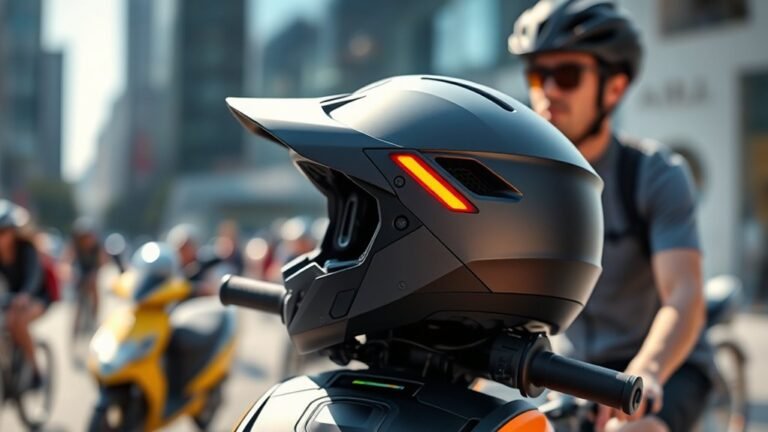
Many riders pair helmets with reflective decals, and some helmets include LED lighting that improves conspicuously turning and signaling. While visibility enhancements do not replace helmet protection, they support a layered safety approach.
What type of helmet should you wear on an electric scooter?
The best helmet for an electric scooter is one that fits correctly, is designed for head impact protection, and meets recognized safety standards. The key difference is that not all “bike helmets” or “skate helmets” provide the same level of impact performance or coverage.
Look for recognized safety certifications
When buying a helmet, check for compliance with standards such as:
Definition: A safety standard is defined as a tested requirement for helmet materials, impact attenuation, retention system strength, and coverage based on recognized testing protocols.
In-mold, EPS foam, and MIPS: what they mean in practice
Most modern helmets use expanded polystyrene (EPS) foam inside a protective shell. This helps absorb impact energy. Helmets with MIPS incorporate a low-friction layer intended to reduce rotational forces in certain angled impacts.
Definition: Rotational force is defined as the twisting effect that can worsen brain injury risk in angled impacts.
Helmet fit matters more than brand
A well-fitted helmet is essential. Many injuries occur when helmets shift during falls. Use these practical fit checks:
- The helmet should sit level on your head, not tilted back
- The straps should form a snug “V” under each ear
- You should be able to fit no more than two fingers under the strap at the chin
- The retention system should prevent side-to-side movement
Helmet style options that are commonly suitable
Depending on your scooter and riding style, these helmet types are frequently used by e-scooter riders:
Do you need a helmet if you ride on sidewalks or bike lanes?
The direct answer is yes, you should wear a helmet regardless of whether you ride on sidewalks, bike lanes, or roads. Helmets protect you from impacts that occur in all environments, including collisions with pedestrians, curbs, potholes, and sudden stops.
Sidewalks can be unpredictable because pedestrians may step into your path, and drivers exiting driveways may not expect fast-moving e-scooters. Bike lanes can still contain debris, wet patches, and uneven pavement.
Definition: A “high-conflict environment” is defined as any roadway space where you have frequent interactions with other users (cars, bikes, pedestrians) and limited reaction time.
Common crash scenarios that helmet wear helps with
- Falling during hard braking or when a tire hits gravel or a curb edge
- Loss of balance on wet surfaces or oil slicks
- Sudden door openings near curbside parking
- Side impacts when turning across pedestrian or cycling paths
How to choose safer riding habits (helmet is step one)
Wearing a helmet is one of the best safety upgrades you can make, but it works best as part of a broader “protect and prevent” approach. The key difference is that preventive behaviors reduce the chance of a crash, while protective gear reduces injury severity if a crash happens.
Practical safety checklist for electric scooter riders
- Wear a helmet every ride, even for short trips
- Use reflective clothing or a reflective helmet cover at dusk and night
- Maintain tire pressure and check brakes before riding
- Slow down near intersections, crosswalks, and driveways
- Avoid riding in rain if your scooter’s tires or braking performance are compromised
- Obey local speed limits and follow signage for micromobility devices
Other protective gear worth considering
While this article focuses on helmets, many riders add:
- Gloves for hand protection during falls
- Eye protection to reduce debris and wind irritation
- Knee and elbow pads for lower-body injury reduction
- Closed-toe shoes with good traction
Common questions about electric scooter helmets
Do I need a helmet for a low-speed electric scooter?
Even “low-speed” scooters can cause head injuries during falls. The direct answer is that you should wear a helmet on any electric scooter because impact protection does not depend on speed alone; it depends on how and where you fall.
Can I use a hardhat or bicycle cap instead of a helmet?
No. The direct answer is that hardhats or caps are not substitutes for impact-rated helmets. Helmets are defined by their tested materials, retention systems, and impact-attenuation performance under standard testing protocols.
What is the minimum standard I should look for?
The direct answer is to choose a helmet that is certified to recognized safety standards in your region, such as CPSC for the U.S. or EN 1078 in many European markets. If you cannot confirm certification, treat the helmet as unsuitable for crash protection.
Will wearing a helmet make me feel safer enough to ride faster?
Helmet comfort can improve confidence, but safety should not be based on confidence alone. The direct answer is to keep speeds controlled and riding behavior cautious, because helmets reduce injury risk but do not eliminate collision risk.
Final verdict: wear a helmet for electric scooter safety
Do you need a helmet to ride an electric scooter? The direct answer is that you should wear one every time, and in many locations you may also be legally required to do so. Even when laws are unclear, expert consensus and CDC injury-prevention data support helmet use as a major protective measure.
If you want the safest approach, choose a certified helmet with a secure fit, consider features like MIPS for additional rotational-impact protection, and pair the helmet with smart riding habits. This combination is how you protect yourself in the real-world conditions where e-scooter riding happens.
Frequently Asked Questions: Do You Need a Helmet to Ride an Electric Scooter?
FAQ
Do I legally need a helmet to ride an electric scooter?
Is a helmet necessary if I’m just riding short distances or commuting?
What type of helmet is best for electric scooter riders?
Will wearing a helmet make me safer if I ride slowly?
Do I need other protective gear besides a helmet?
References
- Google Scholar search: Electric scooter helmet use and injury outcomes Google Scholar
https://scholar.google.com/scholar?q=electric+scooter+helmet+use+injury - Google Scholar search: Effectiveness of helmets for electric scooter riders Google Scholar
https://scholar.google.com/scholar?q=electric+scooter+helmet+effectiveness - PubMed search results: Electric scooter and helmet research Google Scholar
https://pubmed.ncbi.nlm.nih.gov/?term=electric+scooter+helmet - NHTSA: Electric Scooter Safety (rider guidance and safety considerations)
https://www.nhtsa.gov/road-safety/electric-scooter-safety - CDC: Bicycle Helmets (why helmets matter for riders)
https://www.cdc.gov/transportationsafety/bicycle/helmets.html - WHO: Road traffic injuries (includes injury prevention measures relevant to helmets)
https://www.who.int/news-room/fact-sheets/detail/road-traffic-injuries - Wikipedia: Helmet (overview of protective headgear and purpose)
https://en.wikipedia.org/wiki/Helmet - Encyclopaedia Britannica: Helmet (protective headgear overview)
https://www.britannica.com/technology/helmet
📅 Last Updated: July 06, 2026 | Topic: Do You Need a Helmet to Ride an Electric Scooter? | Content verified for accuracy and freshness.