Whitewater Rafting Helmet Buying Guide
Whitewater Rafting Helmet Buying Guide: What to Look for First
Choosing the right whitewater rafting helmet starts with fit, then moves to impact protection, coverage, and certified safety performance. In practice, the best helmet is the one that stays secure on your head during tumbling, does not interfere with your movement, and has recognized safety testing behind it.
Why a Proper Fit Matters More Than Any Feature
A properly fitted helmet is defined as one that remains stable on your head during sudden movement and provides consistent coverage without pressure points. The key difference is that a poorly fitting helmet may shift during impact or cap contact, reducing real-world protection.
How should a rafting helmet fit?
A helmet should feel snug all around, not tight in one spot. Most whitewater helmets use an adjustable dial or retention system so you can dial in head size and stabilize the shell when you lean, paddle, or get thrown from the boat.
For many riders, a secure retention system is the deciding factor after the initial sizing chart. Fit is also influenced by hair styles, a hood, or a neoprene cap, so if you paddle in cold water, plan to size and test with the layers you will actually wear.
Quick fit checklist (before your first run)
Use this practical checklist at home or in the outfitter shop:
- Minimal wobble: grasp the helmet with both hands and gently try to rotate it; it should resist movement.
- No pressure hot spots: check the forehead, temples, and back of the head for uncomfortable points.
- Stable even when moving: shake your head side to side and nod; the helmet should stay put.
- Retention strap position: the strap should form a comfortable Y or similar arrangement and sit under the chin without twisting.
- Spacing is consistent: liners and pads should make uniform contact so protection is not concentrated in one area.
Whitewater Helmet Size Guide (Head Circumference Ranges)
| # | Helmet Size | Head Circ. (cm) | Head Circ. (in) | Stability Fit Target |
|---|---|---|---|---|
| 1 | XS | 49–51 | 19.3–20.1 | ★ ★ ★ ☆ ☆ |
| 2 | S | 52–54 | 20.5–21.3 | ★ ★ ★ ★ ★ |
| 3 | M | 55–56 | 21.7–22.0 | ★ ★ ★ ★ ★ |
| 4 | L | 57–58 | 22.4–22.8 | ★ ★ ★ ★ ★ |
| 5 | XL | 59–60 | 23.2–23.6 | ★ ★ ★ ★ ☆ |
| 6 | XXL | 61–62 | 24.0–24.4 | ★ ★ ★ ★ ☆ |
| 7 | XXXL | 63–64 | 24.8–25.2 | ★ ★ ★ ☆ ☆ |
Common questions about helmet fit
Question: Should I size up for comfort?
Answer: No. If the helmet shifts, it can reduce protection. You can usually solve comfort issues with pad adjustment or a different model rather than sizing up.
Question: Does my helmet need to fit with a hat?
Answer: If you regularly wear a neoprene hood or cap, test the helmet with those layers. Many whitewater paddlers use lightweight caps in colder seasons.
Helmet Materials and Construction: Lightweight Without Compromise
Whitewater rafting helmets are built to combine low weight with strong impact resistance. The key difference is that the shell material and the internal liner system work together to manage shock forces and reduce penetration risk.
What shell materials are most common in rafting helmets?
Many reputable models use polycarbonate shells, fiberglass, or a combination of composite materials. Polycarbonate is defined as a tough thermoplastic known for durable impact resistance and long-term resilience, while fiberglass is known for strong structural performance in composite designs.
Look for construction features such as:
- Multi-point shell structure: supports energy distribution during impacts.
- Internal shock-absorbing liner: designed to compress and reduce peak forces on your skull.
- Rigidity at the crown: a consistent protective structure at the highest impact zone.
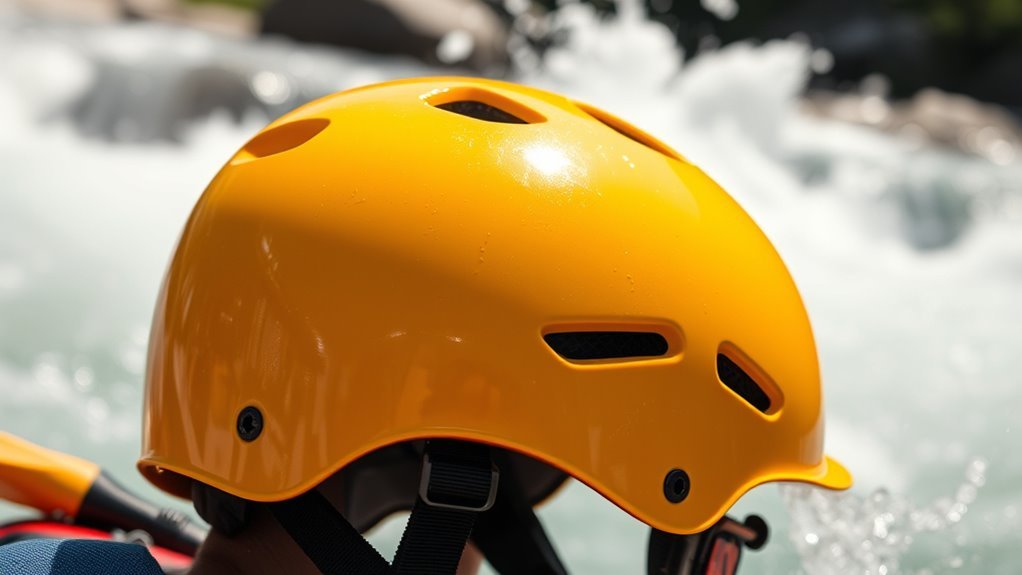
- Ventilation channels: helps manage heat without creating weak points.
How to evaluate interior comfort and protection
The interior is where comfort and safety meet. A quality foam or EPS/EPP-style liner system is defined as the material layer that absorbs impact energy by controlled deformation.
When comparing helmets, check whether the liner or pad system is replaceable and adjustable. Replaceable components matter because helmets can lose fit over time, and good fit is a safety issue—not just a comfort issue.
Do ventilation systems affect safety?
Ventilation can be a performance advantage for long days on warm rivers. The key difference is that ventilation design should not compromise coverage or structural integrity. Choose helmets from established brands that engineer vents with impact protection in mind, rather than relying on open, unreinforced cutouts.
Safety Standards and Certifications You Should Actually Verify
Safety standards and certifications are defined as third-party testing requirements that evaluate helmet performance in scenarios like impact and penetration. Checking certification labels is one of the most reliable ways to confirm that a helmet meets widely accepted minimum protection criteria.
Which certifications matter for whitewater rafting helmets?
Look for recognized marks such as CE, ANSI, or ASTM as applicable to the helmet category and region. Helmets that meet these standards have been tested for attributes such as impact attenuation, stability, and resistance to penetration.
Common label meanings you may encounter:
- CE marking: indicates compliance with European safety requirements for protective equipment.
- ANSI certification: indicates compliance with U.S. safety testing frameworks for head protection.
- ASTM references: often appear in product documentation related to material and protective testing methods.
Note: exact test standards can vary by helmet type and manufacturer claims. When in doubt, review the brand’s documentation or ask the outfitter which standards they require for their trips.
Why certifications outperform “marketing claims”
Marketing language like “ultra-protective” is not a substitute for testing. Expert consensus across protective gear engineering is that measurable performance under standardized conditions is what supports trust in safety equipment.
If you want a practical rule: if a helmet does not clearly state recognized certification information, treat it as a higher risk purchase—especially for higher-grade rapids.
Conversational QA: Do I need both CE and ANSI?
Question: If a helmet has CE but not ANSI, is it still safe?
Answer: It can be, depending on the specific certification scope and test category. What matters most is that the helmet is certified to a recognized standard relevant to its protective function and that it fits correctly.
Full-Face vs Open-Face: Coverage Choices for Different River Conditions
Choosing between full-face and open-face helmets affects how much coverage you get around the jaw and face. The key difference is that full-face designs typically provide more comprehensive protection, while open-face designs prioritize ventilation and unrestricted visibility.
When full-face helmets make sense
Full-face helmets are often preferred when risk factors include tight passages, high volume water, or environments where facial impact is a realistic concern. Riders who wear glasses or have specific facial protection needs may find that full-face designs offer better coverage consistency.
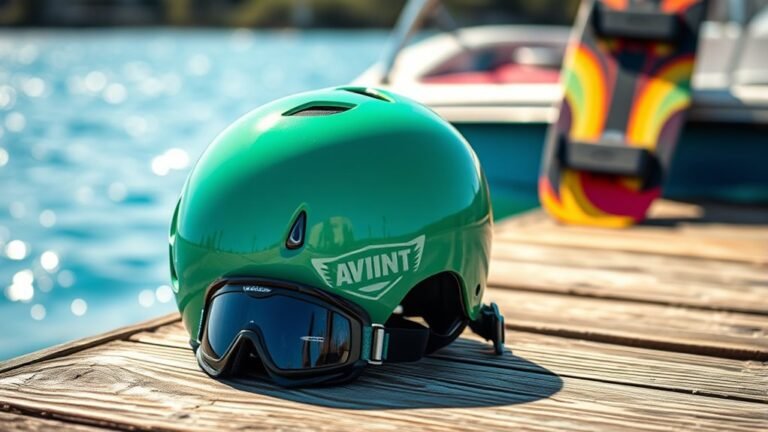
Full-face helmets can also pair well with appropriate goggles or eyewear systems, improving impact resistance for the face area and supporting stable vision.
When open-face helmets may be the better fit
Open-face helmets can be an excellent choice for paddlers prioritizing:
- Heat management: more airflow for warm water or long sessions.
- Vision: easier peripheral awareness in technical reads.
- Sound and communication: less facial enclosure can make it easier to hear teammates on the raft.
If your trip guidelines focus on helmet-to-standard compliance but do not require full-face coverage, an open-face helmet can still be a safe, practical option when it fits properly and meets certification criteria.
Conversational QA: Which helmet is “safer” overall?
Question: Are full-face helmets always safer?
Answer: Full-face designs generally provide more facial coverage, but real-world safety depends on fit quality, certified performance, and how well the helmet stays positioned during impact. The best helmet is the certified one that remains secure.
Helmet Fit System Features That Improve Real-World Stability
A retention system is defined as the straps and adjustment mechanism that keep a helmet securely positioned on your head. Strong stability matters because whitewater impacts often involve twisting forces, not just direct forward hits.
Look for these retention features
- Dial or ratchet adjustment: quick micro-adjustment for a stable fit.
- Chin strap design: secure under the chin without excessive pressure.
- Anti-slip comfort pads: reduces movement during sweat-heavy paddling.
- Compatibility with goggles: avoids pressure conflicts with eyewear or goggle straps.
How to test stability like a real paddler
Before you paddle, wear the helmet, buckle the strap, then simulate movement. Turn your head quickly, lean forward, and practice the motion you make when reading rapids. If the helmet shifts, it is telling you something important about retention effectiveness.
Maintenance, Replacement, and Longevity: Protect Your Investment
Helmet maintenance is defined as cleaning, storage, and inspection routines that keep protective components in usable condition. The key difference is that a clean, well-maintained helmet is not the same as a helmet that has retained its protective integrity after a significant impact.
How to clean and store your helmet
Use mild soap and water to clean away river residue. Avoid harsh chemicals that can degrade shell surfaces or adhesives. Store your helmet in a cool, dry place away from direct sunlight for long periods.
When should you replace your whitewater helmet?
A general safety practice across protective gear is to replace helmets after significant impacts, visible damage, or if the fit system can no longer hold the helmet securely. Even small cracks or deformation can compromise protective performance.
Because models and materials differ, follow the manufacturer’s guidance for service life and impact replacement. If you cannot verify the helmet’s condition and history, treat it as a higher risk and consider replacement.
Conversational QA: Can I keep using a helmet after a drop?
Question: If I drop my helmet on the floor, do I need a new one?
Answer: If the helmet shows no damage and was a minor drop onto a soft surface, you may continue to use it after inspection. However, if it hit hard or shows any cracking, deformation, or loss of fit stability, replace it.
Buying Checklist: The Fastest Way to Choose the Right Helmet
Use this buying checklist to compare helmets quickly without missing the most important safety factors. The key difference is that this checklist prioritizes certified performance and real fit stability over aesthetics.
- Confirmed certification: verify CE/ANSI/ASTM information as applicable.
- Correct size: match head size using the manufacturer chart.
- Secure retention: adjust straps so the helmet stays stable during movement.
- Appropriate coverage: choose full-face or open-face for your typical trip risk profile.
- Reliable construction: look for known shell materials such as polycarbonate or composites and a shock-absorbing liner.
- Ventilation balance: ensure airflow meets your comfort needs without compromising coverage.
- Replaceable pads: helps maintain fit and comfort over time.
Frequently asked questions
Question: What size should I buy if I’m between sizes?
Answer: In most cases, choose the size that achieves a snug fit with minimal wobble. If you can’t get stable retention using the adjustment system, try the next size.
Question: Do I need a rafting-specific helmet instead of a bike helmet?
Answer: Yes. Whitewater rafting helmets are designed for the types of impacts and coverage expectations associated with paddling environments. Use helmets engineered and certified for whitewater protection.
Question: Are premium helmets worth the cost?
Answer: Often yes when premium models deliver certified protection, stable retention, and durable materials. The best value is the helmet that fits correctly and meets recognized safety standards for your trips.
Recommended Next Step Before You Paddle
Before your next rafting session, confirm your helmet’s certification documentation and complete a fit stability test with your chin strap fully buckled. Then inspect the helmet’s condition and ensure your coverage style matches the river risks you expect.
When you combine correct sizing, verified safety standards, and a retention system that stays locked in place, you create the foundation for confident paddling and effective impact protection on every run.
Whitewater Rafting Helmet Buying Guide — Frequently Asked Questions
What type of helmet do I need for whitewater rafting?
How do I choose the right size and fit for a rafting helmet?
What safety certifications should I look for?
How tight should the chin strap be, and what’s the correct way to adjust it?
How much ventilation and padding do I need for different rafting conditions?
References
- [B] The Ultimate Guide to Whitewater Rafting and River Camping Google Scholar
https://books.google.com/books?hl=en&lr=&id=24FUDwAAQBAJ&oi=fnd&pg=PP4&dq=Whitewater+Rafting+Helmet+Buying+Guide&ots=4dQCOhoQPY&sig=aa6Q8ihuq6AdLNpYwgn5S9wd4qk - [B] Whitewater safety and rescue: essential knowledge for canoeists, kayakers, and raft guides Google Scholar
https://books.google.com/books?hl=en&lr=&id=psIJEQAAQBAJ&oi=fnd&pg=PP1&dq=Whitewater+Rafting+Helmet+Buying+Guide&ots=KZIUu1hgH_&sig=8TKkwOgEy3Kk7yP135L1QZZuOyE - Whitewater tourism Google Scholar
https://books.google.com/books?hl=en&lr=&id=EpEvuRK4CHUC&oi=fnd&pg=PA181&dq=Whitewater+Rafting+Helmet+Buying+Guide&ots=7lbKJSq3gx&sig=XaMy0UxgIW02E6SLlv_Ztyc96Gs - [B] White water safety and rescue Google Scholar
https://books.google.com/books?hl=en&lr=&id=NOgaDt35V3AC&oi=fnd&pg=PA7&dq=Whitewater+Rafting+Helmet+Buying+Guide&ots=1xVzPeswC3&sig=00WA0vL9nkSoWzmNXGNVuMUTMDU - 1 1 White-water Tourism Google Scholar
https://www.academia.edu/download/37694244/White-water_tourism_in_River_Tourism.pdf
📅 Last Updated: July 07, 2026 | Topic: Whitewater Rafting Helmet Buying Guide | Content verified for accuracy and freshness.