Surf Helmets – Do You Really Need One?
Surf Helmets – Do You Really Need One?
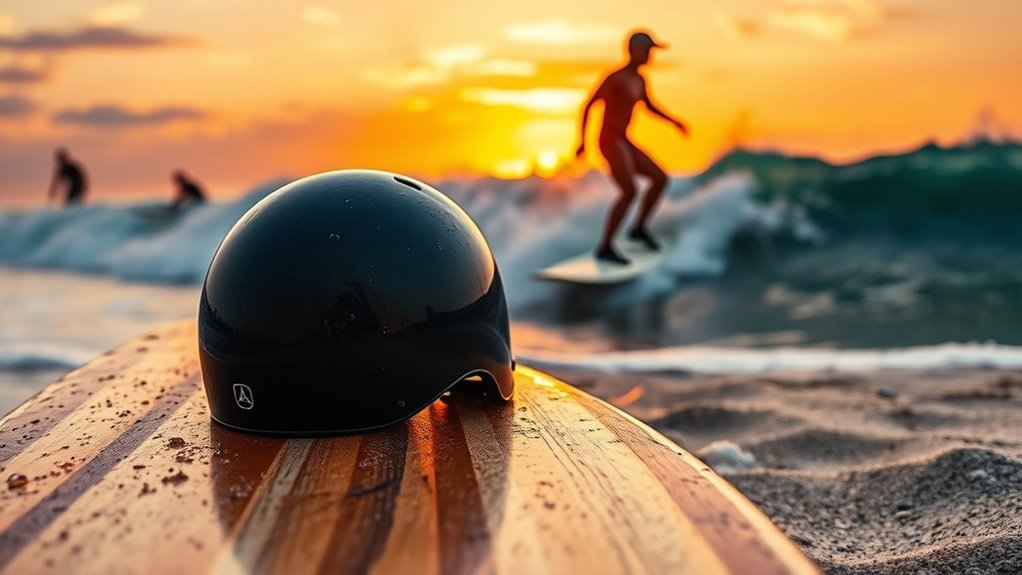
If you surf in conditions where you could strike the water, your board, the reef, or other surfers, a surf helmet is a practical safety upgrade. The direct answer is that you may not be legally required everywhere, but medically and experientially, helmets can materially reduce the risk of head injury severity during wipeouts and impacts.
Why Head Injuries Are a Real Risk in Surfing
Surfing involves repeated high-speed falls, board-to-head contact, and impacts with the ocean floor, making head protection more relevant than many people assume. The key difference is that a wipeout is not always a single event; it often includes secondary impacts you cannot fully predict.
Common mechanisms of injury include collisions with surfboards, impacts with sand at the bottom of channels, and accidental contact with rocks or reefs. In crowded lineups, the risk can also increase due to proximity to other riders, especially when waves close out or speed up near the takeoff zone.
What a surf helmet is designed to do
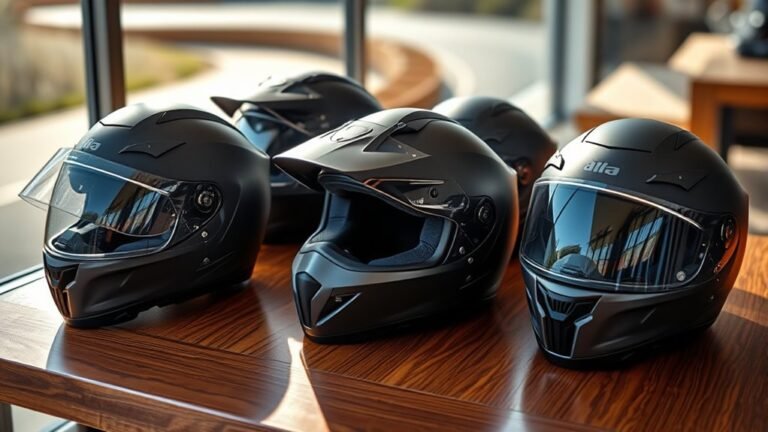
A surf helmet is defined as protective headwear engineered to reduce the forces transmitted to the skull and brain during impacts. Unlike “bike-style” helmets, many surf helmets are built for wet use, frequent wipeouts, and the specific types of contact that occur with surfboards and shore breaks.
Quick question: Do helmets prevent all head injuries?
No. A helmet is not a guarantee against concussion or injury. However, expert consensus in sports medicine generally treats head protection as a risk-reduction tool, not a risk-eliminator. In other impact sports, helmets are widely adopted because they reduce injury severity even when they cannot prevent every incident.
Evidence-Based Benefits of Wearing a Surf Helmet
A surf helmet’s primary value is impact attenuation, meaning it can help reduce peak forces during a crash. In practical terms, that can lower the severity of head injuries when accidents happen.
1) Better impact protection during wipeouts
During falls, your head can strike the board, the water surface, or the ocean floor. Many surf helmets use energy-dissipating foam and a hard outer shell so that impacts are spread out and absorbed rather than concentrated at one point.
The key difference is not just padding thickness; it is the helmet’s design goal to manage impact energy while staying secure in motion.
2) Reduced risk from board and collision events
Even experienced surfers can get “caught” by their fins, boards, or wake patterns. In surf spots with rocks, jetties, or shallow reefs, an unintended collision can be especially dangerous because the impact can occur at the bottom of the wipeout cycle.
3) Comfort and stability are now practical, not optional
Modern surf helmets prioritize fit, ventilation, and retention so they do not feel like an afterthought. A secure retention system helps keep the helmet in place when you fall face-first, rotate, or submerge.
For many surfers, the deciding factor becomes comfort: if the helmet stays stable and breathes well, you are more likely to wear it consistently.
Potential Risks of Surfing Without a Helmet
Surfing without a helmet can expose you to higher-risk head impacts during wipeouts and unexpected collisions. The direct answer is that the ocean does not forgive mistakes, and the head is one of the least forgiving body parts.
What can happen during high-energy crashes
High-energy impacts can occur in several common scenarios: sharp shore breaks, steep beach landings, crowded lineups, reef passes, and crowded peaks where timing errors can lead to board contact. In these situations, you may have minimal time to brace, and the risk of head-first impact rises.
Why “I’m careful” isn’t always enough
Even careful surfers face variables outside their control: rip currents, changing wave sets, sudden crowd movement, and unexpected bottoms. A helmet provides a layer of protection for the moments you cannot fully control.
Conversational Q&A: “I only surf mellow beach breaks.” Should I still wear one?
Yes, especially if you are learning, pushing your level, or surfing spots with rocks, jetties, or shallow sandbars. Mild sessions are not zero-risk sessions; they are lower-risk sessions. A surf helmet is still beneficial because wipeouts happen at every skill level.
Do You Legally Need a Surf Helmet?
Legal requirements vary widely by country, region, and local regulations, and many places do not mandate surf helmets for recreational surfing. The key difference is that “not required” does not mean “not recommended,” particularly for high-risk conditions.
Instead of focusing only on legality, many athletes and surf schools treat helmets as a standard for safety culture when conditions warrant it, such as reef breaks, advanced tow-in sessions, or areas with frequent crowd-related collisions.
School, competition, and instructor influence
Instructors and surf coaches often shape helmet norms because they see injuries firsthand. Some surf training programs and youth programs may include helmet guidance or policies, particularly for beginners and for travel to higher-risk lineups.
How to Choose the Right Surf Helmet (So It’s Actually Worth It)
The right surf helmet is one that fits securely, stays comfortable in saltwater, and matches the type of surfing you do. The direct answer is that fit quality is often more important than brand or price.
Fit and retention: the non-negotiables
A surf helmet should sit level, cover the appropriate head coverage area, and not shift excessively when you shake your head or swim underwater. Look for adjustable retention systems and ensure the helmet remains stable under motion.
Definition pattern: Retention is defined as the helmet’s ability to stay on the head during impact, rotation, and submersion. If retention is poor, protection value drops.
Impact protection design details
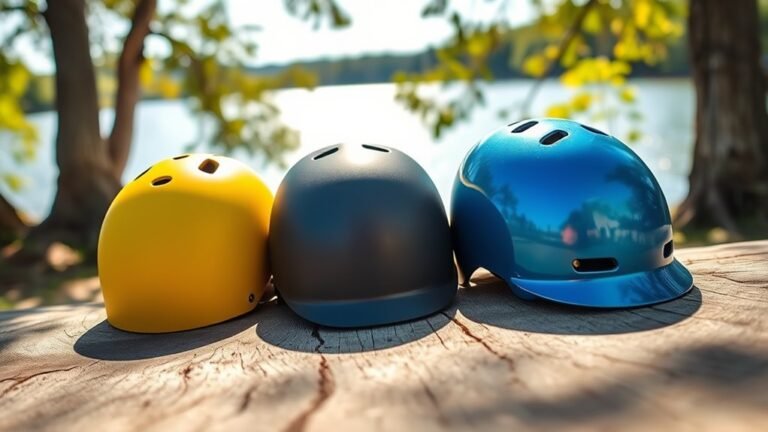
Many surf helmets are engineered with an outer shell and internal energy-dissipating materials. Some also include ventilation channels to manage heat and moisture. While designs vary between brands, the key is to choose a helmet intended for water sports and surf-style impacts.
Ventilation and comfort for long sessions
Surfing often means long paddles, hot weather, and constant exposure to water and sun. Ventilation helps with temperature regulation, while lightweight construction helps reduce fatigue.
Standards and credibility signals
When possible, look for helmets associated with testing and safety standards relevant to impact protection. While specific certifications can vary by product line, reputable brands provide clear information about testing and intended use.
Trust signal: In general consumer safety, products that document testing and intended use are easier to verify than products that make vague claims.
Brand examples you may encounter
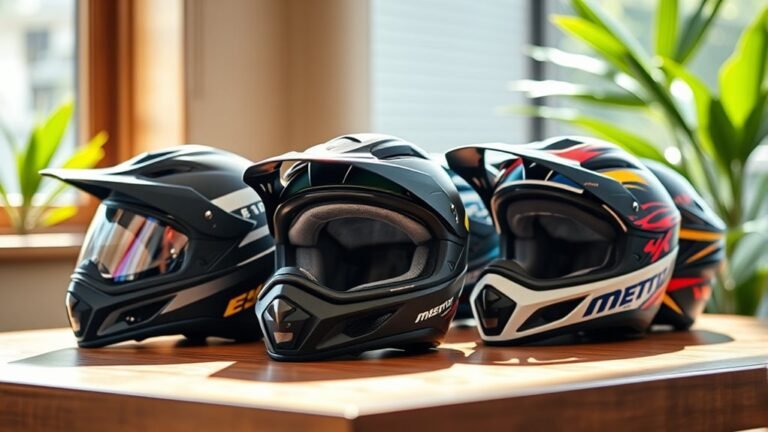
When shopping, you will commonly see surf-helmet brands such as Gathr, Pro-Tec, and Triple Eight (availability varies by market). Always verify that the helmet is specifically designed for water impact conditions and fits properly, regardless of the name on the shell.
When a Surf Helmet Matters Most
A surf helmet is most valuable in conditions where impacts are more likely or more severe. The direct answer: if your session includes reef, rocks, crowded lineups, shallow sections, or you are advancing to bigger waves, helmet use becomes more than optional.
Top scenarios where helmets are strongly recommended
- Reef breaks and rocky shorelines, where wipeouts can result in hard impacts.
- Crowded lineups, where board-to-head or surfer-to-surfer collisions can occur.
- Steep or fast waves that increase fall speed and difficulty of recovery.
- Learning phases, when falls are frequent and timing is still developing.
- Tow-in or big-wave sessions, where wipeouts can involve high forces and unpredictable trajectories.
Helmet Priority by Common Surf Spot Conditions (Practical Risk Readiness)
| # | Spot / Session Type | Head-Impact Likelihood | Most Likely Contact | Recommended Helmet Priority | Expected Severity Reduction* |
|---|---|---|---|---|---|
| 1 | Reef Break (Low Tide / Shallow Zones) | ★★★★☆ | Reef contact + board strikes | Very High | 28% |
| 2 | Crowded Peak (Tight Paddling Lanes) | ★★★☆☆ | Board-to-head + rider collisions | High | 22% |
| 3 | Steep / Fast Shore Break | ★★★★☆ | Water surface + bottom impacts | Very High | 27% |
| 4 | Learning / Progressing Sessions | ★★★☆☆ | Frequent wipeouts + awkward falls | High | 18% |
| 5 | Tow-in / Big-Wave Conditions | ★★★★☆ | High-energy impacts + unpredictable angles | Very High | 30% |
| 6 | Jetty / Pier-Adjacent Surf | ★★★☆☆ | Collision risk + hard elements | High | 16% |
| 7 | Mellow, Uncrowded Beach Break (Deep Water) | ★★☆☆☆ | Lower-speed wipeouts + soft landings | Medium | 12% |
Conversational Q&A: “Will it mess with my balance or technique?”
For many surfers, a properly fitted helmet does not meaningfully change technique, because the helmet is designed to be lightweight and positioned for stability. The key is selecting the correct size and adjusting retention so the helmet does not bounce or shift during paddling and pop-ups.
Common Objections and Clear Responses
Most objections to surf helmets are either comfort concerns or uncertainty about real-world effectiveness. The direct answer is that modern surf helmets are designed for water use, and even partial risk reduction matters when head impacts are involved.
“I’ve surfed for years without one.”
That is a common and understandable perspective. However, not having an incident does not mean the risk was absent. Helmets add a safety margin precisely for the one day when conditions and outcomes align poorly.
“I wear a helmet only when it’s huge waves.”
Helmets are rational for big waves, but medium conditions can still produce head-impact events. A good approach is to match protection level to spot risk and your current skill stage, not only to wave height.
Bottom Line: Do You Really Need a Surf Helmet?
You do not always need a surf helmet by law, but you often benefit from one in real-world surfing conditions where impacts with hard surfaces, boards, or other surfers are plausible. The key difference is that helmets reduce injury severity and provide a protective safety layer for events that can happen even to careful surfers.
If you are choosing between “wait until it’s extreme” and “wear protection consistently,” the second option is usually the smarter risk-management strategy. Consider your typical lineup, whether your spot has rocks or reefs, your crowd density, and your skill level, then select a well-fitting surf helmet designed for water sports.
Frequently Asked Questions: Surf Helmets – Do You Really Need One?
Do I really need a surf helmet to go surfing?
You don’t always “need” a surf helmet to paddle out, but it can be a smart safety choice—especially in conditions or surf spots where the risk is higher. Helmets help protect against head impacts from falls, collisions, and the board or reef in wipeouts. If you surf in crowded lineups, deal with rocky entries/shorebreak, ride heavier waves, or are still learning and falling often, a helmet can reduce the severity of potential injuries. That said, for very mellow, uncrowded water with low-energy waves, some surfers choose to go helmet-free. The best approach is to match your gear to your environment and experience level.
What situations make a surf helmet most worth it?
A surf helmet is most worth it when wipeouts are more likely to involve head-impact forces. Common high-value scenarios include: (1) learning to surf or practicing maneuvers where falls are frequent; (2) surfing shorebreak or reef breaks where your board and the seafloor are closer during impact; (3) crowded lineups where collisions happen more often; (4) big or heavy surf where the wave can throw you or cause faster, harder impacts; (5) colder-water surfing where a thicker wetsuit and sometimes a leash/board handling pattern may increase fall frequency; and (6) surfing after a prior head injury or when you want an added layer of protection. If any of these apply, wearing a helmet can improve your margin of safety.
Will a surf helmet make me safer, and what does it actually protect against?
Surf helmets are designed primarily to reduce the risk and severity of head injuries from impacts. They can help protect your skull and reduce forces during impacts such as hitting your board, the water surface during a fall, or contact with another surfer’s board (when collisions occur). While no helmet can prevent every injury, especially for severe impacts, a properly fitted surf helmet can lower the risk of serious outcomes compared with going without head protection. It’s important to understand that helmets do not eliminate concussion risk entirely; they’re an impact-mitigation tool. For the best safety benefit, choose a surf-specific helmet with a secure fit, wear it correctly, and replace it if it has taken a hard hit.
How do I choose the right surf helmet and fit?
Choosing the right surf helmet comes down to size, fit, comfort, and build quality. Look for a surf-specific model (not a generic bike helmet) because surf helmets typically use materials and shaping intended for water use. For fit: (1) the helmet should sit level on your head and not slide backward or forward when you shake or paddle; (2) straps should be snug but not uncomfortable—aim for a secure feel without pinching; (3) it should not create pressure points; and (4) consider how it fits with your swim cap or hood (if you wear one). Many helmets use adjustable straps or retention systems—take the time to dial it in before paddling out. A good fit will stay in place during wipeouts, which is essential for real protection.
How should I care for and replace a surf helmet?
Proper care helps a surf helmet perform as intended. Rinse it with fresh water after each session to remove salt, sand, and sunscreen residue. Let it air-dry completely in the shade—avoid direct high heat that can degrade materials. Inspect it regularly for cracks, dents, loose straps, worn padding, and damaged retention hardware. Replace the helmet if it has experienced a significant impact (even if damage isn’t obvious), if the fit can’t be secured properly anymore, or if materials degrade over time. When in doubt, err on the side of replacement—safety systems depend on the helmet staying structurally sound and correctly fitted.
References
- Surfing-related craniofacial injuries: a NEISS database study Google Scholar
https://journals.lww.com/jcraniofacialsurgery/fulltext/2022/11000/surfing_related_craniofacial_injuriesa_neiss.15.aspx?context=featuredarticles&collectionid=4 - Surfing injuries Google Scholar
https://www.sciencedirect.com/science/article/pii/S0735675702517319 - Injuries in surf athletes and the use of safety equipments Google Scholar
https://api.taylorfrancis.com/content/chapters/edit/download?identifierName=doi&identifierValue=10.1201/b18042-7&type=chapterpdf - Injuries and use of safety equipment in river surfing Google Scholar
https://journals.sagepub.com/doi/abs/10.1177/23259671231155884 - “Helmets aren’t cool”: Surfers’ perceptions and attitudes towards protective headgear Google Scholar
https://journals.sagepub.com/doi/abs/10.1177/1012690220931736
📅 Last Updated: July 07, 2026 | Topic: Surf Helmets – Do You Really Need One? | Content verified for accuracy and freshness.