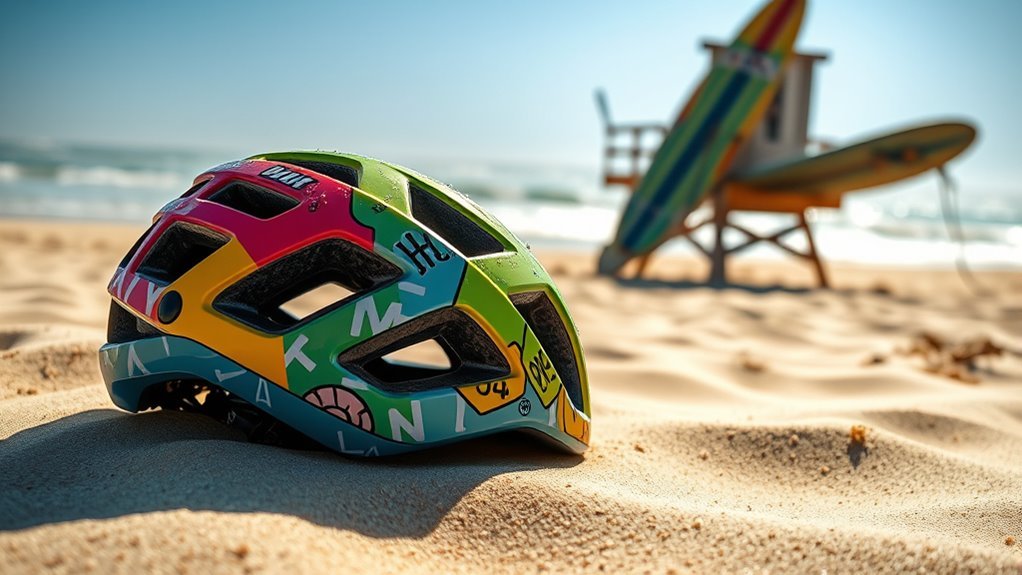
Can You Use a Bike Helmet for Water Sports?
Can You Use a Bike Helmet for Water Sports? The direct answer is no.
A bike helmet is designed for road cycling impacts on land, not for water environments like surf zones, wakes, docks, or capsizes. The key difference is that water sport helmets are engineered for aquatic-specific hazards, including flotation needs, strap security during submersion, and impact behavior that matches activities such as kayaking, wakeboarding, and waterskiing.
Why Bike Helmets Are Not Built for Aquatic Conditions
Bike helmets generally provide inadequate protection for water sports because their materials, fit systems, and testing standards do not account for aquatic impact patterns. While they can protect against certain head impacts on land, they are not intended to perform safely after a dunk, during repeated spray exposure, or during collisions with hard water features.
Bike helmet design focuses on land-based cycling risks
A conventional road or MTB (mountain bike) helmet typically uses expanded polystyrene (EPS) foam inside a hard outer shell to manage impact energy from falls or collisions. The key difference is that water sports often involve different impact mechanics, such as glancing blows on waves, impacts against rocks or platform edges, and falls where your head may hit at unusual angles after momentum changes in water.
Buoyancy and flotation are not part of bike helmet requirements
Most bike helmets are not designed to provide buoyancy or to maintain a stable position on the head if they become waterlogged. The key difference is defined by function: water sport helmets may include buoyant construction or integrated flotation that helps keep the helmet from sinking, drifting away, or shifting dangerously when you re-enter the water.
Water exposure can change performance and comfort
Bike helmets are not engineered around sustained exposure to salt water, freshwater, or repeated wetting. Once soaked, some helmet systems can feel heavier, trap water in the liner, or affect strap tension and overall comfort. This matters because comfort directly influences fit consistency, and fit is central to head protection.
Standards and test methods differ
Safety standards are the most reliable way to compare helmet intent and performance. Bicycle helmets are commonly evaluated under standards such as CPSC (Consumer Product Safety Commission) for bicycle use in the United States and EN 1078 in Europe. Water sport helmets, by contrast, are produced for water-specific protection scenarios and may comply with aquatic helmet testing frameworks that reflect the sport’s real-world risks. Using the wrong category of helmet means you are relying on a safety profile that was never validated for that environment.
What Makes a Water Sport Helmet Different?
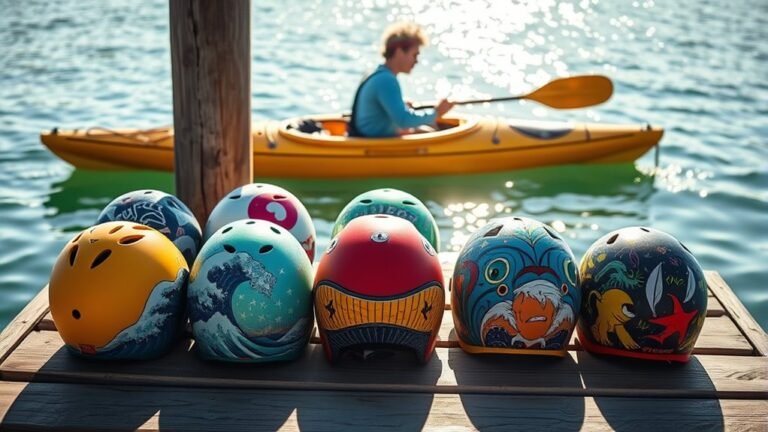
A water sport helmet is defined as headgear designed for aquatic activities and tested or engineered to manage water-specific hazards. The key difference is that it addresses flotation, strap security under wet conditions, and impact characteristics that reflect waves, boards, and water-based falls.
Common water sport helmet features
Although product designs vary by brand and sport, many water sport helmets share functional design elements that are not typical in bike helmets:
- Improved retention systems: secure chin straps and fit mechanisms intended to stay in place when wet or after repeated splashes.
- Water-aware materials: liners and shells selected for comfort and durability in saltwater and freshwater conditions.
- Flotation or buoyancy support: in many models, to help the helmet remain accessible after a capsize.
- Coverage tuned to the sport: helmets may cover additional areas depending on whether the sport involves frequent falls, high speeds, or board impacts.
- Ventilation designed for submersion: airflow patterns that help manage water flow without compromising stability.
Water Helmet Features That Best Address Aquatic Hazards (Practical Priority Score)
| # | Feature (Water-Sport Focus) | Priority (0–10) | Where It Matters Most | Support Level |
|---|---|---|---|---|
| 1 | Wet-ready chin strap retention | 9.6 | Capsizes, spray-heavy sessions | ★★★★★ |
| 2 | Buoyancy / float-assist construction | 9.1 | Surf zones, paddle falls | ★★★★★ |
| 3 | Water-tolerant liner & shell materials | 8.7 | Saltwater + repeated wetting | ★★★★☆ |
| 4 | Coverage tuned for board/edge impacts | 8.4 | Wakeboarding rails, board falls | ★★★★☆ |
| 5 | Submersion-aware ventilation & drainage paths | 7.9 | Prolonged immersion, rough chop | ★★★★☆ |
| 6 | Impact behavior for aquatic crash patterns | 7.6 | Angled glancing impacts on water | ★★★☆☆ |
| 7 | Adjustability that works when wet or wearing gear | 7.2 | Cold-water gloves, re-fit after falls | ★★★☆☆ |
Impact protection is tuned to your activity
Water sports can include hard impacts with boards, wakes, river rocks, or surf-related hazards. Many water helmets are engineered to manage repeated impacts and the kinds of head movement common in these scenarios. The key difference is that the protection strategy aligns with how and where falls happen in water, not with the typical land-based cycling crash pattern.
Which Water Sports Are Most Affected?
Bike helmets are most likely to fail you in water sports where head contact is frequent, high-speed, or involves potential submersion. The sports below often create conditions where flotation, retention, and water-aware construction matter.
Wakeboarding and waterskiing
High-speed falls and impacts against the water surface, rails, or wake-related obstacles increase the need for a helmet designed for aquatic use. If the helmet shifts or sinks, your protection can effectively disappear when you need it most.
Surfing and bodyboarding
Surf zones involve dynamic wave impacts and occasional contact with rocks, reef features, or the board. A purpose-built water helmet is designed with these realities in mind, rather than a cycling shell intended for roads and trails.
Kayaking and paddling (especially in moving water)
In moving water, capsizes can happen quickly and unexpectedly. A water sport helmet is more likely to incorporate features that stay secure and usable during wet exposure and sudden immersion.
Snorkeling, diving, and similar activities
Even though these activities may feel “low crash risk,” unexpected slips, boat contact, or gear-related incidents can happen. Many divers and paddlers still prefer helmets made for aquatic environments because of the water durability and retention considerations.
Safety Standards and Buyer Guidance (How to Choose Correctly)
The fastest way to choose the right helmet is to buy one that is explicitly labeled for your water sport. The key difference is categorical intent: a helmet marketed for aquatic use typically aligns with the hazards of that sport, while a bike helmet aligns with cycling crash scenarios.
Look for sport-specific labeling and performance claims
When shopping, confirm that the helmet is intended for the exact activity you plan to do. For example, a helmet described as a “water sport” or “watersports” helmet is generally different from a bicycle helmet even if the price is similar.
Prioritize fit and retention before brand
A properly fitted helmet can be the difference between meaningful protection and a device that shifts during a fall. Ensure the helmet fits snugly, does not rock excessively, and the chin strap can be tightened securely without discomfort.
Check for flotation-related features if your sport involves immersion
If your activity includes capsizes, waves, or the possibility of losing the helmet under water, choose models that emphasize buoyancy or flotation. This is especially relevant for paddling, surfing, and high-churn water environments.
Common Questions About Using Bike Helmets in Water
Is a bike helmet better than nothing for paddle sports?
Bike helmets are not considered an equivalent substitute for water sport helmets. They may provide limited head protection against some impacts, but they are not optimized for flotation, aquatic retention challenges, or water-specific impact conditions.
Can a bike helmet get waterlogged and become less safe?
Yes, waterlogging can affect comfort, fit, and helmet behavior. Even if the foam does not “fail” immediately, the practical risk increases when a helmet feels heavier, shifts more easily, or becomes harder to keep properly secured after repeated wet exposure.
Do bike helmets meet the needs for wakeboarding or surfing?
Bike helmets are not designed around the requirements of wakeboarding or surfing. The key difference is that aquatic helmets are built to work when wet, potentially submerged, and in crash patterns common to board sports and surf conditions.
What should I wear if I do not have a water sport helmet?
The best step is to pause or change activities until you can get a proper helmet for the sport. Many water injuries are preventable by correct protective equipment and by matching gear to environment.
Expert Consensus: Match the Helmet to the Environment
Safety gear works best when it is used for its intended purpose. Experts consistently recommend selecting protective equipment based on the hazards of the specific activity, because design choices reflect testing assumptions, impact dynamics, and real-world use cases.
Practical recommendation
If you are choosing between a bike helmet and a water sport helmet, the water sport helmet is the safer, more defensible choice for aquatic activities. This is true for frequent wet exposure, potential submersion, and the higher probability of unpredictable impacts.
Conclusion: Choose a Water Sport Helmet for Real Water Protection
Bike helmets are not designed for water sports, and using one can leave you exposed to risks that aquatic helmets are built to manage. The key difference is that water sport helmets address flotation, retention under wet conditions, and water-appropriate impact protection.
If you want reliable head protection on the water, select a helmet specifically made and marketed for your sport, verify the fit, and treat helmet choice as a core part of your safety routine.
Frequently Asked Questions
Can you use a bike helmet for water sports?
In most cases, it’s not recommended. Bike helmets are engineered for impacts and rotational forces typical of cycling falls, often with ventilation designed for dry, cool conditions. Many water sports involve different risks—higher-impact collisions, water impact dynamics, and prolonged exposure to moisture, salt, and sun. In addition, bike helmets are typically not tested or certified to meet standards used for water sports (such as for boating, paddle sports, or surfing). If you want protection in water, choose a helmet specifically designed for that activity and that’s certified for the relevant standard.
What’s the difference between a bike helmet and a water sports helmet?
The differences are mostly about design requirements, certification, and performance in wet conditions. Bike helmets generally use an EPS foam core optimized for impact absorption in cycling scenarios, with ventilation channels and coverage tailored to head shapes and typical crash types. Water sports helmets often have: (1) construction and padding that can handle repeated wetting and drying; (2) a shape and coverage optimized for the sport’s common impacts; (3) straps and retention systems built for movement in water; and (4) certification to standards relevant to boating or water activities. Some water sports helmets are also designed to manage water flow and improve comfort when you’re wearing a hood or in cold water.
Will a bike helmet stay safe and effective after getting wet?
A bike helmet may function temporarily after getting wet, but its safety and longevity can be compromised over time. Moisture can affect how materials perform, and repeated exposure to saltwater, chlorine, sun, and drying cycles can degrade straps, buckles, foams, and adhesives. Even if the helmet still looks intact, micro-damage can occur after an impact, and wet conditions can accelerate wear. Also, ventilation and drainage are not designed with many water sports in mind. For safety, the best practice is to use a helmet that is intended and tested for water activities, and to retire any helmet that has been in a significant crash or shows damage.
Are bike helmets certified for use in water sports?
Usually, no. Bike helmets are typically certified to bicycle-specific safety standards (which vary by country) and are tested under conditions that reflect cycling. Water sports often have different standards and test criteria based on head impact types, retention requirements, and environmental exposure (e.g., water). Always check the helmet’s label, manufacturer guidance, and any certification markings. If the helmet doesn’t explicitly state it’s intended for the water sport you’re doing, assume it is not certified for that use.
If I don’t have a water sports helmet, what should I do instead?
The safest option is to use the correct helmet for the activity. Look for helmets specifically designed for the sport—such as helmets for kayaking/paddling, watersports/skate-style water helmet designs (depending on the activity), or certified head protection for boating and similar environments. When selecting one, prioritize: (1) proper fit—snug but comfortable, with the helmet sitting level and low on the forehead; (2) a secure retention system—strap and buckle that stay in place when you move; (3) sport-appropriate coverage—especially at the sides and back of the head; and (4) certification or manufacturer approval for that activity. If you must ride/participate while waiting for proper gear, focus on risk reduction: stay in calm water, avoid collisions and high-impact zones, and never rely on a bike helmet as a substitute for certified water sports protection.
References
- Kayaking fatalities: could more appropriate helmets prevent fatal consequences? Google Scholar
https://link.springer.com/article/10.1007/s40279-013-0109-y - Head and neck injury potential during water sports falls: examining the effects of helmets Google Scholar
https://link.springer.com/article/10.1007/s12283-020-0321-6 - Sports helmets now and in the future Google Scholar
https://bjsm.bmj.com/content/45/16/1258.short - Common cycling injuries: management and prevention Google Scholar
https://link.springer.com/article/10.2165/00007256-199111010-00004 - Protective helmets in sports Google Scholar
https://www.sciencedirect.com/science/article/pii/B9780081025826000034
📅 Last Updated: July 07, 2026 | Topic: Can You Use a Bike Helmet for Water Sports? | Content verified for accuracy and freshness.