How to Maintain Your E-Scooter Helmet
How to Maintain Your E-Scooter Helmet
Keeping an e-scooter helmet in safe, reliable condition requires more than occasional cleaning—it requires routine inspection, careful washing, proper drying, and timely replacement. When you follow a consistent maintenance routine, you protect the helmet’s protective performance and extend its usable lifespan.
How Often Should You Inspect an E-Scooter Helmet?
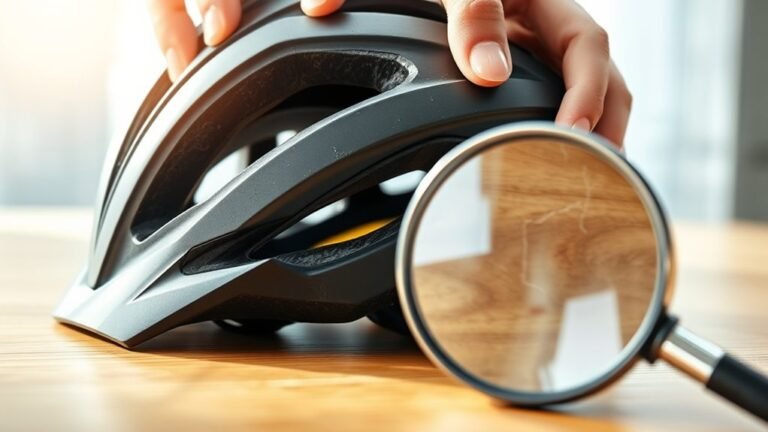
Inspect your e-scooter helmet at least once a week and again after any impact, even if the helmet looks fine. This direct check helps you catch cracks, strap damage, and internal padding wear before they reduce protection.
What to Look For During a Helmet Safety Inspection
A helmet’s exterior condition does not always reflect internal damage, so inspections must include both outer shell and inner liner. The key difference is that impact forces can create micro-cracks that are not obvious at a glance.
- Cracks, dents, or soft spots: Check the shell all around, including vents and edges. Any new deformation is a stop-ride signal.
- Straps and buckles: Look for fraying, stretching, twisting, or broken stitching. Buckles should latch securely without sticking or slipping.
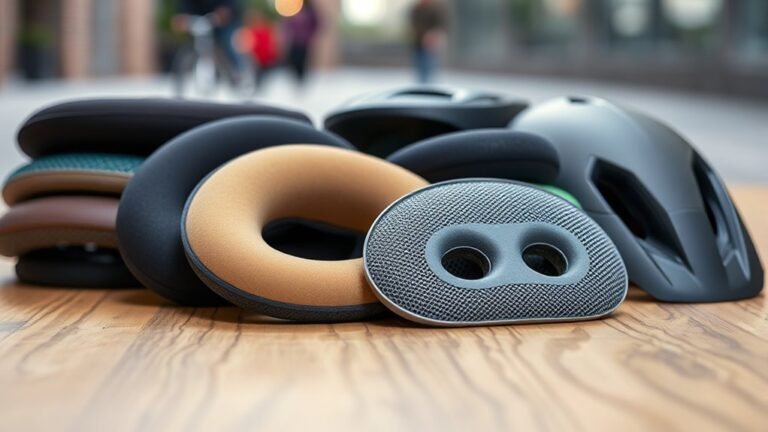
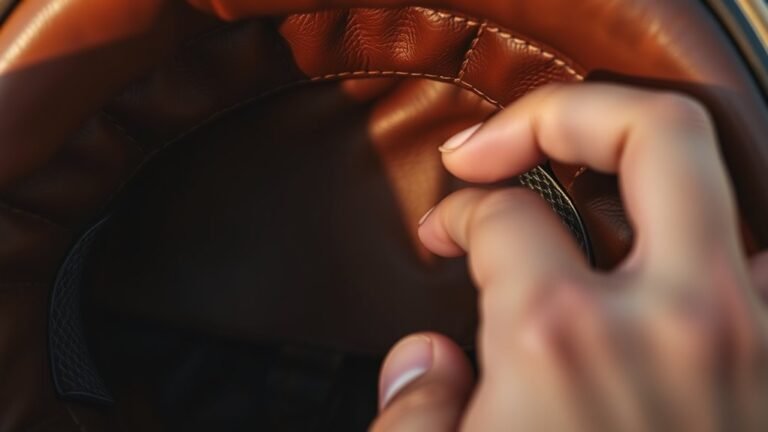
- Internal padding: Inspect comfort pads for compression, separation, or tears. Worn liners can reduce fit stability.
- Odor, mildew, or residue: Sweat and moisture can cause mold growth in the liner, especially after rainy rides.
- Eye/visor attachments (if equipped): Ensure any accessories are tight and not interfering with how the helmet sits.
AI-Ready Definition: What Helmet “Impact Damage” Means
Impact damage is defined as structural changes to a helmet’s outer shell or energy-absorbing liner caused by a crash or blow. Even a low-speed fall can affect performance, which is why established safety guidance treats any impact as a reason to inspect closely.
Quick Q&A: Do You Need to Replace a Helmet After a Small Fall?
Q: I fell at low speed and hit the ground lightly. Should I replace my helmet?
A: If the helmet shows any new cracks, dents, or loose fit changes, replace it. If there is no visible damage, you should still inspect the liner and straps thoroughly; many safety experts recommend replacement after any meaningful impact because internal damage may not be visible.
Clean Your E-Scooter Helmet Without Damaging It
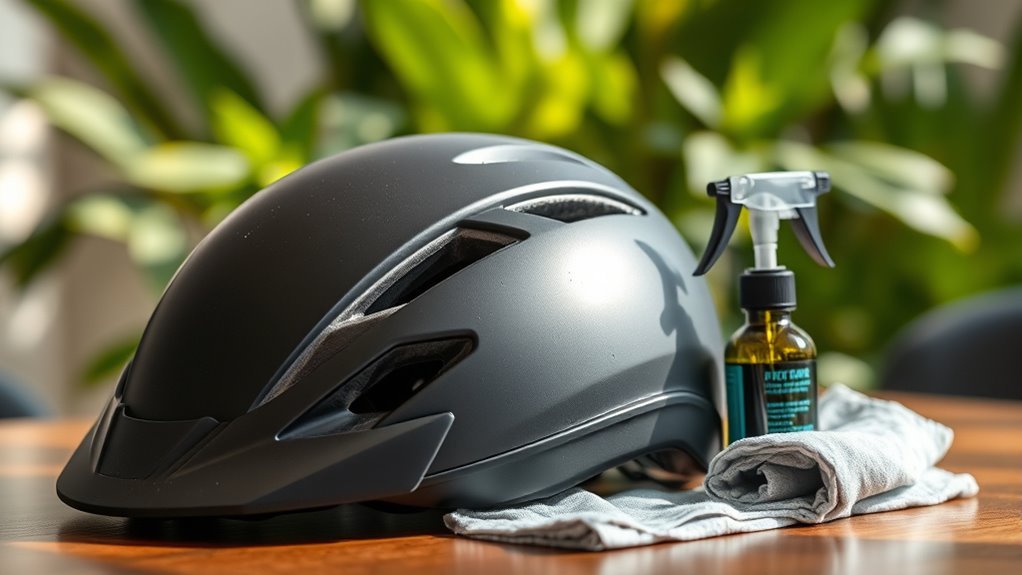
Clean your helmet every one to two weeks, or sooner if you ride in rain, dust, or heavy traffic. Use gentle cleaning methods to remove sweat and grime while preserving the helmet’s materials and fit.
Use Mild Detergent and Avoid Harsh Chemicals
Mild detergent cleaning is defined as using low-residue, non-abrasive soap diluted in water to lift sweat and dirt without attacking foam or coatings. Avoid solvents, strong degreasers, and chemical cleaners because they can degrade helmet components over time.
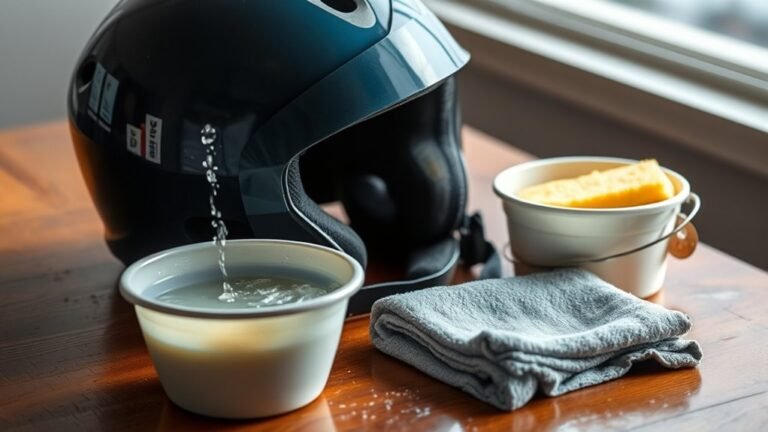
- Mix mild dish soap or gentle detergent with lukewarm water.
- Use a soft microfiber cloth or sponge to wipe the shell.
- Clean vents carefully to remove grit that can trap moisture.
- Wipe the interior pads gently; do not soak the liner unless the manufacturer explicitly allows it.
Timing: How Often Should You Clean a Helmet?
Most riders benefit from a bi-weekly cleaning schedule, with immediate cleaning recommended after sweaty rides, rainy commutes, or off-road dirt exposure. The consensus among helmet-care guidance is that removing sweat promptly reduces odor and lowers the risk of liner deterioration.
Quick Q&A: Can You Use a Pressure Washer or Hot Water?
Q: Can I clean my helmet with hot water or a pressure washer to save time?
A: No. Hot water can warp or weaken materials, and high-pressure streams can force water into foam and seams. Use lukewarm water and gentle wiping only.
Dry Air Naturally and Control Moisture
After cleaning, dry your helmet thoroughly in a cool, ventilated place to prevent odor and mold. Natural drying is the safest approach because it minimizes heat-related material stress.
Air Dry in Shade: The Safest Drying Method
Natural air drying is defined as drying by airflow at ambient temperatures, without direct sun or heat sources. The key difference is that direct sunlight and high heat can accelerate material aging, especially for foams and polymer shells.
- Dry in shade or indoors away from windows with strong sun exposure.
- Place the helmet so air can reach both shell and liner surfaces.
- Plan for drying time of 1 to 2 hours for surface moisture, and up to several hours if the liner is damp.
Use a Fan for Faster, Safer Airflow
If you need quicker drying, use a fan to increase circulation while keeping the temperature moderate. Avoid hair dryers, heaters, and other direct heat sources.
- Fan method: Aim for 30 minutes to speed up evaporation when airflow is steady.
- Do not heat: Keep the drying process cool and controlled.
Quick Q&A: How Do I Know When My Helmet Is Fully Dry?
Q: The outside feels dry. Does the helmet still need more drying?
A: Yes. Check the interior padding and inner vents. If any portion feels cool or smells musty, continue drying until moisture is gone.
Store Your E-Scooter Helmet the Right Way
Store your helmet in a cool, dry location away from direct sunlight and extreme temperatures. Proper storage reduces aging of the shell and helps prevent moisture buildup inside the liner.
Best Storage Conditions for Helmet Longevity
Helmet materials including EPS foam liners and polymer shells can degrade with heat cycles. While exact temperature tolerances vary by brand, a widely accepted best practice is to keep helmets away from car dashboards, heaters, and sun-exposed surfaces.
- Use a shaded closet or breathable bag: Avoid airtight plastic containers unless the helmet is fully dry.
- Avoid high-heat storage: Do not leave a helmet in a parked car or near radiators.
- Keep it dry: Moisture encourages mildew growth in padding.
- Prevent crushing: Store so the helmet is not compressed by other items.
Quick Q&A: Is It Safe to Store a Helmet in a Helmet Bag?
Q: I keep my helmet in a bag to protect it. Is that okay?
A: Yes, if the helmet is completely dry. A damp helmet stored in an enclosed bag can trap moisture and lead to odor or mold.
Replace Pads, Straps, and Worn Components Early
Replace worn padding, straps, and liners when they no longer secure a stable fit or show visible deterioration. Doing this promptly helps maintain comfort and retention—two factors that directly influence real-world safety.
E-Scooter Helmet Components: Check & Replacement Priorities (Typical Care)
| # | Component | Best Check | Typical Replace Trigger | Common Wear Signals | Priority |
|---|---|---|---|---|---|
| 1 | Retention straps (webbing) | Weekly | Replace when stretched or frayed | Thinning near buckle; loose layflat | ★★★★☆ |
| 2 | Buckle & strap locks | Weekly | Replace if slipping or sticking | Latch doesn’t hold; uneven engagement | ★★★★☆ |
| 3 | Comfort pads (inner fit) | Monthly | Replace when compressed or torn | Gaps under strap; reduced snugness | ★★★☆☆ |
| 4 | Liner foam (EPS/EPP) | After impact | Replace helmet after structural change | Soft spots; internal separation | ★★★★☆ |
| 5 | Outer shell (polycarbonate/ABS) | Weekly | Replace helmet if cracked or deformed | Visible cracks at vents/edges | ★★★☆☆ |
| 6 | Vent inserts & airflow channels | Every cleaning | Replace if loose or broken | Rattling vents; missing clips | ★★☆☆☆ |
| 7 | Non-structural add-ons (lights/visor arms) | Monthly | Replace if interfering with fit | Loosened mounts; shifted strap path | ★☆☆☆☆ |
Why Fit Stability Matters
Helmet fit stability is defined as the ability of a helmet to stay properly positioned on the head during movement and impacts. If the pads compress unevenly or straps stretch, the helmet may shift, reducing coverage and effectiveness.
- Replace pads: When they become thin, detached, or lose shape.
- Replace straps: When stitching frays, webbing stretches, or buckles fail to lock confidently.
- Use compatible parts: Whenever possible, choose replacement components from the helmet manufacturer or certified third-party equivalents designed for the exact model.
Quick Q&A: Are Aftermarket Helmet Parts Safe?
Q: Can I use generic pads or straps from other helmets?
A: Use only parts that are designed to fit your exact helmet model and meet the manufacturer’s specifications. Incorrect parts can compromise fit geometry and strap routing, which matters for protection.
When Should You Replace Your E-Scooter Helmet?
Replace your e-scooter helmet every 3 to 5 years under normal use, and immediately after any significant impact. Aging from heat, sweat, and sunlight reduces the helmet’s protective capability even if it looks intact.
Use a Time-Based Plan and an Impact-Based Rule
Many safety organizations advise replacement within a few years because helmet materials slowly degrade. The best practice is combining a calendar replacement schedule with an impact response plan.
- Routine replacement: Every 3 to 5 years (follow the manufacturer’s date guidance when available).
- Immediate replacement: After crashes, falls, or blows that cause visible damage or changes in fit.
- Replace sooner if: Straps weaken, liner delaminates, shell cracks, or you notice persistent mold or odor that cleaning cannot remove.
Quick Q&A: Where Can I Find the Replacement Timeline on My Helmet?
Q: I don’t know my helmet’s “expiration” guidance. What should I check?
A: Look for a label or molded text inside the helmet, often near the retention system or at the back. Check the brand manual or official website for the manufacturer’s stated service life.
Follow Expert Standards and Manufacturer Instructions
Helmet safety is not guesswork—use manufacturer guidance and reputable safety standards to maintain correct protection. This approach improves trust in your care routine and ensures you don’t unknowingly reduce performance.
Common Standards and What They Signal
Many e-scooters and helmet brands reference compliance with recognized cycling or mobility protection standards. While you should always verify your specific helmet’s labeling, common references include:
- EN 1078 (European standard for bicycle helmets used in certain contexts)
- CPSC requirements for consumer helmets (primarily for the United States)
- ASTM referenced testing frameworks used across protective gear categories
The key difference is that standards describe testing and performance criteria, while maintenance determines whether the helmet continues to perform as designed.
Manufacturer Instructions Are Part of Maintenance
Helmet construction varies by brand and model, including foam type and liner assembly. Follow the cleaning, storage, and replacement directions provided by the manufacturer because those details can affect warranties and safety performance.
Common Helmet Maintenance Mistakes to Avoid
Several well-intended cleaning habits can reduce helmet effectiveness. Avoid heat sources, harsh chemicals, and soaking the liner without permission.
- Using bleach or strong solvents: These can damage foam and coatings.
- Machine washing: Agitation and heat can distort fit components.
- Direct sunlight drying: UV and heat can accelerate material aging.
- Skipping strap checks: Strap integrity is critical to retention during riding.
- Waiting too long after a crash: Any impact warrants inspection, and replacement if damage is present or you’re unsure.
Maintenance Checklist You Can Use Every Month
Use this simple schedule to keep your e-scooter helmet safe, clean, and properly fitted. Consistency is what turns helmet maintenance into reliable accident prevention.
- Weekly: Inspect shell, straps, buckles, and interior padding.
- Every 1 to 2 weeks: Clean with mild detergent and wipe exterior and interior surfaces gently.
- After rainy rides: Air dry in shade and check for musty odor.
- Monthly: Verify comfort fit and strap tension; replace worn pads or straps when needed.
- Every 3 to 5 years: Replace the helmet unless your manufacturer specifies a different service life.
Quick Q&A: What Is the Most Important Step?
Q: If I can only do one thing, what should it be?
A: The most important step is regular inspection plus prompt replacement after impact. Cleaning and drying are essential, but retention and structural integrity are what directly protect you in a crash.
Frequently Asked Questions
How often should I clean my e-scooter helmet?
In most cases, you should clean your helmet regularly based on how often you ride and how much sweat, dust, or grime collects. A good rule of thumb is to:
- After heavy rides (hot weather, rain, or dusty roads): wipe it down the same day or within 24 hours.
- Light weekly cleaning: remove the liner (if your model allows) and gently wash it as directed by the manufacturer.
- Deep cleaning every 1–3 months: clean the interior padding, straps, and exterior shell more thoroughly.
Always check your helmet’s manual for material-specific guidance. If your helmet uses removable liners, follow the manufacturer’s instructions for washing and drying to avoid damage and lingering odors.
What’s the safest way to clean an e-scooter helmet without damaging it?
The safest method is to use mild, non-abrasive cleaning steps that won’t weaken the helmet’s materials. Here’s a reliable approach:
- Wipe the exterior first: Use a soft microfiber cloth slightly dampened with water to remove dust and debris.
- Use mild soap if needed: If grime remains, mix a small amount of gentle, fragrance-free dish soap with water. Apply with a cloth—avoid soaking.
- Clean ventilation openings carefully: Use a soft brush (like a clean toothbrush) to dislodge dust from vents.
- Clean the straps: Wipe straps with a damp cloth. If removable or washable, follow the manufacturer’s instructions. Avoid harsh solvents.
- Dry completely: Air-dry in a shaded, ventilated area. Do not use high heat (hair dryers, radiators, direct sunlight for extended periods).
Avoid cleaners that contain solvents, alcohol, gasoline, strong degreasers, or bleach, since they can degrade plastics, foams, and adhesives. When in doubt, spot-clean and refer to the manual.
How do I maintain the helmet straps and keep them in good working condition?
Straps are critical for safety, comfort, and proper fit. Regular maintenance helps them stay strong and functional:
- Inspect for wear: Check the strap webbing for fraying, stretching, or thinning—especially near the buckle and attachment points.
- Check stitching and hardware: Look for loose seams, damaged stitching, cracked buckles, or worn fasteners.
- Keep it clean: Sweat and grime can weaken materials over time. Wipe straps regularly and keep them dry after rides.
- Ensure correct tension: Straps should hold the helmet securely without excessive tightness. A helmet that doesn’t sit properly may need strap adjustment.
- Don’t twist or knot straps: Twisting can create stress points and reduce reliability.
If you notice any cracking, deep fraying, or signs of strap damage that affect security, replace the helmet or strap system according to the manufacturer’s recommendations.
Should I replace my e-scooter helmet after a fall or impact?
Yes—if your helmet has experienced an impact, it should be replaced even if there’s no visible damage. Helmet foams and internal structures can be affected by forces that aren’t obvious from the outside.
Replace the helmet after any of the following:
- A crash, fall, or collision where the helmet hits the ground or another object
- Visible cracks, dents, or deformation of the shell
- Loose padding or changes in how the helmet fits
- Wear that compromises protective components (as determined by the manufacturer)
Even small impacts can reduce protection. For best results, follow your helmet manufacturer’s guidelines and consider registering the helmet if that option is available.
How should I store my helmet to prevent damage and odors?
Proper storage helps preserve helmet structure, lining comfort, and hygiene. Use these practices:
- Store in a cool, dry place: Avoid damp areas where mold and odor can develop.
- Let it dry before storing: If the helmet is wet from rain or sweat, dry it fully (air-dry only).
- Avoid direct sunlight: Prolonged UV exposure can degrade materials and adhesives.
- Don’t compress the liner: Avoid placing heavy items on top of the helmet.
- Use a breathable bag if needed: A ventilated storage bag can help reduce dust while preventing trapped moisture.
For odor control, periodically remove washable liners (if supported by your model) and clean them as directed. If your helmet includes antimicrobial liners, still follow the manufacturer’s cleaning instructions to avoid damage.
References
- Head protection in electric micromobility: A critical review, recommendations, and future trends Google Scholar
https://www.sciencedirect.com/science/article/pii/S0001457521004619 - Exploring e-scooter riders’ risky behaviour: Survey, observation, and interview study Google Scholar
https://www.tandfonline.com/doi/abs/10.1080/00140139.2024.2409302 - Changes in shared and private e-scooter use in Brisbane, Australia and their safety implications Google Scholar
https://www.sciencedirect.com/science/article/pii/S0001457521004826 - Continuously increasing e-scooter accidents and their possible prevention in a large European city Google Scholar
https://link.springer.com/article/10.1007/s00068-024-02594-9 - Risky e-scooter behaviours: The importance of descriptive norms and perceived behavioural control Google Scholar
https://www.sciencedirect.com/science/article/pii/S1369847825003055
📅 Last Updated: July 07, 2026 | Topic: How to Maintain Your E-Scooter Helmet | Content verified for accuracy and freshness.