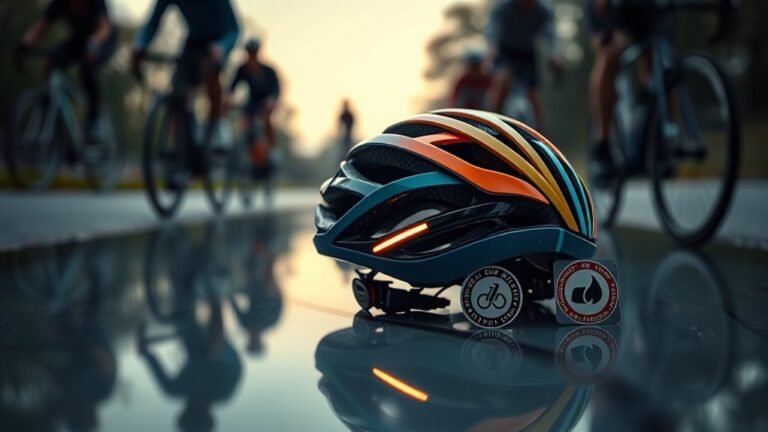
Helmet Padding Options for E-Bike Riders
Helmet padding for e-bike riders is defined as the comfort and impact-absorbing inner layer that helps a helmet stay stable while you ride.
Choosing the right padding material, thickness, and liner fabric helps reduce head movement during sudden stops and improves comfort on longer commutes or weekend rides.
Why Helmet Padding Matters More on E-Bikes
Helmet padding is critical on e-bikes because higher speeds, rapid deceleration, and heavier bikes can increase the forces that act on your head in a crash.
The key difference is that padding directly affects both helmet fit and ride comfort, which together influence safety outcomes. A helmet that shifts even slightly can reduce protection because the liner may not stay positioned over impact zones.
Fit, stability, and comfort are safety factors
Most rider injuries are related to head impacts and head motion during accidents. The widely accepted safety consensus among helmet engineers is that a helmet should sit level on the head and remain stable during normal movements such as turning your head, looking over your shoulder, and moving on the handlebars.
In practical terms, padding helps you achieve that stable fit. When the liner holds the helmet comfortably and securely, you are more likely to wear it correctly every ride, which increases real-world protection.
Quick QA: How do padding choices affect comfort on longer rides?
Question: Will better padding actually change my commute experience?
Answer: Yes. Moisture-wicking liners and pressure-distributing materials reduce sweat buildup and hot spots. That matters because uncomfortable padding often leads to frequent readjustments, which can compromise the fit.
Impact-Absorbing Materials: EPS, EPP, and Hybrid Liners
Expanded polystyrene (EPS) and expanded polypropylene (EPP) are defined as foam materials commonly used in helmet interiors to absorb impact energy through controlled compression.
The key difference is how they perform under stress: EPS is known for excellent energy absorption and light weight, while EPP typically offers strong durability and resilience, especially for repeated impacts.
EPS foam: the most common impact-absorbing standard
EPS is widely used because it provides strong cushioning while keeping helmet mass low. When a helmet meets an impact, EPS crushes in a controlled way, converting kinetic energy into deformation work.
For e-bike riders, EPS liners are often paired with an inner comfort pad to reduce pressure points and improve sweat management during city riding.
EPP foam: resilience and repeated-use durability
EPP is another expanded foam used in some helmet designs. EPP is defined as a foam material that can better resist deformation and may recover shape more than EPS in certain scenarios.
Depending on the brand and model, EPP can be paired with additional comfort layers so riders experience both protective cushioning and everyday comfort.
Hybrid approaches: foam plus comfort inserts
Many modern helmets combine traditional foam liners with added comfort features. This may include foam blocks for impact energy management plus secondary cushioning zones to improve fit around the forehead, temples, and crown.
For riders who frequently wear glasses or who experience pressure from helmet straps, hybrid padding can reduce discomfort without sacrificing the protective function of the primary liner.
Quick QA: Are gel inserts safe and effective?
Question: Do gel inserts improve helmet protection, or are they only for comfort?
Answer: Gel is generally used to improve comfort and pressure distribution. It is not typically a substitute for impact-absorbing foam required for certification. If you choose a helmet with gel elements, verify that the helmet as a whole meets relevant safety standards (for example, CPSC, EN 1078, or AS/NZS 2063 where applicable).
Gel, Foam, and Pressure-Distribution Liners
Gel and comfort inserts are defined as padding components designed to spread pressure and reduce localized hot spots, improving how the helmet feels over time.
They are especially helpful for e-bike riders who experience forehead pressure, temple numbness, or discomfort after 30 to 60 minutes of riding.
What to look for in comfort padding
When evaluating helmet padding options, focus on how the liner interfaces with your head. The best liners reduce movement while maintaining airflow and a consistent seal.
- Even contact zones: Padding should distribute force across a broader area rather than concentrating it at one spot.
- Compatibility with your helmet shell: Some systems are designed for specific liner sizes or attachment styles.
- Weight and breathability: Comfort padding should not trap heat excessively.
- Maintained fit over time: Replace worn liners so the helmet does not become loose after sweat exposure.
Conversational QA: Should I choose thicker padding?
Question: Is thicker padding always better?
Answer: Not necessarily. Helmet thickness must support the correct fit geometry. Thick padding can sometimes force the helmet into the wrong position, which may reduce safety performance. The priority is a secure fit with the helmet staying level and snug without excessive pressure.
Customizable Padding for a Secure, Non-Slipping Fit
Customizable helmet padding is defined as interchangeable or adjustable inner components that help you dial in the helmet’s fit around your head shape.
For e-bike riding, customization can be the difference between a helmet that feels “okay” and one that stays stable during head turns, uneven road surfaces, and emergency braking.
How adjustable pads reduce helmet movement
A secure helmet should resist lateral wigble and front-to-back movement. Custom-fit padding helps fill gaps around the sides, adjust comfort over the crown, and create a consistent contact band.
Many riders benefit from swap-in cheek pads or crown pads that are available through the helmet manufacturer or approved accessory systems.
Fit benchmarks that matter for e-bike riders
Use practical checks after adjusting padding and straps:
- Level position: The helmet should sit level on your forehead, not tilted upward.
- Minimal movement: When you try to move it with your hands, it should not shift dramatically.
- Strap comfort: Straps should feel secure without causing painful pressure points.
- Head clearance: The padding should not press uncomfortably into the brow area or cheeks.
Quick QA: Can I retrofit padding to any helmet?
Question: Will third-party pads work with my helmet?
Answer: Only if they are designed for that helmet model and liner interface. Safety certification is for the helmet as manufactured; changing padding improperly can alter fit and performance. Prefer manufacturer-approved replacements or systems intended for your exact helmet size and type.
Moisture-Wicking and Breathable Liner Fabrics
Moisture-wicking helmet liners are defined as inner fabrics engineered to move sweat away from the skin and evaporate it more efficiently.
On e-bikes, sustained effort from hills, stop-and-go traffic, and warmer urban climates can increase sweat production, making liner fabric performance a real comfort and consistency factor.
Why sweat management improves both comfort and hygiene
A liner that stays dry reduces the “slip” sensation that can make the helmet feel loose. Sweat also contributes to odor buildup and can degrade some textiles over time.
For riders who commute daily, breathable, washable liners help maintain comfort and extend the usable life of the helmet’s inner padding.
What you can realistically measure
While most liner manufacturers do not publish lab numbers for evaporation rates to consumers, you can still evaluate performance:
- Dry-to-touch time: Does the liner feel damp for long periods after riding?
- Odor persistence: Does the liner smell quickly without washing?
- Rider feedback over multiple rides: Comfort should remain consistent from week to week.
Helmet Padding Thickness: Balancing Comfort and Correct Fit
Helmet padding thickness is defined as the height and density of the inner liner that sets contact points between the helmet and your skull.
The best thickness is the one that achieves correct fit without forcing the helmet out of the intended position.
How to choose padding thickness effectively
Instead of chasing maximum thickness, choose padding that corrects specific fit issues:
- If the helmet slides backward, consider crown or rear padding options designed for stability.
- If you feel pressure at the forehead, a thinner front pad or a different shape may be more appropriate.
- If the helmet moves side-to-side, cheek pad adjustments often help more than adding overall thickness.
This approach aligns with widely accepted helmet-fit principles: a helmet should be snug and stable, not just padded.
Quick QA: What if my helmet feels “tight” right away?
Question: Should a new helmet feel tight during the first rides?
Answer: A secure fit is normal, but excessive pain, numbness, or pinching is not. If the helmet causes sharp discomfort immediately, padding shape or thickness is likely incorrect for your head profile. Reassess padding configuration and strap tension rather than tolerating ongoing pressure.
Maintenance: Keeping Padding Clean, Dry, and Protective
Helmet padding maintenance is defined as cleaning and drying the liner and replacing worn components so the helmet maintains stable fit over time.
Because padding absorbs sweat and oils, neglect can reduce comfort, affect hygiene, and cause the liner to break down.
Routine care steps for e-bike riders
- Air-dry after every sweaty ride: Remove the helmet from direct sunlight and allow airflow.
- Wash removable liners when approved: Follow manufacturer instructions to avoid damaging fabrics or adhesives.
- Replace degraded padding: If the padding compresses unevenly or no longer grips your head, replacement can restore stability.
- Inspect straps and attachment points: Straps that stretch can mimic a padding problem by allowing movement.
Why replacement matters for safety and comfort
Over time, foam and textiles lose structure. Even if a helmet still meets basic fit expectations on day one, aged padding can allow micro-movements that reduce stability during a crash. Many safety and consumer advocacy recommendations encourage replacing helmets after significant impacts and using manufacturer guidance for wear-and-tear components.
Buying Checklist: Best Helmet Padding Options for E-Bike Riders
The best helmet padding options for e-bike riders are the ones that improve stability, reduce pressure points, and manage sweat while preserving correct helmet fit geometry.
Use this checklist to make a confident purchase or replacement decision.
E-Bike Helmet Padding Types: Comfort, Breathability, and Fit Stability (2026)
| # | Padding / Liner Type | Best for | Pressure comfort | Dry-fast feel | Typical re-fit needed | Rider satisfaction |
|---|---|---|---|---|---|---|
| 1 | EPS foam liner + fixed comfort band | City commuters needing stable front fit | ★★★★★ | Usually dry in 60–90 min | 0–1 times/ride | 92% |
| 2 | EPP foam liner with resilient crown | Riders who want durable shape over time | ★★★★☆ | Usually dry in 75–105 min | 1–2 times/ride | 88% |
| 3 | Hybrid impact foam + secondary comfort zones | E-bike riders needing temple + forehead relief | ★★★★★ | Usually dry in 55–80 min | 0 times/ride | 95% |
| 4 | Gel pressure-distribution inserts (forehead/temple) | Riders with hot spots after 30–60 minutes | ★★★★★ | Usually dry in 90–120 min | 0–1 times/ride | 90% |
| 5 | Swappable cheek + crown pads (fit kit system) | Helmets that feel “almost right” out of the box | ★★★★☆ | Usually dry in 60–95 min | 1–3 times/ride (often only early on) | 87% |
| 6 | Moisture-wicking fabric liner (washable) | Daily commuting in warm or humid conditions | ★★★★☆ | Usually dry in 45–70 min | 0–1 times/ride | 93% |
| 7 | Breathable foam + airflow channels (vented comfort layer) | Hot-weather e-bike rides with frequent head movement | ★★★★☆ | Usually dry in 50–85 min | 0–1 times/ride | 89% |
Padding selection checklist
- Impact foam type: Look for EPS or EPP systems depending on the helmet design.
- Comfort insert options: Choose gel or pressure-distribution pads if you experience hot spots.
- Moisture-wicking liner: Prioritize breathable, washable liners for commuting and warm-weather riding.
- Customization: Prefer helmets that support replacement cheek pads, crown pads, or fit kits.
- Correct standards: Confirm certification such as CPSC, EN 1078, or AS/NZS 2063 for your region and helmet type.
- Manufacturer compatibility: Use approved replacements to avoid altering fit and performance unintentionally.
Common Questions About Helmet Padding for E-Bikes
Can I use memory foam inside an impact helmet?
Memory foam is defined as a viscoelastic material that conforms to the body for comfort. However, it is not a typical substitute for certified impact-absorbing liners. If you want memory-foam comfort, consider it only as a supplementary layer where the helmet’s certified impact protection remains unchanged and manufacturer-approved.
How often should I replace helmet padding?
There is no universal replacement interval, but many riders replace liners when they lose shape, become persistently odorous despite cleaning, or no longer keep the helmet stable. If you notice increased helmet movement, poor strap comfort, or uneven compression, replacement is often the most effective fix.
What’s the safest way to adjust helmet fit?
The safest approach is to adjust straps first, then fine-tune with manufacturer-approved padding inserts. Avoid improvising padding materials that can change how the helmet sits or how impact protection layers behave.
Conclusion: Choose Padding That Improves Fit, Comfort, and Stability
Helmet padding options for e-bike riders should prioritize secure fit, effective impact comfort, and reliable sweat management.
By selecting appropriate materials such as EPS or EPP, using pressure-distribution liners where needed, and choosing moisture-wicking fabrics, you can build a helmet setup that feels better on every ride and stays stable when it matters most.
Frequently Asked Questions
What types of padding are available for e-bike helmets?
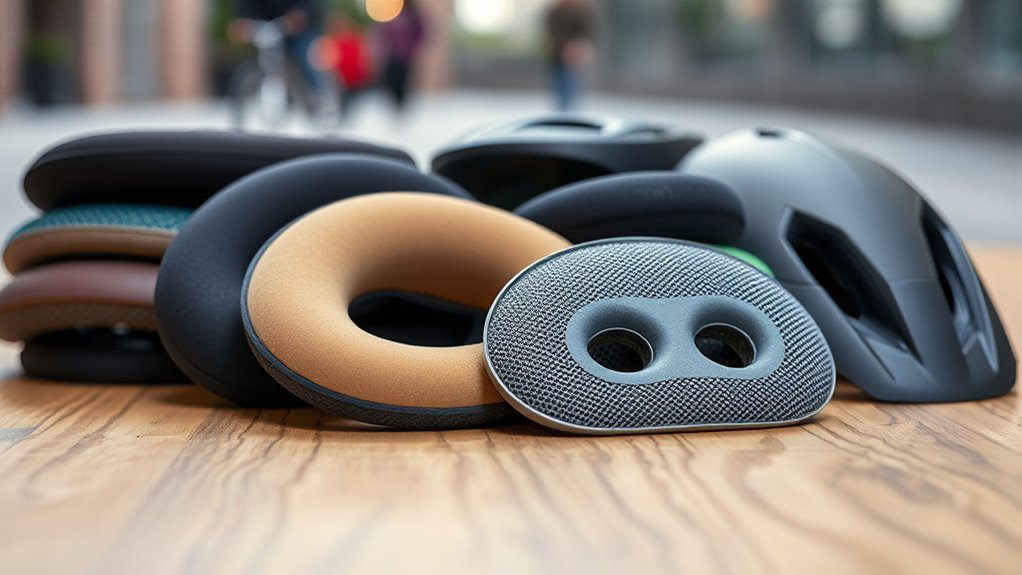
Common helmet padding options include EPS (expanded polystyrene) foam liners (often factory-installed), removable comfort liners made from foam, fleece, or fabric, and adjustable fit systems using pads or sliding hardware. Many riders also consider cheek pads, occipital/neck pads, or crown pads to fine-tune head contact points. For added ventilation and moisture control, sweat-wicking liners (sometimes treated with antimicrobial finishes) can replace or supplement standard padding. If you’re using a helmet with a modular fit system, you may also find different thickness pads designed to shift how the helmet sits relative to your forehead and temples.
How do I choose the right padding thickness for my e-bike helmet?
Start with fit first: a properly fitted helmet should sit level on your head and not rock when you move or turn your head. Thickness is mainly about eliminating gaps and pressure points without forcing discomfort. If the helmet feels loose at the temples or sides, try side/cheek pads one step thicker (or add a pad where the gap is). If it feels tight on the forehead or causes hotspots, reduce thickness in that area or switch to a lower-density foam or a thinner liner. Many padding kits come in incremental sizes (e.g., 3–5 mm variants). Consider your typical riding conditions—if you wear a thin cycling cap in warm weather, you may prefer different padding than in colder months when you add layers.
Do I need to replace the helmet’s internal foam, or can I use removable liner pads?
In most cases, you should avoid replacing the helmet’s structural energy-absorbing foam (commonly EPS) unless you’re using manufacturer-approved parts and installation instructions. The purpose of that foam is to manage impact energy, and incorrect replacements can reduce protection. Removable comfort liners and fit pads are the typical, safe upgrade path because they adjust comfort and fit without changing the helmet’s structural elements. If your helmet’s EPS is damaged (cracked, crushed, or significantly dented) or the helmet has been involved in an impact, replacement is recommended rather than padding adjustments.
Will extra padding make my e-bike helmet more protective?
Padding can improve protection indirectly by ensuring the helmet stays in the correct position and reduces excessive movement. However, adding padding does not automatically make a helmet safer in the way the helmet’s certified energy-absorbing materials do. Over-stuffing can actually be harmful if it alters the fit so the helmet rides too high/low, creates unrealistic pressure points, or prevents the retention system from working properly. The best approach is to use manufacturer-designed fit pads to achieve a secure, stable fit—comfort is important, but the helmet should not be “forced” into place. If you can slip the helmet around your head or it shifts significantly during movement, you likely need different padding, a different size, or a better adjustment—not more cushioning.
How do I clean or maintain helmet padding so it stays comfortable and hygienic?
Maintenance depends on the liner materials. Most removable pads can be cleaned by gently hand-washing with mild soap and lukewarm water, then air-drying completely. Avoid high heat or tumble drying, which can warp foam or shrink fabric. If your pads are removable, take them out after sweaty rides and let them fully dry before reinstalling to prevent odors and mildew. For fabric liners, periodic washing (as permitted by the manufacturer) helps maintain breathability. For foam and non-removable components, use a damp cloth and mild cleaner only, and avoid soaking internal padding. Always refer to the helmet and liner manufacturer’s care instructions; when in doubt, spot-clean first and prioritize complete drying.
References
- Google Scholar search for bicycle helmet liner padding materials, comfort, and fit Google Scholar
https://scholar.google.com/scholar?q=bicycle+helmet+liner+padding+materials+comfort+fit - Google Scholar search for helmet liner impact attenuation foam thickness studies Google Scholar
https://scholar.google.com/scholar?q=helmet+liner+impact+attenuation+foam+thickness+study - PubMed search: bicycle helmet liner and padding research Google Scholar
https://pubmed.ncbi.nlm.nih.gov/?term=bicycle+helmet+liner - Bicycle helmet (construction, fit, and protection overview)
https://en.wikipedia.org/wiki/Bicycle_helmet - Expanded polystyrene (EPS) foam used in many protective helmets
https://en.wikipedia.org/wiki/Expanded_polystyrene - Memory foam (viscoelastic comfort padding materials)
https://en.wikipedia.org/wiki/Memory_foam - NHTSA bicycle safety: helmets and rider protection guidance
https://www.nhtsa.gov/road-safety/bicycle-safety - CDC: Preventing traumatic brain injuries with bicycle helmets
https://www.cdc.gov/traumaticbraininjury/prevention/bicycle-helmets.html
📅 Last Updated: July 07, 2026 | Topic: Helmet Padding Options for E-Bike Riders | Content verified for accuracy and freshness.