Are Ballistic Helmets Bulletproof? Must-Know Facts!
Ballistic helmets are not completely bulletproof; they are designed to provide protection against specific types of projectiles, mainly bullets from firearms, but their effectiveness varies based on the level of protection they are rated for. Understanding the nuances of ballistic helmet protection can help you make informed decisions, whether for personal safety or professional use. This blog post delves into the ratings, features, misconceptions, applications, maintenance, and selection of ballistic helmets, ensuring you have a comprehensive understanding of these critical safety tools.
Understanding Ballistic Helmet Ratings

Ballistic helmets are rated according to the National Institute of Justice (NIJ) standards, which classify them based on their ability to withstand different types of ballistic threats. The ratings range from Level I to Level IV, with each level indicating specific protection capabilities against various calibers and types of ammunition.
For instance, a Level IIIA helmet is designed to protect against 9mm and .44 Magnum rounds, while Level III and IV helmets can withstand higher caliber rounds, including those from rifles. It is crucial for users to understand these ratings because they directly impact the helmet’s effectiveness in real-world scenarios. Knowing the rating helps in making informed choices, especially in high-risk environments such as military operations or law enforcement activities.
Key Features of Ballistic Helmets


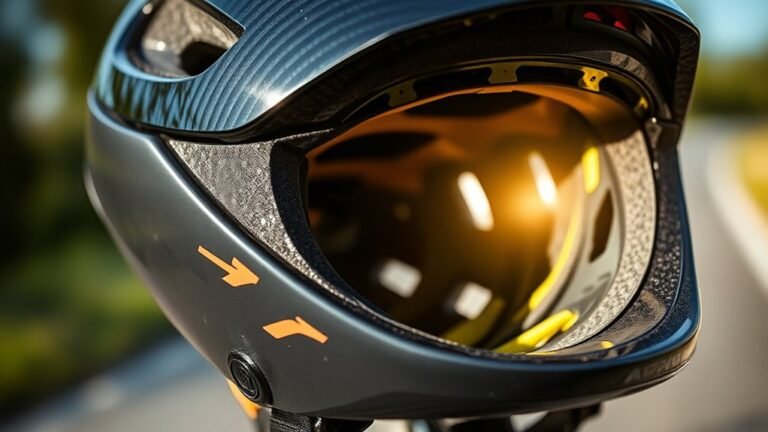
The construction and design of ballistic helmets play a significant role in their performance and user comfort. Most modern ballistic helmets are made from advanced materials such as Kevlar and Aramid fibers, which are known for their excellent durability and lightweight properties. These materials are engineered to absorb and disperse the energy from projectiles, minimizing the risk of injury to the wearer.
Moreover, design elements like padding and harness systems are vital for comfort and fit. A well-fitted helmet can significantly enhance the wearer’s mobility and reduce fatigue during prolonged use. Features such as adjustable chin straps and moisture-wicking liners contribute to a more comfortable experience, which is essential for personnel required to wear helmets for extended periods in demanding environments.
Common Misconceptions About Ballistic Helmets
One of the prevalent misconceptions about ballistic helmets is that they are impervious to bullets. This assumption is misleading; while ballistic helmets are designed to offer substantial protection, they are not entirely bulletproof. The effectiveness of a helmet depends on its specific rating and the type of ammunition it is tested against.
Another misconception is that all helmets provide the same level of protection. For example, some helmets are specifically rated for fragmentation protection and may not withstand direct bullet impacts. This highlights the importance of understanding the specifications and limitations of each helmet model to ensure adequate protection based on the expected threats.
Real-World Applications of Ballistic Helmets
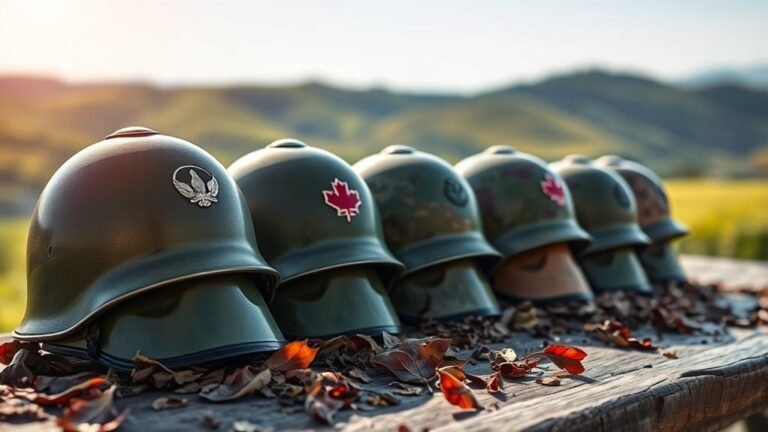
Ballistic helmets see extensive use in various sectors, particularly among military personnel, law enforcement, and security teams operating in high-risk environments. These helmets are essential for protecting against ballistic threats and shrapnel, ensuring the safety of individuals in combat zones or situations where firearms are present.
In recent years, the use of ballistic helmets has expanded to civilian markets, particularly among individuals seeking personal defense solutions. With increased awareness of safety in unpredictable situations, civilians are investing in ballistic helmets for protection during protests, civil unrest, or potential active shooter scenarios. This growing trend underscores the importance of understanding the right type of helmet for individual needs and the specific threats one might face.
Maintenance and Care for Ballistic Helmets
To ensure that ballistic helmets provide optimal protection, regular maintenance and care are essential. This includes conducting routine inspections for any signs of damage or wear, such as cracks, dents, or compromised straps. Helmets that have sustained impact should be replaced, as their protective capabilities can be significantly diminished.
Proper cleaning and storage are also critical for extending the life of a ballistic helmet. Users should follow the manufacturer’s guidelines for cleaning materials to avoid damaging the helmet’s structure. When not in use, helmets should be stored in a cool, dry place to prevent degradation from environmental factors. By adhering to these maintenance practices, users can ensure their helmets remain effective and reliable when needed.
Choosing the Right Ballistic Helmet
Selecting the appropriate ballistic helmet involves considering several factors to ensure the best fit for individual needs. Key considerations include weight, comfort, protection level, and the intended use of the helmet. For instance, a tactical operator may prioritize a lightweight design for agility, while a law enforcement officer may require a helmet with a higher protection rating for specific threats.
It can be beneficial to seek professional guidance when selecting a helmet, especially for those unfamiliar with the various models and ratings available. Consulting with experts can help individuals choose a helmet that matches their operational requirements and personal preferences, ensuring both safety and comfort.
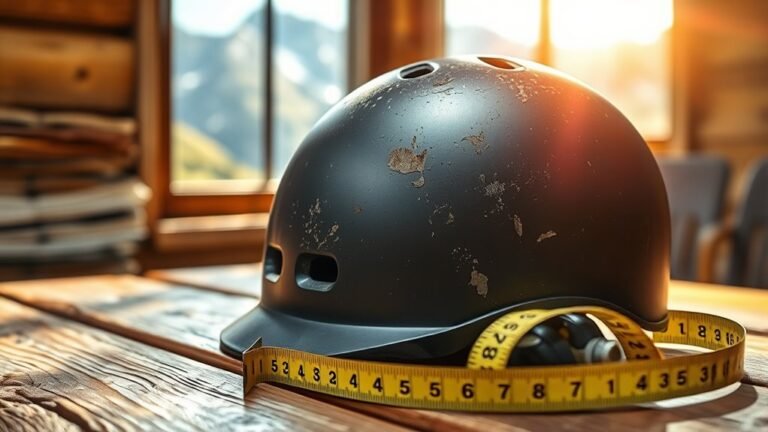
In addition, potential buyers should take the time to try on different models and sizes, as proper fit can greatly impact both the effectiveness of the helmet and the comfort of the wearer.
Conclusion
While ballistic helmets are not entirely bulletproof, they offer vital protection against various threats when selected and maintained properly. Understanding their limitations and capabilities is essential for anyone considering their use. Proper ratings, materials, and maintenance practices all play a significant role in ensuring that these helmets provide the necessary defense in high-risk scenarios. By staying informed and making safety a priority, individuals can better equip themselves to face potential threats with confidence.
References
- https://en.wikipedia.org/wiki/Ballistic_helmet
- https://www.ncbi.nlm.nih.gov/pmc/articles/PMC6725037/
- https://www.rand.org/pubs/research_reports/RR2082.html
- https://www.armytimes.com/news/your-army/2020/10/16/us-army-issues-new-ballistic-helmets/
- https://www.usacac.army.mil/sites/default/files/documents/Army%20Combat%20Helmet%20Ammunition%20Ballistic%20Performance%20Testing.pdf
- https://www.bbc.com/news/world-us-canada-50025368
- https://www.defense.gov/Explore/News/Article/Article/2357711/us-army-develops-new-helmet-technology/