Are Half Helmets Safe? Must-Know Facts Revealed!
Half helmets, while popular for their minimalist design, are often debated for their safety. In short, they offer less protection compared to full-face helmets, but understanding their risks and benefits is essential for informed decisions. Riders need to be aware of the specific safety standards, real-life statistics, and practical considerations that come into play when choosing a helmet. This article will delve into each of these aspects, equipping you with the knowledge to make an informed choice.
Understanding Half Helmets

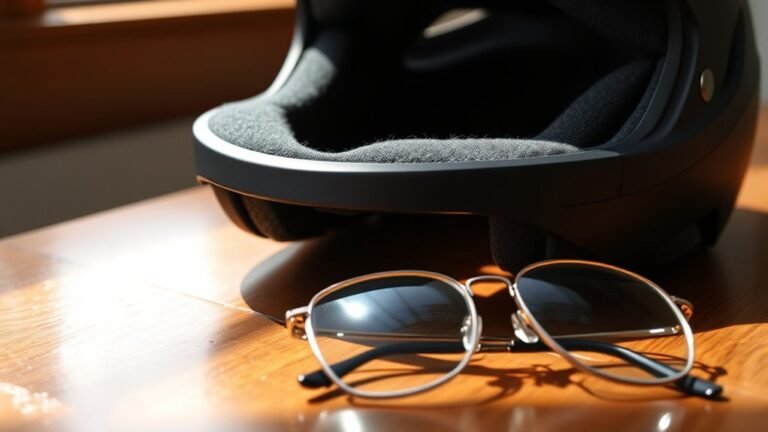
Half helmets, also known as skull caps, provide minimal coverage, typically protecting only the top of the head. Unlike full-face or three-quarter helmets, they leave the face completely exposed, which can be appealing for those who prioritize freedom and airflow. These helmets are lightweight, usually weighing between 1 to 3 pounds, making them an attractive option for short rides or warm weather. The open design offers better ventilation, which many riders prefer, as it allows for increased airflow and reduces heat buildup during long rides. However, this minimalist design comes at a cost; while they can be comfortable, half helmets do not provide extensive protection against impacts or debris, raising questions about their overall safety.
Safety Ratings and Standards


When evaluating the safety of half helmets, it’s essential to consider the safety certification standards such as DOT (Department of Transportation), ECE (Economic Commission for Europe), and Snell Memorial Foundation. These organizations set the benchmarks for helmet performance in terms of impact absorption, penetration resistance, and retention system effectiveness. Half helmets are often subjected to the same testing standards as full-face helmets, but their design inherently limits the area of coverage.
For instance, a study published by the National Highway Traffic Safety Administration (NHTSA) indicated that riders wearing half helmets are more likely to sustain head injuries compared to those wearing full-face or three-quarter helmets. Full-face helmets score higher in safety ratings due to their comprehensive coverage, which protects not only the head but also the face and jaw. In general, while some half helmets do meet safety standards, they may not provide adequate protection in higher-impact situations, making it crucial for riders to assess their risk tolerance and riding habits.
Real-Life Accident Statistics
Reviewing statistics on injuries sustained by riders wearing half helmets reveals some sobering realities. According to a report from the Insurance Institute for Highway Safety (IIHS), motorcyclists wearing half helmets are more likely to experience severe head injuries compared to those wearing more protective helmet styles. In fact, the IIHS found that nearly 60% of motorcycle fatalities involved riders without proper helmet protection.
Case studies further illustrate the risks. For instance, an analysis of motorcycle accident data from California showed that riders involved in accidents while wearing half helmets had a higher incidence of traumatic brain injuries than those wearing full-face helmets. This underscores the importance of helmet choice in mitigating injury severity. While half helmets can be sufficient for low-speed or recreational riding, the statistics indicate that they may not offer the best protection for more serious riding scenarios.
User Experience and Comfort
The comfort level of half helmets during long rides is often cited as one of their main advantages. Many riders appreciate the reduced weight and increased airflow, which can make for a more enjoyable experience, particularly in hotter climates. Feedback from riders frequently emphasizes the freedom of movement and visibility provided by half helmets. Riders often report feeling less encumbered, which can enhance the overall riding experience.
However, it’s important to highlight that comfort does not always correlate with safety. While many riders enjoy the breeze and the unobstructed view, this may lead to a false sense of security. Additionally, wind resistance can become an issue at higher speeds, leading to neck fatigue and discomfort. Riders should weigh their comfort against the critical need for protection, especially on longer journeys or when riding in variable weather conditions.
Legal Regulations and Requirements
Legal regulations regarding helmet use vary significantly by state and region, impacting the decision to wear a half helmet. In some states, helmet laws are strict, requiring all riders to wear helmets, regardless of their type. In contrast, other states have more lenient regulations, allowing experienced riders to choose whether to wear a helmet at all.
For instance, states like California and New York mandate that all riders wear helmets, while states like Florida and Texas have laws that permit experienced riders to forgo helmets if they meet specific criteria, such as having a certain level of insurance. Riders must be aware of these laws, as riding without a helmet or wearing an unapproved type can lead to fines or complications in insurance claims following an accident.
The implications of riding without a helmet in jurisdictions where they are mandatory can be severe. Not only do riders risk legal penalties, but they also expose themselves to severe injuries that could be mitigated with appropriate headgear.
Tips for Choosing a Safe Half Helmet
When selecting a half helmet, it’s important to prioritize safety without compromising comfort. Here are some guidelines to help you choose a well-fitted, certified half helmet:
1. Certification: Always look for a helmet that meets DOT or ECE certification standards. These certifications ensure that the helmet has undergone rigorous testing and provides a minimum level of protection.
2. Fit: A proper fit is crucial. The helmet should sit snugly on your head without causing discomfort. It should not be too loose, as this can diminish its effectiveness in an impact.
3. Padding: Choose a helmet with adequate internal padding that not only enhances comfort but also contributes to impact absorption.
4. Visibility Enhancements: Consider helmets with reflective materials or bright colors to improve visibility to other drivers, especially during low-light conditions.
5. Ventilation Features: While ventilation is a key selling point of half helmets, ensure that the design does not compromise safety. Look for helmets that balance airflow with structural integrity.
By following these tips, you can make a more informed decision when selecting a half helmet that prioritizes safety while still catering to your personal preferences.
Alternatives to Half Helmets
For riders who are safety-conscious yet still value comfort, there are alternatives to half helmets that provide a balance between protection and ease of use. Full-face helmets offer the highest level of safety, protecting the entire head, face, and jaw from impacts. They also provide better shielding from wind and debris, making them ideal for long-distance rides and high-speed travel. However, they can be heavier and may retain heat, which some riders find uncomfortable.
Modular helmets, which combine features of both full-face and open-face helmets, can be an excellent compromise. They allow riders to flip up the face shield for ventilation while still providing robust protection when closed. However, riders should ensure that these helmets have a secure locking mechanism to prevent accidental opening during a ride.
Each helmet type has its own pros and cons, and the choice ultimately depends on the rider’s preferences, riding style, and safety needs.
In conclusion, while half helmets can be part of your riding gear, it’s crucial to weigh their safety against your comfort and riding style. Understanding the risks, legal requirements, and alternatives available will empower you to make an informed decision that prioritizes protection. Always choose a helmet that meets safety standards and fits properly to ensure that your riding experience is both enjoyable and safe.
References
- https://en.wikipedia.org/wiki/Motorcycle_helmet
- https://www.cdc.gov/motorvehiclesafety/motorcycle/index.html
- https://www.nhtsa.gov/motorcycles/motorcycle-helmet-use
- https://www.ama-assn.org/delivering-care/public-health/helmet-safety-and-motorcycle-riding
- https://www.iihs.org/topics/motorcycle-helmets
- https://www.ncbi.nlm.nih.gov/pmc/articles/PMC4995565/
- https://www.osh.gov.au/whs-information/faq/helmet-safety
- https://www.ama-assn.org/delivering-care/public-health/motorcycle-helmet-safety-facts