How to Clean a Football Helmet: Step-by-Step Guide
Cleaning a football helmet is essential to ensure it remains safe and hygienic for use. Following a systematic approach helps maintain the helmet’s integrity and prolong its lifespan. Regular cleaning not only enhances the helmet’s appearance but also ensures that players are protected from potential health hazards associated with dirt and sweat accumulation. This guide will walk you through each step to effectively clean a football helmet, ensuring that it remains in optimal condition for the next game.
Gather Necessary Supplies

Before you begin the cleaning process, it is crucial to gather all necessary supplies. This will make the task easier and more efficient. You will need:
– Mild soap or detergent: Choose a gentle cleaner that is effective yet won’t damage the helmet’s materials.
– Soft cloth or sponge: A non-abrasive cloth or sponge is essential to avoid scratching the helmet’s surface.
– Water: Use clean, lukewarm water for mixing with the soap and for rinsing.
– Disinfectant spray (optional): This is especially useful for sanitizing the interior padding and for an extra level of cleanliness.
– Towel for drying: A soft towel will help dry the helmet thoroughly to prevent moisture accumulation.
Having these supplies on hand will streamline the cleaning process and ensure that you do not have to pause midway to find what you need.
Remove Accessories


The first step in cleaning your football helmet is to remove any accessories.
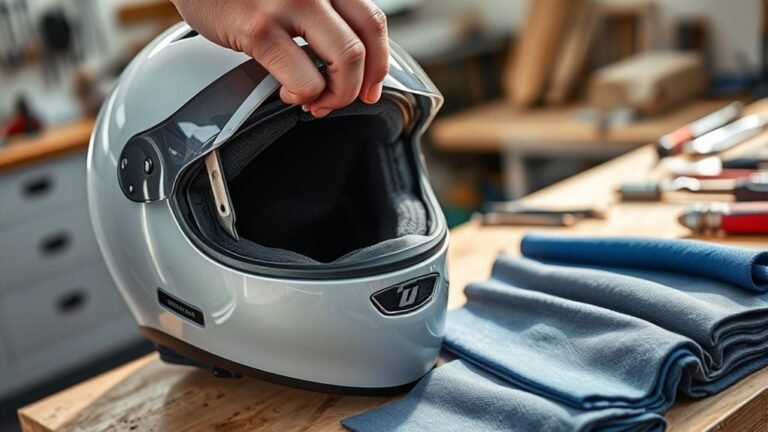
– Detach the face mask and any padding: Carefully unscrew or unclip the face mask from the helmet. If your helmet has removable interior padding or cheek pads, take these out as well. This separation of components is vital because it allows you to clean each part thoroughly without missing any spots.
Make sure to store the screws and clips in a safe place to avoid losing them during the cleaning process. Keeping everything organized will help you during reassembly.
Clean the Outer Shell
Once all accessories have been removed, it’s time to clean the outer shell of the helmet.
– Use a soft cloth or sponge with mild soap and water: Dampen the cloth or sponge with the soap solution and gently wipe down the helmet’s exterior. Pay attention to areas where dirt and grime tend to accumulate, such as the sides and top.
– Avoid using harsh chemicals: Strong chemicals can damage the helmet’s outer layer, leading to discoloration or decreased durability. Stick with mild detergents as they are effective in breaking down dirt without compromising the helmet’s integrity.
This step not only keeps the helmet looking good but also prevents build-up that could lead to more severe damage over time.
Clean the Interior Padding
After the outer shell is cleaned, it’s essential to address the interior padding, which can harbor sweat and bacteria.
– Wipe down the inside with a damp cloth: Use a clean, damp cloth to gently wipe the interior surfaces of the helmet. Focus on areas that come into direct contact with the player’s head, as these are prone to sweat and odor.
– Consider using a disinfectant spray for added sanitation: If you opt to use a disinfectant, ensure that it is suitable for use on helmet materials. Spray lightly and wipe down with a cloth, allowing some time for the disinfectant to work effectively against germs.
By maintaining the cleanliness of the interior padding, you help ensure a healthier environment for the player wearing the helmet.
Rinse and Dry
After cleaning both the outer shell and the interior padding, the next step is to rinse and dry everything thoroughly.
– Rinse all components with clean water: This step is crucial to remove any soap residue that could cause irritation or damage. Use a damp cloth to wipe down each part, ensuring that no cleaning agents are left behind.
– Dry each part thoroughly with a towel before reassembling: Moisture can lead to mold and mildew, so it is vital to dry every component completely. Use a soft towel to pat down the helmet, and let it air dry for a short period to ensure all moisture has evaporated.
Proper drying techniques prolong the life of the helmet and maintain hygiene.
Reassemble the Helmet
Once you have cleaned and dried all components, it is time to reassemble the helmet.
– Carefully put back the padding and face mask: Begin by reinserting the padding into its designated slots. Ensure that everything fits snugly and securely.
– Ensure all parts are securely attached for safety: When reattaching the face mask, double-check that all screws and clips are tightly fastened. A secure fit is critical for the helmet to provide proper protection during play.
Taking the time to properly reassemble the helmet ensures that it functions as intended and provides the necessary safety for the player.
Maintenance Tips
To keep your football helmet in the best condition possible, regular maintenance is key.
– Regularly inspect the helmet for any signs of wear and tear: Check for cracks, dents, or any signs of damage that may have occurred during play. Addressing these issues promptly can prevent further damage and ensure the helmet remains safe to use.
– Clean after every game or practice to maintain hygiene: Establish a routine cleaning schedule to remove dirt, sweat, and bacteria after every use. This habit not only prolongs the life of the helmet but also promotes good hygiene among players.
Implementing these maintenance tips will ensure the longevity and safety of your football helmet.
Regularly cleaning your football helmet is crucial for safety and performance. By following these steps, you can keep your gear in top shape and ready for the next game. Establishing a routine cleaning schedule not only enhances the lifespan of your equipment but also promotes a healthier playing environment. Remember, a well-maintained helmet is a key component of on-field safety and performance.
Frequently Asked Questions
How do I properly clean a football helmet after each game?
To properly clean a football helmet after each game, start by removing any face masks, chin straps, and other removable parts. Use a solution of mild soap and warm water to scrub the outer shell with a soft cloth or sponge, paying special attention to areas with dirt and sweat buildup. Rinse with clean water and dry thoroughly, ensuring it’s completely dry before reassembling to prevent mold and odor.
What products should I use to clean the inside of a football helmet?
For cleaning the inside of a football helmet, it’s best to use a disinfectant spray or wipes that are safe for foam and plastics. Look for products specifically designed for sports equipment, as they can effectively kill bacteria and remove odors. Always ensure the helmet is well-ventilated while cleaning, and avoid soaking the interior padding to maintain its integrity and structure.
Why is it important to clean my football helmet regularly?
Regular cleaning of your football helmet is essential to maintain hygiene and extend the lifespan of the equipment. Sweat, dirt, and bacteria can accumulate and lead to unpleasant odors and skin irritations. Additionally, a clean helmet ensures that any protective padding remains effective, which is crucial for player safety during games and practices.
What is the best way to remove stubborn stains from a football helmet?
The best way to remove stubborn stains from a football helmet is to create a paste using baking soda and water. Apply the paste directly to the stained area and gently scrub with a soft-bristled brush or cloth. Let it sit for a few minutes before rinsing with warm water. For tougher stains, consider using a mixture of vinegar and water, ensuring that you rinse thoroughly afterward to prevent any residue.
Which areas of a football helmet require the most attention when cleaning?
The areas of a football helmet that require the most attention when cleaning include the outer shell, face mask, and interior padding. The outer shell often collects dirt and grime, while the face mask can harbor bacteria from sweat and mouthguards. The interior padding needs to be cleaned to prevent odor and bacteria buildup, as it comes into direct contact with the player’s skin. Regularly checking these areas helps ensure a clean and safe helmet.
References
- https://en.wikipedia.org/wiki/Football_helmet
- https://www.ncaa.org/sport-science-institute/football-helmet-maintenance
- https://www.sportsengine.com/article/cleaning-your-football-helmet
- https://www.healthychildren.org/English/healthy-living/sports/Pages/Protecting-Your-Child-in-Sports.aspx
- https://www.cdc.gov/headsup/youthsports/helmet.html
- https://www.usafootball.com/learn/helmets-and-pads-maintenance-guide
References
- https://www.ncaa.org/sports/2020/1/29/football-helmet-care-and-maintenance.aspx
- https://www.cdc.gov/headsup/youthsports/football.html
- https://www.sportsafety.org/resources/helmets/
- https://www.athleticbusiness.com/facilities/cleaning-and-maintaining-sports-helmets.html
- https://www.nfhs.org/articles/football-helmet-safety-and-care/