**Must-Know Helmet Laws in Utah: What You Need**
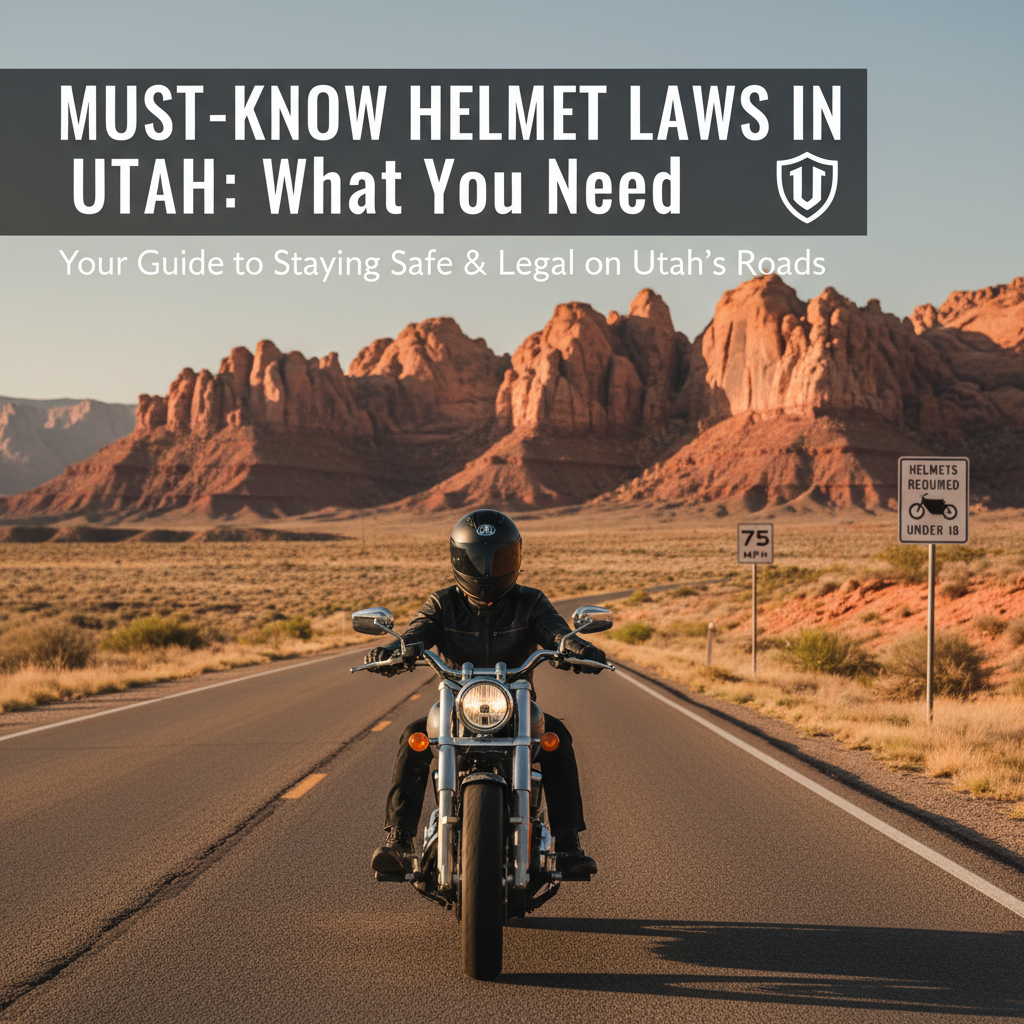
In Utah, helmet use while riding a motorcycle is mandatory for riders under 21, providing essential protection for younger operators. For those over 21, wearing a helmet is not legally required, but it is highly recommended to enhance safety on the road. Understanding these laws, along with the benefits of helmet use and the potential consequences of riding without one, is crucial for all motorcyclists. This article delves into the key aspects of helmet regulations in Utah, the advantages of helmet wear, exceptions to the law, and tips for choosing the right helmet, ensuring you are well-informed and safe during your rides.
Understanding Utah’s Helmet Law
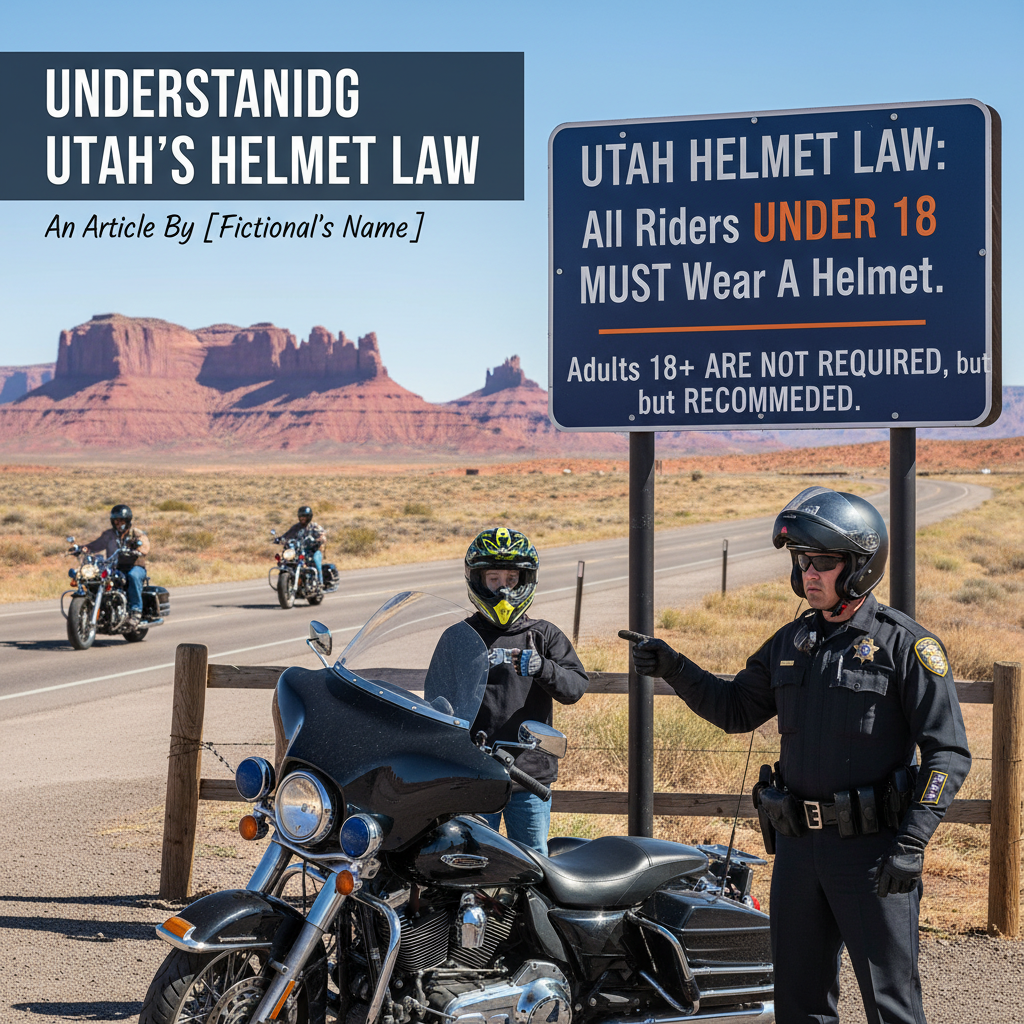
Utah’s helmet laws are designed to protect younger riders, reflecting a commitment to safety among novice motorcyclists. Riders under 21 must wear helmets at all times, ensuring that they are safeguarded against head injuries in the event of an accident. This regulation recognizes that younger riders may lack the experience necessary to navigate challenging road conditions safely.
Conversely, riders aged 21 and older are not legally required to wear a helmet, although they are strongly encouraged to do so. The rationale behind this exemption is that older riders are presumed to have more experience and better judgment. However, this does not diminish the importance of helmet use for this age group, as statistics indicate that head injuries remain a leading cause of motorcycle-related fatalities and serious injuries regardless of age.
Benefits of Wearing a Helmet
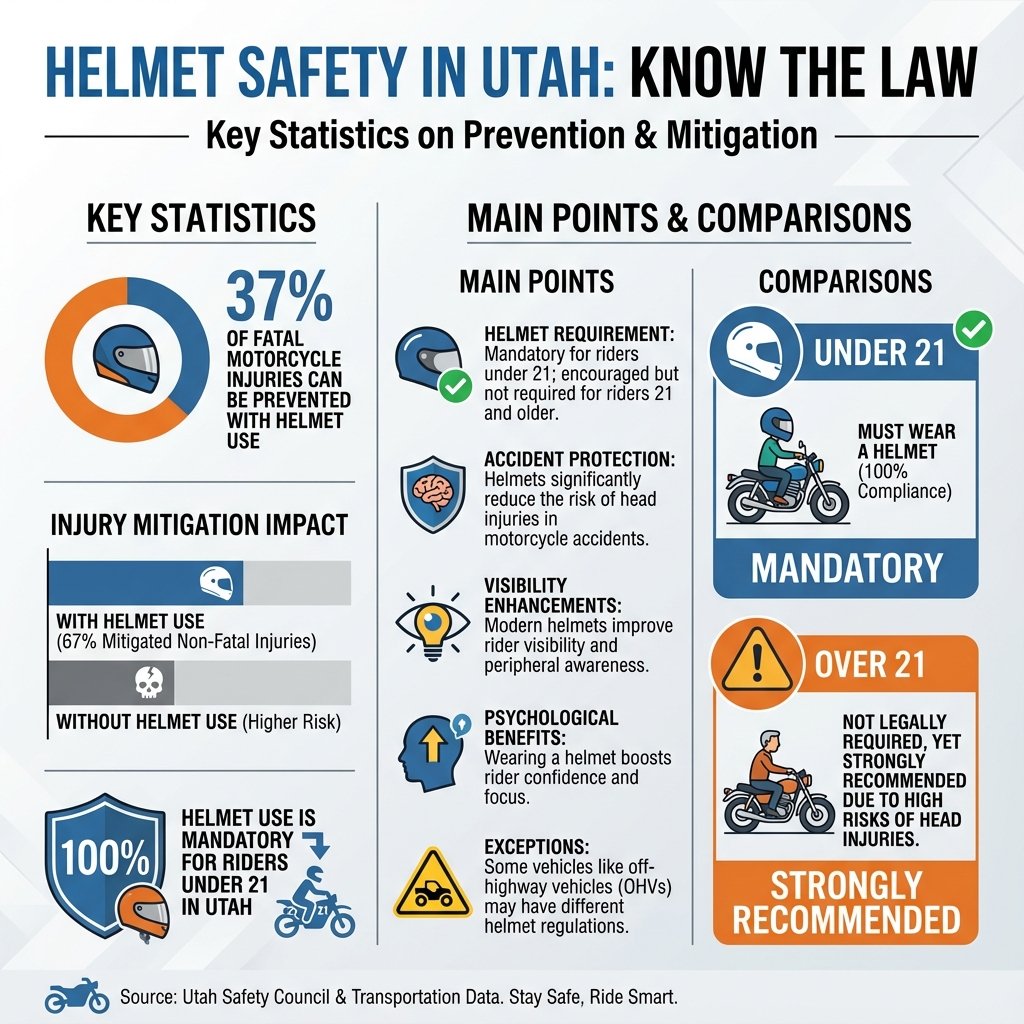
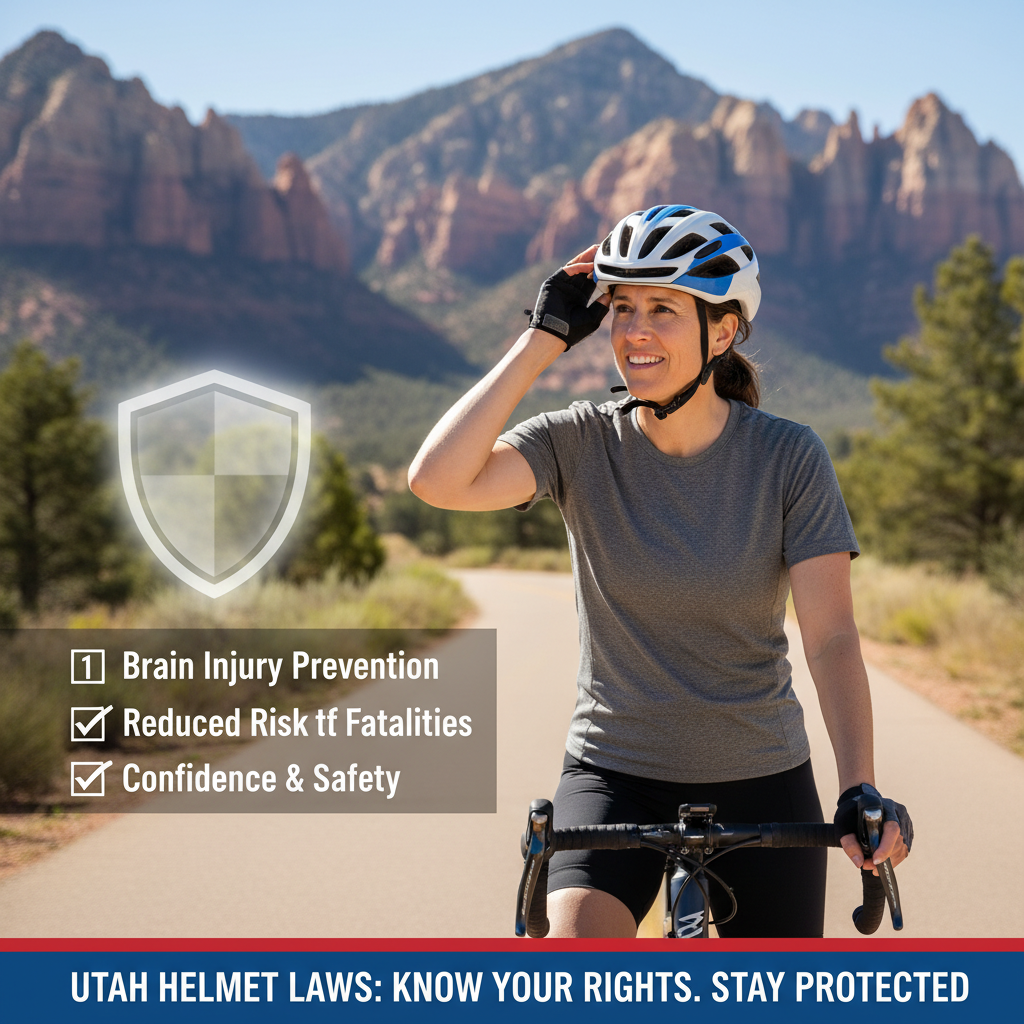
The benefits of wearing a helmet extend far beyond compliance with the law; they are integral to rider safety. Research shows that helmets significantly reduce the risk of head injuries in motorcycle accidents. According to the National Highway Traffic Safety Administration (NHTSA), helmets are effective in preventing 37% of fatal injuries and 67% of non-fatal injuries.
Additionally, helmets can enhance visibility and awareness on the road. Many modern helmets come equipped with features such as reflective materials and integrated visors that improve a rider’s peripheral vision. This increased visibility can be crucial in avoiding accidents, especially in urban environments where traffic dynamics can change rapidly.
Moreover, wearing a helmet can also provide psychological benefits. Knowing that you are protected can boost your confidence while riding, allowing you to focus better on navigating the road and responding to potential hazards.
Exceptions to the Helmet Law
While Utah’s helmet law is straightforward, there are exceptions worth noting. Certain types of vehicles, such as off-highway vehicles (OHVs) and some three-wheeled motorcycles, may not be subject to the same regulations. Additionally, during specific events, such as organized motorcycle rallies or parades, participants may be granted exemptions based on the nature of the activity and the safety measures in place.
Recent discussions among lawmakers have also hinted at potential changes to helmet laws, particularly as safety research continues to evolve. Keeping abreast of these changes is essential for riders to ensure compliance with the latest regulations.
The Impact of Not Wearing a Helmet
Choosing not to wear a helmet can have significant legal and financial implications for motorcyclists. In the event of an accident, riders who do not wear a helmet may face legal consequences, including fines and penalties. More importantly, if an unhelmeted rider is involved in an accident and sustains injuries, their decision could impact insurance claims and liability determinations.
Insurance companies may argue that a rider’s failure to wear a helmet contributed to the severity of their injuries, potentially leading to reduced compensation or denial of claims altogether. This financial burden can be exacerbated by medical bills, rehabilitation costs, and lost wages due to time off work.
Public Opinions and Statistics
Public sentiment regarding helmet laws in Utah is mixed. A survey conducted by the Utah Department of Public Safety revealed that while a significant portion of the population supports mandatory helmet laws for all riders, others advocate for personal choice among experienced riders.
Statistics further illustrate the importance of helmet use: in 2022, Utah reported over 200 motorcycle accidents, with helmeted riders experiencing significantly fewer serious injuries than their unhelmeted counterparts. The data underscores the protective benefits of helmets and highlights the ongoing need for public education on the matter.
Tips for Choosing the Right Helmet
Selecting the right helmet is vital for ensuring maximum safety and comfort while riding. When choosing a helmet, look for the following key features:
1. Safety Ratings: Ensure the helmet meets or exceeds safety standards set by organizations like the Department of Transportation (DOT) or the Snell Memorial Foundation. These certifications indicate rigorous testing for impact resistance and durability.
2. Fit: A helmet should fit snugly without being uncomfortable. It should not move when you shake your head, and there should be minimal gaps between the padding and your head. Many manufacturers offer sizing guides to help you find the perfect fit.
3. Comfort: Look for helmets with adequate ventilation and padding. A comfortable helmet will encourage more consistent usage, which is critical for safety.
4. Style and Visibility: Consider helmets with bright colors or reflective materials to enhance visibility on the road. Some helmets also come with modular designs that allow for easy adjustments.
Reputable brands such as Shoei, Arai, and Bell offer a range of high-quality helmets that meet stringent safety standards. Investing in a good helmet can make a significant difference in both comfort and protection.
Resources for Utah Riders
For those seeking further information on motorcycle safety and helmet laws in Utah, several resources are available. The Utah Department of Public Safety provides comprehensive guidelines and updates on helmet regulations [here](https://dps.utah.gov). Riders can also benefit from engaging with local organizations such as the Utah Motorcycle Association, which promotes safe riding practices and offers training courses.
Additionally, the Motorcycle Safety Foundation (MSF) offers valuable resources, including safety courses designed to enhance riding skills and knowledge about the importance of protective gear.
In summary, while Utah’s helmet law provides flexibility for adult riders, the numerous benefits of wearing a helmet cannot be overstated. Prioritizing safety through proper helmet use not only protects individual riders but can also contribute to safer roadways for all. Stay informed, choose wisely, and ride safely!
References
- https://www.nhtsa.gov/road-safety/motorcycle-safety
- https://www.abc4.com/news/local-news/utah-helmet-laws-and-safety-tips-for-motorcyclists/
- https://utah.gov/tef/motorcycles/motorcycle-laws.html
- https://www.helmetlawsonline.com/utah-motorcycle-helmet-law/
- https://www.utahbar.org/sections/motorcycle-accidents/helmet-laws-in-utah/
- https://www.rideapart.com/news/446689/utah-helmet-law-changes/
- https://www.aarp.org/home-family/personal-technology/info-2021/motorcycle-safety.html