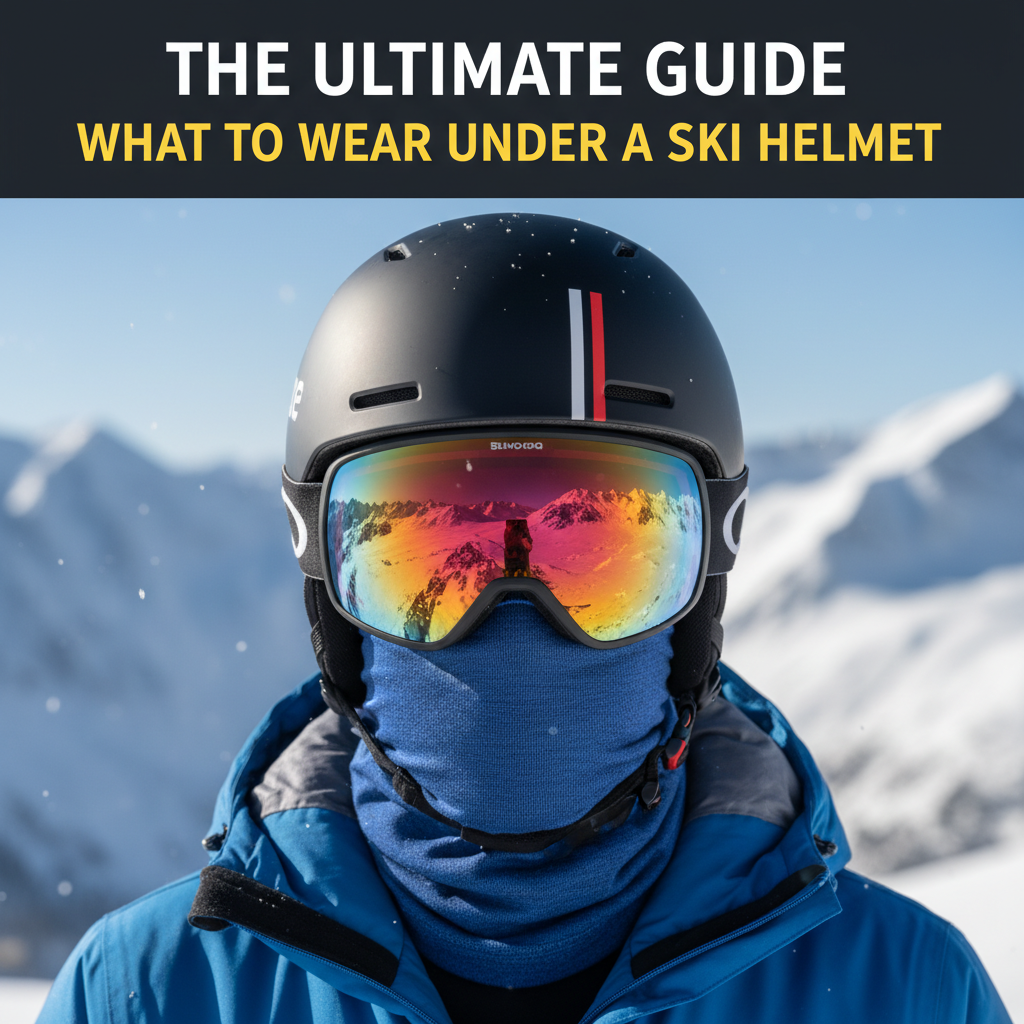
The Ultimate Guide to What to Wear Under a Ski Helmet
What to wear under a ski helmet (quick answer)
The best under-helmet layer is one that manages sweat, insulates when it’s cold, and stays flat so the helmet fit remains secure. For most skiers, a thin moisture-wicking beanie, a helmet liner, or a ski balaclava made from breathable fabric like merino wool or synthetic blends provides the ideal balance of warmth and comfort.
Why under-helmet clothing matters for ski safety and comfort
Under-helmet wear directly affects helmet fit, moisture control, and how comfortable your head stays during high-output skiing. When your head stays dry and your helmet sits correctly, you reduce distractions and maintain the protection your helmet is designed to deliver.
The key difference is that helmets are engineered to protect your head when they sit in a consistent position against your scalp. If bulky layers create an uneven gap, the helmet can shift slightly during movement or impacts, which may reduce effectiveness.
Heat, sweat, and chill: the real-world problem
During a typical downhill day, skiers spend long stretches in changing wind and snow conditions. Your body produces heat during effort, and that heat must escape through evaporation. If sweat is trapped against your skin, the cooling effect can quickly turn into “helmet cold,” especially when you stop or ski in windy zones.
Most modern under-helmet options focus on moisture-wicking and breathability so sweat moves away from the skin and your temperature stays stable. This is why many ski brands recommend thin layers rather than thick knitwear that absorbs water.
Comfort and distraction are safety issues too
A helmet that feels tight, shifts, or bunches under your chin strap will pull your attention away from technique. Industry best practice is to wear a thin, smooth layer that doesn’t interfere with the helmet’s internal fit system. Even a few millimeters of bulk can change the way a helmet rests, especially on users with longer hair or thicker baselayers.
How to choose the right under-helmet layer by weather
The right under-helmet layer depends on temperature, wind, and whether you run hot or cold. In practice, you should choose a fabric that matches the conditions: breathable wicking for mild days, and insulated or wind-resistant options for colder, windy terrain.
Warm or mild resort days (about 30°F to 45°F / -1°C to 7°C)
For temperatures in this range, a thin helmet liner or moisture-wicking headband often works best. These options keep your scalp dry while letting heat escape without overheating.
- Best picks: thin polyester or nylon wicking beanies, lightweight helmet liners, breathable merino skull caps
- Avoid: cotton-heavy hats, thick fleece that holds moisture, bulky knit caps that create pressure points
Cold and windy days (about 15°F to 30°F / -9°C to -1°C)
In colder weather, choose a warmer beanie, a merino wool balaclava, or a thin balaclava with a breathable face opening. Wind is often the deciding factor, because it accelerates heat loss through the fabric.
- Best picks: merino blends, double-layer liners, balaclavas with wind-resistant panels
- Avoid: very loose liners that slide, or thick layers that push the helmet too high
Snowfall and high-sweat days
If you tend to sweat heavily, prioritize moisture management over maximum insulation. Wicking fabrics help you stay comfortable during long runs and reduce the chance of chills after a break.
- Best picks: synthetic wicking beanies, merino wool that resists odor, helmet liners with airflow
Best materials for what to wear under a ski helmet
The best material is defined as fabric that moves moisture away from your skin while still providing appropriate warmth for the conditions. In ski gear, the most trusted choices are merino wool and engineered synthetic blends made for breathability.
Moisture-wicking synthetics (polyester, nylon, and blends)
Moisture-wicking is defined as the ability to pull sweat away from the skin and distribute it across the fabric surface so it evaporates faster. Polyester and nylon blends are popular because they dry quickly and maintain performance during repeated efforts.
- Strengths: fast drying, good breathability, lightweight feel under the helmet
- Watch-outs: can hold odor if ventilation is poor (choose quality liners and wash regularly)
Merino wool (temperature-regulating and odor-resistant)
Merino wool is defined as a fiber known for temperature regulation and natural odor resistance. It helps prevent the “overheating then chilling” cycle that can happen when sweat cools against your scalp.
The key difference is that merino wool can feel warmer even when it’s slightly damp, which matters in real ski conditions where sweat and light snow spray are common.
- Strengths: soft feel, thermal balance, reduced odor buildup
- Watch-outs: some blends include synthetic fibers; check thickness so it doesn’t compromise helmet fit
Under-Helmet Layer Types: Fit, Wicking, and Bulk Risk (Real-World Use)
| # | Layer option | Typical thickness | Wicking rating | Odor resistance | Best temp band | Bulk/pressure risk |
|---|---|---|---|---|---|---|
| 1 | Thin merino skull cap | 4–6 mm | ★★★★★ | ★★★★☆ | 25–40°F (-4–4°C) | 1/5 |
| 2 | Polyester/nylon helmet liner | 3–5 mm | ★★★★★ | ★★★☆☆ | 30–50°F (-1–10°C) | 1/5 |
| 3 | Merino blend beanie (thin) | 5–8 mm | ★★★★☆ | ★★★★☆ | 10–35°F (-12–2°C) | 2/5 |
| 4 | Lightweight wicking headband | 2–4 mm | ★★★★☆ | ★★★☆☆ | 25–45°F (-4–7°C) | 1/5 |
| 5 | Synthetic wicking beanie (thin) | 6–10 mm | ★★★★☆ | ★★★☆☆ | 15–35°F (-9–2°C) | 3/5 |
| 6 | Midweight merino beanie | 9–13 mm | ★★★☆☆ | ★★★★★ | 0–25°F (-18–-4°C) | 4/5 |
| 7 | Bulky cotton-rich knit cap | 12–20 mm | ★☆☆☆☆ | ★☆☆☆☆ | Not recommended | 5/5 |
Avoid cotton and thick absorbent fabrics
Cotton is defined as a fabric that absorbs moisture rather than wicking it. When cotton gets wet from sweat, it stays damp longer and can chill you quickly.
Beanie vs. headband vs. balaclava: which is best under a helmet?
The best choice among a beanie, headband, or balaclava depends on your warmth needs and how much coverage you want. For most helmet users, a thin beanie or helmet liner is the safest “fit-first” option, while a balaclava is ideal for extreme cold and wind.
Thin beanie or skull cap
A thin beanie is a good default because it provides scalp coverage without bulky seams. This option works well with most ski helmets and allows sweat to escape through breathable construction.
- Best for: general resort skiing, variable temperatures, riders who want simple coverage
- Look for: flat seams, stretch fabric, moisture-wicking or merino blend
Moisture-wicking headband
A headband is defined as a narrow band that covers the forehead and helps manage sweat without covering the entire head. It’s particularly useful if you run hot or wear a helmet that feels tight with full coverage.
- Best for: mild to cool days, sweaty skiers, users who dislike a “helmet squeeze” feeling
- Look for: wide bands that don’t roll, breathable wicking material
Ski balaclava (full or partial)
A balaclava is defined as a head covering that can cover more facial area and provides extra protection from wind. Under helmets, thinner balaclavas often work best because they reduce bulk while still cutting wind chill.
- Best for: very cold climates, windy lifts, riders seeking maximum face warmth
- Look for: helmet-friendly thickness, breathable fabric, non-bulky areas at the crown
Helmet fit rules you should follow (to stay safe)
Proper under-helmet wear should never compromise how your helmet sits and secures. Use fit checks to ensure the layer is thin, smooth, and positioned so the helmet can form an even contact zone.
Check fit with and without the layer
Try your helmet both ways. If the helmet feels overly tight, lifts off easily, or shifts when you shake your head, your under layer is likely too bulky or has an uneven seam pattern.
Position matters: keep the crown smooth
The crown area is where contact and stability are most critical. Choose under-helmet items that lie flat and avoid thick logos, raised seams, or gathered fabric at the top.
Straps must still feel secure
Your helmet’s retention system (often including Y-straps and buckles) should still sit comfortably under the chin. A thick balaclava seam or high collar can interfere with strap alignment.
Consensus guidance: keep it thin and functional
Across ski and snowboard safety guidance, the widely accepted practice is to wear clothing that maintains a stable helmet fit. Many helmet manufacturers recommend using thin, smooth liner layers and avoiding accessories that push the helmet out of its designed position.
Definition: what “breathable” and “moisture-wicking” mean for ski helmets
Breathable and moisture-wicking are often used loosely in retail listings, so it helps to understand the definitions. For under-helmet gear, these terms should translate into comfort you can feel during sweaty runs.
Moisture-wicking is defined as fabric design that draws sweat away from skin and promotes evaporation. Breathable is defined as fabric and construction that allow airflow while still providing warmth where needed.
How to evaluate performance before buying
If the product listing includes clear fabric composition and describes wicking performance, it’s a better starting point. Also look for details such as “flatlock seams,” “stretch,” “snug fit,” and “helmet compatible” because they indicate design intent for under-helmet use.
Conversational Q&A: common questions about what to wear under a ski helmet
Can I wear a thick winter beanie under a ski helmet?
You can, but it’s usually not ideal. A thick beanie is defined as fabric that can compress, bunch, or raise the helmet’s position, which may reduce stability. If you feel pressure points or the helmet shifts when you move, switch to a thinner wicking beanie or a helmet-specific liner.
Should I wear a balaclava or a beanie for long days?
For long days, prioritize moisture control and ventilation. A thin merino balaclava or a breathable helmet liner can work well if it stays comfortable during activity. If you tend to get overheated, choose a headband or thin beanie instead of full coverage.
Does merino wool actually help under a helmet?
Yes, merino wool often performs well under ski helmets. It is known for temperature regulation and reduced odor buildup, which helps when you ski for hours and break after a sweaty session. For best fit, choose a thin or midweight merino blend rather than a bulky knit.
Is polyester or nylon better for under-helmet wear?
Both can be excellent, depending on thickness and construction. The key difference is that moisture-wicking synthetics typically dry quickly, while merino wool offers strong temperature balance and odor resistance. Many skiers prefer polyester or nylon for high-sweat days and merino blends for comfort and multi-day use.
What size should I choose for under-helmet wear?
Choose a size that feels snug but not restrictive. Under-helmet items should stretch to fit your head shape without creating ridges. If your helmet feels overly tight with the layer on, downsize the thickness rather than changing helmet safety fit.
Recommended under-helmet setups by skier type
Use your skier profile to choose the simplest setup that matches your comfort needs. A well-matched system helps you stay warm without overheating and prevents sweat from turning into chill.
Beginner or weekend skier
A thin wicking beanie or lightweight helmet liner is usually the most reliable choice. It’s easy to adjust, keeps you comfortable across mild-to-cold resort mornings, and won’t interfere with helmet fit.
High-effort skier (runs hot or sweats a lot)
A moisture-wicking headband or a thin synthetic beanie often works best. These options reduce trapped sweat and keep your temperature steady during long, continuous runs.
Cold-weather or wind-exposed rider
A merino balaclava or wind-resistant liner can be ideal. Focus on thin, breathable designs and check that the helmet straps and crown fit remain stable.
Brands and product types to look for (what matters most)
When you shop for under-helmet wear, prioritize construction details over hype. The most reliable indicators are wicking fabric composition, seam design, and “helmet compatible” fit.
- Merino wool liners: look for midweight or thin merino blends with smooth stitching
- Synthetic wicking beanies: search for polyester or nylon with a breathable description
- Helmet-specific balaclavas: choose designs that keep the crown area flat
If you’re comparing options online, check whether the product is explicitly described for ski, snowboard, or helmet use. Generic winter hats are often too thick and may not manage sweat effectively.
Care tips to keep under-helmet gear comfortable
Proper washing and drying preserves moisture-wicking performance and reduces odor over time. Under-helmet liners can build up sweat and residue, so routine care helps them keep working as intended.
- Wash after heavy use: follow label instructions for merino or synthetics
- Air dry when possible: helps maintain elasticity and fabric performance
- Avoid fabric softeners: they can reduce wicking by coating fibers
Bottom line: the ultimate under-helmet formula
The ultimate goal is a thin, smooth, moisture-managing layer that keeps your helmet fit stable and your head comfortable through variable weather. For most skiers, a moisture-wicking beanie or merino skull cap is the best all-around choice, while a balaclava is ideal for extreme cold and wind.
If you want a one-sentence rule to remember: Choose performance fabric, keep bulk minimal at the crown, and verify helmet stability with your chosen layer.
Frequently Asked Questions: What to Wear Under a Ski Helmet
Should I wear a helmet liner or just a beanie under my ski helmet?
In most cases, a thin helmet liner (or a helmet-compatible base layer) is the best option. It’s designed to sit comfortably under the shell, manage moisture, and reduce pressure points without bunching. A beanie can work—especially thinner, fitted styles—but thicker knit beanies may create bulk, cause the helmet to sit incorrectly, or reduce ventilation. If you do wear a beanie, choose a close-fitting, lightweight one that lays flat around the ears and temples. The key is fit: your helmet should stay snug and level without feeling tight or creating gaps.
What type of headwear is best for warmth under a ski helmet?
For warmth without overheating, look for materials and thickness that provide insulation while staying streamlined. Common best choices include:
- Helmet liners: Often made from fleece, merino wool blends, or moisture-wicking fabrics; they’re low-profile and comfortable.
- Thin thermal beanies: Fitted, stretchy knit beanies (not bulky) are ideal for colder conditions.
- Merino wool liners: Excellent for regulating temperature and reducing odor.
Avoid very thick layers that force the helmet to ride up or feel uncomfortably tight. If temperatures vary during the day, consider a liner you can remove, or choose a mid-weight option and layer with a neck gaiter instead of adding extra bulk on top.
Can I wear a hood or hat underneath my ski helmet?
You can, but it depends on thickness and how it affects helmet fit. Hoods and bulky hats can interfere with how the helmet sits on your head, leading to reduced comfort and potentially less secure fit. If you want to wear a hood, ensure it’s thin and smooth—avoid thick seams or puffy insulation under the helmet. If the helmet creates noticeable pressure points, slides, or requires you to tighten the straps significantly more than usual, the underlayer is likely too thick. In general, a helmet-specific liner or a thin, fitted cap is safer and more reliable for consistent fit.
Will my ski helmet fit differently if I wear a balaclava or liner?
Yes—adding any underlayer can change how a helmet fits, especially with balaclavas or thicker layers. A balaclava can be great in cold weather, but it may add bulk at the crown, forehead, or around the ears. The best approach is to try your helmet while wearing the exact type of headwear you plan to use. When checking fit:
- Helmet should be level and not tilt upward when you look down.
- Straps should buckle comfortably without over-tightening.
- No excessive gaps should appear between the helmet and your head.
- Pressure points should be minimal and not concentrated in one spot.
If your helmet feels too tight with a balaclava, consider a thinner liner or choose a helmet size/fit designed for layering.
What materials should I look for (and avoid) when choosing something to wear under a ski helmet?
For comfort and performance, prioritize moisture management, softness, and low bulk. Recommended materials include:
- Moisture-wicking synthetic fabrics: Help keep sweat from chilling you.
- Merino wool: Warm, breathable, and naturally odor-resistant.
- Fleece helmet liners: Good for colder days when ventilation is less critical.
Materials and features to be cautious about:
- Thick, cotton-based knit beanies: Can hold moisture and feel damp.
- BULKY seams or thick logos: May create pressure points.
- Flimsy, non-stretch fabrics: Can bunch and cause discomfort.
Also consider hygiene: liners that can be washed or replaced help prevent odor and skin irritation.
References
- PubMed search: helmet liner comfort and moisture Google Scholar
https://pubmed.ncbi.nlm.nih.gov/?term=helmet%20liner%20comfort%20moisture - Google Scholar: Ski helmet liner comfort & moisture wicking (search) Google Scholar
https://scholar.google.com/scholar?q=ski+helmet+liner+comfort+moisture+wicking - Google Scholar: Helmet fit and head injury prevention (search) Google Scholar
https://scholar.google.com/scholar?q=helmet+fit+head+injury+prevention - Ski helmet
https://en.wikipedia.org/wiki/Ski_helmet - Helmet (headgear)
https://en.wikipedia.org/wiki/Helmet - Traumatic Brain Injury (TBI) Overview (CDC)
https://www.cdc.gov/traumaticbraininjury/index.html - Head injuries (World Health Organization)
https://www.who.int/news-room/fact-sheets/detail/head-injuries - Helmet |
https://www.britannica.com/technology/helmet
📅 Last Updated: July 06, 2026 | Topic: The Ultimate Guide to What to Wear Under a Ski Helmet | Content verified for accuracy and freshness.