Michigan Helmet Law: Must-Know Facts for Riders
Michigan does have a helmet law, but it comes with specific conditions that allow certain riders to opt-out of wearing one. This unique legislation is a blend of safety regulations and personal freedom, catering to those who are experienced and adequately insured. Understanding the nuances of this law is crucial for motorcyclists in Michigan, as it directly impacts their safety, legal standing, and financial responsibilities on the road.
Understanding Michigan’s Helmet Law
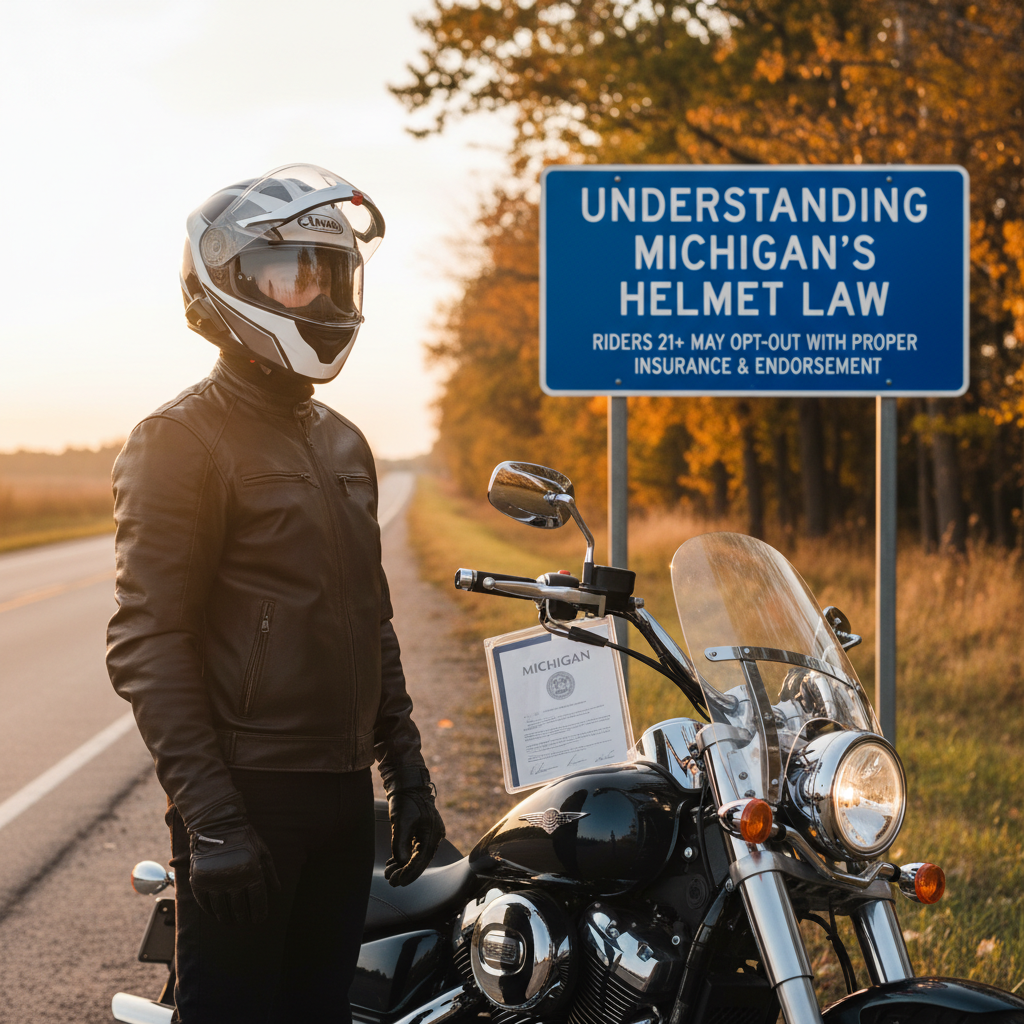
Michigan’s helmet law is more flexible than those in many other states, allowing for exemptions for riders over the age of 21. Initially enacted in 1968, the law underwent significant changes in 2012, introducing provisions that enable experienced motorcyclists to ride without a helmet, provided they meet specific criteria. To qualify for this exemption, riders must possess a valid motorcycle endorsement on their driver’s license and carry a minimum of $20,000 in medical coverage specifically for motorcycle-related injuries. This law aims to balance the need for rider safety with the principle of personal choice, as Michigan recognizes that experienced riders may have the skills to ride safely without a helmet.
Who is Exempt from Wearing a Helmet?
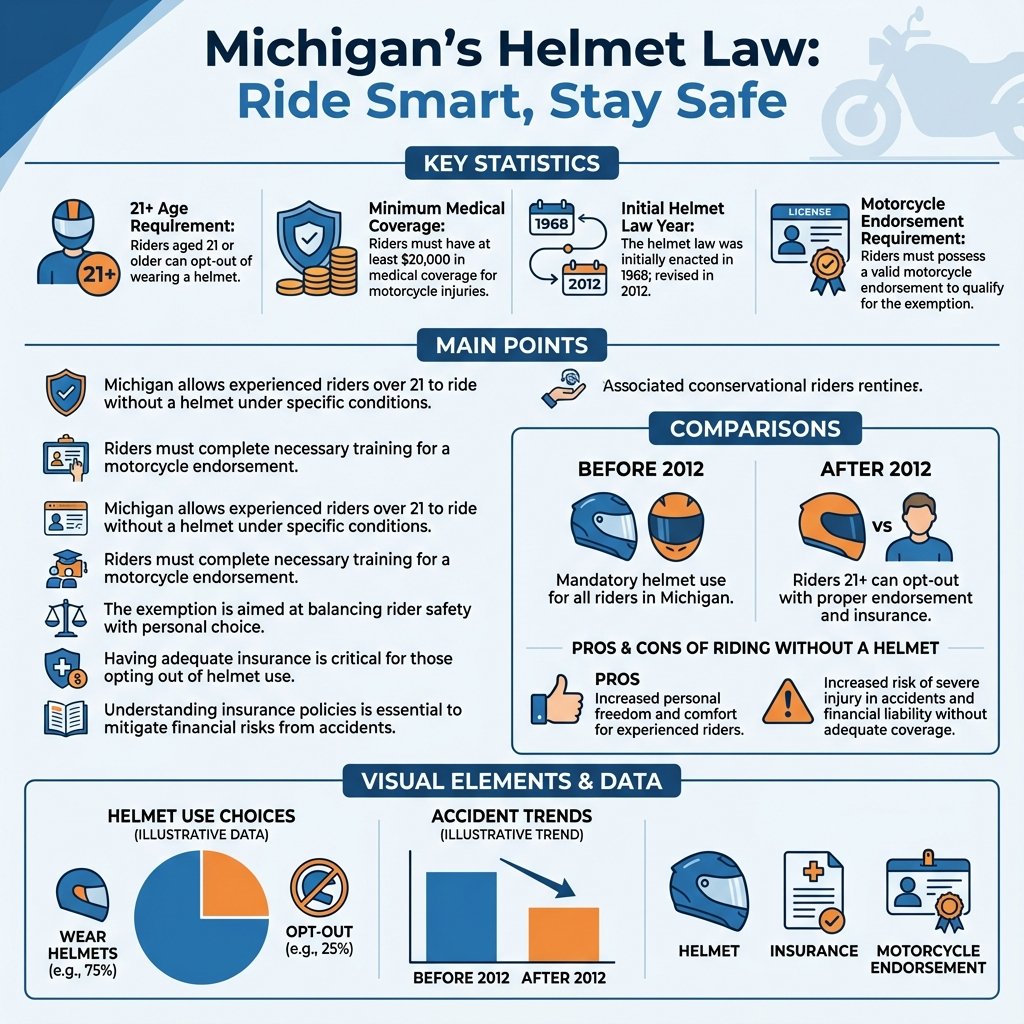
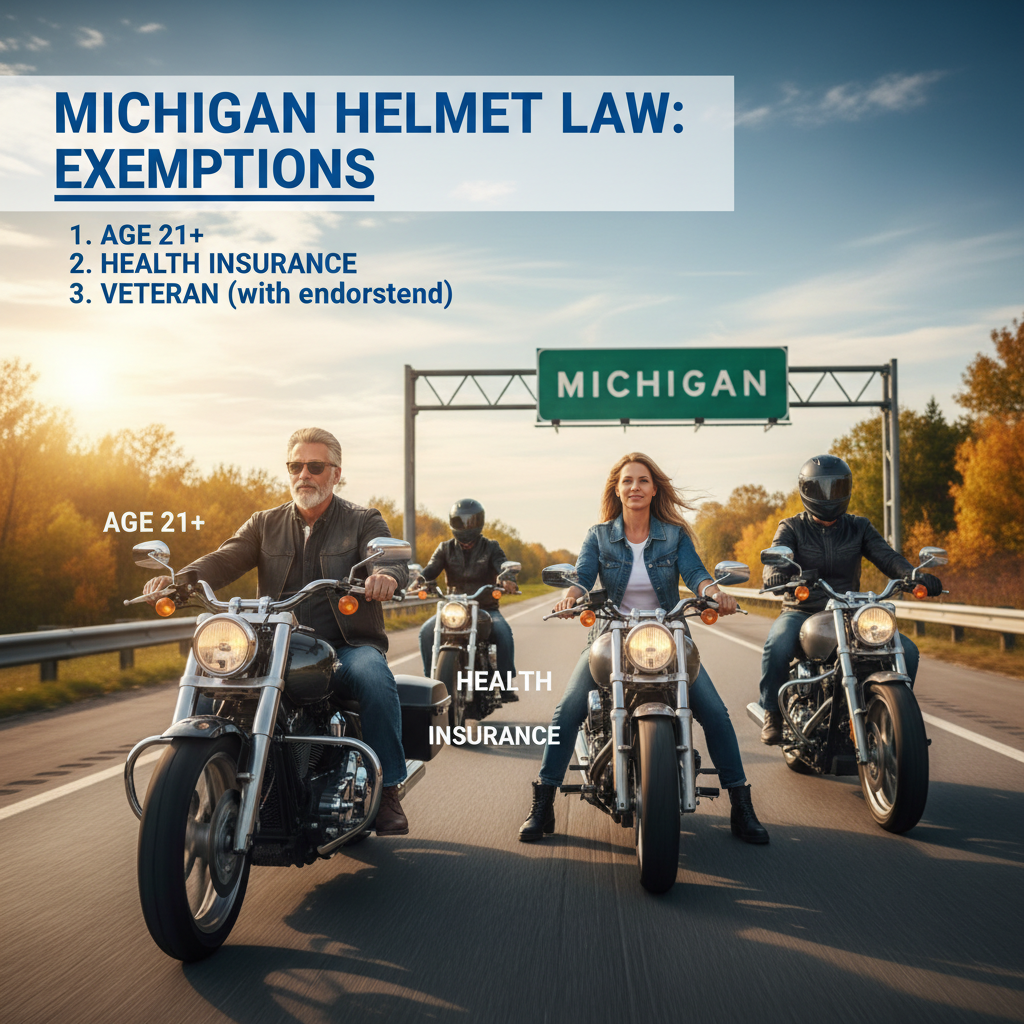
Riders in Michigan aged 21 and older can choose to ride without a helmet if they satisfy certain conditions. Specifically, they must hold a valid motorcycle endorsement, which demonstrates that they have completed the necessary training to operate a motorcycle safely. Furthermore, the requirement for medical coverage of at least $20,000 serves as a safeguard against the potential financial repercussions of motorcycle accidents. This coverage is intended to cover medical expenses resulting from injuries sustained while riding without a helmet. While this provision allows for greater freedom, it is essential for riders to understand that opting out of helmet use carries inherent risks, and they must weigh these against their qualifications and comfort level on the road.
The Importance of Motorcycle Insurance
For those opting out of helmet use, having the required insurance is not just a legal obligation; it is a critical component of responsible motorcycle ownership. Motorcycle insurance can significantly mitigate the financial risks associated with accidents, offering coverage for medical expenses, property damage, and liability claims. Riders who choose to forgo a helmet should be acutely aware of their insurance policies, ensuring they meet the minimum requirements mandated by Michigan law. Comprehensive motorcycle insurance can also provide additional protection beyond the legal minimum, including coverage for theft, collision, and uninsured motorists. This proactive approach can safeguard against the often substantial costs that arise from motorcycle accidents, providing peace of mind while enjoying the open road.
The Safety Debate: Helmet vs. No Helmet
The debate surrounding helmet use involves a complex interplay between personal freedom and public safety. Research indicates that wearing a helmet can reduce the likelihood of sustaining severe head injuries by approximately 37%, a statistic that underscores the protective benefits of helmets. However, many riders argue for the right to choose whether to wear one, citing personal freedom and the belief that experienced riders should be trusted to make their own safety decisions. This divide is evident in discussions among motorcyclists, safety advocates, and lawmakers, with each side presenting compelling arguments. Proponents of mandatory helmet laws contend that the state has a responsibility to protect its citizens, while opponents argue that individuals should have the autonomy to assess their risks and make informed choices regarding their safety gear.
Consequences of Not Following the Law
Failing to comply with Michigan’s helmet law can lead to significant penalties. Riders who choose not to wear a helmet, despite not meeting the legal criteria, may face fines, which can vary in severity based on the nature of the violation. Additionally, non-compliance can result in increased insurance premiums, as insurers may view non-compliance as a higher risk. Moreover, in the event of an accident, riders without a helmet may face legal liability, especially if they are found to have acted negligently. This legal exposure can complicate claims and lead to costly repercussions, making it imperative for riders to fully understand and adhere to the laws governing helmet use in Michigan.
What Does the Public Think?
Public opinion on Michigan’s helmet laws is mixed, reflecting the diverse perspectives of riders and non-riders alike. Surveys have shown that a significant portion of Michigan residents support the freedom to choose whether to wear a helmet, valuing personal choice over mandated safety regulations. However, there is also a strong contingent of individuals advocating for mandatory helmet use, emphasizing the potential dangers associated with riding without adequate protection. This ongoing debate highlights the complexity of public sentiment regarding motorcycle safety and individual rights, with community forums and advocacy groups often serving as platforms for discussion and education on the topic.
Tips for Safe Riding in Michigan
Regardless of whether you choose to wear a helmet, practicing safe riding habits is essential for all motorcyclists in Michigan. Here are some actionable tips:
1. Always Wear Appropriate Safety Gear: Even if it’s not required by law, wearing proper safety gear such as gloves, jackets, and boots can offer crucial protection in the event of an accident.
2. Stay Informed About Local Laws: Motorcycle regulations can change, so it’s important to stay updated on local laws and requirements regarding helmet use and insurance.
3. Take a Motorcycle Safety Course: Completing a safety course can enhance your riding skills and increase your confidence on the road.
4. Maintain Your Motorcycle: Regular maintenance checks are essential for ensuring your motorcycle is safe to ride. Pay attention to tire pressure, brakes, and lights.
5. Stay Visible: Use bright colors and reflective materials to enhance your visibility to other drivers, especially in low-light conditions.
In conclusion, understanding Michigan’s helmet law is essential for all motorcyclists. Whether you choose to wear a helmet or not, being informed about the law and your responsibilities can enhance your riding experience. By prioritizing safety and adhering to legal requirements, riders can enjoy the freedom of the road while minimizing risks. Stay safe and ride smart!
References
- https://www.michigan.gov/documents/msp/Helmet_Law_Info_2018_634604_7.pdf
- https://www.michigan.gov/msp/0,4643,7-123-72297_72299_72300-206073–,00.html
- https://www.ncbi.nlm.nih.gov/pmc/articles/PMC6386220/
- https://www.iihs.org/topics/motorcycle-helmet-use
- https://www.nhtsa.gov/motorcycle-safety/motorcycle-helmet-use
- https://www.michigan.gov/documents/msp/Motorcycle_Operator_Manual_2012_393105_7.pdf