Must-Know Equestrian Helmet Safety Certifications Explained
Wearing a certified equestrian helmet is essential for rider safety, protecting against serious head injuries while horseback riding. Understanding the different safety certifications can help you make informed choices when selecting the right helmet for your needs. This knowledge not only enhances your safety but also empowers you to engage in the sport with confidence.
Understanding Equestrian Helmet Certifications
Equestrian helmet certifications are established safety standards designed to ensure that helmets can withstand the forces of impact during a fall. Two major organizations that set these standards are ASTM International (formerly known as the American Society for Testing and Materials) and the Snell Memorial Foundation. ASTM certification, often accompanied by SEI (Safety Equipment Institute) approval, ensures that helmets meet specific performance criteria, such as impact resistance and retention system effectiveness.
The importance of certification cannot be overstated; it acts as a guarantee that the helmet has undergone rigorous testing and meets the necessary safety benchmarks. Certified helmets are specifically designed to protect the rider’s head in the event of an accident, significantly reducing the risk of serious injury or fatality.
The Top Safety Certifications You Should Know
ASTM/SEI: Overview and Significance in the Equestrian Community
The ASTM/SEI certification is widely recognized in the equestrian community as a benchmark for helmet safety. Helmets bearing this certification undergo extensive testing for impact absorption, chin strap strength, and retention system efficiency. This makes them suitable for a variety of disciplines, including jumping and dressage.
The ASTM F1163 standard is particularly important, as it defines the minimum performance requirements for equestrian helmets. Helmets that pass these tests often feature multiple layers of protective material, ensuring they can handle both low and high-velocity impacts.
Snell: What Makes It Unique and When to Consider It
The Snell Foundation offers an additional layer of certification that is often sought after by competitive riders. The Snell Equestrian Standard (SEI) emphasizes rigorous testing beyond the ASTM standards, particularly focusing on high-energy impacts. This makes Snell-certified helmets an excellent choice for riders participating in high-risk disciplines such as eventing or show jumping, where the likelihood of falls can be greater.
Choosing a Snell-certified helmet can provide peace of mind for riders who prioritize safety and performance, particularly in competitive settings.
Key Features to Look for in a Certified Helmet
Impact Resistance: How It’s Tested and Why It Matters
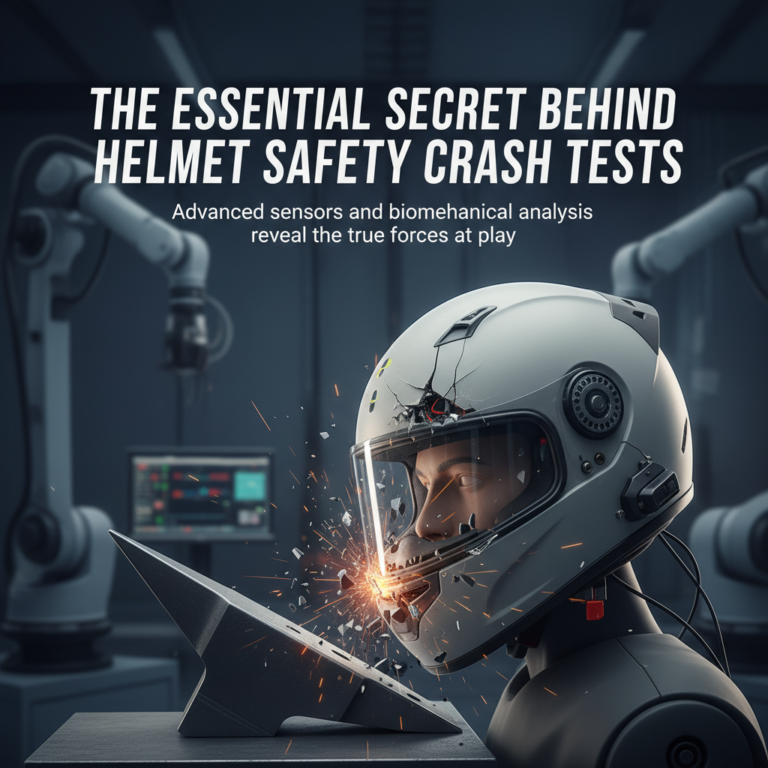
Impact resistance is a fundamental feature of any certified equestrian helmet. Helmets are subjected to various forms of testing, including drop tests from specific heights to simulate real-world scenarios. The helmet must adequately absorb the force of impact and prevent it from reaching the skull, thereby reducing the risk of traumatic brain injuries.
When selecting a helmet, look for those that not only meet ASTM or Snell standards but also feature advanced materials like multi-density foams, which can effectively manage forces from multiple angles and velocities.
Fit and Comfort: Ensuring Proper Sizing for Maximum Protection
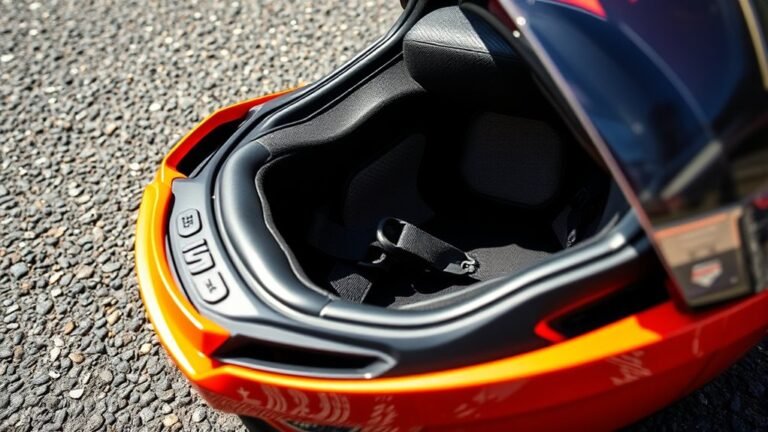
A helmet is only as effective as it is comfortable and well-fitting. A properly fitting helmet should sit snugly on your head without being overly tight, allowing for ventilation and comfort during rides. Many manufacturers provide fitting guides and adjustable features to help ensure a customized fit.
Additionally, comfort can influence a rider’s willingness to wear a helmet consistently. Helmets with moisture-wicking liners, adjustable straps, and ventilation systems are more likely to be worn regularly, enhancing safety.
Common Myths About Helmet Safety
Debunking the Myth: “All Helmets Are Created Equal”
A prevalent myth is that all helmets provide the same level of protection. This is misleading; helmets vary widely in terms of design, materials, and certifications. A certified helmet undergoes rigorous testing to ensure it meets safety standards, while non-certified helmets may lack this level of assurance.
It’s essential to invest in a helmet that bears a recognized certification mark to ensure optimal protection.
The Truth About Helmet Lifespan and Replacement
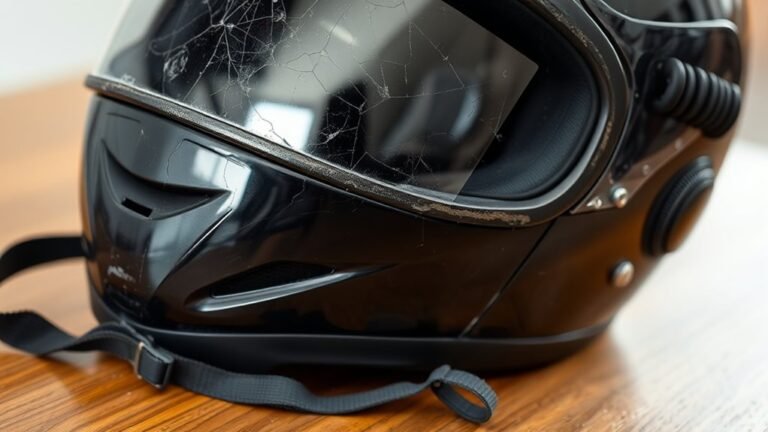
Another common misconception is that helmets can last indefinitely. In reality, even certified helmets have a limited lifespan, typically recommended at five years from the date of purchase, or sooner if they have sustained a significant impact. Regularly inspecting your helmet for signs of wear and tear, such as cracks or a compromised inner lining, is crucial.
Always adhere to the manufacturer’s guidelines regarding replacement to ensure that your helmet continues to provide the necessary protection.
How to Choose the Right Helmet for Your Riding Style
Different Certifications for Different Disciplines
The type of riding you engage in can influence the helmet certification you should consider. For instance, riders in disciplines like Western riding may prioritize comfort and style, while those in eventing or show jumping may focus on helmets that meet Snell standards due to the higher risk of falls.
Understanding the specific requirements of your discipline can guide your selection process, ensuring that you choose a helmet that not only meets safety standards but also complements your riding style.
Factors to Consider: Ventilation, Weight, and Style
When choosing a helmet, consider additional factors such as ventilation, weight, and style. A well-ventilated helmet can keep you cool during long rides, while a lightweight design can enhance comfort. Additionally, the aesthetic aspect should not be overlooked; a helmet that you find visually appealing may encourage you to wear it more consistently.
Maintenance Tips for Your Equestrian Helmet
How to Properly Clean and Store Your Helmet
Proper maintenance of your helmet is essential for ensuring its longevity and effectiveness. Clean the outer shell with a damp cloth and mild soap, avoiding harsh chemicals that could damage the materials. The inner lining should also be cleaned regularly, as sweat and grime can accumulate.
When storing your helmet, keep it in a cool, dry place away from direct sunlight. Using a helmet bag can protect it from dust and accidental impacts.
Signs That Indicate It’s Time for a Replacement
Be vigilant about signs that may indicate your helmet needs replacing. Look for cracks in the outer shell, a compromised inner liner, or any deformation of the helmet’s shape. If you experience a significant impact, even if there is no visible damage, it is advisable to replace the helmet, as internal damage may not be immediately evident.
The Future of Equestrian Helmet Safety
Innovations in Helmet Technology and Design
As technology continues to evolve, so does the design and functionality of equestrian helmets. Innovations such as MIPS (Multi-Directional Impact Protection System) technology, which adds an additional layer of protection against rotational forces, are becoming increasingly common. Brands are also experimenting with lighter materials and improved ventilation systems to enhance comfort without sacrificing safety.
The Importance of Ongoing Research and Development in Rider Safety
Ongoing research into head trauma and helmet safety is crucial for developing better protective gear. Organizations like ASTM and Snell are continuously updating their standards based on the latest scientific findings, ensuring that helmets remain effective against emerging risks. Staying informed about these advancements can help riders make educated decisions about their safety equipment.
In conclusion, understanding equestrian helmet safety certifications is crucial for every rider. Investing in a certified helmet not only ensures compliance with safety standards but also significantly enhances your protection while enjoying horseback riding. Don’t compromise on safety—choose wisely! By prioritizing informed choices about certifications, helmet features, and maintenance, you can greatly reduce the risk of head injuries and enjoy your riding experience to the fullest.
References
- https://www.thehorse.com/articles/42454/equestrian-helmet-safety-standards-explained
- https://www.americanveterinarymedicalassociation.org/resources-tools/public-health/animal-wellness/equestrian-safety
- https://www.nbcnews.com/health/health-news/safety-first-equestrian-helmets-how-know-you-have-right-one-n1271056
- https://www.equusmagazine.com/article/equestrian-helmet-safety-certifications-explained-47026
- https://www.helmets.org/
- https://www.aaep.org/horsehealth/equestrian-helmet-safety
- https://www.cdc.gov/niosh/topics/ergonomics/faq.html
- https://www.safecar.gov/Vehicle+Safety/Helmet+Safety
- https://www.equestriancanada.ca/about/resources/helmets-and-safety-standards